Acacia — 151 species
Botanical species in the genus Acacia recorded in the PlantPeers database.

Acacia acradenia
Acacia acradenia
Family: Fabaceae
Cultivation
Acacia acradenia is a plant of arid and semi-arid subtropical to tropical climates of northern Australia. Requires a sunny position and a well-drained soil. The plant has considerable potential as an ornamental in drier regions.
Full cultivation guide →Acacia acuminata
Acacia acuminata
Family: Fabaceae
Cultivation
Acacia acuminata is a plant of semi-arid, warm temperate to subtropical climates with a mainly winter rainfall. It is found at elevations up to 400 metres. It grows best in areas where annual daytime temperatures are within the range 17 - 28°c, but can tolerate 6 - 38°c.
Full cultivation guide →Acacia adsurgens
Acacia adsurgens
Family: Fabaceae
Cultivation
Acacia adsurgens is a plant of the warm to hot, semi-arid and arid zones of northern Australia, where it can be found at elevations up to 700 metres. Summers are hot with the mean maximum temperature of the hottest month 36 - 39°c and the mean temperature of the coldest month 5 - 11°c. There is an average of 1 - 11 frosts per year over much of the range.
Full cultivation guide →Acacia ammobia
Acacia ammobia
Family: Fabaceae
Cultivation
Acacia ammobia is a plant of the arid subtropical zone of central Australia, where it is found at elevations up to 600 metres. It grows best in areas where annual daytime temperatures are within the range 24 - 36°c, but can tolerate 10 - 43°c. When dormant, the plant can survive temperatures down to about -5°c, but young growth is more tender and can be severely damaged at -1°c.
Full cultivation guide →Acacia ampliceps
Acacia ampliceps
Family: Fabaceae
Cultivation
Acacia ampliceps is a plant of arid to subhumid regions of the subtropical and tropical zones, where it is found at elevations up to 400 metres. It grows best in areas where annual daytime temperatures are within the range 14 - 36°c, but can tolerate 5 - 46°c. The tree is not tolerant of frost.
Full cultivation guide →Acacia anaticeps
Acacia anaticeps
Family: Fabaceae
Cultivation
Acacia anaticeps is native to the arid and semi-arid regions of northwestern Australia. Requires a sunny position and a well-drained soil. Succeeds in saline soils.
Full cultivation guide →Acacia ancistrocarpa
Acacia ancistrocarpa
Family: Fabaceae
Cultivation
Acacia ancistrocarpa is a plant of the semi-arid, subtropical and tropical zones of northern Australia, where it is found at elevations up to 500 metres. It grows best in areas where annual daytime temperatures are within the range 22 - 34°c, but can tolerate 10 - 46°c. When dormant, the plant can survive temperatures down to about -2°c, but young growth is more tender and can be severely damaged at 0°c.
Full cultivation guide →
Acacia aneura
Acacia aneura
Family: Fabaceae
Cultivation
A plant of arid and semi-arid areas of the tropics and subtropics, growing naturally at elevations from sea level to about 1000 metres. It is found in areas with an annual rainfall in the range of 100 - 500 mm. It its native range it experiences hot summers and cool winters with light frost.
Full cultivation guide →Acacia anthochaera
Acacia anthochaera
Family: Fabaceae
Cultivation
Acacia anthochaera is native to the Mediterranean climate of southwestern Australia, where it experiences a low number of frosts in its native habitat. Requires a sunny position. Requires a well-drained soil, preferring a light to medium texture with a neutral to alkaline pH, but also growing in clays.
Full cultivation guide →Acacia argyrodendron
Acacia argyrodendron
Family: Fabaceae
Cultivation
Acacia argyrodendron is a plant of the semi-arid, subtropical to tropical zones of eastern Australia, where it is found at elevations up to 350 metres. It grows best in areas where annual daytime temperatures are within the range 22 - 32°c, but can tolerate 10 - 40°c. It prefers a mean annual rainfall in the range 450 - 550mm, but tolerates 350 - 650mm, tolerating a dry period of 4 - 6 months.
Full cultivation guide →
Acacia aulacocarpa
Acacia aulacocarpa
Family: Fabaceae
Cultivation
A tree of low to moderate elevations, it is mainly found in warm to hot humid and sub-humid zones of the tropics and subtropics, at the latitudinal range of 6 - 31°c. It is able, however, to thrive in a range of climate conditions, succeeding in areas with a mean annual rainfall in the range of 500 - 3,000 mm and a mean annual temperature varying from a minimum of 10 - 21°c up to 29 - 38°c. It can tolerate occasional mild frosts.
Full cultivation guide →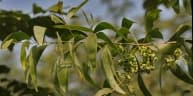
Acacia auriculiformis
Acacia auriculiformis
Family: Fabaceae
Cultivation
The tree is predominantly found at low elevations in the seasonally dry tropical lowlands of the humid and sub-humid zones. It is usually found at elevations below 80 metres, but can be found up to 400 metres. In its natural range, the mean annual rainfall varies from 700 - 2,000 mm, and the dry season (i.e.
Full cultivation guide →Acacia bakeri
Acacia bakeri
Family: Fabaceae
Cultivation
Acacia bakeri is native to the subtropical regions of eastern Australia. It is unlikely to withstand much frost, but is likely to succeed outdoors in the warmer regions of the temperate zone. Requires a sunny position.
Full cultivation guide →Acacia binervata
Acacia binervata
Family: Fabaceae
Cultivation
Acacia binervata is native to the warm temperate to subtropical regions of eastern Australia. Requires a sunny position. The plant is often grown as an ornamental This species has a symbiotic relationship with certain soil bacteria; these bacteria form nodules on the roots and fix atmospheric nitrogen.
Full cultivation guide →Acacia binervia
Acacia binervia
Family: Fabaceae
Cultivation
Acacia binervia is native to the temperate region of southeastern Australia, where it will experience frosts. Requires a sunny position and a well-drained soil. This species has a symbiotic relationship with certain soil bacteria; these bacteria form nodules on the roots and fix atmospheric nitrogen.
Full cultivation guide →Acacia blakelyi
Acacia blakelyi
Family: Fabaceae
Cultivation
Acacia blakelyi experiences a low number of frosts in its native habitat. Requires a sunny position. Requires a well-drained soil, preferring a light to medium texture with a neutral to acid pH.
Full cultivation guide →Acacia brachystachya
Acacia brachystachya
Family: Fabaceae
Cultivation
Acacia brachystachya is native mainly to the arid and semi-arid belt of southern and central Australia. Requires a sunny position in a well-drained, sandy soil. Specimens usually referred to Acacia brachystachya in the west of Western Australia are for the most part, hybrids between Acacia aneura and Acacia ramulosa.
Full cultivation guide →Acacia brumalis
Acacia brumalis
Family: Fabaceae
Cultivation
Acacia brumalis is native to the Mediterranean climate of southwesternWestern Australia where it experiences a low frequency of frosts. Requires a sunny position. Requires a well-drained soil, succeeding in sandy to clay-loam soils.
Full cultivation guide →Acacia burkittii
Acacia burkittii
Family: Fabaceae
Cultivation
Acacia burkittii is native to the Mediterranean climate of southwesternWestern Australia where it experiences a low frequency of frosts. Requires a sunny position. Grows best in a well-drained, light to medium soil with an alkaline pH.
Full cultivation guide →Acacia burrowii
Acacia burrowii
Family: Fabaceae
Cultivation
Acacia burrowii is a plant of the warm temperate to subtropical zone of eastern Australia, where it is found at elevations up to 375 metres. It grows best in areas where annual daytime temperatures are within the range 18 - 30°c, but can tolerate 8 - 40°c. When dormant, the plant can survive temperatures down to about =5°c, but young growth is more tender and can be severely damaged at 0°c.
Full cultivation guide →Acacia calamifolia
Acacia calamifolia
Family: Fabaceae
Cultivation
Requires a sunny position in a well-drained soil. This is a very polymorphic species that probably comprises more than one taxon. Acacia calamifolia is a member of the ‘Acacia microbotrya group’ and is closely related to Acacia nematophylla and Acacia subulata.
Full cultivation guide →Acacia calyculata
Acacia calyculata
Family: Fabaceae
Cultivation
Acacia calyculata is native to the tropics of northeastern Australia. Requires a sunny position in a well-drained soil. Plants can flower all year round.
Full cultivation guide →Acacia cambagei
Acacia cambagei
Family: Fabaceae
Cultivation
Acacia cambagei is a plant of arid and semi-arid regions of central, northern and eastern Australia, where it is found at elevations up to 500 metres. It grows best in areas where annual daytime temperatures are within the range 20 - 30°c, but can tolerate 5 - 40°c. When dormant, the plant can survive temperatures down to about -1°c, but young growth is more tender and can be severely damaged at -1°c.
Full cultivation guide →Acacia celsa
Acacia celsa
Family: Fabaceae
Cultivation
Acacia celsa is native to the moist tropics of northeastern Australia, growing in areas where the mean annual rainfall ranges from 1,300 - 4,000mm. Requires a sunny position in a well-drained soil. A fast-growing tree.
Full cultivation guide →
Acacia cincinnata
Acacia cincinnata
Family: Fabaceae
Cultivation
A plant of the humid tropics and subtropics, where it is found at elevations up to 750 metres. It grows best in areas where annual daytime temperatures are within the range 22 - 32°c, but can tolerate 10 - 39°c. The plant is intolerant of frost.
Full cultivation guide →Acacia citrinoviridis
Acacia citrinoviridis
Family: Fabaceae
Cultivation
Acacia citrinoviridis is a plant of the warm to hot, arid, subtropical to tropical regions of Western Australia, where it is found at elevations up to 720 metres. The mean annual temperature is in the range of 23 - 27°c, rising to around 40°c in the summer and falling to around 10°c in the winter. Occasional frosts, down to -3°c can occur at some of the higher elevations.
Full cultivation guide →Acacia colei
Acacia colei
Family: Fabaceae
Cultivation
Acacia colei is a component of many semi-arid, subtropical to tropical plant communities in northern Australia, where it is found at elevations up to 450 metres. The mean annual temperature is around 25 - 27°c, rising to around 34 - 40°c in the hot season and falling to 8 - 16°c in the cool season. Light frosts happen occasionally in the most elevated locations.
Full cultivation guide →Acacia colletioides
Acacia colletioides
Family: Fabaceae
Cultivation
Acacia colletioides is native to the warm temperate zone of southern Australia, where it can experience frosts in many parts of its range. Requires a sunny position. The plant grows in a variety of soils in the wild, but most commonly in calcareous sands or sandy loams.
Full cultivation guide →Acacia concurrens
Acacia concurrens
Family: Fabaceae
Cultivation
Acacia concurrens is a tree of the warm, humid climate of warm temperate to subtropical regions of eastern Australia. It is unlikely to tolerate more than short-lived, light frosts. It experiences a mean annual rainfall in the region of 900 - 1,200mm, fairly evenly diistributed.
Full cultivation guide →
Acacia conferta
Acacia conferta
Family: Fabaceae
Cultivation
Succeeds in drier areas of the subtropical and tropical zones. This species has a symbiotic relationship with certain soil bacteria, these bacteria form nodules on the roots and fix atmospheric nitrogen. Some of this nitrogen is utilized by the growing plant but some can also be used by other plants growing nearby.
Full cultivation guide →
Acacia confusa
Acacia confusa
Family: Fabaceae
Cultivation
Acacia confusa prefers a summer or uniform rainfall regime, a mean annual rainfall of 1,300 - 3,000 mm, and a dry season duration not exceeding 5 months. The mean annual temperature in its native range is 18 - 26°c, with the mean minimum of the coolest month 14 - 16°c and the mean maximum of the hottest month 26 - 29°c, and it will tolerate an absolute minimum temperature of 0°c. Requires a sunny position.
Full cultivation guide →
Acacia coriacea
Acacia coriacea
Family: Fabaceae
Cultivation
A plant of drier areas in the tropics and subtropics of Australia, where it is found at elevations up to 750 metres. It grows best in areas where annual daytime temperatures are within the range 24 - 32°c, but can tolerate 10 - 43°c. Mature plants can be killed by temperatures of -5°c or lower, though young growth can be damaged at -1°c.
Full cultivation guide →Acacia cowleana
Acacia cowleana
Family: Fabaceae
Cultivation
Acacia cowleana is a plant of the arid to semi-arid zone of subtropical and tropical Australia, where it is found at elevations up to 650 metres. It grows best in areas where annual daytime temperatures are within the range 24 - 35°c, but can tolerate 12 - 45°c. When dormant, the plant can survive temperatures down to about -2°c, but young growth is more tender can be severely damaged at 0°c.
Full cultivation guide →
Acacia crassicarpa
Acacia crassicarpa
Family: Fabaceae
Cultivation
Occurs mainly at low elevations in the humid and sub-humid tropics. It is found in areas where the mean annual rainfall can range from as low as 500 mm to as high as 3,500 mm, with a dry season of 3 - 6 months. The mean minimum temperature of the coolest month is 15 - 22°c, and the mean maximum temperature of the hottest month is 31 - 34°c310.
Full cultivation guide →Acacia cultriformis
Acacia cultriformis
Family: Fabaceae
Cultivation
Acacia cultriformis is native to the warm temperate zone of southeast Asia and requires winters that are mild and do not experience many frosts. It is said to be able to tolerate occasional frosts to as low as -7°c, and has been reported as having been grown as far north as southern England in the past. Prefers a well-drained sandy loam and a very sunny position.
Full cultivation guide →Acacia cuthbertsonii
Acacia cuthbertsonii
Family: Fabaceae
Cultivation
Acacia cuthbertsonii is a plant of arid areas in the subtropical to tropical zone of northern Australia. Requires a sunny position in a well-drained soil. The subspecies linearis is tolerant of saline soils.
Full cultivation guide →Acacia cyclops
Acacia cyclops
Family: Fabaceae
Cultivation
Acacia cyclops is found in arid and semi-arid subtropical areas with mean annual temperatures of 14 - 19°c and an annual rainfall of 200 - 1,400mm, tolerating very long dry seasons. It is slightly tolerant of frost. It can live in areas with a uniform, bimodal or winter rainfall distribution in Australia, whereas it usually receives summer rainfall in Africa.
Full cultivation guide →Acacia dealbata
Acacia dealbata
Family: Fabaceae
Cultivation
A plant of the warm temperate and subtropical zones, where it can be found at elevations up to 1,500 metres. It grows best in areas where annual daytime temperatures are within the range 15 - 26°c, but can tolerate 6 - 32°c. When dormant, the plant can survive temperatures down to about -10°c, but young growth can be severely damaged at -1°c.
Full cultivation guide →
Acacia decurrens
Acacia decurrens
Family: Fabaceae
Cultivation
Acacia decurrens is a plant of the warm temperate and subtropical zones, where it is found at elevations up to 2,500 metres; and is also cultivated in the tropics, often above 1,000 metres. It grows best in areas where annual daytime temperatures are within the range 12 - 25°c, but can tolerate 6 - 30°c. When dormant, the plant can survive temperatures down to about -5°c, but young growth can be severely damaged at 0°c.
Full cultivation guide →Acacia dictyophleba
Acacia dictyophleba
Family: Fabaceae
Cultivation
Acacia dictylophleba is a plant of the arid and semi-arid, subtropical to tropical zone of central Australia, where it is found at elevations up to metres. It grows best in areas where annual daytime temperatures are within the range 22 - 30°c, but can tolerate 8 - 38°c. When dormant, the plant can survive temperatures down to about -5°c, but young growth is more tender can be severely damaged at -1°c.
Full cultivation guide →Acacia difficilis
Acacia difficilis
Family: Fabaceae
Cultivation
Acacia difficilis is a plant of semi-arid to moist tropical climates in northern Australia, where it is found at elevations up to 200 metres. It grows best in areas where annual daytime temperatures are within the range 22 - 35°c, but can tolerate 13 - 42°c. When dormant, the plant can survive temperatures down to about 2°c, but young growth is more tender and can be severely damaged at 2°c.
Full cultivation guide →Acacia doratoxylon
Acacia doratoxylon
Family: Fabaceae
Cultivation
Acacia doratoxylon is a plant of the semi-arid to humid regions of the temperate and subtropical zones of southeastern Australia, where it is found at elevations up to 1,000 metres. It grows best in areas where annual daytime temperatures are within the range 22 - 23°c, but can tolerate 16 - 38°c. Plants can tolerate short-lived temperatures falling to around -5°c.
Full cultivation guide →Acacia elachantha
Acacia elachantha
Family: Fabaceae
Cultivation
Acacia elachantha is a plant of the arid and semi-arid zones of central and northern Australia, where it cn be found at elevations up to 650 metres. Summer temperatures can exceed 40°c, whilst they rarely fall below 7°c in the cool season. Much of its range is frost-free, but at higher elevations in the south there can be up to 12 light frosts in a year.
Full cultivation guide →
Acacia elata
Acacia elata
Family: Fabaceae
Cultivation
Acacia elata is a plant of the warm temperate zone and the subtropics in eastern Australia, where it can be found at elevations up to 1,200 metres. It is also sometimes cultivated in tropical countries. The tree is found where mean annual temperatures are within the range 11 - 17°c, with the hottest months around 23 - 29°c and often falling to below zero in the coolest months.
Full cultivation guide →Acacia eriopoda
Acacia eriopoda
Family: Fabaceae
Cultivation
Acacia eriopoda is a plant of the arid to semi-arid, subtropical to tropical region of northwestern Australia, where it can be found at elevations up to 600 metres. The hot summers can see temperatures exceed 40°c, rarely falling lower than 7°c in the cool season, with very occasional, very light frosts at higher elevations. Rainfall is generally within the range 230 - 755mm, mainly falling in the summer.
Full cultivation guide →Acacia estrophiolata
Acacia estrophiolata
Family: Fabaceae
Cultivation
It is mainly found to the southern arid part of the Northern Territory, under rainfalls of 220-350 mm without a concentration of rain in a single season, particularly around Alice Springs and in the mountain ranges at the border of the Western and Southern states. It occurs in the Everard and Musgrave ranges in the northernmost parts of South Australia and it may withstand 8-10 days of frost a year. Requires a sunny position.
Full cultivation guide →Acacia excelsa
Acacia excelsa
Family: Fabaceae
Cultivation
Natural regeneration from seed is rapid if the young trees are protected from sheep. This species has a symbiotic relationship with certain soil bacteria; these bacteria form nodules on the roots and fix atmospheric nitrogen. Some of this nitrogen is utilized by the growing plant but some can also be used by other plants growing nearby.
Full cultivation guide →Acacia falcata
Acacia falcata
Family: Fabaceae
Cultivation
Acacia falcata is native to the moist, temperate to subtropical zone of southeastern Australia. The plant requires a summy position in a well-drained soil. Prefers a clay or shale soil.
Full cultivation guide →Acacia falciformis
Acacia falciformis
Family: Fabaceae
Cultivation
Acacia falciformis extends from the warm temperate to the moist tropical zones of eastern Australia, where it is found at elevations up to 1,500 metres. It grows best in areas where annual daytime temperatures are within the range 18 - 32°c, but can tolerate 7 - 40°c. When dormant, the plant can survive temperatures down to about -10°c, but young growth is more tender can be severely damaged at -1°c.
Full cultivation guide →Acacia fasciculifera
Acacia fasciculifera
Family: Fabaceae
Cultivation
Acacia fasciculifera is a plant of the subtropical to tropical zone of eastern Australia, where it is found at elevations up to 500 metres. It grows best in areas where annual daytime temperatures are within the range 18 - 32°c, but can tolerate 10 - 40°c. When dormant, the plant can survive temperatures down to about -2°c, but young growth is more tender can be severely damaged at -1°c.
Full cultivation guide →
Acacia flavescens
Acacia flavescens
Family: Fabaceae
Cultivation
Acacia flavescens is a plant of the lowland tropics and subtropics of eastern Australia, where it is usually found at elevations up to 150 metres, but exceptionally to 1,000 metres. It grows best in areas where annual daytime temperatures are within the range 22 - 34°c, but can tolerate 11 - 38°c. It can be killed by temperatures of -1°c or lower.
Full cultivation guide →Acacia glaucocarpa
Acacia glaucocarpa
Family: Fabaceae
Cultivation
Acacia glaucocarpa is a plant of the subtropical to tropical zone of eastern Australia, where it is found at elevations up to 450 metres. It grows best in areas where annual daytime temperatures are within the range 18 - 35°c, but can tolerate 8 - 40°c. When dormant, the plant can survive temperatures down to about -5°c, but young growth is more tender and can be severely damaged at -1°c.
Full cultivation guide →Acacia hakeoides
Acacia hakeoides
Family: Fabaceae
Cultivation
Acacia hakeoides is native to the Mediterranean climate of southwestern Western Australia, where it can be found at elevations up to 550 metres. It grows best in areas where the mean maximum temperature of the hottest months can reach 24 - 37°c, and the mean minimum in the coldest month can fall to 1 - 7°c. The plant can experience moderate frosts, down to around -5°c for short periods.
Full cultivation guide →
Acacia harpophylla
Acacia harpophylla
Family: Fabaceae
Cultivation
Acacia harpophylla is a plant of semi-arid to sub-humid areas in the warm temperate to tropical zones of eastern Australia, where it is found at elevations up to 330 metres. It grows best in areas where annual daytime temperatures are within the range 18 - 28°c, but can tolerate 7 - 40°c. Mature plants can be killed by temperatures of -8°c or lower, but new growth is more tender and can be severely damaged at -1°c.
Full cultivation guide →Acacia hemignosta
Acacia hemignosta
Family: Fabaceae
Cultivation
Acacia hemignosta is a plant of northern Australia. The seeds of most acacia species can be quickly and efficiently harvested at full maturity without the need for any specialised equipment. Small seed-bearing branches can be cut and beaten on sheets, or bushes can be beaten or shaken directly onto large sheets.
Full cultivation guide →Acacia hemiteles
Acacia hemiteles
Family: Fabaceae
Cultivation
Acacia hemiteles is native to the Mediterranean and semi-arid climate of southwestern Australia. It is a somewhat frost-tolerant species, surviving several frosts each year in its native environment. Requires a sunny position.
Full cultivation guide →
Acacia heterophylla
Acacia heterophylla
Family: Fabaceae
Cultivation
Acacia heterophylla is a plant of the moist tropics, growing in areas where the annual rainfall should be at least 1,500mm and divided evenly over the year. The growth rate of seedlings is usually high, in good conditions it can reach about 1 metre per year for the first 5 years after germination. It is estimated that trees need 100 years to reach a bole diameter of 70cm.
Full cultivation guide →Acacia hilliana
Acacia hilliana
Family: Fabaceae
Cultivation
Acacia hilliana is native to the arid and semi-arid regions of northwestern Australia. Requires a sunny position in a well-drained soil. Grows in the wild on loamy sands, sands and skeletal sandy soils.
Full cultivation guide →
Acacia holosericea
Acacia holosericea
Family: Fabaceae
Cultivation
Acacia holosericea is a plant of the drier, seasonal tropics of northern Australia, where it is found at elevations up to 750 metres. It grows best in areas where annual daytime temperatures are within the range 24 - 32°c, but can tolerate 12 - 45°c. When dormant, the plant can survive temperatures down to about -1°c.
Full cultivation guide →Acacia implexa
Acacia implexa
Family: Fabaceae
Cultivation
Acacia implexa is a plant of the temperate to subtropical zones of eastern Australia, mainly in higher rainfall areas. It is fairly frost-tolerant when dormant, surviving short periods with temperatures falling to around -6°c. The plant grows best in moister regions, cropping well in an area where the mean annual rainfall was 825, (where it attained a height of 3.1 metres and a dbh of 38mm at 2.6 years, increasing to 4.2 metres with a dbh of 44mm at 5.2 years.
Full cultivation guide →Acacia inaequilatera
Acacia inaequilatera
Family: Fabaceae
Cultivation
Acacia inaequilatera is native to the arid and subarid regions of northwestern Australia. Requires a sunny position in a well-drained soil. The seeds of most acacia species can be quickly and efficiently harvested at full maturity without the need for any specialised equipment.
Full cultivation guide →Acacia inceana
Acacia inceana
Family: Fabaceae
Cultivation
Acacia inceana is native to the Mediterranean climate of southwestern Western Australia where it experiences a low frequency of frosts. Requires a sunny position. Grows best in a well-drained medium to heavy soil.
Full cultivation guide →Acacia irrorata
Acacia irrorata
Family: Fabaceae
Cultivation
Acacia irrorata is a plant of the warm temperate to subtropical regions of eastern Australia, where it is found at elevations up to 1,300 metres. It grows best in areas where annual daytime temperatures are within the range 18 - 32°c, but can tolerate 10 - 39°c. When dormant, the plant can survive temperatures down to about -10°c, but young growth is more tender and can be severely damaged at -1°c.
Full cultivation guide →Acacia jennerae
Acacia jennerae
Family: Fabaceae
Cultivation
Acacia jennerae is a plant of the arid to semi-arid temperate and subtropical zones of Australia, where it is found at elevations up to 1,000 metres. It grows best in areas where annual daytime temperatures are within the range 12 - 30°c, but can tolerate 5 - 36°c. When dormant, the plant can survive temperatures down to about -10°c, but young growth is more tender can be severely damaged at -1°c.
Full cultivation guide →Acacia jibberdingensis
Acacia jibberdingensis
Family: Fabaceae
Cultivation
Acacia jibberdingensis is native to the Mediterranean climate of southwestern Western Australia where it experiences a low frequency of frosts. Requires a sunny position. Grows best in a well-drained, light to medium-textured soil.
Full cultivation guide →Acacia julifera
Acacia julifera
Family: Fabaceae
Cultivation
Acacia julifera is a plant of the moist tropical to subtropical zone of eastern Australia, where it is found at elevations up to 250 metres. It grows best in areas where annual daytime temperatures are within the range 20 - 32°c, but can tolerate 10 - 38°c. When dormant, the plant can survive temperatures down to about -5°c, but young growth is more tender and can be severely damaged at -1°c.
Full cultivation guide →Acacia kempeana
Acacia kempeana
Family: Fabaceae
Cultivation
Acacia kempeana is a wide-spread plant of arid regions in Australia, ranging from the warm temperate zone to just entering the tropics. Requires a sunny position and a well-drained soil. Found in the wild in stony loam or clay-loam soils, often on granite.
Full cultivation guide →
Acacia koa
Acacia koa
Family: Fabaceae
Cultivation
Trees grow naturally in the tropics, usually at an elevation between 180 - 6,000 metres. They grow in areas where the mean annual rainfall is in the range 1,900 - 5,100mm. It grows well in moderately to well-drained, medium to very strongly acid soils on both flatland and steep slopes Trees occurring in dense, wet native forest stands typically retain a straight, narrow form.
Full cultivation guide →Acacia lasiocalyx
Acacia lasiocalyx
Family: Fabaceae
Cultivation
Acacia lasiocalyx is native to the arid and semi-arid regions of southwestern Australia, where it can be found at elevations up to 470 metres. It grows best in areas where the mean maximum temperature of the hottest months can reach 26 - 35°c, and the mean minimum in the coldest month can fall to 4 - 9°c. The plant can experience moderate frosts, down to around -5°c for short periods.
Full cultivation guide →Acacia leprosa
Acacia leprosa
Family: Fabaceae
Cultivation
Acacia leprosa is native to the temperate and subtropical zones of southeastern Australia. Requires a sunny position in a well-drained soil. This species has a symbiotic relationship with certain soil bacteria; these bacteria form nodules on the roots and fix atmospheric nitrogen.
Full cultivation guide →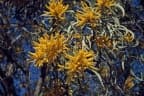
Acacia leptocarpa
Acacia leptocarpa
Family: Fabaceae
Cultivation
Acacia leptocarpa is a plant of coastal and sub-coastal belts, preferring hot humid to sub-humid climatic zones in the tropics and subtropics, where it can be found at elevations up to 550 metres. It grows best in areas where annual daytime temperatures are within the range 22 - 33°c, but can tolerate 10 - 39°c. It prefers a mean annual rainfall in the range 750 - 1,500mm, but tolerates 500 - 1,750mm.
Full cultivation guide →Acacia leptopetala
Acacia leptopetala
Family: Fabaceae
Cultivation
Acacia leptopetala is native to the Mediterranean climate of southwestern Western Australia where it usually does not experience frosts. It is only likely to succeed outdoors in the mildest regions of the temperate zone. Requires a sunny position.
Full cultivation guide →Acacia leucoclada
Acacia leucoclada
Family: Fabaceae
Cultivation
Acacia leucoclada grows in semi-arid to sub-humid areas of the temperate to subtropical zone of eastern Australia where it can be found at elevations up to 780 metres. It grows best in areas where the mean maximum temperature of the hottest months can reach 29 - 34°c, and the mean minimum in the coldest month can fall to 0 - 3°c. The plant can often experience moderate frosts, down to around -5°c for short periods.
Full cultivation guide →Acacia ligulata
Acacia ligulata
Family: Fabaceae
Cultivation
A plant of arid regions in the temperate to subtropical zones and just entering into the tropics of southern and central Australia, where it is found at elevations up to 700 metres. It succeeds in some of the hottest and driest regions of Australia. It grows best in areas where annual daytime temperatures are within the range 18 - 33°c, but can tolerate 8 - 42°c.
Full cultivation guide →Acacia linearifolia
Acacia linearifolia
Family: Fabaceae
Cultivation
Acacia linearifolia is native to the semi-arid to sub-humid regions of the warm temperate zone of eastern Australia, where it can be found at elevations up to 650 metres. It grows best in areas where the mean maximum temperature of the hottest months can reach 21 - 32°c, and the mean minimum in the coldest month can fall to 2 - 3°c. The plant can often experience moderate frosts, down to around -5°c for short periods.
Full cultivation guide →Acacia linifolia
Acacia linifolia
Family: Fabaceae
Cultivation
Acacia linifolia is native to the temperate region of southeastern Australia. Succeeds in a sunny position in a well-drained soil. This species has a symbiotic relationship with certain soil bacteria; these bacteria form nodules on the roots and fix atmospheric nitrogen.
Full cultivation guide →
Acacia longifolia
Acacia longifolia
Family: Fabaceae
Cultivation
Acacia longifolia is found from the temperate zone of Tasmania to as far north as the subtopics of Queensland, with some reports of specimens growing in tropical Queensland and Northern Territories. It is said to be tolerant of occasional frosts down to about -10°c for short periods. It is liable to be cut back to the ground in excessively cold winters, though it can resprout from the base.
Full cultivation guide →Acacia longissima
Acacia longissima
Family: Fabaceae
Cultivation
Acacia longissima is native to the temperate and subtropical zones of eastern Australia, where it just enters into the Tropics. It experiences occasional fosts, at least in the south of its range. Requires a sunny position in a well-drained soil.
Full cultivation guide →Acacia lysiphloia
Acacia lysiphloia
Family: Fabaceae
Cultivation
Acacia lysiphloia is a plant of arid regions in the tropical zone of Australia. Requires a sunny position in a well-drained soil. The seeds of most acacia species can be quickly and efficiently harvested at full maturity without the need for any specialised equipment.
Full cultivation guide →Acacia macdonnellensis
Acacia macdonnellensis
Family: Fabaceae
Cultivation
Acacia macdonnellensis is a plant of arid regions in the subtropical and tropical zones of central Australia, where it is found at elevations up to 1,150 metres. It grows best in areas where annual daytime temperatures are within the range 24 - 33°c, but can tolerate 8 - 42°c. Frosts can occur in much of the plant's range, it is able to survive temperatures down to about -5°c, but young growth is more tender and can be severely damaged at -1°c.
Full cultivation guide →Acacia maconochieana
Acacia maconochieana
Family: Fabaceae
Cultivation
Acacia maconochieana is a plant of the hot, arid zone of northern Australia where it is found at elevations up to 400 metres. The mean daily maximum temperature of the warmest months is 38 - 40°c and the mean daily minimum temperature of the coldest month is 8 - 9°c. Frosts only occur very infrequently and are very light, though in trials plants are said to have withstood temperatures down to about -5°c.
Full cultivation guide →Acacia macradenia
Acacia macradenia
Family: Fabaceae
Cultivation
Acacia macradenia is native to the subtropical and tropical areas of eastern Australia. Requires a sunny position and a well-drained soil. This species has a symbiotic relationship with certain soil bacteria; these bacteria form nodules on the roots and fix atmospheric nitrogen.
Full cultivation guide →Acacia maidenii
Acacia maidenii
Family: Fabaceae
Cultivation
Acacia maidenii is a plant of the moist, warm temperate and subtropical zones of eastern Australia, where it is found at elevations up to 900 metres. It grows best in areas where annual daytime temperatures are within the range 17 - 32°c, but can tolerate 10 - 38°c. When dormant, the plant can survive temperatures down to about -5°c, but young growth is more tender and can be severely damaged at -1°c.
Full cultivation guide →Acacia maitlandii
Acacia maitlandii
Family: Fabaceae
Cultivation
Acacia maitlandii is a plant of arid regions in the subtropical and tropical zones of Australia. Requires a sunny position in a well-drained soil. Plants are found on sandy soils in the wild.
Full cultivation guide →
Acacia mangium
Acacia mangium
Family: Fabaceae
Cultivation
A plant of the warm humid tropics, it is found at elevations up to 800 metres in areas where the mean annual rainfall is in the range of 1,500 - 3,000mm. It can tolerate a mean annual rainfall of 1,000 - 4,500 mm. Although it survives long dry seasons, growth is greatly reduced.
Full cultivation guide →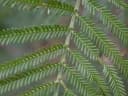
Acacia mearnsii
Acacia mearnsii
Family: Fabaceae
Cultivation
Acacia mearnsii is a plant of warm temperate to subtropical areas, it can also be grown at moderate to high elevations in the tropics. It is found at elevations from 300 - 2,440 metres in areas where the mean annual temperature is in the range 9 - 20°c and the mean annual rainfall is 500 - 2,050 mm. It prefers a moderate climate, exhibiting great intolerance to extreme heat or cold.
Full cultivation guide →Acacia meisneri
Acacia meisneri
Family: Fabaceae
Cultivation
Acacia meisneri is native to the Mediterranean climate of southwestern Western Australia where it experiences a low frequency of frosts. Requires a sunny position. Plants are found in the wild on well-drained, sandy-loam soils with a circumneutral pH.
Full cultivation guide →
Acacia melanoxylon
Acacia melanoxylon
Family: Fabaceae
Cultivation
A plant of the warm temperate to subtropical zones, able to be cultivated at higher elevations in the tropics. It shows a wide ecological adaptability in its native Australia. The mean annual temperature in its range is 6 - 19°c.
Full cultivation guide →Acacia melvillei
Acacia melvillei
Family: Fabaceae
Cultivation
Acacia melvillei has a wide distribution, being found in seven ecoregions but mostly within the Brigalow tropical savannah; Murray-Darling woodlands and mallee; and Southeast Australia temperate savannah ecoregions Requires a sunny position in a well-drained soil. This species is reported to hybridise with Acacia loderi in Victoria. This species is very close to Acacia omalophylla and in Queensland both are known as Yarran.
Full cultivation guide →Acacia microbotrya
Acacia microbotrya
Family: Fabaceae
Cultivation
Acacia microbotrya is native to the Mediterranean climate of southwestern Western Australia, where it can be found at elevations up to 430 metres. It grows best in areas where the mean maximum temperature of the hottest months can reach 27 - 34°c, and the mean minimum in the coldest month can fall to 4 - 8°c. The plant can experience moderate frosts, down to around -5°c for short periods.
Full cultivation guide →Acacia midgleyi
Acacia midgleyi
Family: Fabaceae
Cultivation
This species has a symbiotic relationship with certain soil bacteria; these bacteria form nodules on the roots and fix atmospheric nitrogen. Some of this nitrogen is utilized by the growing plant but some can also be used by other plants growing nearby. Acacia midgelyi is part of the Acacia aulacocarpa group and, prior to the publication by M.
Full cultivation guide →Acacia minyura
Acacia minyura
Family: Fabaceae
Cultivation
Acacia minyura is widely spread but scattered through the arid belt of Australia ranging from warm temperate areas that experience some frosts to more tropical, frost-free areas. Plants have the ability to resprout from the root stock after fire or mechanical damage This species intergrades with Acacia ayersiana and Acacia aneura over much of its range, particularly in the southern part of the Northern Territory. This species has a symbiotic relationship with certain soil bacteria; these bacteria form nodules on the roots and fix atmospheric nitrogen.
Full cultivation guide →Acacia monticola
Acacia monticola
Family: Fabaceae
Cultivation
Acacia monticola is a plant of the arid and semi-arid tropical and subtropical zones of central and northern Australia, where it is found at elevations up to 700 metres. It grows best in areas where annual daytime temperatures are within the range 20 - 32°c, but can tolerate 12 - 42°c. When dormant, the plant can survive temperatures down to about -5°c, but young growth is more tender and can be severely damaged at -1°c.
Full cultivation guide →Acacia mucronata
Acacia mucronata
Family: Fabaceae
Cultivation
Acacia mucronata is a plant of the warm temperate zone in Australia and can be grown outdoors in areas with mild winters and warm to hot summers. It can tolerate occasional frosts with temperatures down to about -10°c for short periods. If it is cut back by frost, then it will often resprout from the base.
Full cultivation guide →Acacia murrayana
Acacia murrayana
Family: Fabaceae
Cultivation
Acacia murrayana is a plant of arid and semi-arid regions in the warm temperate, subtropical and tropical zones of central Australia, where it is found at elevations up to 700 metres. It grows best in areas where annual daytime temperatures are within the range 12 - 34°c, but can tolerate 5 - 42°c. When dormant, selected provenances of the plant can survive temperatures down to about -10°c, but young growth is more tender and can be severely damaged at -1°c.
Full cultivation guide →Acacia neriifolia
Acacia neriifolia
Family: Fabaceae
Cultivation
Acacia neriifolia is a plant of the warm temperate to subtropical zones of eastern Australia, where it is found at elevations up to 1,100 metres. It grows best in areas where annual daytime temperatures are within the range 22 - 32°c, but can tolerate 8 - 39°c. When dormant, the plant can survive temperatures down to about -5°c, but young growth is more tender can be severely damaged at -1°c.
Full cultivation guide →Acacia notabilis
Acacia notabilis
Family: Fabaceae
Cultivation
Acacia notabilis is native to the temperate zone of southeastern Australia where it can experience several frosts a year. Requires a sunny position in a well-drained soil. The seeds of most acacia species can be quickly and efficiently harvested at full maturity without the need for any specialised equipment.
Full cultivation guide →Acacia olgana
Acacia olgana
Family: Fabaceae
Cultivation
Acacia olgana is native to the arid region of central Australia with very hot summers and occasional frosts in the cold season. Requires a sunny position in a well-drained soil. The seeds of most acacia species can be quickly and efficiently harvested at full maturity without the need for any specialised equipment.
Full cultivation guide →Acacia omalophylla
Acacia omalophylla
Family: Fabaceae
Cultivation
Acacia omalophylla is native from the temperate to the subtropica zones of eastern Australia, growing in moist to arid regions. In Queensland it is found in regions where the mean annual rainfall is within the range 500 - 626mm. It the south of its range it can experience several frosts a year.
Full cultivation guide →
Acacia oraria
Acacia oraria
Family: Fabaceae
Cultivation
Acacia oraria is a plant of the warm to hot, humid tropics, where it can be found at elevations up to 700 metres. The mean maximum temperature of the hottest month is 32 - 34°c, dropping to around 14 - 17°c in the coolest month. Frosts are absent, The mean annual rainfall can range from 900 - 2,150mm.
Full cultivation guide →Acacia orites
Acacia orites
Family: Fabaceae
Cultivation
Acacia orites is a tree of the warm humid zone of the warm temperate to subtropical region of eastern Australia where it can be found at elevations up to 1,200 metres. It also grows successfully at higher elevations in tropical regions, but does not succeed at lower elevations. The mean annual temperature is around 13 - 17°c, rising to around 25°c in the summer and falling to 2 - 6°c in the cold season.
Full cultivation guide →Acacia oswaldii
Acacia oswaldii
Family: Fabaceae
Cultivation
Acacia oswaldii is widespread through the temperate, subtropical and tropical zones of Australia, mainly restricted to the 375 - 625mm rainfall zone. It experiences frost in parts of its range. Requires a sunny position and a well-drained soil.
Full cultivation guide →Acacia pachyacra
Acacia pachyacra
Family: Fabaceae
Cultivation
Acacia pachyacra is a plant of the hot, arid and semi-arid, subtropical to tropical zone of central Australia, where it is found at elevations up to 500 metres. It grows best in areas where annual daytime temperatures are within the range 12 - 30°c, but can tolerate 5 - 38°c. When dormant, the plant can survive temperatures down to about -10°c, but young growth is more tender and can be severely damaged at -1°c.
Full cultivation guide →
Acacia pachycarpa
Acacia pachycarpa
Family: Fabaceae
Cultivation
Acacia pachycarpa is a plant of hot and arid regions in the tropics of northwestern Australia, where it is found at elevations up to 300 metres. It grows best in areas where annual daytime temperatures are within the range 25 - 37°c, but can tolerate 10 - 45°c. It is not tolerant ofany but the lightest frosts.
Full cultivation guide →Acacia papyrocarpa
Acacia papyrocarpa
Family: Fabaceae
Cultivation
Acacia papyrocarpa is native to the arid and semi-arid regions of southern and central Australia, where it can experience frost at least in parts of its range. Requires a sunny position in a well-drained soil. The plant has potential for use as a cultivated edible seed crop.
Full cultivation guide →Acacia paradoxa
Acacia paradoxa
Family: Fabaceae
Cultivation
Acacia paradoxa is found in the temperate and subtropical areas of Australia. It is able to withstand occasional and short-lived frosts, tolerating temperatures occasionally falling to between -5 and -10°c so long as the weather is fairly dry. Apart from its sensitivity to cold, this is a very tough plant that stands both wet and drought well, it is lime-tolerant and also withstands salt-laden winds.
Full cultivation guide →Acacia paraneura
Acacia paraneura
Family: Fabaceae
Cultivation
Acacia paraneura is native to the arid and semi-arid zones of central and northern Australia. Requires a sunny position in a well-drained soil. Plants sometimes grow on floodplains and so can experience inundated soils for part of the year.
Full cultivation guide →Acacia pendula
Acacia pendula
Family: Fabaceae
Cultivation
Acacia pendula is a plant of the warm temperate and subtropical zones, just entering into the tropics, and is found at elevations up to 800 metres. It grows best in areas where annual daytime temperatures are within the range 20 - 30°c, but can tolerate 4 - 34°c. When dormant, the plant can survive temperatures down to about -5°c, but young growth is more tender can be severely damaged at 0°c.
Full cultivation guide →Acacia penninervis
Acacia penninervis
Family: Fabaceae
Cultivation
Acacia penninervis is native to the temperate and subtropical climate of eastern Australia where, at least in the south of its range, it experiences frosts. Requires a sunny position in a well-drained soil. The plant can produce flowers all year round.
Full cultivation guide →Acacia peregrinalis
Acacia peregrinalis
Family: Fabaceae
Cultivation
This species has a symbiotic relationship with certain soil bacteria; these bacteria form nodules on the roots and fix atmospheric nitrogen. Some of this nitrogen is utilized by the growing plant but some can also be used by other plants growing nearby. Acacia peregrinalis is part of the Acacia Aulacocarpa group and, prior to the publication by M.
Full cultivation guide →Acacia plectocarpa
Acacia plectocarpa
Family: Fabaceae
Cultivation
Acacia plectocarpa is a plant of the sub-arid to humid regions of the tropical zone in northern Australia, where it is found at elevations up to 300 metres. It grows best in areas where annual daytime temperatures are within the range 22 - 35°c, but can tolerate 12 - 44°c. It does not experience frost in its native range.
Full cultivation guide →Acacia podalyriifolia
Acacia podalyriifolia
Family: Fabaceae
Cultivation
A plant of the warm temperate to subtropical zones, where it is found at elevations up to 700 metres. It grows best in areas where annual daytime temperatures are within the range 18 - 32°c, but can tolerate 10 - 40°c. When dormant, the plant can survive temperatures down to about -5°c, but young growth can be severely damaged at 0°c.
Full cultivation guide →Acacia polybotrya
Acacia polybotrya
Family: Fabaceae
Cultivation
Acacia polybotrya is native to the warm temperate and subtropical regions of eastern Australia, where it can experience frosts, at least in the south of its range. Requires a sunny position and a well-drained soil. This species has a symbiotic relationship with certain soil bacteria; these bacteria form nodules on the roots and fix atmospheric nitrogen.
Full cultivation guide →Acacia polystachya
Acacia polystachya
Family: Fabaceae
Cultivation
Acacia polystachya is a plant of the moist tropical zone of northeastern Australia, where it is found at elevations up to 500 metres. It grows best in areas where annual daytime temperatures are within the range 24 - 32°c, but can tolerate 15 - 38°c. The plant does not experience frost in its native range.
Full cultivation guide →Acacia prainii
Acacia prainii
Family: Fabaceae
Cultivation
Acacia prainii is native to the semi-arid and arid, Mediterranean-type climate of southwestern Western Australia where it experiences a low frequency of frosts. Requires a sunny position. Grows best in a well-drained sandy soil, tolerating clay-loams, and also tolerating some salt in the soil.
Full cultivation guide →Acacia provincialis
Acacia provincialis
Family: Fabaceae
Cultivation
Acacia provincialis is a plant of the temperate zone of southern Australia. In some parts of their range the plants are fairly frost-hardy, though in others they can be damaged by frosts. Requires a sunny position.
Full cultivation guide →Acacia pruinocarpa
Acacia pruinocarpa
Family: Fabaceae
Cultivation
Acacia pruinocarpa is a plant of arid regions in the subtropical and lower tropical zones of central Australia, where it is found at elevations up to 750 metres. It grows best in areas where annual daytime temperatures are within the range 22 - 35°c, but can tolerate 8 - 43°c. When dormant, the plant can survive temperatures down to about -5°c, but young growth is more tender can be severely damaged at -1°c.
Full cultivation guide →Acacia pycnantha
Acacia pycnantha
Family: Fabaceae
Cultivation
A plant of the warm temperate zone, where it is found at elevations up to 800 metres. It grows best in areas where annual daytime temperatures are within the range 20 - 28°c, but can tolerate 5 - 35°c. When dormant, the plant can survive temperatures down to about -2°c, but young growth can be severely damaged at -1°c.
Full cultivation guide →Acacia pyrifolia
Acacia pyrifolia
Family: Fabaceae
Cultivation
Acacia pyrifolia is native to the arid and semi-arid regions of northwestern Australia. Requires a sunny position in a well-drained soil. The seeds of most acacia species can be quickly and efficiently harvested at full maturity without the need for any specialised equipment.
Full cultivation guide →Acacia ramulosa
Acacia ramulosa
Family: Fabaceae
Cultivation
Acacia ramulosa is native to the Mediterranean climate of southwestern Western Australia where it can experience heavy frosts. Requires a sunny position. Requires a well-drained soil, preferring a light to medium texture with a neutral to alkaline pH.
Full cultivation guide →Acacia redolens
Acacia redolens
Family: Fabaceae
Cultivation
Acacia redolens is native to the Mediterranean climate of southwestern Western Australia, where it can be found at elevations up to 200 metres. It grows best in areas where the mean maximum temperature of the hottest months can reach 27 - 28°c, and the mean minimum in the coldest month can fall to 5 - 6°c. The plant can experience occasional moderate frosts, down to around -5°c for short periods.
Full cultivation guide →Acacia retinodes
Acacia retinodes
Family: Fabaceae
Cultivation
Acacia retinodes is native to the warm temperate areas of southern Australia, with disjunct populations in subtropical Queensland. It can be grown outdoors in areas with mild winters and will survive occasional moderate frosts. Prefers a well-drained sandy loam and a very sunny position, but it also stands drought and wet well.
Full cultivation guide →Acacia richii
Acacia richii
Family: Fabaceae
Cultivation
This species has a symbiotic relationship with certain soil bacteria; these bacteria form nodules on the roots and fix atmospheric nitrogen. Some of this nitrogen is utilized by the growing plant but some can also be used by other plants growing nearby.
Full cultivation guide →Acacia rigens
Acacia rigens
Family: Fabaceae
Cultivation
Acacia rigens is native to the southern and central regions of temperate and subtropical Australia, usually in semi-arid areas. Requires a sunny position and a well-drained soil. This species is often confused with Acacia havilandiorum.
Full cultivation guide →Acacia rivalis
Acacia rivalis
Family: Fabaceae
Cultivation
Acacia rivalis is a native to the semi-arid and arid regions of temperate southern Australia, where it can be found at elevations up to 750 metres. It grows best in areas where the mean maximum temperature of the hottest months can reach 30 - 35°c, and the mean minimum in the coldest month can fall to 2 - 5°c. The plant can experience moderate frosts, down to around -5°c for short periods.
Full cultivation guide →Acacia rothii
Acacia rothii
Family: Fabaceae
Cultivation
Acacia rothii is a plant of the moist tropicl zone of northeastern Australia, where it is found at elevations up to 800 metres. It grows best in areas where annual daytime temperatures are within the range 24 - 34°c, but can tolerate 15 - 40°c. It prefers a mean annual rainfall in the range 1,400 - 1,600mm, but tolerates 1,200 - 1,700mm.
Full cultivation guide →Acacia salicina
Acacia salicina
Family: Fabaceae
Cultivation
Acacia salicina is a plant of the warm temperate to the tropical zone, often in semi-arid areas. It can be found at elevations up to 2,000 metres. It grows best in areas where annual daytime temperatures are within the range 24 - 30°c, but can tolerate 6 - 36°c.
Full cultivation guide →
Acacia saligna
Acacia saligna
Family: Fabaceae
Cultivation
Succeeds throughout the lowland tropical, subtropical and warm temperate regions of the world, where it is found naturally at elevations up to 300 metres. In its native habitat, the summer temperature ranges from about 23 - 36°c, winter temperatures from 4 - 9°c. The plant does not withstand frost and grows best where the winter and summer means are between 13° and 30°c respectively.
Full cultivation guide →Acacia scirpifolia
Acacia scirpifolia
Family: Fabaceae
Cultivation
Acacia scirpifolia is native to the Mediterranean climate of southwestern Western Australia where it experiences a low frequency of frosts. Requires a sunny position. Grows best in a well-drained sandy loam, tolerating somewhat heavier soils.
Full cultivation guide →Acacia sclerosperma
Acacia sclerosperma
Family: Fabaceae
Cultivation
Acacia sclerosperma is native to the arid and semi-arid region of western Australia. Requires a sunny position in a well-drained soil. Somewhat tolerant of saline soils.
Full cultivation guide →Acacia sericophylla
Acacia sericophylla
Family: Fabaceae
Cultivation
Acacia sericophylla is widespread across the central arid zone of subtropical and tropical Australia. Requires a sunny position. The plant is well-adapted to grow on infertile sandy soils that are not adapted to conventional food crops.
Full cultivation guide →Acacia shirleyi
Acacia shirleyi
Family: Fabaceae
Cultivation
Acacia shirleyi is a tree of mainly semi-arid regions in the subtropical to tropical zones, where it is found at elevations up to 350 metres. It grows best in areas where annual daytime temperatures are within the range 18 - 36°c, but can tolerate 10 - 43°c. The plant grows in mainly frost-free regions, though it does experience a few light frosts each year in the coolest part of its range.
Full cultivation guide →Acacia silvestris
Acacia silvestris
Family: Fabaceae
Cultivation
Acacia silvestris is a plant of the warm temperate zone, where it is found at elevations up to 1,000 metres. It grows best in areas where annual daytime temperatures are within the range 15 - 25°c, but can tolerate 8 - 33°c. When dormant, the plant can survive temperatures down to about -8°c, but young growth is more tender and can be severely damaged at -1°c.
Full cultivation guide →Acacia simplex
Acacia simplex
Family: Fabaceae
Cultivation
The flowers are fragrant. This species has a symbiotic relationship with certain soil bacteria; these bacteria form nodules on the roots and fix atmospheric nitrogen. Some of this nitrogen is utilized by the growing plant but some can also be used by other plants growing nearby.
Full cultivation guide →Acacia simsii
Acacia simsii
Family: Fabaceae
Cultivation
Acacia simsii is a plant of the moist tropical zone, where it is found at elevations up to 800 metres. It grows best in areas where annual daytime temperatures are within the range 22 - 32°c, but can tolerate 10 - 40°c. Most of the area is frost-free but occasional light frosts are recorded on inland sites at higher elevations.
Full cultivation guide →Acacia stenophylla
Acacia stenophylla
Family: Fabaceae
Cultivation
Acacia stenophylla is a plant of inland arid and sub-arid regions of the warm temperate to tropical zones, growing throughout Australia, where it is found at elevations up to 625 metres. It grows best in areas where annual daytime temperatures are within the range 18 - 32°c, but can tolerate 5 - 42°c. When dormant, the plant can survive temperatures down to about -10°c, but young growth is more tender can be severely damaged at -1°c.
Full cultivation guide →Acacia stipuligera
Acacia stipuligera
Family: Fabaceae
Cultivation
Acacia stipuligera is a plant of the hot, semi-arid and arid zones of tropical northern Australia, where it can be found at elevations up to 525 metres. The summers are very hot, with a mean maximum temperature for the hottest month of 34 - 41°c and a mean minimum temperature for the coolest month of 9 - 12°c. The area is largley frost-free, though very occasional frosts are recorded from higher elevations in the south of its range, with the lowest ever recorded temperature being −4°c.
Full cultivation guide →Acacia subporosa
Acacia subporosa
Family: Fabaceae
Cultivation
Acacia subporosa is native to the temperate zone of coastal southeastern Australia, where it can often experience frosts. Requires a sunny position and a well-drained soil. This species has a symbiotic relationship with certain soil bacteria; these bacteria form nodules on the roots and fix atmospheric nitrogen.
Full cultivation guide →Acacia subrigida
Acacia subrigida
Family: Fabaceae
Cultivation
Acacia subrigida is native to the Mediterranean climate of southwestern Western Australia where it experiences a low frequency of frosts. Requires a sunny position. Requires a well-drained soil.
Full cultivation guide →Acacia synchronicia
Acacia synchronicia
Family: Fabaceae
Cultivation
Acacia synchronicia is native to arid and semi-arid regions of northwestern Australia. Requires a sunny position in a well-drained soil. Found in the wild in loam and clay soils.
Full cultivation guide →Acacia tenuissima
Acacia tenuissima
Family: Fabaceae
Cultivation
Acacia tenuissima is widespread in arid regions of warm temperate and tropical Australia Requires a sunny position in a well-drained soil. The seeds of most acacia species can be quickly and efficiently harvested at full maturity without the need for any specialised equipment. Small seed-bearing branches can be cut and beaten on sheets, or bushes can be beaten or shaken directly onto large sheets.
Full cultivation guide →Acacia tephrina
Acacia tephrina
Family: Fabaceae
Cultivation
Acacia tephrina is a plant of the subtropical to tropical zone of northeastern Australia, where it is found at elevations up to 450 metres. It grows best in areas where annual daytime temperatures are within the range 22 - 38°c, but can tolerate 10 - 43°c. When dormant, the plant can survive temperatures down to about -5°c, but young growth is more tender and can be severely damaged at -1°c.
Full cultivation guide →Acacia tetragonophylla
Acacia tetragonophylla
Family: Fabaceae
Cultivation
Acacia tetragonophylla is a widespread plant of arid and semi-arid regions in central and southern Australia. It is usually found in areas where the mean annual rainfall is within the range 100 - 450mm. The plant also experiences frosts in at least part of its range.
Full cultivation guide →Acacia thomsonii
Acacia thomsonii
Family: Fabaceae
Cultivation
Requires a sunny position. Grows in the wild on soils that are usually skeletal, slightly acidic (pH 5 - 6) and include ferruginous, sandy clay loams, reddish or brown sands or reddish brown stony loams. The plant is well-adapted to grow on infertile sandy soils that are not adapted to conventional food crops, and also to rocky soils with a lateritic hardpan close to the surface.
Full cultivation guide →Acacia torulosa
Acacia torulosa
Family: Fabaceae
Cultivation
Acacia torulosa is a plant of the semi-arid to moist tropical zone of northern Australia, where it is found at elevations up to 350 metres. It grows best in areas where annual daytime temperatures are within the range 22 - 36°c, but can tolerate 12 - 43°c. It is not very frost tolerant.
Full cultivation guide →Acacia trachycarpa
Acacia trachycarpa
Family: Fabaceae
Cultivation
Acacia trachycarpa is a plant of the hot arid and semi-arid tropical zone of northwestern Australia, where it is found at elevations up to 400 metres. It grows best in areas where annual daytime temperatures are within the range 22 - 32°c, but can tolerate 8 - 45°c. When dormant, the plant can survive temperatures down to about -3°c, but young growth is more tender and can be severely damaged at 0°c.
Full cultivation guide →Acacia tumida
Acacia tumida
Family: Fabaceae
Cultivation
Acacia tumida is a plant of the arid to moist tropical zone of northwest Australia, where it is found at elevations up to 500 metres. It grows best in areas where annual daytime temperatures are within the range 22 - 36°c, but can tolerate 12 - 42°c. The plant grows mainly in areas that are frost-free, but can experience very occasional light frosts at higher elevations.
Full cultivation guide →Acacia ulicifolia
Acacia ulicifolia
Family: Fabaceae
Cultivation
Acacia ulicifolia has a very wide distribution, from the temperate regions of eastern Tasmania as far north as the subtropics of Queensland. It can experience frequent frosts in the south of its range. This species has a symbiotic relationship with certain soil bacteria; these bacteria form nodules on the roots and fix atmospheric nitrogen.
Full cultivation guide →Acacia verticillata
Acacia verticillata
Family: Fabaceae
Cultivation
Acacia verticillata is a plant of the warm temerate zone of southeast Australia. It can be grown out of doors in areas with mild winers, being somewhat frost-tolerant and able to tolerate occasional temperatures down to between -5 and -10°c. Prefers a sandy loam and a very sunny position.
Full cultivation guide →
Acacia victoriae
Acacia victoriae
Family: Fabaceae
Cultivation
A plant of the arid and semi-arid warm temperate to tropical areas of Australia, where it is found at elevations up to 750 metres. It grows best in areas where annual daytime temperatures are within the range 12 - 32°c, but can tolerate 5 - 38°c. Mature plants can be killed by temperatures of -10°c or lower, though young growth is more sensitive and can be killed at -1°c.
Full cultivation guide →Acacia xiphophylla
Acacia xiphophylla
Family: Fabaceae
Cultivation
Acacia xiphophylla is a plant of the warm to hot arid zones of subtropical to tropical western Australia, where it is found at elevations up to 1,000 metres. It grows best in areas where annual daytime temperatures are within the range 24 - 36°c, but can tolerate 12 - 45°c. When dormant, the plant can survive temperatures down to about -3°c, but young growth is more tender and can be severely damaged at 0°c.
Full cultivation guide →