Albizia — 54 species
Botanical species in the genus Albizia recorded in the PlantPeers database.

Albizia acle
Albizia acle
Family: Fabaceae
Cultivation
This species has a symbiotic relationship with certain soil bacteria; these bacteria form nodules on the roots and fix atmospheric nitrogen. Some of this nitrogen is utilized by the growing plant but some can also be used by other plants growing nearby.
Full cultivation guide →
Albizia adianthifolia
Albizia adianthifolia
Family: Fabaceae
Cultivation
Albizia adianthifolia is found in a wide range of environments in tropical Africa, succeeding in wet woodlands right through to wooded savannah. It can be found at elevations up to 2,000 metres. It grows best in areas where annual daytime temperatures are within the range 22 - 28°c, but can tolerate 15 - 34°c.
Full cultivation guide →
Albizia adinocephala
Albizia adinocephala
Family: Fabaceae
Cultivation
A plant of the lowland tropics where it is usually found at elevations below 100 metres, but occasionally ascends to 1,500 metres. It is found in areas where the mean annual rainfall is within the range 600 - 2,400mm, and can survive a dry seasons of up to 7 months. Plants can flower and fruit almost all year round.
Full cultivation guide →Albizia altissima
Albizia altissima
Family: Fabaceae
Cultivation
This species has a symbiotic relationship with certain soil bacteria, these bacteria form nodules on the roots and fix atmospheric nitrogen. Some of this nitrogen is utilized by the growing plant but some can also be used by other plants growing nearby.
Full cultivation guide →
Albizia amara
Albizia amara
Family: Fabaceae
Cultivation
A plant of semi-arid, tropical and subtropical areas, where it is found at elevations from 400 - 1,500 metres. It grows best in areas where annual daytime temperatures are within the range 15 - 40°c, but can tolerate 10 - 50°c. It prefers a mean annual rainfall in the range 400 - 1,000mm, but tolerates 250 - 1,200mm.
Full cultivation guide →
Albizia anthelmintica
Albizia anthelmintica
Family: Fabaceae
Cultivation
A plant of semi-arid areas of Africa, it is found growing at an elevation of 400 - 1,500 metres. It succeeds in areas with a mean annual temperature up to 40°c and a mean annual rainfall in the range 400 - 1,000mm. Prefers clayey soils but is also known to perform well in deep, loose red sand soils.
Full cultivation guide →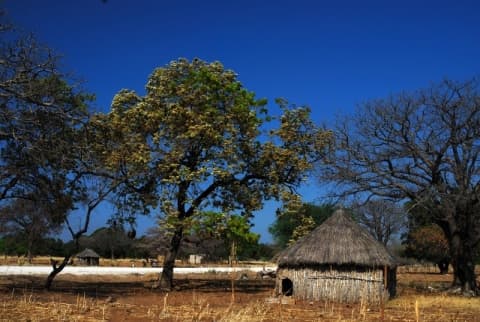
Albizia antunesiana
Albizia antunesiana
Family: Fabaceae
Cultivation
Prefers a sunny position and a loamy soil. Trees can be coppiced and pollarded. This species has a symbiotic relationship with certain soil bacteria; these bacteria form nodules on the roots and fix atmospheric nitrogen.
Full cultivation guide →

Albizia bernieri
Albizia bernieri
Family: Fabaceae
Cultivation
Found on all soil types, but mainly in moist locations, such as clayey depressions and river banks.
Full cultivation guide →

Albizia carbonaria
Albizia carbonaria
Family: Fabaceae
Cultivation
A plant of low to moderate elevations in the tropics, where it is usually found at elevations from 50 - 1,250 metres, with reports of specimens up to 1,800 metres. It is found in areas where the mean annual rainfall is within the range 1,600 - 1,700mm. Prefers a well-drained soil and is tolerant of shallow, acidic soils.
Full cultivation guide →
Albizia chevalieri
Albizia chevalieri
Family: Fabaceae
Cultivation
A plant of the semi-arid tropics, where it is found at elevations up to 1,000 metres. It grows best in areas where annual daytime temperatures are within the range 24 - 30°c, but can tolerate 18 - 35°c. It prefers a mean annual rainfall in the range 600 - 900mm, but tolerates 500 - 1,000mm.
Full cultivation guide →
Albizia chinensis
Albizia chinensis
Family: Fabaceae
Cultivation
A plant of low to moderate elevations in humid tropical and subtropical monsoon climates. It is found at elevations up to 1,800 metres. It grows best in areas where annual daytime temperatures are within the range 22 - 32°c, but can tolerate 15 - 45°c.
Full cultivation guide →Albizia coriaria
Albizia coriaria
Family: Fabaceae
Cultivation
A slow-growing tree. The tree responds well to coppicing and pollarding. This species has a symbiotic relationship with certain soil bacteria, these bacteria form nodules on the roots and fix atmospheric nitrogen.
Full cultivation guide →Albizia duckeana
Albizia duckeana
Family: Fabaceae
Cultivation
The bark smells of garlic when cut. This species has a symbiotic relationship with certain soil bacteria, these bacteria form nodules on the roots and fix atmospheric nitrogen. Some of this nitrogen is utilized by the growing plant but some can also be used by other plants growing nearby.
Full cultivation guide →
Albizia ferruginea
Albizia ferruginea
Family: Fabaceae
Cultivation
The plant, even as a seedling, demands a sunny position. In exposed sites, seedlings may grow up to 3 metres tall in 5 years. In Ghana seedlings reached a height of 2 metres within 2 years.
Full cultivation guide →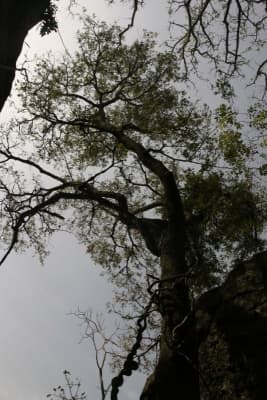
Albizia glaberrima
Albizia glaberrima
Family: Fabaceae
Cultivation
Requires a sunny position, even when small. A slow-growing tree. Trees can be coppiced and pollarded.
Full cultivation guide →Albizia grandibracteata
Albizia grandibracteata
Family: Fabaceae
Cultivation
This species has a symbiotic relationship with certain soil bacteria, these bacteria form nodules on the roots and fix atmospheric nitrogen. Some of this nitrogen is utilized by the growing plant but some can also be used by other plants growing nearby.
Full cultivation guide →

Albizia guachapele
Albizia guachapele
Family: Fabaceae
Cultivation
A plant of low to high elevations in the tropics, usually found below 500 metres, but up to 3,000 metres in Colombia. It requires a mean annual rainfall within the range 600 - 2,400mm, usually growing in areas with a dry season of up to 7 months. Requires a sunny position, though young seedlings can tolerate some shade for their first two years.
Full cultivation guide →Albizia gummifera
Albizia gummifera
Family: Fabaceae
Cultivation
Mature plants can tolerate some frost. Requires some shelter because the trees can be damaged by strong winds. Trees are capable of growing rapidly.
Full cultivation guide →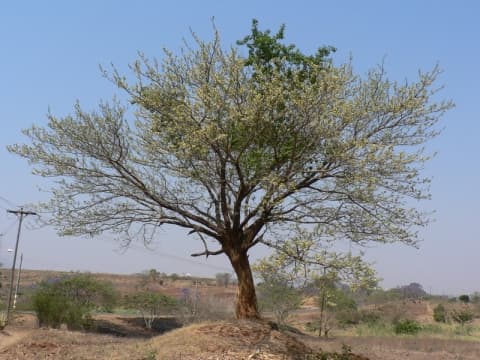
Albizia harveyi
Albizia harveyi
Family: Fabaceae
Cultivation
A plant of the tropics, where it is found at elevations up to 2,130 metres. It grows best in areas where annual daytime temperatures are within the range 18 - 28°c, but can tolerate 15 - 30°c. It prefers a mean annual rainfall in the range 900 - 1,800mm, but tolerates 400 - 2,000mm.
Full cultivation guide →
Albizia inundata
Albizia inundata
Family: Fabaceae
Cultivation
Grows best in a sunny position. Usually found in clay soils in the wild. Tolerant of seasonally inundated soils.
Full cultivation guide →
Albizia julibrissin
Albizia julibrissin
Family: Fabaceae
Cultivation
Albizia julibrissin prefers a continental climate with hot summers to ripen its wood, cold winters and usually a clear movement from one season to another. In such conditions a dormant plant can tolerate temperatures down to at least -20°c, but in more maritime climates with their cooler summers the tree is likely to be hardy only to -10°c. In maritime climates the plant is often tempted to come into growth early and this new growth is not cold tolerant and can easily be damaged by late spring frosts.
Full cultivation guide →
Albizia lebbeck
Albizia lebbeck
Family: Fabaceae
Cultivation
Although siris will grow in the humid tropics, its natural range is in semi-arid to sub-humid areas of the tropics and subtropics that have marked dry and reliable wet seasons. However, it may be established under conditions of low (400 mm/year) and irregular rainfall. Plants can succeed at elevations from sea level to 1,800 metres in areas where annual daytime temperatures are within the range 26 - 36°c, but can tolerate 12 - 48°c.
Full cultivation guide →Albizia lebbekoides
Albizia lebbekoides
Family: Fabaceae
Cultivation
Grows in the wild in both red volcanic soils and limestone. This species has a symbiotic relationship with certain soil bacteria; these bacteria form nodules on the roots and fix atmospheric nitrogen. Some of this nitrogen is utilized by the growing plant but some can also be used by other plants growing nearby.
Full cultivation guide →Albizia lucidior
Albizia lucidior
Family: Fabaceae
Cultivation
A plant of the tropics, where it is found at elevations up to 700 metres. It grows best in areas where annual daytime temperatures are within the range 20 - 34°c, but can tolerate 6 - 42°c. It prefers a mean annual rainfall in the range 2,000 - 2,400mm, but tolerates 1,100 - 5,000mm.
Full cultivation guide →Albizia malacophylla
Albizia malacophylla
Family: Fabaceae
Cultivation
This species has a symbiotic relationship with certain soil bacteria, these bacteria form nodules on the roots and fix atmospheric nitrogen. Some of this nitrogen is utilized by the growing plant but some can also be used by other plants growing nearby.
Full cultivation guide →
Albizia niopoides
Albizia niopoides
Family: Fabaceae
Cultivation
A plant of the lowland tropics where it can be found at elevations up to 1,000 metres. It grows best in areas where the mean annual rainfall is within the range 500 - 2,500mm. It is usually found in areas with a pronounced dry season of 4 - 7 months.
Full cultivation guide →
Albizia odoratissima
Albizia odoratissima
Family: Fabaceae
Cultivation
Black siris can be grown in the tropics and subtropics at elevations from sea level to 1,500 metres, where it tolerates a wide range of temperatures and rainfall. It grows best in areas where the mean annual temperature is in the range 22 - 33°c, though in its natural range the maximum shade temperature varies from 37 - 50°c and the minimum from 0 - 15°c. It prefers a mean annual rainfall between 650 - 3,000 mm and normally experiences a 4 - 5 month dry season.
Full cultivation guide →
Albizia pedicellaris
Albizia pedicellaris
Family: Fabaceae
Cultivation
Succeeds in full sun to moderate shade. Grows best in moist soils of good fertility. Young plants are fast-growing.
Full cultivation guide →Albizia pedicellata
Albizia pedicellata
Family: Fabaceae
Cultivation
The tree is usually found in the wild on alluvial sites with sandy soils.
Full cultivation guide →
Albizia polycephala
Albizia polycephala
Family: Fabaceae
Cultivation
Grows best in a sunny position. Plants have a moderate rate of growth.
Full cultivation guide →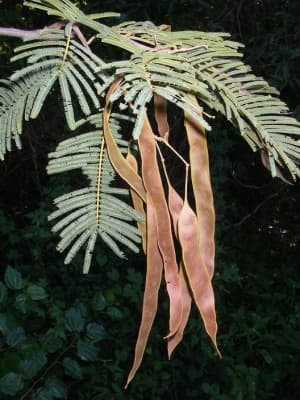
Albizia procera
Albizia procera
Family: Fabaceae
Cultivation
Succeeds in tropical, subtropical and warm temperate zones at elevations from sea level to around 1,500 metres. It tolerates areas with a mean annual temperature ranging from a minimum of 1 - 18 up to 37 - 46°c and a mean annual rainfall of 100 - 5,000 mm. Plants are susceptible to frost.
Full cultivation guide →
Albizia retusa
Albizia retusa
Family: Fabaceae
Cultivation
This species has a symbiotic relationship with certain soil bacteria; these bacteria form nodules on the roots and fix atmospheric nitrogen. Some of this nitrogen is utilized by the growing plant but some can also be used by other plants growing nearby.
Full cultivation guide →Albizia saponaria
Albizia saponaria
Family: Fabaceae
Cultivation
This species has a symbiotic relationship with certain soil bacteria, these bacteria form nodules on the roots and fix atmospheric nitrogen. Some of this nitrogen is utilized by the growing plant but some can also be used by other plants growing nearby.
Full cultivation guide →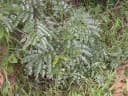
Albizia schimperiana
Albizia schimperiana
Family: Fabaceae
Cultivation
A plant of the tropics, where it can be found at elevations from 900 - 2,600 metres. In Tanzania it grows in regions with a mean annual temperature in the range 14 - 20°c, and an annual rainfall of at least 1000mm. A slow-growing tree.
Full cultivation guide →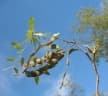

Albizia versicolor
Albizia versicolor
Family: Fabaceae
Cultivation
Prefers well-drained soils with a high water table. The growth rate of trees is moderate. Trees can be coppiced and pollarded.
Full cultivation guide →Albizia welwitschii
Albizia welwitschii
Family: Fabaceae
Cultivation
This species has a symbiotic relationship with certain soil bacteria, these bacteria form nodules on the roots and fix atmospheric nitrogen. Some of this nitrogen is utilized by the growing plant but some can also be used by other plants growing nearby.
Full cultivation guide →
Albizia zygia
Albizia zygia
Family: Fabaceae
Cultivation
A plant of the lowland moister tropics, succeeding at elevations from sea level up to 1,400 metres. It grows in areas where the mean annual temperature is in the region of 26°c and the mean annual rainfall is around 2,732 mm. Prefers well drained loamy or clayey soils and a position in full sun.
Full cultivation guide →