Rubus — 187 species
Botanical species in the genus Rubus recorded in the PlantPeers database.

Rubus species
Rubus species
Family: Rosaceae
Cultivation
Easily grown in a good well-drained loamy soil. Succeeds in acid and calcareous soils. Succeeds in sun or semi-shade, though it fruits less well in the shade.
Full cultivation guide →Rubus aboriginum
Rubus aboriginum
Family: Rosaceae
Cultivation
This species is not hardy in the colder areas of the temperate zone, it tolerates temperatures down to between -5 and -10°c. Easily grown in a good well-drained loamy soil in sun or semi-shade. Plants in this genus are notably susceptible to honey fungus.
Full cultivation guide →Rubus acuminatus
Rubus acuminatus
Family: Rosaceae
Cultivation
Rubus acuminatus is found at moderate elevations in the Himalayas where it experiences frost and snow. It has proved to be hardy growing outdoors in southern England (hardyness zone 7). Species in this genus are generally easily grown in a good well-drained loamy soil in sun or semi-shade.
Full cultivation guide →Rubus adenophorus
Rubus adenophorus
Family: Rosaceae
Cultivation
Easily grown in a good well-drained loamy soil in sun or semi-shade. This species is a type of raspberry. Plants in this genus are notably susceptible to honey fungus.
Full cultivation guide →Rubus adenothallus
Rubus adenothallus
Family: Rosaceae
Cultivation
Species in this genus are generally easily grown in a good well-drained loamy soil in sun or semi-shade. Plants in this genus are notably susceptible to honey fungus.
Full cultivation guide →Rubus adenotrichus
Rubus adenotrichus
Family: Rosaceae
Cultivation
A species for subtropical areas or higher elevations in tropical areas. Easily grown in a good well-drained loamy soil in sun or semi-shade. The fruit is inferior to Rubus glauca but the plant is heavier yielding and more tolerant of different conditions, it has potential for improvement.
Full cultivation guide →
Rubus alceifolius
Rubus alceifolius
Family: Rosaceae
Cultivation
In the north of its range, Rubus alceifolius grows in the warm temperate zone of central southern China (hardiness zone 8), where winters are mild but the plant experiences frosts. It is being grown outdoors in southern England (hardiness zone 7 - 8), where it is fruiting. Grows best in a sunny position, though older plants can tolerate considerable shade.
Full cultivation guide →Rubus alexeterius
Rubus alexeterius
Family: Rosaceae
Cultivation
Species in this genus are generally easily grown in a good well-drained loamy soil in sun or semi-shade.
Full cultivation guide →Rubus allegheniensis
Rubus allegheniensis
Family: Rosaceae
Cultivation
Easily grown in a good well-drained loamy soil in sun or semi-shade. Often cultivated for its edible fruits in America, and sometimes in Europe, it is the parent of many named varieties. Plants in this genus are notably susceptible to honey fungus.
Full cultivation guide →Rubus alpestris
Rubus alpestris
Family: Rosaceae
Cultivation
Species in this genus are generally easily grown in a good well-drained loamy soil in sun or semi-shade.
Full cultivation guide →Rubus alumnus
Rubus alumnus
Family: Rosaceae
Cultivation
Easily grown in a good well-drained loamy soil in sun or semi-shade. His species possibly originated as a hybrid of Rubus argutus Link × Rubus procumbens Mühl. Plants in this genus are notably susceptible to honey fungus.
Full cultivation guide →Rubus amabilis
Rubus amabilis
Family: Rosaceae
Cultivation
Rubus amabilis is hardy to about -20°c. Easily grown in a good well-drained loamy soil in sun or semi-shade. Prefers a humus-rich soil.
Full cultivation guide →
Rubus apetalus
Rubus apetalus
Family: Rosaceae
Cultivation
A plant of higher elevations in the tropics. Species in this genus are generally easily grown in a good well-drained loamy soil in sun or semi-shade.
Full cultivation guide →Rubus archboldianus
Rubus archboldianus
Family: Rosaceae
Cultivation
Species in this genus are generally easily grown in a good well-drained loamy soil in sun or semi-shade.
Full cultivation guide →Rubus arcticus
Rubus arcticus
Family: Rosaceae
Cultivation
Rubus arcticus is a very cold tolerate plant, growing at high latitudes in the northern hemisphere. It can also be grown in milder regions of the temperate zone though, unfortunately, the fruit will often not be produced very prolifically in such a situation. Easily grown in a good well-drained loamy soil in a sunny position.
Full cultivation guide →Rubus arcticus acaulis
Rubus arcticus acaulis
Family: Rosaceae
Cultivation
. Easily grown in a good well-drained loamy soil in sun or semi-shade.
Full cultivation guide →Rubus arcticus stellatus
Rubus arcticus stellatus
Family: Rosaceae
Cultivation
Easily grown in a good well-drained loamy soil in sun or semi-shade. This plant is smaller than Rubus arcticus and has smaller fruits.
Full cultivation guide →Rubus argutus
Rubus argutus
Family: Rosaceae
Cultivation
Rubus argutus grows best in a warm temperate climate with mild winters and no distinct dry season. It is tolerant of continental climates with hot summers and cold winters and also of more tropical climates, so long as there is rainfall all year round. It can tolerate moderate frosts, with some provenances of the plant perhaps surviving occasional falls to as low as -25°c for short periods.
Full cultivation guide →Rubus armeniacus
Rubus armeniacus
Family: Rosaceae
Cultivation
Rubus armeniacus is a plant of temperate environments, from coastal estuaries to inland upland sites as high as 1,800 metres above sea level. It occurs mainly in areas with an average annual rainfall greater than 760mm, at altitudes from near sea level up to 1,800 metres. It is restricted to temperate and continental climates.
Full cultivation guide →Rubus australis
Rubus australis
Family: Rosaceae
Cultivation
Rubus australis tolerates light frosts and succeeds outdoors in the milder regions of the temperate zone. Easily grown in a good well-drained but moist loamy soil in sun or semi-shade. The flowers have a sweet perfume.
Full cultivation guide →Rubus baileyanus
Rubus baileyanus
Family: Rosaceae
Cultivation
Easily grown in a good well-drained loamy soil in sun or semi-shade. Plants in this genus are notably susceptible to honey fungus. The plant tends to have a trailing habit, though sometimes the stems are ascending.
Full cultivation guide →Rubus bambusarum
Rubus bambusarum
Family: Rosaceae
Cultivation
Succeeds in an average, medium moisture, well-drained soil in full sun to part shade. The plant has good shade tolerance. Notable for its elegant and rapid growth, when trained up a pillar or similar support, its slender branches arch outwards in all directions with growths 3 - 3.6 metres long being made in a single season.
Full cultivation guide →Rubus bartonianus
Rubus bartonianus
Family: Rosaceae
Cultivation
Species in this genus are generally easily grown in a good well-drained loamy soil in sun or semi-shade. Plants in this genus are notably susceptible to honey fungus.
Full cultivation guide →Rubus bellobatus
Rubus bellobatus
Family: Rosaceae
Cultivation
Easily grown in a good well-drained loamy soil in sun or semi-shade. This species is a blackberry with biennial stems, it produces a number of new stems each year from the perennial rootstock, these stems fruit in their second year and then die. A parent of many cultivated forms of blackberry in N.
Full cultivation guide →Rubus biflorus
Rubus biflorus
Family: Rosaceae
Cultivation
Rubus biflorus is hardy to about -15°c. Another report suggests that the plant will only succeed outdoors in the mildest parts of the country. Easily grown in a good well-drained loamy soil in sun or semi-shade.
Full cultivation guide →Rubus bifrons
Rubus bifrons
Family: Rosaceae
Cultivation
Easily grown in a good well-drained loamy soil in sun or semi-shade. According to the Flora Europaea this species is native to Britain, but it is not in The Flora of the British Isles. The plant produces apomictic flowers, these produce fruit and viable seed without fertilization, each seedling is a genetic copy of the parent.
Full cultivation guide →Rubus bloxamii
Rubus bloxamii
Family: Rosaceae
Cultivation
Easily grown in a good well-drained loamy soil in sun or semi-shade. According to the Flora Europaea this species is native to Britain, but it is not in The Flora of the British Isles. This species is very closely related to Rubus pallidus.
Full cultivation guide →
Rubus brasiliensis
Rubus brasiliensis
Family: Rosaceae
Cultivation
A plant of moderate elevations in the subtropics to tropics, being found at elevations from 700 - 1,600 metres in the tropics. Requires a position in full sun or bright shade. Succeeds in most soils.
Full cultivation guide →Rubus buergeri
Rubus buergeri
Family: Rosaceae
Cultivation
Easily grown in a good well-drained loamy soil in sun or semi-shade. Plants in this genus are notably susceptible to honey fungus.
Full cultivation guide →Rubus caesius
Rubus caesius
Family: Rosaceae
Cultivation
Easily grown in a good well-drained loamy soil in sun or semi-shade. Succeeds on chalky soils. Rubus caesius hybridizes with the true blackberries, and in that way numerous minor species have arisen of intermediate character.
Full cultivation guide →
Rubus calycinus
Rubus calycinus
Family: Rosaceae
Cultivation
Easily grown in a good well-drained loamy soil in sun or semi-shade.
Full cultivation guide →Rubus canadensis
Rubus canadensis
Family: Rosaceae
Cultivation
Easily grown in a good well-drained loamy soil in sun or semi-shade. Dislikes shady sites. The stems are free from prickles.
Full cultivation guide →Rubus caucasicus
Rubus caucasicus
Family: Rosaceae
Cultivation
Species in this genus are generally easily grown in a good well-drained loamy soil in sun or semi-shade. Plants in this genus are notably susceptible to honey fungus.
Full cultivation guide →Rubus chamaemorus
Rubus chamaemorus
Family: Rosaceae
Cultivation
Easily grown in a good well-drained loamy soil in sun or semi-shade. Avoids calcareous soils in the wild and is often found in boggy soils. Considered to be a gourmet fruit, it is occasionally sold in speciality stores.
Full cultivation guide →Rubus chingii
Rubus chingii
Family: Rosaceae
Cultivation
Species in this genus are generally easily grown in a good well-drained loamy soil in sun or semi-shade. Plants in this genus are notably susceptible to honey fungus.
Full cultivation guide →Rubus chroosepalus
Rubus chroosepalus
Family: Rosaceae
Cultivation
Rubus chroosepalus is a plant of warm temperate to subtropical or even tropical regions of China and Vietnam. Easily grown in a good well-drained loamy soil in sun or semi-shade. Plants in this genus are notably susceptible to honey fungus.
Full cultivation guide →Rubus chrysophyllus
Rubus chrysophyllus
Family: Rosaceae
Cultivation
Species in this genus are generally easily grown in a good well-drained loamy soil in sun or semi-shade. Some plants from Java only produce female flowers.
Full cultivation guide →Rubus cissoides
Rubus cissoides
Family: Rosaceae
Cultivation
Rubus cissoides is not very hardy outside the milder regions of the temperate zone - it can succeed outdoors in the mildest areas of Britain, for example, but even there can require the protection of a warm sunny wall. Succeeds in most fertile soils. Easily grown in a good well-drained loamy soil in a sunny position.
Full cultivation guide →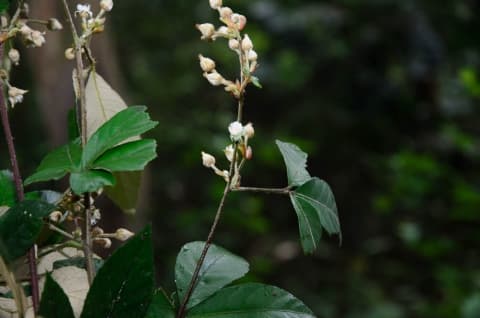
Rubus cochinchinensis
Rubus cochinchinensis
Family: Rosaceae
Cultivation
Species in this genus are generally easily grown in a good well-drained loamy soil in sun or semi-shade.
Full cultivation guide →Rubus cockburnianus
Rubus cockburnianus
Family: Rosaceae
Cultivation
Rubus cockburnianus is hardy to at least -15°c. Easily grown in a good well-drained loamy soil in sun or semi-shade. Plants in this genus are notably susceptible to honey fungus.
Full cultivation guide →Rubus copelandii
Rubus copelandii
Family: Rosaceae
Cultivation
Species in this genus are generally easily grown in a good well-drained loamy soil in sun or semi-shade.
Full cultivation guide →Rubus corchorifolius
Rubus corchorifolius
Family: Rosaceae
Cultivation
Easily grown in a good well-drained loamy soil in sun or semi-shade. An aggressive plant, it spreads vigorously but may be of value in the wild garden. Succeeds in a woodland garden.
Full cultivation guide →Rubus coreanus
Rubus coreanus
Family: Rosaceae
Cultivation
Easily grown in a good well-drained loamy soil in sun or semi-shade. Plants are occasionally cultivated for their edible fruit in Japan. Plants in this genus are notably susceptible to honey fungus.
Full cultivation guide →Rubus crataegifolius
Rubus crataegifolius
Family: Rosaceae
Cultivation
Easily grown in a good well-drained loamy soil in sun or semi-shade. Occasionally cultivated for its edible fruit, there is at least one named variety. 'Jingu Jengal' is a high-yielding selection from Korea with larger fruits, up to 2g in weight.
Full cultivation guide →Rubus croceacanthus
Rubus croceacanthus
Family: Rosaceae
Cultivation
Rubus croceacanthus grows from near sea level to elevations in excess of 3,500 metres from the warm temperate zone of southern China and Japan, south to the more tropical regions of southeastern Asia. It is unlikely to succeed outdoors in areas of the temperate zone with very cold winters. Species in this genus are generally easily grown in a good well-drained loamy soil in sun or semi-shade.
Full cultivation guide →Rubus cuneifolius
Rubus cuneifolius
Family: Rosaceae
Cultivation
Easily grown in a good well-drained loamy soil in sun or semi-shade. The plant produces apomictic flowers, these produce fruit and viable seed without fertilization, each seedling is a genetic copy of the parent. This species is valued in southern USA for its late ripening fruits with small pyrenes.
Full cultivation guide →Rubus deliciosus
Rubus deliciosus
Family: Rosaceae
Cultivation
Rubus deliciosus is hardy to about -20°c. Easily grown in a good well-drained loamy soil in a sunny position. A very ornamental plant.
Full cultivation guide →Rubus doyonensis
Rubus doyonensis
Family: Rosaceae
Cultivation
Rubus doyonensis is native to the warm temperate regions of southern China where if can be found in hardiness zones 8 - 9. Species in this genus are generally easily grown in a good well-drained loamy soil in sun or semi-shade.
Full cultivation guide →Rubus elegantispinosus
Rubus elegantispinosus
Family: Rosaceae
Cultivation
Species in this genus are generally easily grown in a good well-drained loamy soil in sun or semi-shade. According to Edees & Newton not native to Great Britain, but naturalized and 'evidently of horticultural origin'. This species is one of the many micro-species of blackberry, and is cultivated in parts of western and central Europe.
Full cultivation guide →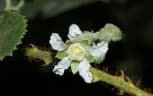
Rubus ellipticus
Rubus ellipticus
Family: Rosaceae
Cultivation
Rubus ellipticus is able to tolerate a variety of habitats from the warm temperate zone, where it experiences frosts, to tropical areas, where it is often found at higher elevations. Although found typically in sparsely colonized low rainfall sites in its native South and East Asia, it is also widely distributed through a variety of moisture habitats ranging from dry mountain slopes to the margins of lower and mid-elevation rice fields, whilst the var. obcordatus grows vigorously in wet lowland sites along pond banks, as well as in heavily forested to drier montane habitats at 1,000 - 2,500 metres up to 3,000 metres. In Hawaii, the only place to which it has been introduced where it has been recognized as a noxious weed, it occurs at about 1,300 metres elevation with an annual rainfall of 400mm.
Full cultivation guide →Rubus eriocarpus
Rubus eriocarpus
Family: Rosaceae
Cultivation
Species in this genus are generally easily grown in a good well-drained loamy soil in sun or semi-shade.
Full cultivation guide →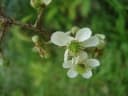
Rubus erythrocladus
Rubus erythrocladus
Family: Rosaceae
Cultivation
A plant of moderate elevations in the tropics and subtropics. Species in this genus are generally easily grown in a good well-drained loamy soil in sun or semi-shade.
Full cultivation guide →Rubus feddei
Rubus feddei
Family: Rosaceae
Cultivation
Rubus feddei is native to the warm temperate and subtropical zones of southern China and Vietnam. Species in this genus are generally easily grown in a good well-drained loamy soil in sun or semi-shade.
Full cultivation guide →Rubus flagellaris
Rubus flagellaris
Family: Rosaceae
Cultivation
Easily grown in a good well-drained loamy soil in sun or semi-shade. This species is sometimes cultivated for its edible fruit - there are some named varieties. The plant produces apomictic flowers, these produce fruit and viable seed without fertilization, each seedling is a genetic copy of the parent.
Full cultivation guide →Rubus flagelliflorus
Rubus flagelliflorus
Family: Rosaceae
Cultivation
Rubus flagelliflorus is found in the warmer regions of the temperate zone and into the subtropics of central and southern China. It can tolerate occasional, short-lived temperatures falling to around -10°c. Easily grown in a good well-drained loamy soil in sun or semi-shade.
Full cultivation guide →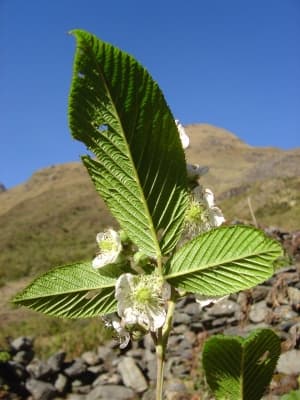
Rubus floribundus
Rubus floribundus
Family: Rosaceae
Cultivation
A plant of higher elevations in the tropics. Species in this genus are generally easily grown in a good well-drained loamy soil in sun or semi-shade.
Full cultivation guide →Rubus flosculosus
Rubus flosculosus
Family: Rosaceae
Cultivation
Easily grown in a good well-drained loamy soil in sun or semi-shade. Plants in this genus are notably susceptible to honey fungus.
Full cultivation guide →Rubus fockeanus
Rubus fockeanus
Family: Rosaceae
Cultivation
Easily grown in a good well-drained loamy soil in sun or semi-shade. Prefers a sheltered semi-shady position. Unlike most Rubus species, this is a slow-growing plant, forming a slowly-spreading mat of growth.
Full cultivation guide →
Rubus fraxinifolius
Rubus fraxinifolius
Family: Rosaceae
Cultivation
Species in this genus are generally easily grown in a good well-drained loamy soil in sun or semi-shade.
Full cultivation guide →Rubus frondosus
Rubus frondosus
Family: Rosaceae
Cultivation
Easily grown in a good well-drained loamy soil in sun or semi-shade. This species has been cultivated in the USA since the late 19th century and is a parent of several cultivars - a crossing with Rubus allegheniensis led to the successful blackberry cultivar 'Lawton' (Lawton blackberry), whilst other cultivars have been produced by crossings with Rubus pergratus. The plant produces apomictic flowers, these produce fruit and viable seed without fertilization, each seedling is a genetic copy of the parent.
Full cultivation guide →Rubus geoides
Rubus geoides
Family: Rosaceae
Cultivation
Rubus geoides grows in the southern half of Chile, where it can be found at elevations from near sea level to around 2,000 metres. It succeeds in somewhat dry areas where there is a summer dry season of around 3 - 5 months and the mean annual precipitation is around 400 - 800mm, falling mainly in the winter. It is also found in moister regions where the rain can fall all year round.
Full cultivation guide →Rubus glandicaulis
Rubus glandicaulis
Family: Rosaceae
Cultivation
Species in this genus are generally easily grown in a good well-drained loamy soil in sun or semi-shade. Plants in this genus are notably susceptible to honey fungus.
Full cultivation guide →Rubus glaucifolius
Rubus glaucifolius
Family: Rosaceae
Cultivation
Species in this genus are generally easily grown in a good well-drained loamy soil in sun or semi-shade. Plants in this genus are notably susceptible to honey fungus.
Full cultivation guide →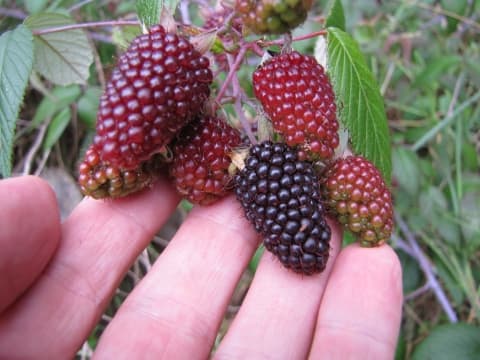
Rubus glaucus
Rubus glaucus
Family: Rosaceae
Cultivation
Plants can be grown in warm temperate to subtropical climates, and at higher elevations in the tropics in regions with a well-distributed, medium rainfall. They can tolerate occasional, short-lived temperatures down to between -5 and -10°c. Easily grown in a good well-drained loamy soil in sun or semi-shade.
Full cultivation guide →Rubus grabowskii
Rubus grabowskii
Family: Rosaceae
Cultivation
Easily grown in a good well-drained loamy soil in sun or semi-shade. Very closely related to Rubus candicans. Plants always produce semi-infertile fruits.
Full cultivation guide →Rubus grayanus
Rubus grayanus
Family: Rosaceae
Cultivation
Rubus grayanus is native to the warm temperate and subtropical regions of southern China and southern Japan, it does not grow well in regions with long or cold winters. Species in this genus are generally easily grown in a good well-drained loamy soil in sun or semi-shade. Plants in this genus are notably susceptible to honey fungus.
Full cultivation guide →Rubus gunnianus
Rubus gunnianus
Family: Rosaceae
Cultivation
Rubus gunnianus is native to mountainous areas of Tasmania where it can experience moderately cold winters and snow. Species in this genus are generally easily grown in a good well-drained loamy soil in sun or semi-shade. One report (in a plant catalogue) suggests that the plant is dioecious, in which case both male and female plants would need to be grown if fruit was required.
Full cultivation guide →Rubus hastifolius
Rubus hastifolius
Family: Rosaceae
Cultivation
Species in this genus are generally easily grown in a good well-drained loamy soil in sun or semi-shade. Plants in this genus are notably susceptible to honey fungus.
Full cultivation guide →Rubus hastiformis
Rubus hastiformis
Family: Rosaceae
Cultivation
Species in this genus are generally easily grown in a good well-drained loamy soil in sun or semi-shade. Plants in this genus are notably susceptible to honey fungus.
Full cultivation guide →Rubus henryi
Rubus henryi
Family: Rosaceae
Cultivation
Easily grown in a good well-drained loamy soil in sun or semi-shade, preferring light shade. Requires a fertile humus-rich soil. Prefers a neutral to acid soil but tolerates some alkalinity so long as the soil does not become dry.
Full cultivation guide →Rubus hirsutus
Rubus hirsutus
Family: Rosaceae
Cultivation
Species in this genus are generally easily grown in a good well-drained loamy soil in sun or semi-shade. Plants in this genus are notably susceptible to honey fungus.
Full cultivation guide →Rubus hispidus
Rubus hispidus
Family: Rosaceae
Cultivation
Easily grown in a good well-drained loamy soil in sun or semi-shade. The plant produces apomictic flowers, these produce fruit and viable seed without fertilization, each seedling is a genetic copy of the parent. Plants in this genus are notably susceptible to honey fungus.
Full cultivation guide →Rubus humilifolius
Rubus humilifolius
Family: Rosaceae
Cultivation
Species in this genus are generally easily grown in a good well-drained loamy soil in sun or semi-shade.
Full cultivation guide →Rubus ichangensis
Rubus ichangensis
Family: Rosaceae
Cultivation
Rubus ichangensis can tolerate occasional temperatures falling as low as -10°c, though the young growth in spring can be damaged by late frosts. Easily grown in a good well-drained loamy soil in sun or semi-shade. Plants are not very happy in windy situations, especially if the winds are maritime.
Full cultivation guide →Rubus idaeus
Rubus idaeus
Family: Rosaceae
Cultivation
Prefers a good deep well-drained loamy soil on the acid side. Dislikes very heavy soils, light soils and alkaline soils. Prefers an open position but tolerates some shade.
Full cultivation guide →Rubus idaeus strigosus
Rubus idaeus strigosus
Family: Rosaceae
Cultivation
Easily grown in a good well-drained loamy soil in sun or semi-shade. Plants in this genus are notably susceptible to honey fungus.
Full cultivation guide →Rubus ikenoensis
Rubus ikenoensis
Family: Rosaceae
Cultivation
Rubus ikenoensis is native to moderate to high elevations in northern Japan where it experiences cold winters with frost and snow. Species in this genus are generally easily grown in a good well-drained loamy soil in sun or semi-shade.
Full cultivation guide →Rubus illecebrosus
Rubus illecebrosus
Family: Rosaceae
Cultivation
Easily grown in a good well-drained loamy soil in sun or semi-shade. Sometimes cultivated for its edible fruit and occasionally naturalized in Europe. The plant adopts an almost herbaceous habit and is botanically a sub-shrub, only a small amount of woody stem persists overwinter.
Full cultivation guide →Rubus impressinervus
Rubus impressinervus
Family: Rosaceae
Cultivation
Rubus impressinervus is native to southeastern China where it grows mainly in hardiness zones 8 - 9, where winters are short and fairly mild. It is unlikely to survive in regions with long cold winters. Species in this genus are generally easily grown in a good well-drained loamy soil in sun or semi-shade.
Full cultivation guide →Rubus innominatus
Rubus innominatus
Family: Rosaceae
Cultivation
Easily grown in a good well-drained loamy soil in sun or semi-shade. Closely related to Rubus kuntzeanus. Plants in this genus are notably susceptible to honey fungus.
Full cultivation guide →Rubus invisus
Rubus invisus
Family: Rosaceae
Cultivation
Easily grown in a good well-drained loamy soil in sun or semi-shade. Plants in this genus are notably susceptible to honey fungus.
Full cultivation guide →Rubus irenaeus
Rubus irenaeus
Family: Rosaceae
Cultivation
Easily grown in a good well-drained loamy soil in sun or semi-shade. Plants in this genus are notably susceptible to honey fungus.
Full cultivation guide →Rubus jacens
Rubus jacens
Family: Rosaceae
Cultivation
Species in this genus are generally easily grown in a good well-drained loamy soil in sun or semi-shade. Plants in this genus are notably susceptible to honey fungus.
Full cultivation guide →Rubus laciniatus
Rubus laciniatus
Family: Rosaceae
Cultivation
Easily grown in a good well-drained loamy soil in sun or semi-shade. The plant produces apomictic flowers, these produce fruit and viable seed without fertilization, each seedling is a genetic copy of the parent. Sometimes cultivated for its edible fruit, it is a very vigorous and productive plant.
Full cultivation guide →Rubus lambertianus
Rubus lambertianus
Family: Rosaceae
Cultivation
Easily grown in a good well-drained loamy soil in sun or semi-shade. Plants grow well in light woodland and are generally evergreen when grown in sheltered places such as a woodland. Plants in this genus are notably susceptible to honey fungus.
Full cultivation guide →Rubus lasiococcus
Rubus lasiococcus
Family: Rosaceae
Cultivation
Species in this genus are generally easily grown in a good well-drained loamy soil in sun or semi-shade. Rubus lasiococcus is recognized by its creeping, unarmed stems, simple 3-lobed to 3-foliate leaves, small flowers, white petals, and densely hairy ovaries.
Full cultivation guide →Rubus lasiostylus
Rubus lasiostylus
Family: Rosaceae
Cultivation
Easily grown in a good well-drained loamy soil in sun or semi-shade. Plants in this genus are notably susceptible to honey fungus.
Full cultivation guide →Rubus laudatus
Rubus laudatus
Family: Rosaceae
Cultivation
Easily grown in a good well-drained loamy soil in sun or semi-shade. The plant produces apomictic flowers, these produce fruit and viable seed without fertilization, each seedling is a genetic copy of the parent. This species is sometimes cultivated, especially in the USA, there are several named cultivars including 'Kenoyer' and probably 'Early Harvest'.
Full cultivation guide →Rubus lentiginosus
Rubus lentiginosus
Family: Rosaceae
Cultivation
Species in this genus are generally easily grown in a good well-drained loamy soil in sun or semi-shade. Plants in this genus are notably susceptible to honey fungus.
Full cultivation guide →Rubus leucanthus
Rubus leucanthus
Family: Rosaceae
Cultivation
Rubus leucanthus is native to the warm temperate and tropical zones from southern China into southeast Asia. It only succeeds outdoors in the mildest regions of the temperate zone. Species in this genus are generally easily grown in a good well-drained loamy soil in sun or semi-shade.
Full cultivation guide →Rubus leucodermis
Rubus leucodermis
Family: Rosaceae
Cultivation
Easily grown in a good well-drained loamy soil in sun or semi-shade. Plants strongly dislike windy situations. This species is loosely allied to Rubus occidentalis.
Full cultivation guide →Rubus leucostachys
Rubus leucostachys
Family: Rosaceae
Cultivation
Easily grown in a good well-drained loamy soil in sun or semi-shade. This species is very closely related to Rubus adscitus. Plants in this genus are notably susceptible to honey fungus.
Full cultivation guide →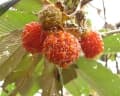
Rubus lineatus
Rubus lineatus
Family: Rosaceae
Cultivation
Rubus lineatus is a plant of the warm temperate zone in southern China, moving into the tropics of southeast Asia. In the temperate zone it can only be grown outdoors in those areas with very mild winters. Easily grown in a good well-drained loamy soil in sun or semi-shade.
Full cultivation guide →Rubus linkianus
Rubus linkianus
Family: Rosaceae
Cultivation
Easily grown in a good well-drained loamy soil in sun or semi-shade. This species is unknown in the wild. It is possibly of hybrid origin, the flowers are always double.
Full cultivation guide →Rubus loganobaccus
Rubus loganobaccus
Family: Rosaceae
Cultivation
Rubus loganobaccus is hardy to about -18°c. Easily grown in a good well-drained loamy soil in sun or semi-shade. Tolerates all but the most alkaline soils.
Full cultivation guide →Rubus longii
Rubus longii
Family: Rosaceae
Cultivation
Species in this genus are generally easily grown in a good well-drained loamy soil in sun or semi-shade. Plants in this genus are notably susceptible to honey fungus.
Full cultivation guide →Rubus macilentus
Rubus macilentus
Family: Rosaceae
Cultivation
Rubus macilentus is native to the Himalayan region of China and the Indian subcontinent. Growing at elevations up to 3,300 metres, the plant experiences frosts and winter snow, but is unlikely to be winter hardy in the colder regions of the temperate zone. Easily grown in a good well-drained loamy soil in sun or semi-shade.
Full cultivation guide →Rubus maershanensis
Rubus maershanensis
Family: Rosaceae
Cultivation
Species in this genus are generally easily grown in a good well-drained loamy soil in sun or semi-shade. Plants in this genus are notably susceptible to honey fungus.
Full cultivation guide →Rubus mesogaeus
Rubus mesogaeus
Family: Rosaceae
Cultivation
Easily grown in a good well-drained loamy soil in sun or semi-shade. Plants in this genus are notably susceptible to honey fungus.
Full cultivation guide →Rubus michiganensis
Rubus michiganensis
Family: Rosaceae
Cultivation
Species in this genus are generally easily grown in a good well-drained loamy soil in sun or semi-shade. This species is generally found on sandy soils. Plants in this genus are notably susceptible to honey fungus.
Full cultivation guide →Rubus microphyllus
Rubus microphyllus
Family: Rosaceae
Cultivation
Rubus microphyllus is native to the temperate and warm temperate regions of central and southern Japan, where it experiences light frost and snow, but winters are generally fairly mild. It is not hardy in the colder regions of the temperate zone. Easily grown in a good well-drained loamy soil in sun or semi-shade.
Full cultivation guide →
Rubus moluccanus
Rubus moluccanus
Family: Rosaceae
Cultivation
Rubus moluccanus has a wide native range from the Himalayas, through tropical southeast Asia to eastern Australia where it can be found as far south as the warm temperate zone of Victoria. It only succeeds outdoos in the warmer regions of the temperate zone, where winters are short and mild. Easily grown in a good well-drained loamy soil in sun or semi-shade.
Full cultivation guide →Rubus montanus
Rubus montanus
Family: Rosaceae
Cultivation
Species in this genus are generally easily grown in a good well-drained loamy soil in sun or semi-shade. Plants in this genus are notably susceptible to honey fungus. There are two types of plant, one with hairy and one with smooth stems.
Full cultivation guide →Rubus moorei
Rubus moorei
Family: Rosaceae
Cultivation
Rubus moorei is native to the warm temperate and subtropical regions of eastern Australia. Species in this genus are generally easily grown in a good well-drained loamy soil in sun or semi-shade. Plants in this genus are notably susceptible to honey fungus.
Full cultivation guide →Rubus moschus
Rubus moschus
Family: Rosaceae
Cultivation
Species in this genus are generally easily grown in a good well-drained loamy soil in sun or semi-shade. Plants in this genus are notably susceptible to honey fungus.
Full cultivation guide →Rubus nebulosus
Rubus nebulosus
Family: Rosaceae
Cultivation
Rubus nebulosus is native to the warm temperate and subtropical regions of eastern Australia. It is unlikely to succeed outdoors in colder regions of the temperate zone. Prefers a moist but well-drained, humus-rich soil.
Full cultivation guide →Rubus nemorosus
Rubus nemorosus
Family: Rosaceae
Cultivation
Species in this genus are generally easily grown in a good well-drained loamy soil in sun or semi-shade. Plants in this genus are notably susceptible to honey fungus.
Full cultivation guide →Rubus neomexicanus
Rubus neomexicanus
Family: Rosaceae
Cultivation
Easily grown in a good well-drained loamy soil in sun or semi-shade. Plants in this genus are notably susceptible to honey fungus.
Full cultivation guide →Rubus nepalensis
Rubus nepalensis
Family: Rosaceae
Cultivation
Easily grown in a good well-drained loamy soil in sun or semi-shade. Prefers a sheltered semi-shady position. Plants survive considerable neglect, they can grow and spread in long grass though they do not fruit well in such a position.
Full cultivation guide →Rubus nessensis
Rubus nessensis
Family: Rosaceae
Cultivation
Easily grown in a good well-drained loamy soil in sun or semi-shade. Succeeds on very acid soils. The plant produces apomictic flowers, these produce fruit and viable seed without fertilization, each seedling is a genetic copy of the parent.
Full cultivation guide →Rubus nitidiformis
Rubus nitidiformis
Family: Rosaceae
Cultivation
Species in this genus are generally easily grown in a good well-drained loamy soil in sun or semi-shade. Plants in this genus are notably susceptible to honey fungus.
Full cultivation guide →Rubus nivalis
Rubus nivalis
Family: Rosaceae
Cultivation
Species in this genus are generally easily grown in a good well-drained loamy soil in sun or semi-shade. Plants in this genus are notably susceptible to honey fungus. Rubus nivalis is recognized by its creeping, prickly stems, simple to ternate, evergreen leaves, broadly elliptic to ovate stipules, two leaflets, relatively small flowers, and magenta to pink petals.
Full cultivation guide →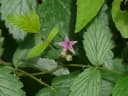
Rubus niveus
Rubus niveus
Family: Rosaceae
Cultivation
Rubus niveus grows in subtropical or cool tropical climates with a well-distributed medium to high rainfall. In general this species is not very tolerant of frost, though one report says that selected provenances can succeed outdoors in the milder regions of the temperate zone. Easily grown in a good well-drained loamy soil in sun or semi-shade.
Full cultivation guide →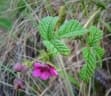
Rubus nubigenus
Rubus nubigenus
Family: Rosaceae
Cultivation
A plant of tropical, highland climates, it also has potential for growing in subtropical and temperate areas. Easily grown in a good well-drained loamy soil in sun or semi-shade. Attempts to grow this species outside its natural range have met with failure.
Full cultivation guide →Rubus occidentalis
Rubus occidentalis
Family: Rosaceae
Cultivation
Easily grown in a good well-drained loamy soil in sun or semi-shade. Plants can tolerate deep shade, though do not fruit well in such a position. This species is sometimes cultivated, especially in N.
Full cultivation guide →Rubus odoratus
Rubus odoratus
Family: Rosaceae
Cultivation
Rubus odoratus is hardy to about -30°c. Although very winter hardy, it requires warm to hot summers for it to fruit well and often crops poorly in cool summer regions. Easily grown in a good well-drained loamy soil in sun or semi-shade.
Full cultivation guide →Rubus palmatus
Rubus palmatus
Family: Rosaceae
Cultivation
Rubus palmatus can tolerate occasional, short-lived winter temperatures falling as low as -10°c, though it grows best in regions with milder winters and warm to hot summers. Easily grown in a good well-drained loamy soil in sun or semi-shade. Plants in this genus are notably susceptible to honey fungus.
Full cultivation guide →Rubus paniculatus
Rubus paniculatus
Family: Rosaceae
Cultivation
Species in this genus are generally easily grown in a good well-drained loamy soil in sun or semi-shade. Plants in this genus are notably susceptible to honey fungus.
Full cultivation guide →Rubus parcifrondifer
Rubus parcifrondifer
Family: Rosaceae
Cultivation
Species in this genus are generally easily grown in a good well-drained loamy soil in sun or semi-shade. Plants in this genus are notably susceptible to honey fungus. According to one report this species is no more than a synonym for Rubus pensylvanicus.
Full cultivation guide →Rubus parviflorus
Rubus parviflorus
Family: Rosaceae
Cultivation
Rubus parviflorus has a very wide environmental tolerance, being found from Alaska to as far south as California and New Mexico (usually at higher elevations in the south). It can tolerate considerable frost, succeeding in cold continental climates, and also grow well in warm temperate climates. It is able to tolerate dry summers, though fruit quality suffers.
Full cultivation guide →Rubus parvifolius
Rubus parvifolius
Family: Rosaceae
Cultivation
Easily grown in a good well-drained loamy soil in sun or semi-shade. Cultivated for its edible fruit in Asia, there are some named varieties. This species is a raspberry with biennial stems, it produces a number of new stems each year from the perennial rootstock, these stems fruit in their second year and then die.
Full cultivation guide →Rubus parvus
Rubus parvus
Family: Rosaceae
Cultivation
Rubus parvus is not reliably hardy outside the milder regions of the temperate zone, being damaged by prolonged frosts. Easily grown in a good well-drained loamy soil in sun or semi-shade. This species is closely related to Rubus australis.
Full cultivation guide →Rubus pascuus
Rubus pascuus
Family: Rosaceae
Cultivation
Easily grown in a good well-drained loamy soil in sun or semi-shade. Plants in this genus are notably susceptible to honey fungus. Rubus pascuus is probably more widespread than indicated here.
Full cultivation guide →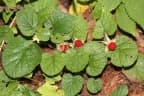
Rubus pectinellus
Rubus pectinellus
Family: Rosaceae
Cultivation
A plant of the subtropics to tropics, growing at moderate to high elevations. Easily grown in a good well-drained loamy soil in sun or semi-shade. Plants in this genus are notably susceptible to honey fungus.
Full cultivation guide →Rubus pedatus
Rubus pedatus
Family: Rosaceae
Cultivation
Species in this genus are generally easily grown in a good well-drained loamy soil in sun or semi-shade. Plants in this genus are notably susceptible to honey fungus. Rubus pedatus is recognized by its creeping, unarmed stems, pedately 3-5-foliate leaves, relatively small flowers, white petals, and glabrous ovaries.
Full cultivation guide →Rubus pedunculosus
Rubus pedunculosus
Family: Rosaceae
Cultivation
This species is not hardy in the colder areas of the temperate zone, it tolerates hort-lived temperatures falling down to between -5 and -10°c. Easily grown in a good well-drained loamy soil in sun or semi-shade. Plants in this genus are notably susceptible to honey fungus.
Full cultivation guide →Rubus peltatus
Rubus peltatus
Family: Rosaceae
Cultivation
Easily grown in a good well-drained loamy soil in sun or semi-shade. Plants in this genus are notably susceptible to honey fungus.
Full cultivation guide →Rubus pensilvanicus
Rubus pensilvanicus
Family: Rosaceae
Cultivation
Rubus pensylvanicus can adapt to a wide range of climates, its native range extends from the cold temperate (zone 3) to the warm temperate (zone8). Easily grown in a good well-drained loamy soil in sun or semi-shade. Plants in this genus are notably susceptible to honey fungus.
Full cultivation guide →Rubus permixtus
Rubus permixtus
Family: Rosaceae
Cultivation
Easily grown in a good well-drained loamy soil in sun or semi-shade. Plants in this genus are notably susceptible to honey fungus.
Full cultivation guide →Rubus philadelphicus
Rubus philadelphicus
Family: Rosaceae
Cultivation
Rubus philadelphicus is native to the temperate regions of eastern N. America, growing in hardiness zones 4 - 8. Species in this genus are generally easily grown in a good well-drained loamy soil in sun or semi-shade.
Full cultivation guide →Rubus phoenicolasius
Rubus phoenicolasius
Family: Rosaceae
Cultivation
Rubus phoenicolasius is able to tolerate occasional temperatures falling to about -18°c - some damage may be caused at this temperature but plants usually recover well. Easily grown in a good well-drained loamy soil in sun or semi-shade, preferring light shade. Plants are not too happy when grown in windy situations.
Full cultivation guide →Rubus pileatus
Rubus pileatus
Family: Rosaceae
Cultivation
Rubus pileatus grows in the temperate to warm temperate regions of China, hardiness zones 5 - 9. Species in this genus are generally easily grown in a good well-drained loamy soil in sun or semi-shade. Plants in this genus are notably susceptible to honey fungus.
Full cultivation guide →Rubus platyphyllus
Rubus platyphyllus
Family: Rosaceae
Cultivation
Species in this genus are generally easily grown in a good well-drained loamy soil in sun or semi-shade. Plants in this genus are notably susceptible to honey fungus. This species is very closely related to, and perhaps part of, Rubus hirtus.
Full cultivation guide →Rubus platysepalus
Rubus platysepalus
Family: Rosaceae
Cultivation
Rubus platysepalus is native to the warm temperate and subtropical zones of southern China, growing in hardiness zones 9 - 10. Growing at low elevations, it is unlikely to succeed outside the mildest regions of the temperate zone. Easily grown in a good well-drained loamy soil in sun or semi-shade.
Full cultivation guide →Rubus plicatus
Rubus plicatus
Family: Rosaceae
Cultivation
Forms of Rubus plicatus are generally winter hardy to at least -18°c. Easily grown in a good well-drained loamy soil. Succeeds in acid and calcareous soils.
Full cultivation guide →Rubus polyanthemus
Rubus polyanthemus
Family: Rosaceae
Cultivation
Species in this genus are generally easily grown in a good well-drained loamy soil in sun or semi-shade. Plants in this genus are notably susceptible to honey fungus.
Full cultivation guide →Rubus praecox
Rubus praecox
Family: Rosaceae
Cultivation
Easily grown in a good well-drained loamy soil in sun or semi-shade. Plants in this genus are notably susceptible to honey fungus.
Full cultivation guide →Rubus probus
Rubus probus
Family: Rosaceae
Cultivation
Grows best in a sunny position in a moist but well-drained soil. Species in this genus are generally easily grown in a good well-drained loamy soil in sun or semi-shade. Usually flowers and fruits as a shrub when about 100 - 200cm tall.
Full cultivation guide →Rubus pseudoacer
Rubus pseudoacer
Family: Rosaceae
Cultivation
Species in this genus are generally easily grown in a good well-drained loamy soil in sun or semi-shade. Plants in this genus are notably susceptible to honey fungus.
Full cultivation guide →Rubus pubescens
Rubus pubescens
Family: Rosaceae
Cultivation
Species in this genus are generally easily grown in a good well-drained loamy soil in sun or semi-shade. Plants in this genus are notably susceptible to honey fungus. Rubus pubescens is recognized by its creeping, unarmed stems, oblanceolate to lance-ovate stipules, relatively small flowers, and white to pink petals.
Full cultivation guide →Rubus pungens
Rubus pungens
Family: Rosaceae
Cultivation
Species in this genus are generally easily grown in a good well-drained loamy soil in sun or semi-shade. Plants in this genus are notably susceptible to honey fungus.
Full cultivation guide →Rubus pyrifolius
Rubus pyrifolius
Family: Rosaceae
Cultivation
Rubus pyrifolius is native to the warm temperate regions of southern China at elevations upto 2,100 metres, moving south into the tropical regions of southeast Asia. It is only likely to succeed outdoors in the warmest parts of the temperate zone. Species in this genus are generally easily grown in a good well-drained loamy soil in sun or semi-shade.
Full cultivation guide →Rubus racemosus
Rubus racemosus
Family: Rosaceae
Cultivation
Rubus racemosus is found at low to moderate elevations in the tropical monsoon climate of southern India. It can tolerate several months of a dry season and is found growing in regions where the mean annual rainfall can vary from 800 - 2,000mm. Easily grown in a good well-drained, circumneutral loamy soil in sun or semi-shade.
Full cultivation guide →Rubus radicans
Rubus radicans
Family: Rosaceae
Cultivation
Species in this genus are generally easily grown in a good well-drained loamy soil in sun or semi-shade.
Full cultivation guide →Rubus repens
Rubus repens
Family: Rosaceae
Cultivation
Species in this genus are generally easily grown in a good well-drained loamy soil in sun or semi-shade. The plant produces two types of flowers - a few upright, lomg-peduncled, usually sterile ones with white petals, and numerous, fertile, apetalous, cleistogamous flowers. Plants in this genus are notably susceptible to honey fungus.
Full cultivation guide →Rubus reticulatus
Rubus reticulatus
Family: Rosaceae
Cultivation
Species in this genus are generally easily grown in a good well-drained loamy soil in sun or semi-shade. Plants in this genus are notably susceptible to honey fungus. This species is closely related to Rubus moluccanus.
Full cultivation guide →Rubus rhamnifolius
Rubus rhamnifolius
Family: Rosaceae
Cultivation
Species in this genus are generally easily grown in a good well-drained loamy soil in sun or semi-shade. Plants in this genus are notably susceptible to honey fungus. This species has imperfect pollen.
Full cultivation guide →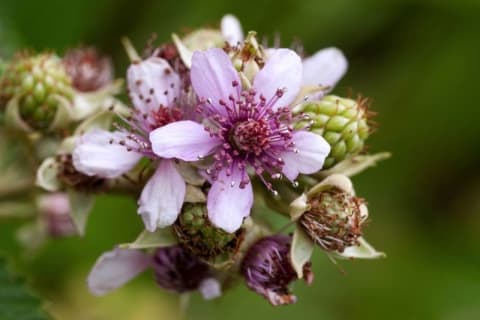
Rubus rigidus
Rubus rigidus
Family: Rosaceae
Cultivation
Species in this genus are generally easily grown in a good well-drained loamy soil in sun or semi-shade.
Full cultivation guide →
Rubus rolfei
Rubus rolfei
Family: Rosaceae
Cultivation
Rubus rolfei is native to higher elevations in the subtropical and tropical zones of Taiwan and the Philippines. It has proved to be hardy in the milder regions of the temperate zone. Easily grown in a good well-drained loamy soil in sun or semi-shade.
Full cultivation guide →Rubus rosa
Rubus rosa
Family: Rosaceae
Cultivation
Species in this genus are generally easily grown in a good well-drained loamy soil in sun or semi-shade. Some authorities consider this species to be no more than a synonym of Rubus alumnus. The plant produces apomictic flowers, these produce fruit and viable seed without fertilization, each seedling is a genetic copy of the parent.
Full cultivation guide →
Rubus roseus
Rubus roseus
Family: Rosaceae
Cultivation
A plant of higher elevations in the tropics. In Ecuador it is found in areas where several temperate fruit crops (including apples (Malus domestica) and pears (Pyrus communis)) are grown, and so it may be suitable for growing at least in milder regions of the Temperate zone. Easily grown in a good well-drained loamy soil in sun or semi-shade.
Full cultivation guide →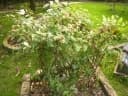
Rubus rosifolius
Rubus rosifolius
Family: Rosaceae
Cultivation
Rubus rosifolius is native to the warm temperate regions of northern India and China, moving through the tropics of southeast Asia (often at higher elevations) to Australia and the Pacific. In the temperate zone it will only succeed outdoors in areas with mild winters. Easily grown in a good well-drained loamy soil in sun or semi-shade.
Full cultivation guide →Rubus sachalinensis
Rubus sachalinensis
Family: Rosaceae
Cultivation
Easily grown in a good well-drained loamy soil in sun or semi-shade. Plants in this genus are notably susceptible to honey fungus. The species is regarded as an autotetrapoid derivative of Rubus strigosus.
Full cultivation guide →Rubus salteri
Rubus salteri
Family: Rosaceae
Cultivation
Species in this genus are generally easily grown in a good well-drained loamy soil in sun or semi-shade. Plants in this genus are notably susceptible to honey fungus.
Full cultivation guide →Rubus sanctus
Rubus sanctus
Family: Rosaceae
Cultivation
Easily grown in a good well-drained loamy soil in sun or semi-shade. This species does not form suckers. Plants in this genus are notably susceptible to honey fungus.
Full cultivation guide →Rubus saxatilis
Rubus saxatilis
Family: Rosaceae
Cultivation
Easily grown in a good well-drained loamy soil in sun or semi-shade. A calcicole plant, requiring an alkaline soil if it is to thrive. Plants in this genus are notably susceptible to honey fungus.
Full cultivation guide →Rubus schmidelioides
Rubus schmidelioides
Family: Rosaceae
Cultivation
Rubus schmidelioides is only hardy in the milder regions of the temperate zone. Easily grown in a good well-drained but moist, loamy soil in sun or semi-shade. The plant is potentially very rampant.
Full cultivation guide →Rubus sellowii
Rubus sellowii
Family: Rosaceae
Cultivation
A plant of the subtropics and higher elevations in the tropics. Species in this genus are generally easily grown in a good well-drained loamy soil in sun or semi-shade.
Full cultivation guide →Rubus setchuenensis
Rubus setchuenensis
Family: Rosaceae
Cultivation
Easily grown in a good well-drained loamy soil in sun or semi-shade. The stems are thornless. Plants in this genus are notably susceptible to honey fungus.
Full cultivation guide →Rubus setosus
Rubus setosus
Family: Rosaceae
Cultivation
Species in this genus are generally easily grown in a good well-drained loamy soil in sun or semi-shade. Plants in this genus are notably susceptible to honey fungus. Rubus setosus is identified by erect to arching, rarely creeping, not tip-rooting, terete primocanes, always setose but variable in density, and deciduous primocane leaves that are often palmately compound with five leaflets.
Full cultivation guide →Rubus sieboldii
Rubus sieboldii
Family: Rosaceae
Cultivation
Species in this genus are generally easily grown in a good well-drained loamy soil in sun or semi-shade. Plants in this genus are notably susceptible to honey fungus.
Full cultivation guide →Rubus silesiacus
Rubus silesiacus
Family: Rosaceae
Cultivation
Easily grown in a good well-drained loamy soil in sun or semi-shade. Plants in this genus are notably susceptible to honey fungus.
Full cultivation guide →Rubus simplex
Rubus simplex
Family: Rosaceae
Cultivation
Species in this genus are generally easily grown in a good well-drained loamy soil in sun or semi-shade. Plants in this genus are notably susceptible to honey fungus.
Full cultivation guide →Rubus spectabilis
Rubus spectabilis
Family: Rosaceae
Cultivation
Rubus spectabilis is hardy to about -25°c. Easily grown in a good well-drained loamy soil in sun or semi-shade. Grows well in the shade of trees though it is less likely to fruit well in such a position.
Full cultivation guide →Rubus squarrosus
Rubus squarrosus
Family: Rosaceae
Cultivation
Rubus squarrosus is found through much of New Zealand, growing into the lower montane zone where it can experience snow and frost. It dislikes harsh winters, though, and is only hardy in the milder regions of the temperate zone. It succeeds outdoors in the milder parts of Britain, where it makes a small shrub, though even then it is best grown against a sunny wall.
Full cultivation guide →Rubus stans
Rubus stans
Family: Rosaceae
Cultivation
Species in this genus are generally easily grown in a good well-drained loamy soil in sun or semi-shade. Plants in this genus are notably susceptible to honey fungus.
Full cultivation guide →Rubus steudneri
Rubus steudneri
Family: Rosaceae
Cultivation
Species in this genus are generally easily grown in a good well-drained loamy soil in sun or semi-shade.
Full cultivation guide →Rubus sulcatus
Rubus sulcatus
Family: Rosaceae
Cultivation
Species in this genus are generally easily grown in a good well-drained loamy soil in sun or semi-shade. Plants in this genus are notably susceptible to honey fungus.
Full cultivation guide →
Rubus sumatranus
Rubus sumatranus
Family: Rosaceae
Cultivation
Rubus sumatranus is native to the warm temperate and subtropical zones of southern and eastern China (hardiness zones 8 and higher) moving through tropical Asia to Indonesia. It is unlikely to succeed outdoors in the temperate zone in any but the mildest regions. Species in this genus are generally easily grown in a good well-drained loamy soil in sun or semi-shade.
Full cultivation guide →Rubus taiwanicola
Rubus taiwanicola
Family: Rosaceae
Cultivation
Rubus taiwanicola is native to the subtropical zone of Taiwan and is generally not very hardy in the temperate zone, although some provenances collected from the highest elevations of its range have grown outdoors in southern England (hardiness zone 7 - 8) for several years without damage. Requires a sunny position in a well-drained soil. Plants can grow in the cracks of old walls.
Full cultivation guide →Rubus tephrodes
Rubus tephrodes
Family: Rosaceae
Cultivation
Species in this genus are generally easily grown in a good well-drained loamy soil in sun or semi-shade. When growing in acidic soils, the leaves gain brown markings along the veins. Plants in this genus are notably susceptible to honey fungus.
Full cultivation guide →Rubus thibetanus
Rubus thibetanus
Family: Rosaceae
Cultivation
Easily grown in a good well-drained loamy soil in sun or semi-shade. Plants in this genus are notably susceptible to honey fungus.
Full cultivation guide →Rubus tricolor
Rubus tricolor
Family: Rosaceae
Cultivation
Rubus tricolor can tolerate winter temperatures falling, at least for short periods, to around -15°c. Plants are usually evergreen but may be deciduous in severe winters. Easily grown in a good well-drained loamy soil in sun or semi-shade.
Full cultivation guide →Rubus trifidus
Rubus trifidus
Family: Rosaceae
Cultivation
Rubus trifidus is native to the temperate regions of central Japan, where winters are generally mild. Plants often do not flower very freely outside the plant's native range. Easily grown in a good well-drained loamy soil in sun or semi-shade.
Full cultivation guide →Rubus trilobus
Rubus trilobus
Family: Rosaceae
Cultivation
Rubus trilobus is a surprisingly hardy plant considering its native range. It can tolerate occasional temperatures falling as low as -15°c. Species in this genus are generally easily grown in a good well-drained loamy soil in sun or semi-shade.
Full cultivation guide →Rubus trivialis
Rubus trivialis
Family: Rosaceae
Cultivation
Species in this genus are generally easily grown in a good well-drained loamy soil in sun or semi-shade. Plants in this genus are notably susceptible to honey fungus. Rubus trivialis is distinguished from other species of Rubus by its frequently glandular-bristly and generally creeping stems, abundant recurved prickles, and typically persistent or semipersistent, lustrous primocane leaves with relatively narrow leaflets.
Full cultivation guide →Rubus tsangorum
Rubus tsangorum
Family: Rosaceae
Cultivation
Species in this genus are generally easily grown in a good well-drained loamy soil in sun or semi-shade. Plants in this genus are notably susceptible to honey fungus.
Full cultivation guide →Rubus ulmifolius
Rubus ulmifolius
Family: Rosaceae
Cultivation
Rubus ulmifolius is hardy to about -18°c. Easily grown in a good well-drained loamy soil. Succeeds on chalk or clay soils, preferring open habitats in the wild.
Full cultivation guide →Rubus ursinus
Rubus ursinus
Family: Rosaceae
Cultivation
Easily grown in a good well-drained loamy soil in sun or semi-shade. Rubus species in general grow well on a variety of barren, infertile soils - this species tolerates a wide range of soil textures and pH but requires adequate soil moisture for good growth. It appears to be tolerant of periodic flooding by brackish or fresh water.
Full cultivation guide →Rubus urticifolius
Rubus urticifolius
Family: Rosaceae
Cultivation
Species in this genus are generally easily grown in a good well-drained loamy soil in sun or semi-shade.
Full cultivation guide →Rubus vermontanus
Rubus vermontanus
Family: Rosaceae
Cultivation
Species in this genus are generally easily grown in a good well-drained loamy soil in sun or semi-shade. Plants in this genus are notably susceptible to honey fungus. This species is a naturally occurring hybrid in N.
Full cultivation guide →Rubus vernus
Rubus vernus
Family: Rosaceae
Cultivation
Species in this genus are generally easily grown in a good well-drained loamy soil in sun or semi-shade. Plants in this genus are notably susceptible to honey fungus.
Full cultivation guide →Rubus wallichianus
Rubus wallichianus
Family: Rosaceae
Cultivation
Rubus wallichianus is native to the warm temperate to subtropical regions of southern China and the Himalayas, growing in hardiness zones 8 - 10. Species in this genus are generally easily grown in a good well-drained loamy soil in sun or semi-shade. Plants in this genus are notably susceptible to honey fungus.
Full cultivation guide →Rubus xanthocarpus
Rubus xanthocarpus
Family: Rosaceae
Cultivation
Easily grown in a good well-drained loamy soil in sun or semi-shade. Occasionally cultivated for its yellow fruits.
Full cultivation guide →Rubus × neglectus
Rubus × neglectus
Family: Rosaceae
Cultivation
Easily grown in a good well-drained loamy soil in sun or semi-shade. A group of natural and artificial hybrids, Rubus occidentalis x Rubus idaeus strigosus, they are often cultivated for their edible fruit. There are many named varieties.
Full cultivation guide →