Prunus — 139 species
Botanical species in the genus Prunus recorded in the PlantPeers database.
Prunus africana
Prunus africana
Family: Rosaceae
Cultivation
A tree of higher elevations in the humid and semi-humid tropics, also of middle elevations in the humid tropics, it is found at elevations from 900 - 3,400 metres. It grows best in areas where the mean annual temperature is within the range 14 - 18°c, but can tolerate 12 - 26°c. It prefers a climate with a distinct dry season and a mean annual rainfall in the range 900 - 1,400mm, but can tolerate 700 - 2,000mm.
Full cultivation guide →
Prunus alaica
Prunus alaica
Family: Rosaceae
Cultivation
Prunus alaica is native to the continental climate of central Asia, where it experiences hot dry summers and cold winters. Requires a sunny position in a well-drained soil. Established plants are very drought tolerant.
Full cultivation guide →Prunus americana
Prunus americana
Family: Rosaceae
Cultivation
Prunus americana is probably hardy to as low as -50°c when fully dormant. Thrives in a well-drained moisture-retentive loamy soil, doing well on limestone. Prefers some lime in the soil but is likely to become chlorotic if too much lime is present.
Full cultivation guide →Prunus andersonii
Prunus andersonii
Family: Rosaceae
Cultivation
Prunus andersonii is found in regions with continental, semiarid to arid climates where the summers are typically dry and the winters cold and either dry or wet. Mean annual precipitation can vary from 150 - 400mm. Over a 33-year study period temperature extremes ranged from a minimum of -40 °c to a maximum of 42 °c).
Full cultivation guide →Prunus angustifolia
Prunus angustifolia
Family: Rosaceae
Cultivation
Prunus angustifolia is winter-hardy to zone 6, but requires hot summers if it is going to thrive - in cool summer areas it generally does not do well and fruits poorly. One form of the plant, previously recognized as distinct (as Prunus watsonii Sarg.) generally grows better in regions of the temperate zone with cooler summers. Thrives in a well-drained moisture-retentive loamy soil.
Full cultivation guide →Prunus apetala
Prunus apetala
Family: Rosaceae
Cultivation
Thrives in a well-drained moisture-retentive loamy soil. Prefers some lime in the soil but is likely to become chlorotic if too much lime is present. Succeeds in sun or partial shade though it fruits better in a sunny position.
Full cultivation guide →Prunus arabica
Prunus arabica
Family: Rosaceae
Cultivation
Prunus arabica is a plant of semi-arid regions in western Asia, experiencing hot, dry summers and winters that can be cold or mild. Thrives in a well-drained moisture-retentive loamy soil. Prefers some lime in the soil but is likely to become chlorotic if too much lime is present.
Full cultivation guide →
Prunus argentea
Prunus argentea
Family: Rosaceae
Cultivation
Prunus argentea is found in fairly arid environments in the wild - it has been collected in areas where the mean annual rainfall varies from 436 - 507mm. It is fairly frost tolerant, but requires hot summers if it is to thrive. It grows poorly in maritime areas.
Full cultivation guide →Prunus armeniaca
Prunus armeniaca
Family: Rosaceae
Cultivation
The apricot grows best in warm temperate and subtropical zones. It prefers a more continental climate, with its clearly defined seasons, and can be very disappointing in more maritime areas with mild winters that can excite it into growth only for the flowers and young leaves to be damaged by late frosts. In such areas, growing the plant against a sunny wall (preferably facing the afternoon sun since this will give extra frost protection) can produce good crops of fruit.
Full cultivation guide →Prunus avium
Prunus avium
Family: Rosaceae
Cultivation
Succeeds in light shade but grows and fruits better when in a sunny position. Requires a well-drained moisture retentive soil. Thrives in a loamy soil, doing well on limestone.
Full cultivation guide →Prunus bifrons
Prunus bifrons
Family: Rosaceae
Cultivation
Requires a dry sunny position. Prefers some lime in the soil but is likely to become chlorotic if too much lime is present. Established plants are drought tolerant.
Full cultivation guide →Prunus bokhariensis
Prunus bokhariensis
Family: Rosaceae
Cultivation
Prunus bokhariensis is a species of plum that is cultivated on the plains and hills of northern India and is probably the most adapted plum for subtropical conditions. Thrives in a well-drained moisture-retentive loamy soil. Prefers some lime in the soil but is likely to become chlorotic if too much lime is present.
Full cultivation guide →Prunus brigantina
Prunus brigantina
Family: Rosaceae
Cultivation
Thrives in a well-drained moisture-retentive loamy soil, growing well on limestone. Prefers some lime in the soil but is likely to become chlorotic if too much lime is present. Succeeds in sun or partial shade though it fruits better in a sunny position.
Full cultivation guide →Prunus bucharica
Prunus bucharica
Family: Rosaceae
Cultivation
Prunus bucharica is a very frost-tolerant plant. Requires a sunny position. Thrives in a well-drained moisture-retentive loamy soil, growing well on limestone.
Full cultivation guide →Prunus buergeriana
Prunus buergeriana
Family: Rosaceae
Cultivation
Thrives in a well-drained moisture-retentive loamy soil. Prefers some lime in the soil but is likely to become chlorotic if too much lime is present. Succeeds in sun or partial shade though it fruits better in a sunny position.
Full cultivation guide →Prunus campanulata
Prunus campanulata
Family: Rosaceae
Cultivation
Prunus campanulata is not very hardy in the colder regions of the Temperate zone - when fully dormant it can tolerate winter temperatures falling for short periods down to around -10 to -15°c. It generally grows well in areas that are too warm for other species of flowering cherries. Thrives in a well-drained moisture-retentive loamy soil.
Full cultivation guide →Prunus canescens
Prunus canescens
Family: Rosaceae
Cultivation
Thrives in a well-drained moisture-retentive loamy soil, growing well on limestone. Prefers some lime in the soil but is likely to become chlorotic if too much lime is present. Succeeds in sun or partial shade though it fruits better in a sunny position.
Full cultivation guide →Prunus caroliniana
Prunus caroliniana
Family: Rosaceae
Cultivation
There are conflicting reports regarding the hardiness of Prunus caroliniana. In one, the species is said to be tender outside of the mildest areas of the temperate zone, tolerating occasional, short-lived temperatures down to around -5°c. Another says that it succeeds in climatic zone 7, tolerating temperatures down to about -15°c for short periods.
Full cultivation guide →Prunus cerasifera
Prunus cerasifera
Family: Rosaceae
Cultivation
Prunus cerasifera is very cold-hardy and can tolerate temperatures down to about -25°c when dormant. It requires a hot summer in order to fruit well and often does not perform well in areas with cool summers. Nor does it thrive in mild winter areas, where it can be excited into growth too early and is then susceptible to damage from late frosts.
Full cultivation guide →
Prunus cerasoides
Prunus cerasoides
Family: Rosaceae
Cultivation
Prunus cerasoides is not very cold-hardy, tolerating occasional, short-lived temperatures down to about -5°c. Thrives in a well-drained moisture-retentive loamy soil. Prefers some lime in the soil but is likely to become chlorotic if too much lime is present.
Full cultivation guide →Prunus cerasus
Prunus cerasus
Family: Rosaceae
Cultivation
Prunus cerasus is fairly cold-hardy, tolerating temperatures down to about -20°c when fully dormant. Thrives in a well-drained moisture-retentive loamy soil. Prefers some lime in the soil but is likely to become chlorotic if too much lime is present.
Full cultivation guide →Prunus clarofolia
Prunus clarofolia
Family: Rosaceae
Cultivation
Thrives in a well-drained moisture-retentive loamy soil. Prefers some lime in the soil but is likely to become chlorotic if too much lime is present. Succeeds in sun or partial shade though it fruits better in a sunny position.
Full cultivation guide →Prunus cocomilia
Prunus cocomilia
Family: Rosaceae
Cultivation
Thrives in a well-drained moisture-retentive loamy soil. Prefers some lime in the soil but is likely to become chlorotic if too much lime is present. Succeeds in sun or partial shade though it fruits better in a sunny position.
Full cultivation guide →Prunus consociiflora
Prunus consociiflora
Family: Rosaceae
Cultivation
Thrives in a well-drained moisture-retentive loamy soil. Prefers some lime in the soil but is likely to become chlorotic if too much lime is present. Succeeds in sun or partial shade though it fruits better in a sunny position.
Full cultivation guide →Prunus cornuta
Prunus cornuta
Family: Rosaceae
Cultivation
Thrives in a well-drained moisture-retentive loamy soil. Prefers some lime in the soil but is likely to become chlorotic if too much lime is present. Succeeds in sun or partial shade though it fruits better in a sunny position.
Full cultivation guide →Prunus cortapico
Prunus cortapico
Family: Rosaceae
Cultivation
Thrives in a well-drained moisture-retentive loamy soil. Prefers some lime in the soil but is likely to become chlorotic if too much lime is present. Succeeds in sun or partial shade though it fruits better in a sunny position.
Full cultivation guide →Prunus davidiana
Prunus davidiana
Family: Rosaceae
Cultivation
Thrives in a well-drained moisture-retentive loamy soil. Prefers some lime in the soil but is likely to become chlorotic if too much lime is present. Succeeds in sun or partial shade though it fruits better in a sunny position.
Full cultivation guide →Prunus dawyckensis
Prunus dawyckensis
Family: Rosaceae
Cultivation
Thrives in a well-drained moisture-retentive loamy soil. Prefers some lime in the soil but is likely to become chlorotic if too much lime is present. Succeeds in sun or partial shade though it fruits better in a sunny position.
Full cultivation guide →Prunus dictyoneura
Prunus dictyoneura
Family: Rosaceae
Cultivation
Thrives in a well-drained moisture-retentive loamy soil. Prefers some lime in the soil but is likely to become chlorotic if too much lime is present. Succeeds in sun or partial shade though it fruits better in a sunny position.
Full cultivation guide →Prunus dielsiana
Prunus dielsiana
Family: Rosaceae
Cultivation
Thrives in a well-drained moisture-retentive loamy soil. Prefers some lime in the soil but is likely to become chlorotic if too much lime is present. Succeeds in sun or partial shade though it fruits better in a sunny position.
Full cultivation guide →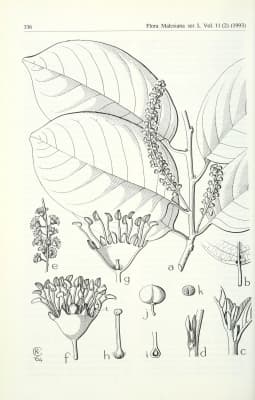
Prunus domestica
Prunus domestica
Family: Rosaceae
Cultivation
The plum is fairly cold-hardy, able to tolerate temperatures down to around -20°c when dormant. It prefers growing in a continental climate and other regions that have clearly defined seasons - mild winter areas tend to encourage earlier flowering with a greater risk of frost damage to the blossom, whist cool summers will often not ripen the fruit fully. Requires a well-drained moisture retentive soil and a sheltered position.
Full cultivation guide →Prunus domestica insititia
Prunus domestica insititia
Family: Rosaceae
Cultivation
Requires a well-drained moisture retentive soil. Succeeds in light shade but fruits better in a sunny position. Thrives in a loamy soil, doing well on limestone.
Full cultivation guide →Prunus domestica italica
Prunus domestica italica
Family: Rosaceae
Cultivation
Requires a well-drained moisture retentive soil. Succeeds in light shade but fruits better in a sunny position. Thrives in a loamy soil, doing well on limestone.
Full cultivation guide →Prunus domestica syriaca
Prunus domestica syriaca
Family: Rosaceae
Cultivation
Requires a well-drained moisture retentive soil. Succeeds in light shade but fruits better in a sunny position. Thrives in a loamy soil, doing well on limestone.
Full cultivation guide →Prunus dulcis
Prunus dulcis
Family: Rosaceae
Cultivation
The almond prefers a Mediterranean or a Continental climate, with a clear distinction between winter and spring, in milder maritime areas it can be induced into flower too early in the season and is then very liable to be damaged by frosts. Thrives in a well-drained moisture-retentive loamy soil. Prefers some lime in the soil but is likely to become chlorotic if too much lime is present.
Full cultivation guide →Prunus emarginata
Prunus emarginata
Family: Rosaceae
Cultivation
Succeeds in sun or partial shade though it fruits better in a sunny position. Thrives in a well-drained moisture-retentive loamy soil. Prefers some lime in the soil but is likely to become chlorotic if too much lime is present.
Full cultivation guide →Prunus fasciculata
Prunus fasciculata
Family: Rosaceae
Cultivation
Thrives in a well-drained moisture-retentive loamy soil. Prefers some lime in the soil but is likely to become chlorotic if too much lime is present. Succeeds in sun or partial shade though it fruits better in a sunny position.
Full cultivation guide →Prunus fenzliana
Prunus fenzliana
Family: Rosaceae
Cultivation
Thrives in a well-drained moisture-retentive loamy soil. Prefers some lime in the soil but is likely to become chlorotic if too much lime is present. Succeeds in sun or partial shade though it fruits better in a sunny position.
Full cultivation guide →Prunus ferganensis
Prunus ferganensis
Family: Rosaceae
Cultivation
Thrives in a well-drained moisture-retentive loamy soil. Prefers some lime in the soil but is likely to become chlorotic if too much lime is present. Succeeds in sun or partial shade though it fruits better in a sunny position.
Full cultivation guide →Prunus fremontii
Prunus fremontii
Family: Rosaceae
Cultivation
Requires a sunny position. Found mainly in sandy soils in the wild. Extrafloral nectaries attract a variety of insects, particularly wasps and ants, to the leaves.
Full cultivation guide →Prunus fruticosa
Prunus fruticosa
Family: Rosaceae
Cultivation
Prunus fruiticosa is said to have withstood temperatures down to -45°c in its native habitat. Requires a sunny position. Thrives in a well-drained moisture-retentive loamy soil, growing well on limestone.
Full cultivation guide →Prunus glandulosa
Prunus glandulosa
Family: Rosaceae
Cultivation
Thrives in a well-drained moisture-retentive loamy soil. Prefers some lime in the soil but is likely to become chlorotic if too much lime is present. Succeeds in sun or partial shade though it fruits better in a sunny position.
Full cultivation guide →Prunus gracilis
Prunus gracilis
Family: Rosaceae
Cultivation
Thrives in a well-drained moisture-retentive loamy soil. Prefers some lime in the soil but is likely to become chlorotic if too much lime is present. Succeeds in sun or partial shade though it fruits better in a sunny position.
Full cultivation guide →Prunus grayana
Prunus grayana
Family: Rosaceae
Cultivation
Thrives in a well-drained moisture-retentive loamy soil. Prefers some lime in the soil but is likely to become chlorotic if too much lime is present. Requires a sunny position.
Full cultivation guide →Prunus hirtipes
Prunus hirtipes
Family: Rosaceae
Cultivation
Thrives in a well-drained moisture-retentive loamy soil. Prefers some lime in the soil but is likely to become chlorotic if too much lime is present. Requires a sunny position.
Full cultivation guide →Prunus hongpingensis
Prunus hongpingensis
Family: Rosaceae
Cultivation
Thrives in a well-drained moisture-retentive loamy soil. Prefers some lime in the soil but is likely to become chlorotic if too much lime is present. Requires a sunny position.
Full cultivation guide →Prunus hortulana
Prunus hortulana
Family: Rosaceae
Cultivation
Prunus hortulana is fairly cold-hardy, tolerating temperatures falling to around -15°c when dormant. It requires hot summers if it is to fruit well, and so generally does not thrive in mild, maritime areas. Thrives in a well-drained moisture-retentive loamy soil.
Full cultivation guide →Prunus humilis
Prunus humilis
Family: Rosaceae
Cultivation
Requires a well-drained moisture retentive soil. Requires a sunny position. Thrives in a loamy soil, doing well on limestone.
Full cultivation guide →Prunus ilicifolia
Prunus ilicifolia
Family: Rosaceae
Cultivation
Prunus ilicifolia is not very hardy in much of the temperate zone, tolerating occasional, short-lived temperatures falling to around -3 to -5°c. Young plants are very susceptible to frost damage, though they become somewhat hardier as they age. Requires a well-drained moisture retentive soil.
Full cultivation guide →Prunus incana
Prunus incana
Family: Rosaceae
Cultivation
Prunus incana is found growing wild in a continental temperate climate and is well adapted to severe winter conditions with temperatures that can fall to around -20°c, and also to dry, hot summer conditions. Requires a well-drained moisture retentive soil. Judging by its native habitat, this plant should succeed on dry soils.
Full cultivation guide →Prunus incisa
Prunus incisa
Family: Rosaceae
Cultivation
Prunus incisa is cold-hardy to about -20°c. Thrives in a well-drained moisture-retentive loamy soil. Prefers some lime in the soil but is likely to become chlorotic if too much lime is present.
Full cultivation guide →Prunus jacquemontii
Prunus jacquemontii
Family: Rosaceae
Cultivation
Requires a dry, sunny position. Thrives in a well-drained moisture-retentive loamy soil. Prefers some lime in the soil but is likely to become chlorotic if too much lime is present.
Full cultivation guide →Prunus jamasakura
Prunus jamasakura
Family: Rosaceae
Cultivation
Thrives in a well-drained moisture-retentive loamy soil. Prefers some lime in the soil but is likely to become chlorotic if too much lime is present. Succeeds in sun or partial shade though it fruits better in a sunny position.
Full cultivation guide →Prunus japonica
Prunus japonica
Family: Rosaceae
Cultivation
Prunus japonica is fairly cold-hardy, tolerating temperatures down to at least -15°c when dormant. Thrives in a well-drained moisture-retentive loamy soil. Prefers some lime in the soil but is likely to become chlorotic if too much lime is present.
Full cultivation guide →Prunus japonica nakai
Prunus japonica nakai
Family: Rosaceae
Cultivation
Thrives in a well-drained moisture-retentive loamy soil. Prefers some lime in the soil but is likely to become chlorotic if too much lime is present. Succeeds in sun or partial shade though it fruits better in a sunny position.
Full cultivation guide →Prunus jenkinsii
Prunus jenkinsii
Family: Rosaceae
Cultivation
Thrives in a well-drained moisture-retentive loamy soil. Prefers some lime in the soil but is likely to become chlorotic if too much lime is present. Succeeds in sun or partial shade though it fruits better in a sunny position.
Full cultivation guide →Prunus kansuensis
Prunus kansuensis
Family: Rosaceae
Cultivation
Thrives in a well-drained moisture-retentive loamy soil. Prefers some lime in the soil but is likely to become chlorotic if too much lime is present. Succeeds in sun or partial shade though it fruits better in a sunny position.
Full cultivation guide →Prunus korshinskyi
Prunus korshinskyi
Family: Rosaceae
Cultivation
Thrives in a well-drained moisture-retentive loamy soil. Prefers some lime in the soil but is likely to become chlorotic if too much lime is present. Succeeds in sun or partial shade though it fruits better in a sunny position.
Full cultivation guide →Prunus laurocerasus
Prunus laurocerasus
Family: Rosaceae
Cultivation
Prunus laurocerasus is a moderately cold-hardy plant, when dormant being able to tolerate temperatures falling to arounf -15°c for short periods. Requires a well-drained moisture retentive soil. Grows well in heavy clay soils.
Full cultivation guide →Prunus ledebouriana
Prunus ledebouriana
Family: Rosaceae
Cultivation
Thrives in a well-drained moisture-retentive loamy soil. Prefers some lime in the soil but is likely to become chlorotic if too much lime is present. Succeeds in sun or partial shade though it fruits better in a sunny position.
Full cultivation guide →Prunus limeixing
Prunus limeixing
Family: Rosaceae
Cultivation
Thrives in a well-drained moisture-retentive loamy soil. Prefers some lime in the soil but is likely to become chlorotic if too much lime is present. Succeeds in sun or partial shade though it fruits better in a sunny position.
Full cultivation guide →Prunus lusitanica
Prunus lusitanica
Family: Rosaceae
Cultivation
Prunus lusitanica is fairly cold-hardy, when dormant it can tolerate temperatures down to about -20°c. Succeeds on all soil types, though it prefers a well-drained moisture-retentive loamy soil. Prefers some lime in the soil but is likely to become chlorotic if too much lime is present.
Full cultivation guide →Prunus maackii
Prunus maackii
Family: Rosaceae
Cultivation
Prunus maackii is very cold-hardy, tolerating temperatures down to around -30°c when dormant. It does not do well in areas with hot, humid summers. Prefers a position in full sun in the north of its range, though increasingly tolerant of shade the further south it grows.
Full cultivation guide →Prunus mahaleb
Prunus mahaleb
Family: Rosaceae
Cultivation
Thrives in a well-drained moisture-retentive loamy soil, growing best in a poor soil. When planted in very rich soils the plant is apt to become rank and ungainly - in sandy soils it thrives and blossoms remarkably well. Prefers some lime in the soil but is likely to become chlorotic if too much lime is present.
Full cultivation guide →Prunus mandshurica
Prunus mandshurica
Family: Rosaceae
Cultivation
Prunus mandshurica is a very frost-resistant plant. Thrives in a well-drained moisture-retentive loamy soil. Prefers some lime in the soil but is likely to become chlorotic if too much lime is present.
Full cultivation guide →Prunus maritima
Prunus maritima
Family: Rosaceae
Cultivation
Requires a sunny position. Thrives in a well-drained moisture-retentive loamy soil. Grows in the wild on sandy and gravelly soils.
Full cultivation guide →Prunus maximowiczii
Prunus maximowiczii
Family: Rosaceae
Cultivation
A very cold-hardy plant, able to tolerate temperatures falling to -20°c or lower when fully dormant. Thrives in a well-drained moisture-retentive loamy soil. Prefers some lime in the soil but is likely to become chlorotic if too much lime is present.
Full cultivation guide →Prunus mexicana
Prunus mexicana
Family: Rosaceae
Cultivation
Thrives in a well-drained moisture-retentive loamy soil. Prefers some lime in the soil but is likely to become chlorotic if too much lime is present. Succeeds in sun or partial shade though it fruits better in a sunny position.
Full cultivation guide →Prunus microcarpa
Prunus microcarpa
Family: Rosaceae
Cultivation
Prunus microcarpa is native to semi-arid regions with hot summers, though winters can be cold. It does not grow well in areas with wet winters or cool summers. Requires the sunniest possible position.
Full cultivation guide →Prunus minutiflora
Prunus minutiflora
Family: Rosaceae
Cultivation
Requires a sunny position. Thrives in a well-drained moisture-retentive loamy soil. Prefers some lime in the soil but is likely to become chlorotic if too much lime is present.
Full cultivation guide →Prunus mira
Prunus mira
Family: Rosaceae
Cultivation
Succeeds in sun or partial shade though it fruits better in a sunny position. Thrives in a well-drained moisture-retentive loamy soil, doing well in limestone. Prefers some lime in the soil but is likely to become chlorotic if too much lime is present.
Full cultivation guide →Prunus mongolica
Prunus mongolica
Family: Rosaceae
Cultivation
Prunus mongolica occurs in arid and semi-arid habitats where mean annual rainfall can be 280mm or less. Summers are very hot, with temperatures up to 40°c, whilst winters are very cold, down to -30°c. Requires a sunny postion in a very freely draining soil.
Full cultivation guide →Prunus mume
Prunus mume
Family: Rosaceae
Cultivation
Prunus mume is cold-hardy to about -15°c when dormant, though the blossom and young growth is susceptible to frost damage. In areas subject to late frosts it will often succed when grown against a sunny wall or in a sheltered woodland. Generally requires a sunny position and a sheltered site, though in areas with hot summers it appreciates some afternoon shade.
Full cultivation guide →Prunus murrayana
Prunus murrayana
Family: Rosaceae
Cultivation
Requires a sunny position. Thrives in a well-drained moisture-retentive loamy soil. Prefers some lime in the soil but is likely to become chlorotic if too much lime is present.
Full cultivation guide →Prunus myrtifolia
Prunus myrtifolia
Family: Rosaceae
Cultivation
Succeeds in full sun and in dappled shade. Tolerant of a wide range of soils. Plants have a moderate rate of growth.
Full cultivation guide →Prunus napaulensis
Prunus napaulensis
Family: Rosaceae
Cultivation
Thrives in a well-drained moisture-retentive loamy soil. Prefers some lime in the soil but is likely to become chlorotic if too much lime is present. Succeeds in sun or partial shade though it fruits better in a sunny position.
Full cultivation guide →Prunus nigra
Prunus nigra
Family: Rosaceae
Cultivation
Thrives in a well-drained moisture-retentive loamy soil, growing well on limestone. Prefers some lime in the soil but is likely to become chlorotic if too much lime is present. Succeeds in sun or partial shade though it fruits better in a sunny position.
Full cultivation guide →Prunus nipponica
Prunus nipponica
Family: Rosaceae
Cultivation
Thrives in a well-drained moisture-retentive loamy soil, growing well on limestone. Prefers some lime in the soil but is likely to become chlorotic if too much lime is present. Succeeds in sun or partial shade though it fruits better in a sunny position.
Full cultivation guide →Prunus padus
Prunus padus
Family: Rosaceae
Cultivation
Prunus padus is a very cold-hardy tree, tolerating temperatures down to about -30°c when dormant. Succeeds in any soil, preferring a well-drained moisture-retentive loamy soil. Prefers some lime in the soil but is likely to become chlorotic if too much lime is present.
Full cultivation guide →Prunus pedunculata
Prunus pedunculata
Family: Rosaceae
Cultivation
Prunus pedunculata occurs in arid and semi-arid habitats where mean annual rainfall can be 350mm or less. Summers are very hot, with temperatures up to 40°c, whilst winters are very cold, down to -30°c. Succeeds in sun or partial shade though it fruits better in a sunny position.
Full cultivation guide →Prunus pensylvanica
Prunus pensylvanica
Family: Rosaceae
Cultivation
Prunus pensylvanica has a wide climatic adaptability. It has been shown to tolerate temperatures down to around -45°c in Colorado, for example. The mean annual rainfall can vary from 410mm in the west to 2,030mm in the north.
Full cultivation guide →Prunus persica
Prunus persica
Family: Rosaceae
Cultivation
The peach is very hardy when dormant, tolerating temperatures down to about -20°c, but it requires hot summers in order to ripen its fruit and a clear distinction between seasons. In more maritime climates it can be excited into growth during mild spells only to be damaged by late frosts. It is therefore mainly cultivated in Mediterranean, Continental and subtropical climates.
Full cultivation guide →Prunus persica nucipersica
Prunus persica nucipersica
Family: Rosaceae
Cultivation
The nectarine is very hardy when dormant, tolerating temperatures down to about -20°c, but it requires hot summers in order to ripen its fruit and a clear distinction between seasons. In more maritime climates it can be excited into growth during mild spells only to be damaged by late frosts. It is therefore mainly cultivated in Mediterranean, Continental and subtropical climates.
Full cultivation guide →Prunus pojarkovii
Prunus pojarkovii
Family: Rosaceae
Cultivation
Requires a sunny position. Thrives in a well-drained moisture-retentive loamy soil. Prefers some lime in the soil but is likely to become chlorotic if too much lime is present.
Full cultivation guide →
Prunus prostrata
Prunus prostrata
Family: Rosaceae
Cultivation
Prunus prostrata can withstand temperatures falling at least down to -10°c. Requires a very sunny position. Requires a well-drained moisture retentive soil.
Full cultivation guide →Prunus pseudocerasus
Prunus pseudocerasus
Family: Rosaceae
Cultivation
Prunus pseudocerasus is fairly cold-hardy, tolerating temperatures down to around -15°c when fully dormant. Thrives in a well-drained moisture-retentive loamy soil. Prefers some lime in the soil but is likely to become chlorotic if too much lime is present.
Full cultivation guide →Prunus pseudoprostrata
Prunus pseudoprostrata
Family: Rosaceae
Cultivation
Requires a sunny position. Thrives in a well-drained moisture-retentive loamy soil. Prefers some lime in the soil but is likely to become chlorotic if too much lime is present.
Full cultivation guide →Prunus pumila
Prunus pumila
Family: Rosaceae
Cultivation
This species is hardy to about -35°c when the plants are fully dormant, though the young growth in spring is fairly tender. Requires a sunny position. Requires a well-drained moisture retentive soil.
Full cultivation guide →Prunus pumila besseyi
Prunus pumila besseyi
Family: Rosaceae
Cultivation
Prunus pumila besseyi is a very hardy plant, probably tolerating temperatures down to about -50°c when it is fully dormant. It grows best in areas with hot summers and medium rainfall, it can flower very well in other parts of the temperate zone but does not usually produce much fruit. Requires a sunny position.
Full cultivation guide →Prunus pumila depressa
Prunus pumila depressa
Family: Rosaceae
Cultivation
Plants are hardy to about -35°c when fully dormant. Requires a sunny position. Requires a well-drained moisture retentive soil.
Full cultivation guide →Prunus pumila susquehanae
Prunus pumila susquehanae
Family: Rosaceae
Cultivation
Plants are hardy to about -35°c when fully dormant. Requires a sunny position. Requires a well-drained moisture retentive soil.
Full cultivation guide →Prunus rivularis
Prunus rivularis
Family: Rosaceae
Cultivation
This species is not hardy in the colder areas of Britain, it tolerates temperatures down to between -5 and -10°c. Thrives in a well-drained moisture-retentive loamy soil. Prefers some lime in the soil but is likely to become chlorotic if too much lime is present.
Full cultivation guide →Prunus rufa
Prunus rufa
Family: Rosaceae
Cultivation
This species is not hardy in the colder areas of the temperate zone, it tolerates temperatures down to between -5 and -10°c. Thrives in a well-drained moisture-retentive loamy soil. Prefers some lime in the soil but is likely to become chlorotic if too much lime is present.
Full cultivation guide →Prunus salicina
Prunus salicina
Family: Rosaceae
Cultivation
Prunus salicina is fairly cold-hardy, tolerating temperatures in winter falling to -15°c or perhaps lower. However, it requires hot summers in order to ripen its wood and so often does not thrive in maritime and cool summer regions. It can also be excited into early growth in mild winter areas and is then susceptible to damage by late frosts.
Full cultivation guide →Prunus sargentii
Prunus sargentii
Family: Rosaceae
Cultivation
Prunus sargentii is generally very winter hardy, tolerating temperatures falling to -20°c or lower. It does not grow well, however, in areas with hot, humid summers. Thrives in a well-drained moisture-retentive loamy soil.
Full cultivation guide →Prunus scoparia
Prunus scoparia
Family: Rosaceae
Cultivation
Prunus scoparia is a plant of semi-arid regions in western Asia. A xerophytic shrub, adapted to the hottest and driest sites in semideserts. Requires a sunny position.
Full cultivation guide →Prunus serotina
Prunus serotina
Family: Rosaceae
Cultivation
Requires a well-drained moisture retentive soil. Requires a warm sunny position. Thrives in a loamy soil, doing well on limestone.
Full cultivation guide →Prunus serotina salicifolia
Prunus serotina salicifolia
Family: Rosaceae
Cultivation
Prunus serotina salicifolia is a plant of higher elevations in tropical areas, it can also be grown in the subtropics and temperate zones. It grows best in areas with a well-distributed, medium rainfall. The trees have a very low chilling requirement and are adapted to grow in warm winter areas where true cherries are unable to fruit.
Full cultivation guide →Prunus serrula
Prunus serrula
Family: Rosaceae
Cultivation
Thrives in a well-drained moisture-retentive loamy soil. Prefers some lime in the soil but is likely to become chlorotic if too much lime is present. Succeeds in sun or partial shade though it fruits better in a sunny position.
Full cultivation guide →Prunus serrulata
Prunus serrulata
Family: Rosaceae
Cultivation
Thrives in a well-drained moisture-retentive loamy soil. Prefers some lime in the soil but is likely to become chlorotic if too much lime is present. Succeeds in sun or partial shade though it fruits better in a sunny position.
Full cultivation guide →Prunus sibirica
Prunus sibirica
Family: Rosaceae
Cultivation
Prunus sibirica is reputed to be able to tolerate temperatures falling to about -50°c. Thrives in a well-drained moisture-retentive loamy soil, growing well on limestone. Prefers some lime in the soil but is likely to become chlorotic if too much lime is present.
Full cultivation guide →Prunus simonii
Prunus simonii
Family: Rosaceae
Cultivation
Prunus simonii is a fairly cold-hardy plant, tolerating temperatures falling to at least -15°c, but it requires hot summers and distinct changes of season if it is to thrive. In areas with mild winters the plant can be excited into growth too early and is then subject to damage by late frosts. Thrives in a well-drained moisture-retentive loamy soil, growing well on limestone.
Full cultivation guide →Prunus spinosa
Prunus spinosa
Family: Rosaceae
Cultivation
Requires a well-drained moisture retentive soil. Succeeds in all soils except very acid peats. Succeeds in light shade but fruits better in a sunny position.
Full cultivation guide →Prunus ssiori
Prunus ssiori
Family: Rosaceae
Cultivation
Thrives in a well-drained moisture-retentive loamy soil. Prefers some lime in the soil but is likely to become chlorotic if too much lime is present. Succeeds in sun or partial shade though it fruits better in a sunny position.
Full cultivation guide →Prunus subcordata
Prunus subcordata
Family: Rosaceae
Cultivation
Thrives in a well-drained moisture-retentive loamy soil, growing well on limestone. Prefers some lime in the soil but is likely to become chlorotic if too much lime is present. Requires a sunny position.
Full cultivation guide →Prunus subhirtella
Prunus subhirtella
Family: Rosaceae
Cultivation
Prunus subhirtella is very cold-hardy, tolerating temperatures falling to around -25°c, and is also very tolerant of summer heat. Thrives in a well-drained moisture-retentive loamy soil. Prefers some lime in the soil but is likely to become chlorotic if too much lime is present.
Full cultivation guide →Prunus takesimensis
Prunus takesimensis
Family: Rosaceae
Cultivation
Thrives in a well-drained moisture-retentive loamy soil. Prefers some lime in the soil but is likely to become chlorotic if too much lime is present. Succeeds in sun or partial shade though it fruits better in a sunny position.
Full cultivation guide →Prunus tangutica
Prunus tangutica
Family: Rosaceae
Cultivation
Thrives in a well-drained moisture-retentive loamy soil. Prefers some lime in the soil but is likely to become chlorotic if too much lime is present. Succeeds in sun or partial shade though it fruits better when growing in a sunny position.
Full cultivation guide →Prunus tenella
Prunus tenella
Family: Rosaceae
Cultivation
Prunus tenella is a very cold-tolerant species, when dormant it is hardy to about -25°c. Requires a sunny position. Thrives in a well-drained moisture-retentive loamy soil.
Full cultivation guide →Prunus texana
Prunus texana
Family: Rosaceae
Cultivation
The plant is found in the wild on poor or disturbed soil which is of neutral or alkaline pH. The soil tends to be well-drained, sand or sandy loam (but not limestone). It develops a deep root system and is drought resistant.
Full cultivation guide →Prunus tomentosa
Prunus tomentosa
Family: Rosaceae
Cultivation
Prunus tomentosa is a very cold-hardy plant, usually flowering freely but not always fruiting well, especially in areas with cool summers. Thrives in a well-drained moisture-retentive loamy soil, growing well on limestone. Prefers some lime in the soil but is likely to become chlorotic if too much lime is present.
Full cultivation guide →Prunus triloba
Prunus triloba
Family: Rosaceae
Cultivation
Prunus triloba is a fairly hardy plant, when dormant it can tolerate temperatures falling to about -20°c. Although very hardy, in areas with mild winters the plant will often be excited into early growth and is then subject to damage from late frosts. Another report says that plants are not reliably hardy in the open garden, which is rather strange considering the plant has been given a hardiness rating of 5.
Full cultivation guide →
Prunus umbellata
Prunus umbellata
Family: Rosaceae
Cultivation
Prunus umbellata is not hardy in the colder areas of the temperate zone, it tolerates temperatures down to between -5 and -10°c. Thrives in a well-drained moisture-retentive loamy soil. Prefers some lime in the soil but is likely to become chlorotic if too much lime is present.
Full cultivation guide →Prunus undulata
Prunus undulata
Family: Rosaceae
Cultivation
Thrives in a well-drained moisture-retentive loamy soil. Prefers some lime in the soil but is likely to become chlorotic if too much lime is present. Succeeds in sun or partial shade though it fruits better when growing in a sunny position.
Full cultivation guide →Prunus ursina
Prunus ursina
Family: Rosaceae
Cultivation
Thrives in a well-drained moisture-retentive loamy soil. Prefers some lime in the soil but is likely to become chlorotic if too much lime is present. Succeeds in sun or partial shade though it fruits better in a sunny position.
Full cultivation guide →Prunus ussuriensis
Prunus ussuriensis
Family: Rosaceae
Cultivation
Prunus ussuriensis is an extraordinarily frost-resistant species, enduring temperatures down to -50°c in eastern Siberia and northeast China, and average temperatures for January (mid winter) of between -23° to -2 7°c Thrives in a well-drained moisture-retentive loamy soil. Prefers some lime in the soil but is likely to become chlorotic if too much lime is present. Succeeds in sun or partial shade though it fruits better in a sunny position.
Full cultivation guide →Prunus verrucosa
Prunus verrucosa
Family: Rosaceae
Cultivation
Requires a sunny position in a well-drained soil. Thrives in a well-drained moisture-retentive loamy soil. Prefers some lime in the soil but is likely to become chlorotic if too much lime is present.
Full cultivation guide →Prunus virginiana
Prunus virginiana
Family: Rosaceae
Cultivation
Requires a well-drained moisture retentive soil. Requires a sunny position. Thrives in a loamy soil, doing well on limestone.
Full cultivation guide →Prunus virginiana demissa
Prunus virginiana demissa
Family: Rosaceae
Cultivation
Requires a well-drained moisture retentive soil. Requires a sunny position. Thrives in a loamy soil, doing well on limestone.
Full cultivation guide →Prunus virginiana melanocarpa
Prunus virginiana melanocarpa
Family: Rosaceae
Cultivation
Requires a well-drained moisture retentive soil. Requires a sunny position. Thrives in a loamy soil, doing well on limestone.
Full cultivation guide →Prunus zhengheensis
Prunus zhengheensis
Family: Rosaceae
Cultivation
Thrives in a well-drained moisture-retentive loamy soil. Prefers some lime in the soil but is likely to become chlorotic if too much lime is present. Succeeds in sun or partial shade though it fruits better in a sunny position.
Full cultivation guide →Prunus zippeliana
Prunus zippeliana
Family: Rosaceae
Cultivation
Thrives in a well-drained moisture-retentive loamy soil. Prefers some lime in the soil but is likely to become chlorotic if too much lime is present. Succeeds in sun or partial shade though it fruits better in a sunny position.
Full cultivation guide →Prunus × cistena
Prunus × cistena
Family: Rosaceae
Cultivation
Prunus x cistena is a very cold-hardy planr, tolerating temperatures down to about -30°c when dormant. Thrives in a well-drained moisture-retentive loamy soil. Prefers some lime in the soil but is likely to become chlorotic if too much lime is present.
Full cultivation guide →Prunus × dasycarpa
Prunus × dasycarpa
Family: Rosaceae
Cultivation
The tree is as hardy as an apple when dormant but, flowering as it does early in the year, the blossoms can be damaged by late frosts. It grows best in regions with hot summers and a clear distinction between seasons. In areas with mild winters the plant can be excited into growth too early in the season, making it more susceptible to frost damage.
Full cultivation guide →Prunus × eminens
Prunus × eminens
Family: Rosaceae
Cultivation
Thrives in a well-drained moisture-retentive loamy soil. Prefers some lime in the soil but is likely to become chlorotic if too much lime is present. Succeeds in sun or partial shade though it fruits better in a sunny position.
Full cultivation guide →Prunus × fontanesiana
Prunus × fontanesiana
Family: Rosaceae
Cultivation
Thrives in a well-drained moisture-retentive loamy soil. Prefers some lime in the soil but is likely to become chlorotic if too much lime is present. Succeeds in sun or partial shade though it fruits better in a sunny position.
Full cultivation guide →Prunus × gondouinii
Prunus × gondouinii
Family: Rosaceae
Cultivation
Thrives in a well-drained moisture-retentive loamy soil. Prefers some lime in the soil but is likely to become chlorotic if too much lime is present. Succeeds in sun or partial shade though it fruits better in a sunny position.
Full cultivation guide →Prunus × orthosepala
Prunus × orthosepala
Family: Rosaceae
Cultivation
Thrives in a well-drained moisture-retentive loamy soil, growing well on limestone. Prefers some lime in the soil but is likely to become chlorotic if too much lime is present. Requires a sunny position.
Full cultivation guide →Prunus × utahensis
Prunus × utahensis
Family: Rosaceae
Cultivation
Thrives in a well-drained moisture-retentive loamy soil. Prefers some lime in the soil but is likely to become chlorotic if too much lime is present. Succeeds in sun or partial shade though it fruits better in a sunny position.
Full cultivation guide →Prunus × yedoensis
Prunus × yedoensis
Family: Rosaceae
Cultivation
Thrives in a well-drained moisture-retentive loamy soil but is adaptable to a wide range of soils. Prefers some lime in the soil but is likely to become chlorotic if too much lime is present. Succeeds in sun or partial shade though it fruits better in a sunny position.
Full cultivation guide →