Croton — 119 species
Botanical species in the genus Croton recorded in the PlantPeers database.

Croton acutifolius
Croton acutifolius
Family: Euphorbiaceae
Cultivation
Most Croton species are relatively indifferent to their habitat and can grow on a wide range of soils in both disturbed and undisturbed vegetation. This species is found in the wild on lateritic or clayey soil, over granite or limestone. The inflorescences are fragrant.
Full cultivation guide →
Croton adabolavensis
Croton adabolavensis
Family: Euphorbiaceae
Cultivation
Most Croton species are relatively indifferent to their habitat and can grow on a wide range of soils in both disturbed and undisturbed vegetation.
Full cultivation guide →Croton ambanivoulensis
Croton ambanivoulensis
Family: Euphorbiaceae
Cultivation
Most Croton species are relatively indifferent to their habitat and can grow on a wide range of soils in both disturbed and undisturbed vegetation.
Full cultivation guide →Croton androiensis
Croton androiensis
Family: Euphorbiaceae
Cultivation
Most Croton species are relatively indifferent to their habitat and can grow on a wide range of soils in both disturbed and undisturbed vegetation. Some species, such as this one, are more restricted in their ecological range and are confined to tidal zones.
Full cultivation guide →
Croton anisatus
Croton anisatus
Family: Euphorbiaceae
Cultivation
Most Croton species are relatively indifferent to their habitat and can grow on a wide range of soils in both disturbed and undisturbed vegetation. All parts of the plant have the aroma of aniseed.
Full cultivation guide →Croton antanosiensis
Croton antanosiensis
Family: Euphorbiaceae
Cultivation
Most Croton species are relatively indifferent to their habitat and can grow on a wide range of soils in both disturbed and undisturbed vegetation.
Full cultivation guide →
Croton argyratus
Croton argyratus
Family: Euphorbiaceae
Cultivation
A plant of the humid, lowland tropics, it is found at elevations up to 1,500 metres. It usually occurs in well-drained locations on sandy clay, sandy loam, heavy loam with limestone or basaltic soils. The plant has been observed flowering throughout the year.
Full cultivation guide →Croton argyrodaphne
Croton argyrodaphne
Family: Euphorbiaceae
Cultivation
Most Croton species are relatively indifferent to their habitat and can grow on a wide range of soils in both disturbed and undisturbed vegetation.
Full cultivation guide →Croton aromaticus
Croton aromaticus
Family: Euphorbiaceae
Cultivation
Most Croton species are relatively indifferent to their habitat and can grow on a wide range of soils in both disturbed and undisturbed vegetation. The plant is aromatic. Most Croton species grow fast.
Full cultivation guide →Croton aubrevillei
Croton aubrevillei
Family: Euphorbiaceae
Cultivation
Most Croton species are relatively indifferent to their habitat and can grow on a wide range of soils in both disturbed and undisturbed vegetation.
Full cultivation guide →
Croton barorum
Croton barorum
Family: Euphorbiaceae
Cultivation
Most Croton species are relatively indifferent to their habitat and can grow on a wide range of soils in both disturbed and undisturbed vegetation.
Full cultivation guide →
Croton bathianus
Croton bathianus
Family: Euphorbiaceae
Cultivation
Most Croton species are relatively indifferent to their habitat and can grow on a wide range of soils in both disturbed and undisturbed vegetation.
Full cultivation guide →Croton bemaranus
Croton bemaranus
Family: Euphorbiaceae
Cultivation
Most Croton species are relatively indifferent to their habitat and can grow on a wide range of soils, though this species is confined to limestone in the wild. It can be grown in both disturbed and undisturbed vegetation.
Full cultivation guide →
Croton bernierus
Croton bernierus
Family: Euphorbiaceae
Cultivation
Most Croton species are relatively indifferent to their habitat and can grow on a wide range of soils in both disturbed and undisturbed vegetation.
Full cultivation guide →
Croton boinensis
Croton boinensis
Family: Euphorbiaceae
Cultivation
Most Croton species are relatively indifferent to their habitat and can grow on a wide range of soils in both disturbed and undisturbed vegetation.
Full cultivation guide →Croton cajucara
Croton cajucara
Family: Euphorbiaceae
Cultivation
Most Croton species are relatively indifferent to their habitat and can grow on a wide range of soils in both disturbed and undisturbed vegetation.
Full cultivation guide →
Croton campestris
Croton campestris
Family: Euphorbiaceae
Cultivation
Most Croton species are relatively indifferent to their habitat and can grow on a wide range of soils in both disturbed and undisturbed vegetation.
Full cultivation guide →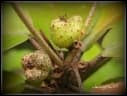
Croton cascarilloides
Croton cascarilloides
Family: Euphorbiaceae
Cultivation
Found mainly on limestone in the wild, but also rarely on sandstone and basalt. The plant can flower and produce fruit all year round. The flowers are slightly scented.
Full cultivation guide →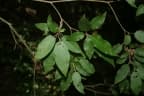
Croton catati
Croton catati
Family: Euphorbiaceae
Cultivation
Most Croton species are relatively indifferent to their habitat and can grow on a wide range of soils in both disturbed and undisturbed vegetation.
Full cultivation guide →
Croton caudatus
Croton caudatus
Family: Euphorbiaceae
Cultivation
Most Croton species are relatively indifferent to their habitat and can grow on a wide range of soils in both disturbed and undisturbed vegetation.
Full cultivation guide →
Croton cortesianus
Croton cortesianus
Family: Euphorbiaceae
Cultivation
Most Croton species are relatively indifferent to their habitat and can grow on a wide range of soils in both disturbed and undisturbed vegetation.
Full cultivation guide →
Croton cotoneaster
Croton cotoneaster
Family: Euphorbiaceae
Cultivation
Most Croton species are relatively indifferent to their habitat and can grow on a wide range of soils, though this species is usually found in calcareous soils in the wild. It can be grown in both disturbed and undisturbed vegetation.
Full cultivation guide →Croton crocodilorum
Croton crocodilorum
Family: Euphorbiaceae
Cultivation
Most Croton species are relatively indifferent to their habitat and can grow on a wide range of soils in both disturbed and undisturbed vegetation.
Full cultivation guide →Croton cuneatus
Croton cuneatus
Family: Euphorbiaceae
Cultivation
Most Croton species are relatively indifferent to their habitat and can grow on a wide range of soils in both disturbed and undisturbed vegetation.
Full cultivation guide →Croton decaryi
Croton decaryi
Family: Euphorbiaceae
Cultivation
Most Croton species are relatively indifferent to their habitat and can grow on a wide range of soils in both disturbed and undisturbed vegetation.
Full cultivation guide →Croton delpyi
Croton delpyi
Family: Euphorbiaceae
Cultivation
Most Croton species are relatively indifferent to their habitat and can grow on a wide range of soils in both disturbed and undisturbed vegetation. Plants can flower all year round. The flowers are fragrant.
Full cultivation guide →Croton dichogamus
Croton dichogamus
Family: Euphorbiaceae
Cultivation
Most Croton species are relatively indifferent to their habitat and can grow on a wide range of soils in both disturbed and undisturbed vegetation.
Full cultivation guide →Croton dictyophlebodes
Croton dictyophlebodes
Family: Euphorbiaceae
Cultivation
Most Croton species are relatively indifferent to their habitat and can grow on a wide range of soils in both disturbed and undisturbed vegetation. A dioecious species, both male and female forms need to be grown if fruit and seed are required.
Full cultivation guide →
Croton draco
Croton draco
Family: Euphorbiaceae
Cultivation
Most Croton species are relatively indifferent to their habitat and can grow on a wide range of soils in both disturbed and undisturbed vegetation. This species is one of several that supply a red resin from their stem. This resin, often known as 'Dragon's Blood' is often used as an external application to treat a range of skin problems and injuries.
Full cultivation guide →Croton draconoides
Croton draconoides
Family: Euphorbiaceae
Cultivation
Most Croton species are relatively indifferent to their habitat and can grow on a wide range of soils in both disturbed and undisturbed vegetation.
Full cultivation guide →Croton draconopsis
Croton draconopsis
Family: Euphorbiaceae
Cultivation
Most Croton species are relatively indifferent to their habitat and can grow on a wide range of soils in both disturbed and undisturbed vegetation.
Full cultivation guide →
Croton elaeagni
Croton elaeagni
Family: Euphorbiaceae
Cultivation
Most Croton species are relatively indifferent to their habitat and can grow on a wide range of soils in both disturbed and undisturbed vegetation.
Full cultivation guide →
Croton eluteria
Croton eluteria
Family: Euphorbiaceae
Cultivation
Most Croton species are relatively indifferent to their habitat and can grow on a wide range of soils, though this species is found mainly in limestone soils. It can grow in both disturbed and undisturbed vegetation. The tree produces small but very fragrant white flowers almost all the year round.
Full cultivation guide →Croton erythrochilus
Croton erythrochilus
Family: Euphorbiaceae
Cultivation
Most Croton species are relatively indifferent to their habitat and can grow on a wide range of soils in both disturbed and undisturbed vegetation.
Full cultivation guide →Croton flavens
Croton flavens
Family: Euphorbiaceae
Cultivation
Most Croton species are relatively indifferent to their habitat and can grow on a wide range of soils, though this species is found mainly in limestone soils. It can grow in both disturbed and undisturbed vegetation. The plant has a very strong but agreeable balsam odour.
Full cultivation guide →
Croton floribundus
Croton floribundus
Family: Euphorbiaceae
Cultivation
Most Croton species are relatively indifferent to their habitat and can grow on a wide range of soils in both disturbed and undisturbed vegetation. Young plants establish well and grow away quickly, easily reaching heights of 4 metres within 2 years.
Full cultivation guide →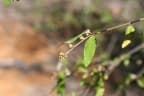
Croton geayi
Croton geayi
Family: Euphorbiaceae
Cultivation
Prefers a sunny position. Most Croton species are relatively indifferent to their habitat and can grow on a wide range of soils in both disturbed and undisturbed vegetation.
Full cultivation guide →Croton glabellus
Croton glabellus
Family: Euphorbiaceae
Cultivation
Most Croton species are relatively indifferent to their habitat and can grow on a wide range of soils in both disturbed and undisturbed vegetation. Plants can commence flowering when only 2 - 3 metres tall.
Full cultivation guide →
Croton glandulosus
Croton glandulosus
Family: Euphorbiaceae
Cultivation
Most Croton species are relatively indifferent to their habitat and can grow on a wide range of soils in both disturbed and undisturbed vegetation. Plants can flower all year round.
Full cultivation guide →Croton gossypiifolius
Croton gossypiifolius
Family: Euphorbiaceae
Cultivation
Most Croton species are relatively indifferent to their habitat and can grow on a wide range of soils in both disturbed and undisturbed vegetation.
Full cultivation guide →
Croton goudotii
Croton goudotii
Family: Euphorbiaceae
Cultivation
Most Croton species are relatively indifferent to their habitat and can grow on a wide range of soils in both disturbed and undisturbed vegetation.
Full cultivation guide →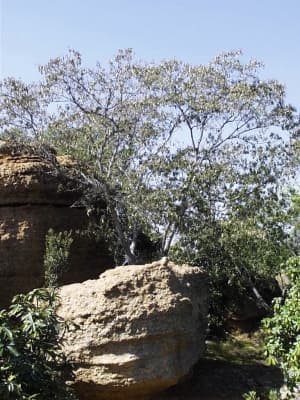
Croton gratissimus
Croton gratissimus
Family: Euphorbiaceae
Cultivation
Most Croton species are relatively indifferent to their habitat and can grow on a wide range of soils in both disturbed and undisturbed vegetation.
Full cultivation guide →
Croton greveanus
Croton greveanus
Family: Euphorbiaceae
Cultivation
Most Croton species are relatively indifferent to their habitat and can grow on a wide range of soils in both disturbed and undisturbed vegetation. The leaves are strongly aromatic.
Full cultivation guide →Croton grewioides
Croton grewioides
Family: Euphorbiaceae
Cultivation
Croton grewioides is a plant of semi-arid regions in Brazil Most Croton species are relatively indifferent to their habitat and can grow on a wide range of soils in both disturbed and undisturbed vegetation. A very aromatic plant with a strong scent of cinnamon, even in dried plant material.
Full cultivation guide →Croton griffithii
Croton griffithii
Family: Euphorbiaceae
Cultivation
Most Croton species are relatively indifferent to their habitat and can grow on a wide range of soils in both disturbed and undisturbed vegetation. This species is found in the wild on alluvial sites and hillsides with shallow sandy to clay soils
Full cultivation guide →
Croton guatemalensis
Croton guatemalensis
Family: Euphorbiaceae
Cultivation
Most Croton species are relatively indifferent to their habitat and can grow on a wide range of soils in both disturbed and undisturbed vegetation. The leaves have an aroma reminiscent of oregano.
Full cultivation guide →Croton haumanianus
Croton haumanianus
Family: Euphorbiaceae
Cultivation
Most Croton species are relatively indifferent to their habitat and can grow on a wide range of soils in both disturbed and undisturbed vegetation.
Full cultivation guide →Croton hostmannii
Croton hostmannii
Family: Euphorbiaceae
Cultivation
Most Croton species are relatively indifferent to their habitat and can grow on a wide range of soils in both disturbed and undisturbed vegetation.
Full cultivation guide →Croton hovarum
Croton hovarum
Family: Euphorbiaceae
Cultivation
Most Croton species are relatively indifferent to their habitat and can grow on a wide range of soils in both disturbed and undisturbed vegetation.
Full cultivation guide →
Croton humbertii
Croton humbertii
Family: Euphorbiaceae
Cultivation
Most Croton species are relatively indifferent to their habitat and can grow on a wide range of soils in both disturbed and undisturbed vegetation.
Full cultivation guide →
Croton humilis
Croton humilis
Family: Euphorbiaceae
Cultivation
Most Croton species are relatively indifferent to their habitat and can grow on a wide range of soils in both disturbed and undisturbed vegetation.
Full cultivation guide →Croton isomonensis
Croton isomonensis
Family: Euphorbiaceae
Cultivation
Most Croton species are relatively indifferent to their habitat and can grow on a wide range of soils in both disturbed and undisturbed vegetation.
Full cultivation guide →Croton jatrophoides
Croton jatrophoides
Family: Euphorbiaceae
Cultivation
Most Croton species are relatively indifferent to their habitat and can grow on a wide range of soils in both disturbed and undisturbed vegetation.
Full cultivation guide →
Croton jennyanus
Croton jennyanus
Family: Euphorbiaceae
Cultivation
Most Croton species are relatively indifferent to their habitat and can grow on a wide range of soils in both disturbed and undisturbed vegetation.
Full cultivation guide →
Croton kimosorum
Croton kimosorum
Family: Euphorbiaceae
Cultivation
Most Croton species are relatively indifferent to their habitat and can grow on a wide range of soils in both disturbed and undisturbed vegetation.
Full cultivation guide →Croton kongensis
Croton kongensis
Family: Euphorbiaceae
Cultivation
Most Croton species are relatively indifferent to their habitat and can grow on a wide range of soils in both disturbed and undisturbed vegetation. The plant can flower and fruit almost all year round. The flowers are fragrant.
Full cultivation guide →
Croton laevigatus
Croton laevigatus
Family: Euphorbiaceae
Cultivation
Most Croton species are relatively indifferent to their habitat and can grow on a wide range of soils in both disturbed and undisturbed vegetation.
Full cultivation guide →
Croton lechleri
Croton lechleri
Family: Euphorbiaceae
Cultivation
Grows best in a well-drained, fertile soil. Most Croton species are relatively indifferent to their habitat and can grow on a wide range of soils in both disturbed and undisturbed vegetation. A fast-growing tree.
Full cultivation guide →Croton leiophyllus
Croton leiophyllus
Family: Euphorbiaceae
Cultivation
Most Croton species are relatively indifferent to their habitat and can grow on a wide range of soils in both disturbed and undisturbed vegetation.
Full cultivation guide →Croton lindquistii
Croton lindquistii
Family: Euphorbiaceae
Cultivation
Most Croton species are relatively indifferent to their habitat and can grow on a wide range of soils in both disturbed and undisturbed vegetation. Plants can be coppiced, generally growing back as a multi-stemmed shrub.
Full cultivation guide →Croton longiracemosus
Croton longiracemosus
Family: Euphorbiaceae
Cultivation
Most Croton species are relatively indifferent to their habitat and can grow on a wide range of soils in both disturbed and undisturbed vegetation.
Full cultivation guide →Croton longissimus
Croton longissimus
Family: Euphorbiaceae
Cultivation
Most Croton species are relatively indifferent to their habitat and can grow on a wide range of soils in both disturbed and undisturbed vegetation.
Full cultivation guide →
Croton macrobuxus
Croton macrobuxus
Family: Euphorbiaceae
Cultivation
Most Croton species are relatively indifferent to their habitat and can grow on a wide range of soils in both disturbed and undisturbed vegetation.
Full cultivation guide →
Croton macrostachyus
Croton macrostachyus
Family: Euphorbiaceae
Cultivation
Plants can be grown in the tropics and subtropics at elevations from 200 - 2,000 metres. They grow best in areas where the mean annual rainfall is within the range 150 - 1,200mm. Succeeds in full sun as well as in moderate shade.
Full cultivation guide →Croton malambo
Croton malambo
Family: Euphorbiaceae
Cultivation
Most Croton species are relatively indifferent to their habitat and can grow on a wide range of soils in both disturbed and undisturbed vegetation.
Full cultivation guide →
Croton matourensis
Croton matourensis
Family: Euphorbiaceae
Cultivation
Succeeds in full sun and in dappled shade. Established plants are drought tolerant. Most Croton species are relatively indifferent to their habitat and can grow on a wide range of soils in both disturbed and undisturbed vegetation.
Full cultivation guide →Croton mauritianus
Croton mauritianus
Family: Euphorbiaceae
Cultivation
Most Croton species are relatively indifferent to their habitat and can grow on a wide range of soils in both disturbed and undisturbed vegetation.
Full cultivation guide →Croton mayumbensis
Croton mayumbensis
Family: Euphorbiaceae
Cultivation
Most Croton species are relatively indifferent to their habitat and can grow on a wide range of soils in both disturbed and undisturbed vegetation.
Full cultivation guide →
Croton megalobotrys
Croton megalobotrys
Family: Euphorbiaceae
Cultivation
Most Croton species are relatively indifferent to their habitat and can grow on a wide range of soils in both disturbed and undisturbed vegetation.
Full cultivation guide →
Croton megalocarpus
Croton megalocarpus
Family: Euphorbiaceae
Cultivation
Croton megalocarpus is a plant of the tropics, where it can be found at elevations from 700 - 2,400 metres. It is most commonly found in regions with a mean annual rainfall of 900 - 1,900 mm, with a dry season of 3 - 4 months and a mean annual temperature of 11 - 26°c. Prefers light, deep and well-drained soils.
Full cultivation guide →Croton membranaceus
Croton membranaceus
Family: Euphorbiaceae
Cultivation
Most Croton species are relatively indifferent to their habitat and can grow on a wide range of soils in both disturbed and undisturbed vegetation.
Full cultivation guide →Croton menthodorus
Croton menthodorus
Family: Euphorbiaceae
Cultivation
Most Croton species are relatively indifferent to their habitat and can grow on a wide range of soils in both disturbed and undisturbed vegetation.
Full cultivation guide →Croton menyharthii
Croton menyharthii
Family: Euphorbiaceae
Cultivation
Most Croton species are relatively indifferent to their habitat and can grow on a wide range of soils in both disturbed and undisturbed vegetation.
Full cultivation guide →Croton meridionalis
Croton meridionalis
Family: Euphorbiaceae
Cultivation
Most Croton species are relatively indifferent to their habitat and can grow on a wide range of soils in both disturbed and undisturbed vegetation.
Full cultivation guide →Croton metallicus
Croton metallicus
Family: Euphorbiaceae
Cultivation
Most Croton species are relatively indifferent to their habitat and can grow on a wide range of soils in both disturbed and undisturbed vegetation.
Full cultivation guide →Croton mocquerysii
Croton mocquerysii
Family: Euphorbiaceae
Cultivation
Most Croton species are relatively indifferent to their habitat and can grow on a wide range of soils in both disturbed and undisturbed vegetation.
Full cultivation guide →
Croton mongue
Croton mongue
Family: Euphorbiaceae
Cultivation
A plant of the moist tropics, where it is found at elevations up to 1,300 metres. It is found in regions with an average annual temperature of about 17°c; a mean annual rainfall in the range 2,000 - 3,000mm; and with up to 3 dry months in the year. Most Croton species are relatively indifferent to their habitat and can grow on a wide range of soils in both disturbed and undisturbed vegetation.
Full cultivation guide →
Croton mubango
Croton mubango
Family: Euphorbiaceae
Cultivation
Most Croton species are relatively indifferent to their habitat and can grow on a wide range of soils in both disturbed and undisturbed vegetation. Established plants are very drought tolerant.
Full cultivation guide →Croton muricatus
Croton muricatus
Family: Euphorbiaceae
Cultivation
Most Croton species are relatively indifferent to their habitat and can grow on a wide range of soils in both disturbed and undisturbed vegetation.
Full cultivation guide →
Croton myriaster
Croton myriaster
Family: Euphorbiaceae
Cultivation
Most Croton species are relatively indifferent to their habitat and can grow on a wide range of soils in both disturbed and undisturbed vegetation.
Full cultivation guide →
Croton nigritanus
Croton nigritanus
Family: Euphorbiaceae
Cultivation
Most Croton species are relatively indifferent to their habitat and can grow on a wide range of soils in both disturbed and undisturbed vegetation.
Full cultivation guide →
Croton nitidulus
Croton nitidulus
Family: Euphorbiaceae
Cultivation
Most Croton species are relatively indifferent to their habitat and can grow on a wide range of soils in both disturbed and undisturbed vegetation.
Full cultivation guide →Croton niveus
Croton niveus
Family: Euphorbiaceae
Cultivation
Most Croton species are relatively indifferent to their habitat and can grow on a wide range of soils in both disturbed and undisturbed vegetation.
Full cultivation guide →
Croton noronhae
Croton noronhae
Family: Euphorbiaceae
Cultivation
Most Croton species are relatively indifferent to their habitat and can grow on a wide range of soils in both disturbed and undisturbed vegetation. Some species, such as this one, are more restricted in their ecological range and are confined to coastal zones.
Full cultivation guide →Croton oligandrus
Croton oligandrus
Family: Euphorbiaceae
Cultivation
Most Croton species are relatively indifferent to their habitat and can grow on a wide range of soils in both disturbed and undisturbed vegetation.
Full cultivation guide →
Croton palanostigma
Croton palanostigma
Family: Euphorbiaceae
Cultivation
Most Croton species are relatively indifferent to their habitat and can grow on a wide range of soils in both disturbed and undisturbed vegetation. This species is one of several that supply a red resin from their stem. This resin, often known as 'Dragon's Blood' is often used as an external application to treat a range of skin problems and injuries.
Full cultivation guide →Croton penduliflorus
Croton penduliflorus
Family: Euphorbiaceae
Cultivation
Most Croton species are relatively indifferent to their habitat and can grow on a wide range of soils in both disturbed and undisturbed vegetation.
Full cultivation guide →Croton perrieri
Croton perrieri
Family: Euphorbiaceae
Cultivation
Most Croton species are relatively indifferent to their habitat and can grow on a wide range of soils in both disturbed and undisturbed vegetation.
Full cultivation guide →
Croton persimilis
Croton persimilis
Family: Euphorbiaceae
Cultivation
The plant is found in the wild on limestone, sandstone, basalt or granite soils. The flowers are scented or with a foetid odour.
Full cultivation guide →Croton piptocalyx
Croton piptocalyx
Family: Euphorbiaceae
Cultivation
Grows best in a sunny position. Most Croton species are relatively indifferent to their habitat and can grow on a wide range of soils in both disturbed and undisturbed vegetation. A fast-growing tree, easily reaching a height of 4 metres within two years from seed.
Full cultivation guide →
Croton poecilanthus
Croton poecilanthus
Family: Euphorbiaceae
Cultivation
Most Croton species are relatively indifferent to their habitat and can grow on a wide range of soils in both disturbed and undisturbed vegetation. The plant flowers and produces fruit almost all year round.
Full cultivation guide →Croton poilanei
Croton poilanei
Family: Euphorbiaceae
Cultivation
Most Croton species are relatively indifferent to their habitat and can grow on a wide range of soils in both disturbed and undisturbed vegetation. The plant can flower and produce fruit all year round. The flowers are scented.
Full cultivation guide →Croton polytrichus
Croton polytrichus
Family: Euphorbiaceae
Cultivation
Most Croton species are relatively indifferent to their habitat and can grow on a wide range of soils in both disturbed and undisturbed vegetation.
Full cultivation guide →
Croton pseudopulchellus
Croton pseudopulchellus
Family: Euphorbiaceae
Cultivation
Most Croton species are relatively indifferent to their habitat and can grow on a wide range of soils in both disturbed and undisturbed vegetation. The flowers are sweet-smelling and attract many insects. The plant is usually monoecious (male and female flowers are distinct but found on the same plant), though occasional dioecious forms (male and female flowers are on different plants) are found.
Full cultivation guide →
Croton pullei
Croton pullei
Family: Euphorbiaceae
Cultivation
Most Croton species are relatively indifferent to their habitat and can grow on a wide range of soils in both disturbed and undisturbed vegetation.
Full cultivation guide →Croton pyrifolius
Croton pyrifolius
Family: Euphorbiaceae
Cultivation
Most Croton species are relatively indifferent to their habitat and can grow on a wide range of soils in both disturbed and undisturbed vegetation.
Full cultivation guide →Croton reflexifolius
Croton reflexifolius
Family: Euphorbiaceae
Cultivation
Most Croton species are relatively indifferent to their habitat and can grow on a wide range of soils in both disturbed and undisturbed vegetation.
Full cultivation guide →
Croton sakamaliensis
Croton sakamaliensis
Family: Euphorbiaceae
Cultivation
Most Croton species are relatively indifferent to their habitat and can grow on a wide range of soils in both disturbed and undisturbed vegetation.
Full cultivation guide →
Croton salutaris
Croton salutaris
Family: Euphorbiaceae
Cultivation
Most Croton species are relatively indifferent to their habitat and can grow on a wide range of soils in both disturbed and undisturbed vegetation. This species is one of several that supply a red resin from their stem. This resin, often known as 'Dragon's Blood' is often used as an external application to treat a range of skin problems and injuries.
Full cultivation guide →
Croton salviformis
Croton salviformis
Family: Euphorbiaceae
Cultivation
Most Croton species are relatively indifferent to their habitat and can grow on a wide range of soils in both disturbed and undisturbed vegetation.
Full cultivation guide →Croton scheffleri
Croton scheffleri
Family: Euphorbiaceae
Cultivation
Most Croton species are relatively indifferent to their habitat and can grow on a wide range of soils in both disturbed and undisturbed vegetation.
Full cultivation guide →
Croton schiedeanus
Croton schiedeanus
Family: Euphorbiaceae
Cultivation
Prefers a sunny position. Most Croton species are relatively indifferent to their habitat and can grow on a wide range of soils in both disturbed and undisturbed vegetation. The plant can flower at almost any time of the year.
Full cultivation guide →Croton somalensis
Croton somalensis
Family: Euphorbiaceae
Cultivation
Most Croton species are relatively indifferent to their habitat and can grow on a wide range of soils in both disturbed and undisturbed vegetation.
Full cultivation guide →Croton sonderianus
Croton sonderianus
Family: Euphorbiaceae
Cultivation
Most Croton species are relatively indifferent to their habitat and can grow on a wide range of soils in both disturbed and undisturbed vegetation.
Full cultivation guide →Croton sousae
Croton sousae
Family: Euphorbiaceae
Cultivation
Most Croton species are relatively indifferent to their habitat and can grow on a wide range of soils in both disturbed and undisturbed vegetation.
Full cultivation guide →Croton stanneum
Croton stanneum
Family: Euphorbiaceae
Cultivation
Most Croton species are relatively indifferent to their habitat and can grow on a wide range of soils in both disturbed and undisturbed vegetation.
Full cultivation guide →Croton steenkampianus
Croton steenkampianus
Family: Euphorbiaceae
Cultivation
Most Croton species are relatively indifferent to their habitat and can grow on a wide range of soils in both disturbed and undisturbed vegetation.
Full cultivation guide →
Croton stellatopilosus
Croton stellatopilosus
Family: Euphorbiaceae
Cultivation
Most Croton species are relatively indifferent to their habitat and can grow on a wide range of soils in both disturbed and undisturbed vegetation. A fast-growing species, seedlings can reach a height of 2 - 4 metres within 3 - 4 years. Croton stellatopilosus can be successfully propagated by shoot tip culture technique for rapid multiplication of superior plant material with higher plaunotol content.
Full cultivation guide →
Croton sylvaticus
Croton sylvaticus
Family: Euphorbiaceae
Cultivation
A plant of the subtropics to the tropics, where it can be found at elevations up to 1,700 metres. Especially when young, the plant is susceptible to damage by frost. Succeeds in full sun and in moderate to deep shade.
Full cultivation guide →Croton talaeporos
Croton talaeporos
Family: Euphorbiaceae
Cultivation
Most Croton species are relatively indifferent to their habitat and can grow on a wide range of soils in both disturbed and undisturbed vegetation.
Full cultivation guide →
Croton tiglium
Croton tiglium
Family: Euphorbiaceae
Cultivation
A plant of the lowland tropics and subtropics, it tolerates an annual rainfall of 600 - 1,200 mm and an annual temperature in the range 21 - 27.5°c. Succeeds in soils with a pH ranging from 4.5 - 7.5. Succeeds in very poor soils.
Full cultivation guide →Croton tranomarensis
Croton tranomarensis
Family: Euphorbiaceae
Cultivation
Most Croton species are relatively indifferent to their habitat and can grow on a wide range of soils in both disturbed and undisturbed vegetation.
Full cultivation guide →Croton trichotomus
Croton trichotomus
Family: Euphorbiaceae
Cultivation
Most Croton species are relatively indifferent to their habitat and can grow on a wide range of soils in both disturbed and undisturbed vegetation.
Full cultivation guide →
Croton trinitatis
Croton trinitatis
Family: Euphorbiaceae
Cultivation
Most Croton species are relatively indifferent to their habitat and can grow on a wide range of soils in both disturbed and undisturbed vegetation. The plant is often a weed of cultivated ground within its native range.
Full cultivation guide →
Croton urucurana
Croton urucurana
Family: Euphorbiaceae
Cultivation
Requires a sunny position. Plants are tolerant of seasonal inundation of the soil. Most Croton species are relatively indifferent to their habitat and can grow on a wide range of soils in both disturbed and undisturbed vegetation.
Full cultivation guide →
Croton verrucosus
Croton verrucosus
Family: Euphorbiaceae
Cultivation
Most Croton species are relatively indifferent to their habitat and can grow on a wide range of soils in both disturbed and undisturbed vegetation.
Full cultivation guide →Croton wellensii
Croton wellensii
Family: Euphorbiaceae
Cultivation
Most Croton species are relatively indifferent to their habitat and can grow on a wide range of soils in both disturbed and undisturbed vegetation.
Full cultivation guide →
Croton xalapensis
Croton xalapensis
Family: Euphorbiaceae
Cultivation
Most Croton species are relatively indifferent to their habitat and can grow on a wide range of soils in both disturbed and undisturbed vegetation.
Full cultivation guide →