Senna — 42 species
Botanical species in the genus Senna recorded in the PlantPeers database.

Senna alata
Senna alata
Family: Fabaceae
Cultivation
A plant of moister areas in the tropics, where it is usually found at lower elevations but occasionally as high as 2,100 metres. It is reported to tolerate a mean annual rainfall of 600 - 4,300mm and average yearly temperatures of 15 - 30°c. It is very susceptible to frost damage.
Full cultivation guide →
Senna alexandrina
Senna alexandrina
Family: Fabaceae
Cultivation
Plants can be grown in the drier warm temperate to tropical zones. Prefers a deep, well-drained, moderately fertile sandy loam and a position in full sun. Germination is hampered by salinity but older plants are salt-tolerant.
Full cultivation guide →
Senna atomaria
Senna atomaria
Family: Fabaceae
Cultivation
A plant of the tropics where it can be found at elevations up to 2,000 metres. It grows best in areas where the mean annual rainfall is within the range 500 - 1,200mm. Succeeds in full sun and in dappled, woodland shade.
Full cultivation guide →
Senna auriculata
Senna auriculata
Family: Fabaceae
Cultivation
A plant mainly of dry regions in the tropics, though it is also able to tolerate much wetter conditions. It grows best in areas where the mean annual temperature is in the range 16 - 27°c and can tolerate a mean annual precipitation as low as 400mm, or up to 4,300 mm. Requires a position in full sun.
Full cultivation guide →
Senna bicapsularis
Senna bicapsularis
Family: Fabaceae
Cultivation
This species is cultivated in many parts of the tropics, it has often escaped and become naturalized. The foliage has a rather strong and unpleasant odour. Although many species within the family Fabaceae have a symbiotic relationship with soil bacteria, this species is said to be devoid of such a relationship and therefore does not fix atmospheric nitrogen.
Full cultivation guide →
Senna cana
Senna cana
Family: Fabaceae
Cultivation
Requires a sunny position. Succeeds in dry soils. Established plants are drought tolerant.
Full cultivation guide →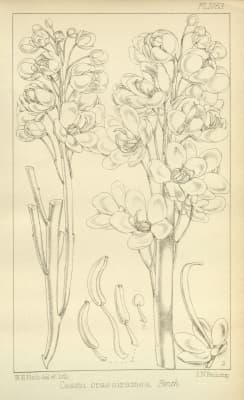
Senna crassiramea
Senna crassiramea
Family: Fabaceae
Cultivation
A plant of higher elevations in the drier tropics and subtropics, being found usually at elevations above 2,000 metres. It is found in areas where the mean annual temperature is around 18.5°c and the mean annual rainfall is around 290mm. Although many species within the family Fabaceae have a symbiotic relationship with soil bacteria, this species is said to be devoid of such a relationship and therefore does not fix atmospheric nitrogen.
Full cultivation guide →
Senna didymobotrya
Senna didymobotrya
Family: Fabaceae
Cultivation
Succeeds in tropical and sub-tropical regions, where it is found at elevations from sea level to 2,500 metres. The plant has escaped from cultivation in some areas and shows signs of being invasive. The plant flowers profusely twice a year.
Full cultivation guide →
Senna hirsuta
Senna hirsuta
Family: Fabaceae
Cultivation
Succeeds in subtropical to tropical regions at elevations up to about 700 metres. Prefers a sunny position. The plant has often escaped from cultivation and become a weed in SE Asia and the Pacific.
Full cultivation guide →Senna holosericea
Senna holosericea
Family: Fabaceae
Cultivation
Although many species within the family Fabaceae have a symbiotic relationship with soil bacteria, this species is said to be devoid of such a relationship and therefore does not fix atmospheric nitrogen.
Full cultivation guide →
Senna italica
Senna italica
Family: Fabaceae
Cultivation
Plants succeed in drier areas of the tropics and subtropics. Prefers a deep, well-drained, moderately fertile sandy loam and a position in full sun. Flowering usually takes place during the rainy season.
Full cultivation guide →

Senna macranthera
Senna macranthera
Family: Fabaceae
Cultivation
Grows best in a sunny position. Succeeds in a wide range of soils. A fast-growing tree, easily reaching a height of 3.5 metres within 2 years from seed.
Full cultivation guide →Senna marilandica
Senna marilandica
Family: Fabaceae
Cultivation
Succeeds in most well-drained soils but prefers an open sandy loam in a sunny sheltered position. Established plants are drought tolerant. Succeeds in light shade, but the plant is much less vigorous when grown in dry shade.
Full cultivation guide →

Senna multijuga
Senna multijuga
Family: Fabaceae
Cultivation
Requires a sunny position. Succeeds in a wide range of soils so long as they are well-drained. Established plants are drought tolerant.
Full cultivation guide →
Senna obtusifolia
Senna obtusifolia
Family: Fabaceae
Cultivation
Plants succeed in the tropics and subtropics. Prefers a deep, well-drained, moderately fertile sandy loam and a position in full sun. The plant can spread freely and it is considered to be a weed in many parts of the world - for example, an estimated 600,000 ha of land are infested with it in Queensland (Australia).
Full cultivation guide →
Senna occidentalis
Senna occidentalis
Family: Fabaceae
Cultivation
Coffee senna has a wide native range from the subtropics of S. America through to southern N. America and the Caribbean.
Full cultivation guide →
Senna oxyphylla
Senna oxyphylla
Family: Fabaceae
Cultivation
A plant of the lowland tropics. This species has a symbiotic relationship with certain soil bacteria; these bacteria form nodules on the roots and fix atmospheric nitrogen. Some of this nitrogen is utilized by the growing plant but some can also be used by other plants growing nearby.
Full cultivation guide →
Senna pallida
Senna pallida
Family: Fabaceae
Cultivation
Although many species within the family Fabaceae have a symbiotic relationship with soil bacteria, this species is said to be devoid of such a relationship and therefore does not fix atmospheric nitrogen.
Full cultivation guide →
Senna petersiana
Senna petersiana
Family: Fabaceae
Cultivation
Although many species within the family Fabaceae have a symbiotic relationship with soil bacteria, this species is said to be devoid of such a relationship and therefore does not fix atmospheric nitrogen.
Full cultivation guide →Senna podocarpa
Senna podocarpa
Family: Fabaceae
Cultivation
Anthraquinone glycosides in Senna podocarpa reach their highest level during the dry season and drop during the rainy season. This can be taken into account when deciding on the time of harvesting. Although many species within the family Fabaceae have a symbiotic relationship with soil bacteria, this species is said to be devoid of such a relationship and therefore does not fix atmospheric nitrogen.
Full cultivation guide →
Senna polyphylla
Senna polyphylla
Family: Fabaceae
Cultivation
A plant of low elevations in the tropics, where it can be found at elevations up to 300 metres. It grows in areas where the mean annual rainfall is within the range 750 - 1,200mm. Requires a sunny position.
Full cultivation guide →
Senna quinquangulata
Senna quinquangulata
Family: Fabaceae
Cultivation
There are conflicting reports on whether or not this species has a symbiotic relationship with certain soil bacteria, so it is unclear as to whether it fixes atmospheric nitrogen.
Full cultivation guide →
Senna reticulata
Senna reticulata
Family: Fabaceae
Cultivation
The plant sometimes forms dense thickets along stream beds or about the margins of lakes, growing at times in shallow water. Although many species within the family Fabaceae have a symbiotic relationship with soil bacteria, this species is said to be devoid of such a relationship and therefore does not fix atmospheric nitrogen.
Full cultivation guide →
Senna septemtrionalis
Senna septemtrionalis
Family: Fabaceae
Cultivation
Prefers a deep, well-drained, moderately fertile sandy loam and a position in full sun. Often grown as an ornamental, the plant has escaped from cultivation and become a weed in some areas. There are conflicting reports on whether or not this tree has a symbiotic relationship with certain soil bacteria, so it is unclear as to whether this tree fixes atmospheric nitrogen.
Full cultivation guide →
Senna siamea
Senna siamea
Family: Fabaceae
Cultivation
The tree will grow in a range of climatic conditions, but is particularly suited to the lowland tropics with a monsoon climate, where it can succeed at elevations up to 1,300 metres. It grows in areas where the mean annual rainfall ranges from 500 - 2,800 mm with an optimum of about 1,000 mm. The maximum length of the dry period should not exceed 4 - 8 months.
Full cultivation guide →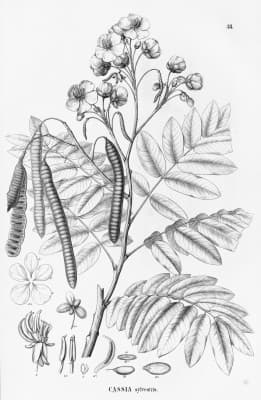
Senna silvestris
Senna silvestris
Family: Fabaceae
Cultivation
Grows best in a sunny position. Succeeds in a range of soils. Succeeds in dry soils.
Full cultivation guide →
Senna singueana
Senna singueana
Family: Fabaceae
Cultivation
A plant of low to moderate elevations in the drier tropics, where it can be found from sea level to over 2,000 metres. It is found mainly in areas where the mean annual temperature is from 25 - 30°c, and the mean annual rainfall is within the range 500 - 1,000mm. A fast-growing plant.
Full cultivation guide →
Senna sophera
Senna sophera
Family: Fabaceae
Cultivation
Prefers a deep, well-drained, moderately fertile sandy loam and a position in full sun. The plant is sometimes a weed. A host of bean common mosaic necrosis virus (BCMNV), Javanese root knot nematode (Meloidogyne javanica) and bean flower thrips (Megalurothrips sjostedti).
Full cultivation guide →
Senna spectabilis
Senna spectabilis
Family: Fabaceae
Cultivation
A plant of the tropics and subtropics, where it is found at elevations up to 2,000 metres. It grows best in areas where annual daytime temperatures are within the range 15 - 25°c, but can tolerate 10 - 30°c. It prefers a mean annual rainfall in the range 800 - 1,000mm, but tolerates 600 - 1,500mm.
Full cultivation guide →
Senna surattensis
Senna surattensis
Family: Fabaceae
Cultivation
Although many species within the family Fabaceae have a symbiotic relationship with soil bacteria, this species is said to be devoid of such a relationship and therefore does not fix atmospheric nitrogen.
Full cultivation guide →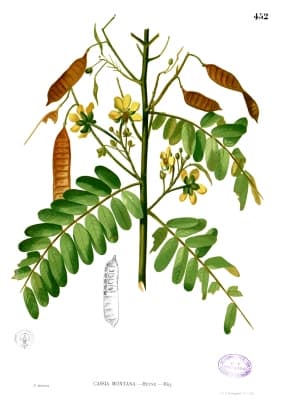
Senna timoriensis
Senna timoriensis
Family: Fabaceae
Cultivation
A plant of lowland tropical areas, where it is found at elevations up to 1,100 metres. It is usually found in areas with a monsoon climate. Prefers calcareous soils in the wild.
Full cultivation guide →
Senna tora
Senna tora
Family: Fabaceae
Cultivation
Plants succeed in the tropics and subtropics. Prefers a deep, well-drained, moderately fertile sandy loam and a position in full sun. Originally native to the tropical Americas, this plant has escaped from cultivation and become naturalized in many other areas in the tropics.
Full cultivation guide →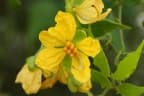

Senna uniflora
Senna uniflora
Family: Fabaceae
Cultivation
Plants grow best when given plentiful moisture, soon withering if the soil becomes dry. The plant is often a weed within its native range. Although many species within the family Fabaceae have a symbiotic relationship with soil bacteria, this species is said to be devoid of such a relationship and therefore does not fix atmospheric nitrogen.
Full cultivation guide →

Senna × floribunda
Senna × floribunda
Family: Fabaceae
Cultivation
The plant is naturalized in subtropical and tropical areas around the world. Succeeds in dry or wet conditions, in shade or full sun. Although many species within the family Fabaceae have a symbiotic relationship with soil bacteria, this species is said to be devoid of such a relationship and therefore does not fix atmospheric nitrogen.
Full cultivation guide →