Passiflora — 92 species
Botanical species in the genus Passiflora recorded in the PlantPeers database.

Passiflora actinia
Passiflora actinia
Family: Passifloraceae
Cultivation
A plant of the tropics and subtropics, found at elevations from 350 metres and above. Plants can tolerate occasional temperatures as low as -5°c. Requires a humus-rich, moist but well-drained soil and a position in dappled shade.
Full cultivation guide →
Passiflora adenopoda
Passiflora adenopoda
Family: Passifloraceae
Cultivation
Passiflora species generally grow best in a sheltered, sunny position or in dappled shade. Most species are found in the wild in moist but well-drained soils, generally of a lighter texture, and will often flower and fruit more heavily if the soil fertility is low. They often develop deep roots and can be moderately tolerant of dry spells.
Full cultivation guide →
Passiflora alata
Passiflora alata
Family: Passifloraceae
Cultivation
Succeeds in lowland tropical to subtropical areas. Plants require a temperature no lower than around 16°c when they are flowering in order to ensure fruit set. They can tolerate occasional low temperatures down to 2°c.
Full cultivation guide →
Passiflora ambigua
Passiflora ambigua
Family: Passifloraceae
Cultivation
Passiflora species generally grow best in a sheltered, sunny position or in dappled shade. Many of the vigorous species, this one included, can succeed in fairly dense shade, but in such a situation they climb into the canopy of the forest in order to get enough light to flourish, flower and produce fruit. Most species are found in the wild in moist but well-drained soils, generally of a lighter texture, and will often flower and fruit more heavily if the soil fertility is low.
Full cultivation guide →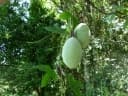
Passiflora amethystina
Passiflora amethystina
Family: Passifloraceae
Cultivation
Passiflora amethystina is not very cold-tolerant, though it can tolerate some frost if it is growing in a well-drained soil. Top growth will be cut back to ground level, but the plant can resprout from the rootstock. Passiflora species generally grow best in a sheltered, sunny position or in dappled shade.
Full cultivation guide →Passiflora ampullacea
Passiflora ampullacea
Family: Passifloraceae
Cultivation
A plant of the moist tropics where it is found at higher elevations of 2,600 - 3,330 metres. Passiflora species generally grow best in a sheltered, sunny position or in dappled shade. Most species are found in the wild in moist but well-drained soils, generally of a lighter texture, and will often flower and fruit more heavily if the soil fertility is low.
Full cultivation guide →
Passiflora antioquiensis
Passiflora antioquiensis
Family: Passifloraceae
Cultivation
A plant of higher elevations in the moister tropics. It can also be grown successfully at lower elevations in the tropics and subtropics. Tolerant of occasional slight frosts.
Full cultivation guide →Passiflora aristulata
Passiflora aristulata
Family: Passifloraceae
Cultivation
Passiflora species generally grow best in a sheltered, sunny position or in dappled shade. Most species are found in the wild in moist but well-drained soils, generally of a lighter texture, and will often flower and fruit more heavily if the soil fertility is low. They often develop deep roots and can be moderately tolerant of dry spells.
Full cultivation guide →Passiflora aurantia
Passiflora aurantia
Family: Passifloraceae
Cultivation
Succeeds in full sun and in partial shade. Grows best in a moist but well-drained, fairly rich soil.
Full cultivation guide →Passiflora auriculata
Passiflora auriculata
Family: Passifloraceae
Cultivation
Passiflora species generally grow best in a sheltered, sunny position or in dappled shade. Most species are found in the wild in moist but well-drained soils, generally of a lighter texture, and will often flower and fruit more heavily if the soil fertility is low. They often develop deep roots and can be moderately tolerant of dry spells.
Full cultivation guide →Passiflora bicornis
Passiflora bicornis
Family: Passifloraceae
Cultivation
Passiflora species generally grow best in a sheltered, sunny position or in dappled shade. Most species are found in the wild in moist but well-drained soils, generally of a lighter texture, and will often flower and fruit more heavily if the soil fertility is low. They often develop deep roots and can be moderately tolerant of dry spells.
Full cultivation guide →Passiflora biflora
Passiflora biflora
Family: Passifloraceae
Cultivation
The plant is grown as an ornamental and can escape from cultivation, It is listed as a weed in Florida.
Full cultivation guide →Passiflora bryonioides
Passiflora bryonioides
Family: Passifloraceae
Cultivation
Passiflora bryonioides is found from the semi-arid, subtropical climate of Arizona, south to the moist tropics of southern Mexico. Not a very cold hardy plant, when dormant it can tolerate short periods with temperatures falling to around -8°c. Passiflora species generally grow best in a sheltered, sunny position or in dappled shade.
Full cultivation guide →
Passiflora caerulea
Passiflora caerulea
Family: Passifloraceae
Cultivation
Passiflora caerulea is a plant of the subtropical to tropical zones of South America, usually growing at elevations above about 500 metres in the tropics. Dormant plants are hardy to about -15°c, if they are cut down to the ground by frost then they will usually regenerate from the base. Requires a well-drained soil with plenty of moisture in the growing season, otherwise it is not fussy.
Full cultivation guide →Passiflora candollei
Passiflora candollei
Family: Passifloraceae
Cultivation
Passiflora species generally grow best in a sheltered, sunny position or in dappled shade. Most species are found in the wild in moist but well-drained soils, generally of a lighter texture, and will often flower and fruit more heavily if the soil fertility is low. They often develop deep roots and can be moderately tolerant of dry spells.
Full cultivation guide →Passiflora capparidifolia
Passiflora capparidifolia
Family: Passifloraceae
Cultivation
Passiflora species generally grow best in a sheltered, sunny position or in dappled shade. Many of the vigorous species, this one included, can succeed in fairly dense shade, but in such a situation they climb into the canopy of the forest in order to get enough light to flourish, flower and produce fruit. Most species are found in the wild in moist but well-drained soils, generally of a lighter texture, and will often flower and fruit more heavily if the soil fertility is low.
Full cultivation guide →Passiflora capsularis
Passiflora capsularis
Family: Passifloraceae
Cultivation
Passiflora capsularis is native to the subtropical and tropical regions of S. America. It is able to tolerate occasional light frosts.
Full cultivation guide →Passiflora ciliata
Passiflora ciliata
Family: Passifloraceae
Cultivation
Passiflora species generally grow best in a sheltered, sunny position or in dappled shade. Most species are found in the wild in moist but well-drained soils, generally of a lighter texture, and will often flower and fruit more heavily if the soil fertility is low. They often develop deep roots and can be moderately tolerant of dry spells.
Full cultivation guide →
Passiflora cincinnata
Passiflora cincinnata
Family: Passifloraceae
Cultivation
Passiflora species generally grow best in a sheltered, sunny position or in dappled shade. Most species are found in the wild in moist but well-drained soils, generally of a lighter texture, and will often flower and fruit more heavily if the soil fertility is low. They often develop deep roots and can be moderately tolerant of dry spells.
Full cultivation guide →Passiflora cinnabarina
Passiflora cinnabarina
Family: Passifloraceae
Cultivation
Passiflora cinnabarina is native to the warm temperate and subtropical climate of southeastern Australia, where it can experience moderate frosts397. Succeeding in full sun to semi-shade, the plant prefers a moist, fairly rich, well-drained soil.
Full cultivation guide →
Passiflora coccinea
Passiflora coccinea
Family: Passifloraceae
Cultivation
An easily grown plant, it generally succeeds in a moderately sunny position in a wide range of soils, so long as they are well-drained. They tend to flower and fruit more freely when grown in soils of only moderate fertility. The plant can sometimes become invasive in agricultural areas.
Full cultivation guide →Passiflora colimensis
Passiflora colimensis
Family: Passifloraceae
Cultivation
Passiflora species generally grow best in a sheltered, sunny position or in dappled shade. Most species are found in the wild in moist but well-drained soils, generally of a lighter texture, and will often flower and fruit more heavily if the soil fertility is low. They often develop deep roots and can be moderately tolerant of dry spells.
Full cultivation guide →Passiflora coriacea
Passiflora coriacea
Family: Passifloraceae
Cultivation
Passiflora coriacea is not frost hardy, tolerating only short periods with temperatures down to 5°c. Passiflora species generally grow best in a sheltered, sunny position or in dappled shade. Most species are found in the wild in moist but well-drained soils, generally of a lighter texture, and will often flower and fruit more heavily if the soil fertility is low.
Full cultivation guide →
Passiflora cumbalensis
Passiflora cumbalensis
Family: Passifloraceae
Cultivation
A plant of the moist tropics, where it is found at higher elevations from 2,500 - 3,000 metres. Passiflora species generally grow best in a sheltered, sunny position or in dappled shade. Most species are found in the wild in moist but well-drained soils, generally of a lighter texture, and will often flower and fruit more heavily if the soil fertility is low.
Full cultivation guide →
Passiflora edulis
Passiflora edulis
Family: Passifloraceae
Cultivation
Passiflora edulis is native to subtropical regions of S. America and is also cultivated at higher elevations in more tropical areas. It can be grown between sea level and 900 metres in the subtropics, and from 900 - 2,000 metres or even higher in the tropics.
Full cultivation guide →Passiflora edulis flavicarpa
Passiflora edulis flavicarpa
Family: Passifloraceae
Cultivation
This form of Passiflora edulis is more of a tropical plant than the species and grows successfully at low elevations in tropical areas. It grows best in areas where annual daytime temperatures are within the range 20 - 30°c, but can tolerate 18 - 34°c. When dormant, the mature plant can survive temperatures down to about -2°c, but young growth cannot tolerate any frost.
Full cultivation guide →
Passiflora eichleriana
Passiflora eichleriana
Family: Passifloraceae
Cultivation
A plant of low to moderate elevations in the tropics and subtropics. Plants are not tolerant of frost. Passiflora species generally grow best in a sheltered, sunny position or in dappled shade.
Full cultivation guide →Passiflora exsudans
Passiflora exsudans
Family: Passifloraceae
Cultivation
Passiflora exsudans is a plant of moderate to high elevations in the subtropical and tropical zones of Mexico. It almost certainly experiences frost at least in parts of its range.
Full cultivation guide →
Passiflora foetida
Passiflora foetida
Family: Passifloraceae
Cultivation
Passiflora foetida is found from the warm temperate zone to the tropics of North and South America. Plants are not very tolerant of frost, and can be killed by temperatures falling to around 3°c. They require a temperature no lower than around 16°c when they are flowering in order to ensure fruit set.
Full cultivation guide →
Passiflora galbana
Passiflora galbana
Family: Passifloraceae
Cultivation
Passiflora galbana is a plant of low to moderate elevations in the tropics. Passiflora species generally grow best in a sheltered, sunny position or in dappled shade. Most species are found in the wild in moist but well-drained soils, generally of a lighter texture, and will often flower and fruit more heavily if the soil fertility is low.
Full cultivation guide →Passiflora garckei
Passiflora garckei
Family: Passifloraceae
Cultivation
Passiflora species generally grow best in a sheltered, sunny position or in dappled shade. Most species are found in the wild in moist but well-drained soils, generally of a lighter texture, and will often flower and fruit more heavily if the soil fertility is low. They often develop deep roots and can be moderately tolerant of dry spells.
Full cultivation guide →Passiflora gardneri
Passiflora gardneri
Family: Passifloraceae
Cultivation
Passiflora species generally grow best in a sheltered, sunny position or in dappled shade. Most species are found in the wild in moist but well-drained soils, generally of a lighter texture, and will often flower and fruit more heavily if the soil fertility is low. They often develop deep roots and can be moderately tolerant of dry spells.
Full cultivation guide →
Passiflora gibertii
Passiflora gibertii
Family: Passifloraceae
Cultivation
Passiflora gibertii is a plant of mainly subtropical areas, also found at higher elevations in the tropics. The plant is tolerant of light frosts. Succeeds in full sun and also in partial shade.
Full cultivation guide →Passiflora glandulosa
Passiflora glandulosa
Family: Passifloraceae
Cultivation
Requires a position in sun, tolerating light shade. When growing in dense forest it climbs up into the canopy in order to reach the light and produce flowers and fruit. Passiflora species generally succeed in a wide range of soils, so long as they are well-drained.
Full cultivation guide →Passiflora gracilens
Passiflora gracilens
Family: Passifloraceae
Cultivation
Passiflora gracilens is a native of tropical S. America, where it is generally found at high elevations up to 3,600 metres. Passiflora species generally grow best in a sheltered, sunny position or in dappled shade.
Full cultivation guide →
Passiflora gracilis
Passiflora gracilis
Family: Passifloraceae
Cultivation
Passiflora gracilis is the only truly annual species in the genus, being found mainly at low to moderate elevations in Mesoamerica, where it can be found up to 2,300 metres. It can be cultivated in cooler climes, succeeding even in warm temperate areas where the growing season is long enough to mature the fruit. Grows best in a position that is sheltered at least from the hottest sun of the day, growing in nature in the dappled shade of other plants.
Full cultivation guide →Passiflora herbertiana
Passiflora herbertiana
Family: Passifloraceae
Cultivation
Passiflora herbertiana is native to eastern Australia, from the tropics of Queensland to the warm temperate climate of southern New South Wales. Plants are not very frost tolerant, though the roots are somewhat hardier and can survive the winter outdoors if the soil is prevented from freezing. If plants are cut down to the ground by frost they can regenerate from the base.
Full cultivation guide →Passiflora holosericea
Passiflora holosericea
Family: Passifloraceae
Cultivation
Passiflora species generally grow best in a sheltered, sunny position or in dappled shade. Most species are found in the wild in moist but well-drained soils, generally of a lighter texture, and will often flower and fruit more heavily if the soil fertility is low. They often develop deep roots and can be moderately tolerant of dry spells.
Full cultivation guide →Passiflora incarnata
Passiflora incarnata
Family: Passifloraceae
Cultivation
Passiflora ncarnata is probably the most cold-tolerant species in the genus and is known to survive temperatures down to about -20°c when growing in a well-drained soil. Top growth is more sensitive and is generally killed back to ground level in cold winters, though the plant generally puts out new shoots in the spring. The top growth of cultivated plants is often cut back almost to the ground at the end of the growing season each year by some people in order to encourage fresh, vigorous new growth in the spring, and the plant is thus treated as a herbaceous perennial Requires a well-drained soil with plenty of moisture in the growing season, otherwise it is not fussy.
Full cultivation guide →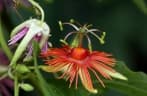
Passiflora jorullensis
Passiflora jorullensis
Family: Passifloraceae
Cultivation
Passiflora species generally grow best in a sheltered, sunny position or in dappled shade. Most species are found in the wild in moist but well-drained soils, generally of a lighter texture, and will often flower and fruit more heavily if the soil fertility is low. They often develop deep roots and can be moderately tolerant of dry spells.
Full cultivation guide →Passiflora karwinskii
Passiflora karwinskii
Family: Passifloraceae
Cultivation
Passiflora species generally grow best in a sheltered, sunny position or in dappled shade. Most species are found in the wild in moist but well-drained soils, generally of a lighter texture, and will often flower and fruit more heavily if the soil fertility is low. They often develop deep roots and can be moderately tolerant of dry spells.
Full cultivation guide →
Passiflora laurifolia
Passiflora laurifolia
Family: Passifloraceae
Cultivation
Passiflora laurifolia is a plant of the hot, wet, lowland tropics, where it is found at elevations up to 500 metres. It grows best in areas where annual daytime temperatures are within the range 22 - 30°c, but can tolerate 12 - 36°c. The plant is not tolerant of frost.
Full cultivation guide →
Passiflora ligularis
Passiflora ligularis
Family: Passifloraceae
Cultivation
Passiflora ligularis is usually grown at elevations between 800 - 3,000 metres in the tropics and down to sea level in the subtropic, it is said to be unsuitable for cultivation in the lowland tropics. It grows best in areas where annual daytime temperatures are within the range 22 - 26°c, but can tolerate 16 - 31°c. When dormant, the plant can survive temperatures down to about -1°c, but young growth can be severely damaged at 0°c.
Full cultivation guide →
Passiflora loefgrenii
Passiflora loefgrenii
Family: Passifloraceae
Cultivation
Passiflora species generally grow best in a sheltered, sunny position or in dappled shade. Most species are found in the wild in moist but well-drained soils, generally of a lighter texture, and will often flower and fruit more heavily if the soil fertility is low. They often develop deep roots and can be moderately tolerant of dry spells.
Full cultivation guide →
Passiflora maliformis
Passiflora maliformis
Family: Passifloraceae
Cultivation
Passiflora maliformis is found in the warm, moist tropics. Plants require a temperature no lower than around 16°c when they are flowering in order to ensure fruit set. Requires a humus-rich, moist but well-drained soil and a position in dappled shade.
Full cultivation guide →
Passiflora manicata
Passiflora manicata
Family: Passifloraceae
Cultivation
A plant of higher elevations in the tropics, where it is found at 1,500 - 2,500 metres. It grows well in Mediterranean-type climates. Plants are not so vigorous, nor do they flower so well, when grown at lower elevations.
Full cultivation guide →Passiflora mayarum
Passiflora mayarum
Family: Passifloraceae
Cultivation
Passiflora species generally grow best in a sheltered, sunny position or in dappled shade. Most species are found in the wild in moist but well-drained soils, generally of a lighter texture, and will often flower and fruit more heavily if the soil fertility is low. They often develop deep roots and can be moderately tolerant of dry spells.
Full cultivation guide →
Passiflora membranacea
Passiflora membranacea
Family: Passifloraceae
Cultivation
Passiflora membranacea is a plant of moderate to high elevations in the tropics of Mesoamerica, usually being found above 1,000 metres and often above 2,000,etres. Plants experience frost at least in parts of their range and they are able to tolerate occasional short periods where temperatures fall as low as -5°c. They require a temperature no lower than around 16°c when they are flowering in order to ensure fruit set.
Full cultivation guide →Passiflora menispermifolia
Passiflora menispermifolia
Family: Passifloraceae
Cultivation
Passiflora species generally grow best in a sheltered, sunny position or in dappled shade. Most species are found in the wild in moist but well-drained soils, generally of a lighter texture, and will often flower and fruit more heavily if the soil fertility is low. They often develop deep roots and can be moderately tolerant of dry spells.
Full cultivation guide →Passiflora mexicana
Passiflora mexicana
Family: Passifloraceae
Cultivation
Passiflora species generally grow best in a sheltered, sunny position or in dappled shade. Most species are found in the wild in moist but well-drained soils, generally of a lighter texture, and will often flower and fruit more heavily if the soil fertility is low. They often develop deep roots and can be moderately tolerant of dry spells.
Full cultivation guide →Passiflora miniata
Passiflora miniata
Family: Passifloraceae
Cultivation
Passiflora species generally grow best in a sheltered, sunny position or in dappled shade. Most species are found in the wild in moist but well-drained soils, generally of a lighter texture, and will often flower and fruit more heavily if the soil fertility is low. They often develop deep roots and can be moderately tolerant of dry spells.
Full cultivation guide →
Passiflora mixta
Passiflora mixta
Family: Passifloraceae
Cultivation
Plants require a temperature no lower than around 16°c when they are flowering in order to ensure fruit set. Requires a humus-rich, moist but well-drained soil and a position in dappled shade where it can grow up towards the sun. Prefers a circumneutral soil, disliking very acid or very alkaline conditions.
Full cultivation guide →Passiflora morifolia
Passiflora morifolia
Family: Passifloraceae
Cultivation
Passiflora species generally grow best in a sheltered, sunny position or in dappled shade. Most species are found in the wild in moist but well-drained soils, generally of a lighter texture, and will often flower and fruit more heavily if the soil fertility is low. They often develop deep roots and can be moderately tolerant of dry spells.
Full cultivation guide →
Passiflora mucronata
Passiflora mucronata
Family: Passifloraceae
Cultivation
A plant of lowland areas in the tropics, where it is found at elevations up to 600 metres. Passiflora species generally grow best in a sheltered, sunny position or in dappled shade. Most species are found in the wild in moist but well-drained soils, generally of a lighter texture, and will often flower and fruit more heavily if the soil fertility is low.
Full cultivation guide →Passiflora nigradenia
Passiflora nigradenia
Family: Passifloraceae
Cultivation
Passiflora species generally grow best in a sheltered, sunny position or in dappled shade. Most species are found in the wild in moist but well-drained soils, generally of a lighter texture, and will often flower and fruit more heavily if the soil fertility is low. They often develop deep roots and can be moderately tolerant of dry spells.
Full cultivation guide →
Passiflora nitida
Passiflora nitida
Family: Passifloraceae
Cultivation
Passiflora nitida is a plant mainly of the lowland tropics, where it can be found at elevations up to 1,000 metres. Passiflora species generally grow best in a sheltered, sunny position or in dappled shade. Many of the vigorous species, this one included, can succeed in fairly dense shade, but in such a situation they climb into the canopy of the forest in order to get enough light to flourish, flower and produce fruit.
Full cultivation guide →Passiflora pedata
Passiflora pedata
Family: Passifloraceae
Cultivation
Passiflora species generally grow best in a sheltered, sunny position or in dappled shade. Most species are found in the wild in moist but well-drained soils, generally of a lighter texture, and will often flower and fruit more heavily if the soil fertility is low. They often develop deep roots and can be moderately tolerant of dry spells.
Full cultivation guide →Passiflora penduliflora
Passiflora penduliflora
Family: Passifloraceae
Cultivation
Passiflora species generally grow best in a sheltered, sunny position or in dappled shade. Most species are found in the wild in moist but well-drained soils, generally of a lighter texture, and will often flower and fruit more heavily if the soil fertility is low. They often develop deep roots and can be moderately tolerant of dry spells.
Full cultivation guide →
Passiflora picturata
Passiflora picturata
Family: Passifloraceae
Cultivation
A plant of low to medium elevations in the tropics. Passiflora species generally grow best in a sheltered, sunny position or in dappled shade. Most species are found in the wild in moist but well-drained soils, generally of a lighter texture, and will often flower and fruit more heavily if the soil fertility is low.
Full cultivation guide →
Passiflora pinnatistipula
Passiflora pinnatistipula
Family: Passifloraceae
Cultivation
A plant of higher elevations in the tropics and lower elevations in the subtropics, usually found above 2,500 metres in tropical countries. It grows in areas where there can be rain all year round, as well as in areas with a distinct dry season of 3 - 5 months. Prefers a position in dappled shade.
Full cultivation guide →
Passiflora platyloba
Passiflora platyloba
Family: Passifloraceae
Cultivation
Passiflora species generally grow best in a sheltered, sunny position or in dappled shade. Most species are found in the wild in moist but well-drained soils, generally of a lighter texture, and will often flower and fruit more heavily if the soil fertility is low. They often develop deep roots and can be moderately tolerant of dry spells.
Full cultivation guide →
Passiflora popenovii
Passiflora popenovii
Family: Passifloraceae
Cultivation
Plants require a temperature no lower than around 16°c when they are flowering in order to ensure fruit set. Requires a humus-rich, moist but well-drained soil and a position in dappled shade where it can grow up towards the sun. Prefers a circumneutral soil, disliking very acid or very alkaline conditions.
Full cultivation guide →Passiflora porophylla
Passiflora porophylla
Family: Passifloraceae
Cultivation
Very tolerant of a range of environmental conditions, so long as the temperature does not fall below 10°c. Plants require a temperature no lower than around 16°c when they are flowering in order to ensure fruit set. An easily grown plant, it requires a humus-rich, moist but well-drained soil and a position in dappled shade where it can grow up towards the sun.
Full cultivation guide →
Passiflora quadrangularis
Passiflora quadrangularis
Family: Passifloraceae
Cultivation
Succeeds in the hot, wet, lowlands to moderate elevations in tropical to subtropical climates. Grows better at elevations between 200 - 500 metres. Plants require a temperature no lower than around 16°c when they are flowering in order to ensure fruit set.
Full cultivation guide →Passiflora quadriglandulosa
Passiflora quadriglandulosa
Family: Passifloraceae
Cultivation
Passiflora species generally grow best in a sheltered, sunny position or in dappled shade. Many of the vigorous species, this one included, can succeed in fairly dense shade, but in such a situation they climb into the canopy of the forest in order to get enough light to flourish, flower and produce fruit. Most species are found in the wild in moist but well-drained soils, generally of a lighter texture, and will often flower and fruit more heavily if the soil fertility is low.
Full cultivation guide →Passiflora quercetorum
Passiflora quercetorum
Family: Passifloraceae
Cultivation
Passiflora quercetorum is native to the semi-arid, subtropical climate of northwestern Mexico, where it is found at elevations up to 1,800 metres. Passiflora species generally grow best in a sheltered, sunny position or in dappled shade. Most species are found in the wild in moist but well-drained soils, generally of a lighter texture, and will often flower and fruit more heavily if the soil fertility is low.
Full cultivation guide →Passiflora riparia
Passiflora riparia
Family: Passifloraceae
Cultivation
Passiflora species generally grow best in a sheltered, sunny position or in dappled shade. Many of the vigorous species, this one included, can succeed in fairly dense shade, but in such a situation they climb into the canopy of the forest in order to get enough light to flourish, flower and produce fruit. Most species are found in the wild in moist but well-drained soils, generally of a lighter texture, and will often flower and fruit more heavily if the soil fertility is low.
Full cultivation guide →Passiflora rubra
Passiflora rubra
Family: Passifloraceae
Cultivation
Passiflora species generally grow best in a sheltered, sunny position or in dappled shade. Many of the vigorous species, this one included, can succeed in fairly dense shade, but in such a situation they climb into the canopy of the forest in order to get enough light to flourish, flower and produce fruit. Most species are found in the wild in moist but well-drained soils, generally of a lighter texture, and will often flower and fruit more heavily if the soil fertility is low.
Full cultivation guide →Passiflora schlimiana
Passiflora schlimiana
Family: Passifloraceae
Cultivation
Passiflora schlimiana is a plant of mid to high elevations in the tropics of Colombia. Passiflora species generally grow best in a sheltered, sunny position or in dappled shade. Most species are found in the wild in moist but well-drained soils, generally of a lighter texture, and will often flower and fruit more heavily if the soil fertility is low.
Full cultivation guide →Passiflora seemannii
Passiflora seemannii
Family: Passifloraceae
Cultivation
Passiflora species generally grow best in a sheltered, sunny position or in dappled shade. Most species are found in the wild in moist but well-drained soils, generally of a lighter texture, and will often flower and fruit more heavily if the soil fertility is low. They often develop deep roots and can be moderately tolerant of dry spells.
Full cultivation guide →Passiflora serratifolia
Passiflora serratifolia
Family: Passifloraceae
Cultivation
Passiflora species generally grow best in a sheltered, sunny position or in dappled shade. Most species are found in the wild in moist but well-drained soils, generally of a lighter texture, and will often flower and fruit more heavily if the soil fertility is low. They often develop deep roots and can be moderately tolerant of dry spells.
Full cultivation guide →
Passiflora serratodigitata
Passiflora serratodigitata
Family: Passifloraceae
Cultivation
Passiflora serratodigitata is a plant of the warm tropical lowlands. Passiflora species generally grow best in a sheltered, sunny position or in dappled shade. Many of the vigorous species, this one included, can succeed in fairly dense shade, but in such a situation they climb into the canopy of the forest in order to get enough light to flourish, flower and produce fruit.
Full cultivation guide →
Passiflora setacea
Passiflora setacea
Family: Passifloraceae
Cultivation
A plant of low to moderate elevations in the tropics. Passiflora species generally grow best in a sheltered, sunny position or in dappled shade. Most species are found in the wild in moist but well-drained soils, generally of a lighter texture, and will often flower and fruit more heavily if the soil fertility is low.
Full cultivation guide →Passiflora sexocellata
Passiflora sexocellata
Family: Passifloraceae
Cultivation
Passiflora species generally grow best in a sheltered, sunny position or in dappled shade. Most species are found in the wild in moist but well-drained soils, generally of a lighter texture, and will often flower and fruit more heavily if the soil fertility is low. They often develop deep roots and can be moderately tolerant of dry spells.
Full cultivation guide →Passiflora sicyoides
Passiflora sicyoides
Family: Passifloraceae
Cultivation
Passiflora species generally grow best in a sheltered, sunny position or in dappled shade. Most species are found in the wild in moist but well-drained soils, generally of a lighter texture, and will often flower and fruit more heavily if the soil fertility is low. They often develop deep roots and can be moderately tolerant of dry spells.
Full cultivation guide →Passiflora speciosa
Passiflora speciosa
Family: Passifloraceae
Cultivation
Passiflora species generally grow best in a sheltered, sunny position or in dappled shade. Most species are found in the wild in moist but well-drained soils, generally of a lighter texture, and will often flower and fruit more heavily if the soil fertility is low. They often develop deep roots and can be moderately tolerant of dry spells.
Full cultivation guide →Passiflora spectabilis
Passiflora spectabilis
Family: Passifloraceae
Cultivation
Passiflora species generally grow best in a sheltered, sunny position or in dappled shade. Most species are found in the wild in moist but well-drained soils, generally of a lighter texture, and will often flower and fruit more heavily if the soil fertility is low. They often develop deep roots and can be moderately tolerant of dry spells.
Full cultivation guide →
Passiflora suberosa
Passiflora suberosa
Family: Passifloraceae
Cultivation
Passiflora suberosa has a very wide native dristribution, from the warm temperate zone of southern S. America, through the tropical regions to the warm temperate zone of southern N. America, and can be found from sea level to 2,000 metres or more.
Full cultivation guide →Passiflora subpeltata
Passiflora subpeltata
Family: Passifloraceae
Cultivation
Passiflora species generally grow best in a sheltered, sunny position or in dappled shade. Most species are found in the wild in moist but well-drained soils, generally of a lighter texture, and will often flower and fruit more heavily if the soil fertility is low. They often develop deep roots and can be moderately tolerant of dry spells.
Full cultivation guide →
Passiflora tarminiana
Passiflora tarminiana
Family: Passifloraceae
Cultivation
Passiflora tarminiana grows well at elevations between 2,000 - 3,000 metres or even more in the tropics, succeeding at lower elevations as it moves away from the Equator. Requires a humus-rich, moist but well-drained soil and a position in dappled shade where it can grow up towards the sun. Passiflora species tend to flower and fruit more freely when grown in soils of only moderate fertility.
Full cultivation guide →
Passiflora tenuifila
Passiflora tenuifila
Family: Passifloraceae
Cultivation
Passiflora species generally grow best in a sheltered, sunny position or in dappled shade. Most species are found in the wild in moist but well-drained soils, generally of a lighter texture, and will often flower and fruit more heavily if the soil fertility is low. They often develop deep roots and can be moderately tolerant of dry spells.
Full cultivation guide →Passiflora tetrandra
Passiflora tetrandra
Family: Passifloraceae
Cultivation
Passiflora tetrandra is not a very cold hardy species, probably able to withstand short periods with temperatures falling to around -8°c, or perhaps a bit lower when it is fully dormant. The rootstock is liable to be a bit more tolerant and, if the top growth does get cut back by the cold, new growth may sprout forth from the roots come late spring. Requires a well-drained soil with plenty of moisture in the growing season, otherwise it is not fussy.
Full cultivation guide →Passiflora tolimana
Passiflora tolimana
Family: Passifloraceae
Cultivation
Passiflora species generally grow best in a sheltered, sunny position or in dappled shade. Most species are found in the wild in moist but well-drained soils, generally of a lighter texture, and will often flower and fruit more heavily if the soil fertility is low. They often develop deep roots and can be moderately tolerant of dry spells.
Full cultivation guide →
Passiflora tripartita
Passiflora tripartita
Family: Passifloraceae
Cultivation
Passiflora tripartita is a plant of the tropics, usually found at elevations above 2,400 metres. Plants require a temperature no lower than around 16°c when they are flowering in order to ensure fruit set. Plants can tolerate occasional low temperatures down to -5°c.
Full cultivation guide →
Passiflora tripartita mollissima
Passiflora tripartita mollissima
Family: Passifloraceae
Cultivation
Passiflora tripartita mollissima prefers a cooler, less humid atmosphere than most other members of the genus, growing well at moderate elevations, generally above 1,000 metres in the tropics, and at lower elevations in the subtropics and warm temperate zones. It grows best in areas where annual daytime temperatures are within the range 15 - 18°c, but can tolerate 8 - 30°c. When dormant, the plant can survive short periods with temperatures down to about -5°c, but young growth can be severely damaged at -2°c.
Full cultivation guide →
Passiflora umbilicata
Passiflora umbilicata
Family: Passifloraceae
Cultivation
Passiflora umbilicata succeeds in cooler climates than most members of this genus, growing in warm, essentially frost-free temperate areas as well as the subtropics and at moderate elevations in the tropics. Whilst top growth will be killed back by winter cold in all but the mildest of winters in the temperate zone, the roots - especially if well mulched - will tolerate considerably lower temperatures and can produce new growth in early summer. Plants require a temperature no lower than around 16°c when they are flowering in order to ensure fruit set.
Full cultivation guide →Passiflora urbaniana
Passiflora urbaniana
Family: Passifloraceae
Cultivation
Passiflora species generally grow best in a sheltered, sunny position or in dappled shade. Most species are found in the wild in moist but well-drained soils, generally of a lighter texture, and will often flower and fruit more heavily if the soil fertility is low. They often develop deep roots and can be moderately tolerant of dry spells.
Full cultivation guide →Passiflora vespertilio
Passiflora vespertilio
Family: Passifloraceae
Cultivation
Passiflora species generally grow best in a sheltered, sunny position or in dappled shade. Most species are found in the wild in moist but well-drained soils, generally of a lighter texture, and will often flower and fruit more heavily if the soil fertility is low. They often develop deep roots and can be moderately tolerant of dry spells.
Full cultivation guide →
Passiflora vitifolia
Passiflora vitifolia
Family: Passifloraceae
Cultivation
Passiflora vitifolia is a plant of the moist, lowland tropics. Passiflora species generally grow best in a sheltered, sunny position or in dappled shade. Most species are found in the wild in moist but well-drained soils, generally of a lighter texture, and will often flower and fruit more heavily if the soil fertility is low.
Full cultivation guide →Passiflora x colvillii
Passiflora x colvillii
Family: Passifloraceae
Cultivation
Requires a well-drained soil with plenty of moisture in the growing season, otherwise it is not fussy. Dislikes highly alkaline soils. Hardy to about -15°c, if plants are cut down to the ground by frost they can regenerate from the base.
Full cultivation guide →Passiflora xiikzodz
Passiflora xiikzodz
Family: Passifloraceae
Cultivation
Passiflora species generally grow best in a sheltered, sunny position or in dappled shade. Most species are found in the wild in moist but well-drained soils, generally of a lighter texture, and will often flower and fruit more heavily if the soil fertility is low. They often develop deep roots and can be moderately tolerant of dry spells.
Full cultivation guide →Passiflora × exoniensis
Passiflora × exoniensis
Family: Passifloraceae
Cultivation
Passiflora × exoniensis succeeds in warm, essentially frost-free temperate zones, through the subtropics to moderate elevations in the tropics. The top growth can tolerate temperatures down to about -3°c, though the roots are somewhat hardier and will often resprout if the top growth is killed. Plants require a temperature no lower than around 16°c when they are flowering in order to ensure fruit set.
Full cultivation guide →