Ficus — 160 species
Botanical species in the genus Ficus recorded in the PlantPeers database.

Ficus abutilifolia
Ficus abutilifolia
Family: Moraceae
Cultivation
A plant of the dry to wet, lowland tropics, where it is found at elevations up to 500 metres. It grows best in areas where annual daytime temperatures are within the range 18 - 25°c, but can tolerate 14 - 30°c. Able to tolerate light frosts, it can be killed by temperatures of -1°c or lower.
Full cultivation guide →
Ficus adenosperma
Ficus adenosperma
Family: Moraceae
Cultivation
The plant is able to withstand occasional inundation of the soil and fast-flowing currents. Fig trees have a unique form of fertilization, each species relying on a single, highly specialized species of wasp that is itself totaly dependant upon that fig species in order to breed. The trees produce three types of flower; male, a long-styled female and a short-styled female flower, often called the gall flower.
Full cultivation guide →
Ficus altissima
Ficus altissima
Family: Moraceae
Cultivation
This species seems to be confined mainly to the higher elevations in the cooler, northerly part of its range, yet it is found in both lowland and mountainous areas in the more tropical southern part of its range, such as in Java, where it is not uncommon. A fast-growing tree. Fig trees have a unique form of fertilization, each species relying on a single, highly specialized species of wasp that is itself totaly dependant upon that fig species in order to breed.
Full cultivation guide →
Ficus amazonica
Ficus amazonica
Family: Moraceae
Cultivation
Fig trees have a unique form of fertilization, each species relying on a single, highly specialized species of wasp that is itself totaly dependant upon that fig species in order to breed. The trees produce three types of flower; male, a long-styled female and a short-styled female flower, often called the gall flower. All three types of flower are contained within the structure we usually think of as the fruit.
Full cultivation guide →
Ficus americana
Ficus americana
Family: Moraceae
Cultivation
The tree probably flowers and produces fruit all year round in Puerto Rico. Fig trees have a unique form of fertilization, each species relying on a single, highly specialized species of wasp that is itself totaly dependant upon that fig species in order to breed. The trees produce three types of flower; male, a long-styled female and a short-styled female flower, often called the gall flower.
Full cultivation guide →
Ficus ampelos
Ficus ampelos
Family: Moraceae
Cultivation
Fig trees have a unique form of fertilization, each species relying on a single, highly specialized species of wasp that is itself totaly dependant upon that fig species in order to breed. The trees produce three types of flower; male, a long-styled female and a short-styled female flower, often called the gall flower. All three types of flower are contained within the structure we usually think of as the fruit.
Full cultivation guide →
Ficus amplissima
Ficus amplissima
Family: Moraceae
Cultivation
Fig trees have a unique form of fertilization, each species relying on a single, highly specialized species of wasp that is itself totaly dependant upon that fig species in order to breed. The trees produce three types of flower; male, a long-styled female and a short-styled female flower, often called the gall flower. All three types of flower are contained within the structure we usually think of as the fruit.
Full cultivation guide →
Ficus annulata
Ficus annulata
Family: Moraceae
Cultivation
Found in the wild on sandy to clay soils. Fig trees have a unique form of fertilization, each species relying on a single, highly specialized species of wasp that is itself totaly dependant upon that fig species in order to breed. The trees produce three types of flower; male, a long-styled female and a short-styled female flower, often called the gall flower.
Full cultivation guide →
Ficus aspera
Ficus aspera
Family: Moraceae
Cultivation
Prefers a position with at least a few hours a day of bright light. Succeeds in most well-drained soils. This species does not have aggressive roots and so makes a good garden subject.
Full cultivation guide →
Ficus asperifolia
Ficus asperifolia
Family: Moraceae
Cultivation
Fig trees have a unique form of fertilization, each species relying on a single, highly specialized species of wasp that is itself totaly dependant upon that fig species in order to breed. The trees produce three types of flower; male, a long-styled female and a short-styled female flower, often called the gall flower. All three types of flower are contained within the structure we usually think of as the fruit.
Full cultivation guide →
Ficus aurea
Ficus aurea
Family: Moraceae
Cultivation
An easily grown and very tolerant plant, it succeeds in full sun to partial shade. Succeeds in a range of well-drained soils from sandy to clay, including fairly acid or alkaline conditions. Plants are tolerant of occasional inundation of the soil.
Full cultivation guide →
Ficus auriculata
Ficus auriculata
Family: Moraceae
Cultivation
A plant of the moist, lowland tropics, where it is found at elevations up to 1,700 metres. It grows best in areas where annual daytime temperatures are within the range 15 - 25°c, but can tolerate 12 - 32°c. Mature plants can be killed by temperatures of -2°c or lower, though new growth can be severely damaged ay 0°c.
Full cultivation guide →Ficus baeuerlenii
Ficus baeuerlenii
Family: Moraceae
Cultivation
Fig trees have a unique form of fertilization, each species relying on a single, highly specialized species of wasp that is itself totaly dependant upon that fig species in order to breed. The trees produce three types of flower; male, a long-styled female and a short-styled female flower, often called the gall flower. All three types of flower are contained within the structure we usually think of as the fruit.
Full cultivation guide →Ficus bakeri
Ficus bakeri
Family: Moraceae
Cultivation
Fig trees have a unique form of fertilization, each species relying on a single, highly specialized species of wasp that is itself totaly dependant upon that fig species in order to breed. The trees produce three types of flower; male, a long-styled female and a short-styled female flower, often called the gall flower. All three types of flower are contained within the structure we usually think of as the fruit.
Full cultivation guide →
Ficus barclayana
Ficus barclayana
Family: Moraceae
Cultivation
The plant can produce fruit all year round. Fig trees have a unique form of fertilization, each species relying on a single, highly specialized species of wasp that is itself totaly dependant upon that fig species in order to breed. The trees produce three types of flower; male, a long-styled female and a short-styled female flower, often called the gall flower.
Full cultivation guide →
Ficus benghalensis
Ficus benghalensis
Family: Moraceae
Cultivation
A plant of the moist tropics and subtropics, where it is found at elevations from 500 - 1,200 metres. It grows best in areas where annual daytime temperatures are within the range 26 - 36°c, but can tolerate 9 - 40°c. Mature plants can be killed by temperatures of -2°c or lower, but young growth will be severely damaged ay -1°c.
Full cultivation guide →
Ficus benjamina
Ficus benjamina
Family: Moraceae
Cultivation
Plants are damaged by frost but will often recover if the frost was light. Succeeds in full sun to partial shade. Grows best in a moist, fertile soil.
Full cultivation guide →
Ficus botryocarpa
Ficus botryocarpa
Family: Moraceae
Cultivation
The varieties Ficus botryocarpa linearifolia and subalbidoramea have larger fruits than the type species. Fig trees have a unique form of fertilization, each species relying on a single, highly specialized species of wasp that is itself totaly dependant upon that fig species in order to breed. The trees produce three types of flower; male, a long-styled female and a short-styled female flower, often called the gall flower.
Full cultivation guide →
Ficus caballina
Ficus caballina
Family: Moraceae
Cultivation
Fig trees have a unique form of fertilization, each species relying on a single, highly specialized species of wasp that is itself totaly dependant upon that fig species in order to breed. The trees produce three types of flower; male, a long-styled female and a short-styled female flower, often called the gall flower. All three types of flower are contained within the structure we usually think of as the fruit.
Full cultivation guide →
Ficus callophylla
Ficus callophylla
Family: Moraceae
Cultivation
Fig trees have a unique form of fertilization, each species relying on a single, highly specialized species of wasp that is itself totaly dependant upon that fig species in order to breed. The trees produce three types of flower; male, a long-styled female and a short-styled female flower, often called the gall flower. All three types of flower are contained within the structure we usually think of as the fruit.
Full cultivation guide →
Ficus calopilina
Ficus calopilina
Family: Moraceae
Cultivation
Fig trees have a unique form of fertilization, each species relying on a single, highly specialized species of wasp that is itself totaly dependant upon that fig species in order to breed. The trees produce three types of flower; male, a long-styled female and a short-styled female flower, often called the gall flower. All three types of flower are contained within the structure we usually think of as the fruit.
Full cultivation guide →
Ficus calyptroceras
Ficus calyptroceras
Family: Moraceae
Cultivation
Grows best in a sunny position. Prefers a well-drained, fertile, humus-rich clayey soil. Established plants are drought tolerant.
Full cultivation guide →
Ficus capreifolia
Ficus capreifolia
Family: Moraceae
Cultivation
The plant tolerates prolonged inundation of the soil. A fast-growing plant. Branches often root when they touch the ground, resulting in the formation of thickets.
Full cultivation guide →
Ficus carica
Ficus carica
Family: Moraceae
Cultivation
Figs are plants of temperate and subtropical climates. They do not generally grow well in the wet tropics, but can be grown at higher elevations in the drier to moist tropics. The fruits develop best when plants are grown in relatively dry climates where a cool season alternates with a hot season.
Full cultivation guide →Ficus catappifolia
Ficus catappifolia
Family: Moraceae
Cultivation
Succeeds in full sun to fairly dense shade. Prefers a well-drained soil, favouring fertile, humus-rich, clayey soils in the wild. Established plants are drought tolerant.
Full cultivation guide →
Ficus cestrifolia
Ficus cestrifolia
Family: Moraceae
Cultivation
Grows best in a sunny position. A moderately fast-growing plant when young. The tree flowers and produces fruit nearly all year round.
Full cultivation guide →
Ficus citrifolia
Ficus citrifolia
Family: Moraceae
Cultivation
Fig trees have a unique form of fertilization, each species relying on a single, highly specialized species of wasp that is itself totaly dependant upon that fig species in order to breed. The trees produce three types of flower; male, a long-styled female and a short-styled female flower, often called the gall flower. All three types of flower are contained within the structure we usually think of as the fruit.
Full cultivation guide →
Ficus clusiifolia
Ficus clusiifolia
Family: Moraceae
Cultivation
Grows best in a sunny position. A moderately fast-growing plant, able to reach a height of 2 metres within 2 years from seed. Fig trees have a unique form of fertilization, each species relying on a single, highly specialized species of wasp that is itself totaly dependant upon that fig species in order to breed.
Full cultivation guide →
Ficus consociata
Ficus consociata
Family: Moraceae
Cultivation
Usually found on sandy soils in the wild. Fig trees have a unique form of fertilization, each species relying on a single, highly specialized species of wasp that is itself totaly dependant upon that fig species in order to breed. The trees produce three types of flower; male, a long-styled female and a short-styled female flower, often called the gall flower.
Full cultivation guide →
Ficus copiosa
Ficus copiosa
Family: Moraceae
Cultivation
The tree can commence fruiting when still a shrub only 3 metres tall. Fig trees have a unique form of fertilization, each species relying on a single, highly specialized species of wasp that is itself totaly dependant upon that fig species in order to breed. The trees produce three types of flower; male, a long-styled female and a short-styled female flower, often called the gall flower.
Full cultivation guide →
Ficus cordata
Ficus cordata
Family: Moraceae
Cultivation
Found throughout the subarid to moist regions of Africa, from the subtropical to the tropical zones, but avoiding those areas with the highest rainfall. Fig trees have a unique form of fertilization, each species relying on a single, highly specialized species of wasp that is itself totaly dependant upon that fig species in order to breed. The trees produce three types of flower; male, a long-styled female and a short-styled female flower, often called the gall flower.
Full cultivation guide →Ficus coronata
Ficus coronata
Family: Moraceae
Cultivation
Ficus coronata is not very cold hardy and does not tolerate frosts very well, especially when a young plant. Prefers an open position in a moist soil, tolerating poor soils and poor light conditions. Plants have an aggressive root system that can cause issues with buried pipes, plumbing, concrete paths and structural foundations, and thus should be planted well away from buildings and buried facilities.
Full cultivation guide →
Ficus cotinifolia
Ficus cotinifolia
Family: Moraceae
Cultivation
Plants flower throughout the year. Fig trees have a unique form of fertilization, each species relying on a single, highly specialized species of wasp that is itself totaly dependant upon that fig species in order to breed. The trees produce three types of flower; male, a long-styled female and a short-styled female flower, often called the gall flower.
Full cultivation guide →
Ficus crassiramea
Ficus crassiramea
Family: Moraceae
Cultivation
Found wild in a range of soils from sandy to clay. Fig trees have a unique form of fertilization, each species relying on a single, highly specialized species of wasp that is itself totaly dependant upon that fig species in order to breed. The trees produce three types of flower; male, a long-styled female and a short-styled female flower, often called the gall flower.
Full cultivation guide →
Ficus dammaropsis
Ficus dammaropsis
Family: Moraceae
Cultivation
Fig trees have a unique form of fertilization, each species relying on a single, highly specialized species of wasp that is itself totaly dependant upon that fig species in order to breed. The trees produce three types of flower; male, a long-styled female and a short-styled female flower, often called the gall flower. All three types of flower are contained within the structure we usually think of as the fruit.
Full cultivation guide →
Ficus deltoidea
Ficus deltoidea
Family: Moraceae
Cultivation
Succeeds in full sun and in partial shade. Found in a variety of soils including sandy, limestone and clay. Fig trees have a unique form of fertilization, each species relying on a single, highly specialized species of wasp that is itself totaly dependant upon that fig species in order to breed.
Full cultivation guide →Ficus dendrocida
Ficus dendrocida
Family: Moraceae
Cultivation
Prefers a position in full sun. Prefers a well-drained soil, favouring fertile, humus-rich, moist soils in the wild. The tree often commences life as an epiphyte, growing in the branches of another tree.
Full cultivation guide →
Ficus dicranostyla
Ficus dicranostyla
Family: Moraceae
Cultivation
Fig trees have a unique form of fertilization, each species relying on a single, highly specialized species of wasp that is itself totaly dependant upon that fig species in order to breed. The trees produce three types of flower; male, a long-styled female and a short-styled female flower, often called the gall flower. All three types of flower are contained within the structure we usually think of as the fruit.
Full cultivation guide →
Ficus drupacea
Ficus drupacea
Family: Moraceae
Cultivation
Grows wild in a variety of soils. Fig trees have a unique form of fertilization, each species relying on a single, highly specialized species of wasp that is itself totaly dependant upon that fig species in order to breed. The trees produce three types of flower; male, a long-styled female and a short-styled female flower, often called the gall flower.
Full cultivation guide →Ficus dulciaria
Ficus dulciaria
Family: Moraceae
Cultivation
Fig trees have a unique form of fertilization, each species relying on a single, highly specialized species of wasp that is itself totaly dependant upon that fig species in order to breed. The trees produce three types of flower; male, a long-styled female and a short-styled female flower, often called the gall flower. All three types of flower are contained within the structure we usually think of as the fruit.
Full cultivation guide →
Ficus elastica
Ficus elastica
Family: Moraceae
Cultivation
A plant of the dry to moist tropics, where it is found at elevations up to 1,650 metres. It grows best in areas where annual daytime temperatures are within the range 20 - 30°c, but can tolerate 10 - 36°c. It can be killed by temperatures of -1°c or lower.
Full cultivation guide →Ficus enormis
Ficus enormis
Family: Moraceae
Cultivation
Succeeds in full sun to quite dense shade. Established plants are drought tolerant. Fig trees have a unique form of fertilization, each species relying on a single, highly specialized species of wasp that is itself totaly dependant upon that fig species in order to breed.
Full cultivation guide →
Ficus erecta
Ficus erecta
Family: Moraceae
Cultivation
Fig trees have a unique form of fertilization, each species relying on a single, highly specialized species of wasp that is itself totaly dependant upon that fig species in order to breed. The trees produce three types of flower; male, a long-styled female and a short-styled female flower, often called the gall flower. All three types of flower are contained within the structure we usually think of as the fruit.
Full cultivation guide →
Ficus exasperata
Ficus exasperata
Family: Moraceae
Cultivation
The tree can be coppiced. A dioecious species, both male and female forms need to be grown if fruit and seed are required. Fig trees have a unique form of fertilization, each species relying on a single, highly specialized species of wasp that is itself totaly dependant upon that fig species in order to breed.
Full cultivation guide →
Ficus eximia
Ficus eximia
Family: Moraceae
Cultivation
Grows best in a sunny position. Prefers a deep, fertile, moist soil. A moderately fast-growing plant when young, able to reach a height of 2 metres within 2 years from seed.
Full cultivation guide →
Ficus fistulosa
Ficus fistulosa
Family: Moraceae
Cultivation
Succeeds in the wild on a range of soils from sandy to clay. A dioecious species, both male and female forms need to be grown if fruit and seed are required.
Full cultivation guide →
Ficus forstenii
Ficus forstenii
Family: Moraceae
Cultivation
Fig trees have a unique form of fertilization, each species relying on a single, highly specialized species of wasp that is itself totaly dependant upon that fig species in order to breed. The trees produce three types of flower; male, a long-styled female and a short-styled female flower, often called the gall flower. All three types of flower are contained within the structure we usually think of as the fruit.
Full cultivation guide →Ficus fulvopilosa
Ficus fulvopilosa
Family: Moraceae
Cultivation
The plant can produce fruit all year round. Fig trees have a unique form of fertilization, each species relying on a single, highly specialized species of wasp that is itself totaly dependant upon that fig species in order to breed. The trees produce three types of flower; male, a long-styled female and a short-styled female flower, often called the gall flower.
Full cultivation guide →Ficus geocharis
Ficus geocharis
Family: Moraceae
Cultivation
Often found in the wild on sandy soils. Fig trees have a unique form of fertilization, each species relying on a single, highly specialized species of wasp that is itself totaly dependant upon that fig species in order to breed. The trees produce three types of flower; male, a long-styled female and a short-styled female flower, often called the gall flower.
Full cultivation guide →
Ficus glaberrima
Ficus glaberrima
Family: Moraceae
Cultivation
Fig trees have a unique form of fertilization, each species relying on a single, highly specialized species of wasp that is itself totaly dependant upon that fig species in order to breed. The trees produce three types of flower; male, a long-styled female and a short-styled female flower, often called the gall flower. All three types of flower are contained within the structure we usually think of as the fruit.
Full cultivation guide →
Ficus glumosa
Ficus glumosa
Family: Moraceae
Cultivation
A plant of the lowland tropics and subtropics, where it is found at elevations up to 2,000 metres. It grows best in areas where annual daytime temperatures are within the range 22 - 36°c, but can tolerate 15 - 42°c. It prefers a mean annual rainfall in the range 500 - 1,200mm, but tolerates 400 - 1,400mm.
Full cultivation guide →
Ficus gomelleira
Ficus gomelleira
Family: Moraceae
Cultivation
Grows best in a sunny position. A moderately fast-growing plant when young. Fig trees have a unique form of fertilization, each species relying on a single, highly specialized species of wasp that is itself totaly dependant upon that fig species in order to breed.
Full cultivation guide →
Ficus grossularioides
Ficus grossularioides
Family: Moraceae
Cultivation
Usually found wild in sandy soils. Fig trees have a unique form of fertilization, each species relying on a single, highly specialized species of wasp that is itself totaly dependant upon that fig species in order to breed. The trees produce three types of flower; male, a long-styled female and a short-styled female flower, often called the gall flower.
Full cultivation guide →Ficus guaranitica
Ficus guaranitica
Family: Moraceae
Cultivation
Grows best in a sunny position. Prefers a deep, fertile soil. Plants can be slow-growing when small, but then speed up to become quite fast-growing.
Full cultivation guide →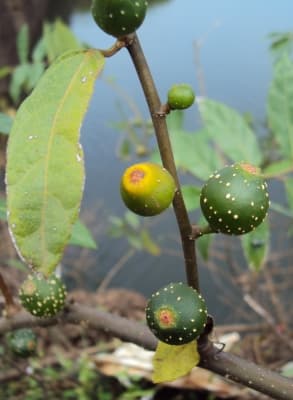
Ficus heterophylla
Ficus heterophylla
Family: Moraceae
Cultivation
Fig trees have a unique form of fertilization, each species relying on a single, highly specialized species of wasp that is itself totaly dependant upon that fig species in order to breed. The trees produce three types of flower; male, a long-styled female and a short-styled female flower, often called the gall flower. All three types of flower are contained within the structure we usually think of as the fruit.
Full cultivation guide →
Ficus heteropleura
Ficus heteropleura
Family: Moraceae
Cultivation
Found in the wild on both sandy and clay soils. Fig trees have a unique form of fertilization, each species relying on a single, highly specialized species of wasp that is itself totaly dependant upon that fig species in order to breed. The trees produce three types of flower; male, a long-styled female and a short-styled female flower, often called the gall flower.
Full cultivation guide →
Ficus hirsuta
Ficus hirsuta
Family: Moraceae
Cultivation
Grows best in a sunny position. A moderately fast-growing plant when young. Fig trees have a unique form of fertilization, each species relying on a single, highly specialized species of wasp that is itself totaly dependant upon that fig species in order to breed.
Full cultivation guide →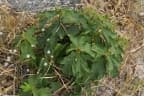
Ficus hirta
Ficus hirta
Family: Moraceae
Cultivation
Fig trees have a unique form of fertilization, each species relying on a single, highly specialized species of wasp that is itself totaly dependant upon that fig species in order to breed. The trees produce three types of flower; male, a long-styled female and a short-styled female flower, often called the gall flower. All three types of flower are contained within the structure we usually think of as the fruit.
Full cultivation guide →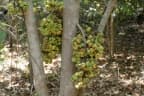
Ficus hispida
Ficus hispida
Family: Moraceae
Cultivation
Fig trees have a unique form of fertilization, each species relying on a single, highly specialized species of wasp that is itself totaly dependant upon that fig species in order to breed. The trees produce three types of flower; male, a long-styled female and a short-styled female flower, often called the gall flower. All three types of flower are contained within the structure we usually think of as the fruit.
Full cultivation guide →
Ficus ilicina
Ficus ilicina
Family: Moraceae
Cultivation
Fig trees have a unique form of fertilization, each species relying on a single, highly specialized species of wasp that is itself totaly dependant upon that fig species in order to breed. The trees produce three types of flower; male, a long-styled female and a short-styled female flower, often called the gall flower. All three types of flower are contained within the structure we usually think of as the fruit.
Full cultivation guide →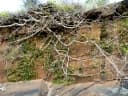
Ficus ingens
Ficus ingens
Family: Moraceae
Cultivation
A plant of drier areas in the tropics and subtropics. Trees more than 2 - 3 years old can often tolerate moderate frosts. Found in the wild on rocky slopes, preferring fissures in rocks.
Full cultivation guide →
Ficus insipida
Ficus insipida
Family: Moraceae
Cultivation
Prefers a sunny position. A fairly fast-growing plant. Fig trees have a unique form of fertilization, each species relying on a single, highly specialized species of wasp that is itself totaly dependant upon that fig species in order to breed.
Full cultivation guide →Ficus lapathifolia
Ficus lapathifolia
Family: Moraceae
Cultivation
Fig trees have a unique form of fertilization, each species relying on a single, highly specialized species of wasp that is itself totaly dependant upon that fig species in order to breed. The trees produce three types of flower; male, a long-styled female and a short-styled female flower, often called the gall flower. All three types of flower are contained within the structure we usually think of as the fruit.
Full cultivation guide →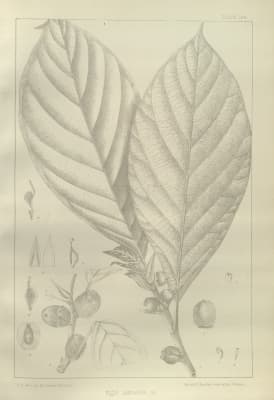
Ficus lepicarpa
Ficus lepicarpa
Family: Moraceae
Cultivation
Fig trees have a unique form of fertilization, each species relying on a single, highly specialized species of wasp that is itself totaly dependant upon that fig species in order to breed. The trees produce three types of flower; male, a long-styled female and a short-styled female flower, often called the gall flower. All three types of flower are contained within the structure we usually think of as the fruit.
Full cultivation guide →Ficus lingua
Ficus lingua
Family: Moraceae
Cultivation
Fig trees have a unique form of fertilization, each species relying on a single, highly specialized species of wasp that is itself totaly dependant upon that fig species in order to breed. The trees produce three types of flower; male, a long-styled female and a short-styled female flower, often called the gall flower. All three types of flower are contained within the structure we usually think of as the fruit.
Full cultivation guide →
Ficus luschnathiana
Ficus luschnathiana
Family: Moraceae
Cultivation
Grows best in a sunny position. A moderately fast-growing plant when young. Fig trees have a unique form of fertilization, each species relying on a single, highly specialized species of wasp that is itself totaly dependant upon that fig species in order to breed.
Full cultivation guide →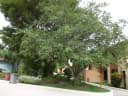
Ficus lutea
Ficus lutea
Family: Moraceae
Cultivation
A plant of the moist tropics. It grows best in areas where annual daytime temperatures are within the range 22 - 30°c, but can tolerate 15 - 35°c. It prefers a mean annual rainfall in the range 1,800 - 2,400mm, but tolerates 1,500 - 2,700mm.
Full cultivation guide →
Ficus macrophylla
Ficus macrophylla
Family: Moraceae
Cultivation
Ficus macrophylla is a tree mainly ofseasonally dry, subtropical to tropical areas in Australia, where it succeeds at elevations up to 2,000 metres if given a sheltered site. It grows best in areas where annual daytime temperatures are within the range 18 - 28°c, but can tolerate 10 - 34°c. Mature plants can be killed by temperatures of -8°c or lower, but new growth can be severely damaged at -0°c.
Full cultivation guide →
Ficus magnoliifolia
Ficus magnoliifolia
Family: Moraceae
Cultivation
Fig trees have a unique form of fertilization, each species relying on a single, highly specialized species of wasp that is itself totaly dependant upon that fig species in order to breed. The trees produce three types of flower; male, a long-styled female and a short-styled female flower, often called the gall flower. All three types of flower are contained within the structure we usually think of as the fruit.
Full cultivation guide →Ficus mariae
Ficus mariae
Family: Moraceae
Cultivation
Succeeds in full sun to fairly dense, woodland shade. Often found wild in poorly drained, wet soils. A moderately fast-growing plant when young.
Full cultivation guide →Ficus masonii
Ficus masonii
Family: Moraceae
Cultivation
The fruits are produced all year round. Fig trees have a unique form of fertilization, each species relying on a single, highly specialized species of wasp that is itself totaly dependant upon that fig species in order to breed. The trees produce three types of flower; male, a long-styled female and a short-styled female flower, often called the gall flower.
Full cultivation guide →Ficus mathewsii
Ficus mathewsii
Family: Moraceae
Cultivation
Fig trees have a unique form of fertilization, each species relying on a single, highly specialized species of wasp that is itself totaly dependant upon that fig species in order to breed. The trees produce three types of flower; male, a long-styled female and a short-styled female flower, often called the gall flower. All three types of flower are contained within the structure we usually think of as the fruit.
Full cultivation guide →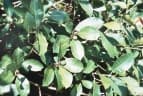
Ficus maxima
Ficus maxima
Family: Moraceae
Cultivation
A plant of lowland tropical areas, usually found in areas that are seasonally dry. This species is related to Ficus insipida. Leaves of vigorous seedlings are sometimes as much as 30cm long and 19cm wide.
Full cultivation guide →
Ficus melinocarpa
Ficus melinocarpa
Family: Moraceae
Cultivation
The branches often become hollow and are said to afford nesting sites for ants, who then protect the tree from insect attack. Fig trees have a unique form of fertilization, each species relying on a single, highly specialized species of wasp that is itself totaly dependant upon that fig species in order to breed. The trees produce three types of flower; male, a long-styled female and a short-styled female flower, often called the gall flower.
Full cultivation guide →Ficus mexiae
Ficus mexiae
Family: Moraceae
Cultivation
Grows best in a sunny position. A moderately fast-growing plant when young. Fig trees have a unique form of fertilization, each species relying on a single, highly specialized species of wasp that is itself totaly dependant upon that fig species in order to breed.
Full cultivation guide →
Ficus microcarpa
Ficus microcarpa
Family: Moraceae
Cultivation
Succeeds in full sun to partial shade. Prefers a moist, fertile soil. The plant is widely grown as an ornamental.
Full cultivation guide →Ficus midotis
Ficus midotis
Family: Moraceae
Cultivation
Fig trees have a unique form of fertilization, each species relying on a single, highly specialized species of wasp that is itself totaly dependant upon that fig species in order to breed. The trees produce three types of flower; male, a long-styled female and a short-styled female flower, often called the gall flower. All three types of flower are contained within the structure we usually think of as the fruit.
Full cultivation guide →
Ficus minahassae
Ficus minahassae
Family: Moraceae
Cultivation
Trees can commence fruiting when around 4 metres tall. Fig trees have a unique form of fertilization, each species relying on a single, highly specialized species of wasp that is itself totaly dependant upon that fig species in order to breed. The trees produce three types of flower; male, a long-styled female and a short-styled female flower, often called the gall flower.
Full cultivation guide →
Ficus mollis
Ficus mollis
Family: Moraceae
Cultivation
Fig trees have a unique form of fertilization, each species relying on a single, highly specialized species of wasp that is itself totaly dependant upon that fig species in order to breed. The trees produce three types of flower; male, a long-styled female and a short-styled female flower, often called the gall flower. All three types of flower are contained within the structure we usually think of as the fruit.
Full cultivation guide →
Ficus montana
Ficus montana
Family: Moraceae
Cultivation
Fig trees have a unique form of fertilization, each species relying on a single, highly specialized species of wasp that is itself totaly dependant upon that fig species in order to breed. The trees produce three types of flower; male, a long-styled female and a short-styled female flower, often called the gall flower. All three types of flower are contained within the structure we usually think of as the fruit.
Full cultivation guide →Ficus nasuta
Ficus nasuta
Family: Moraceae
Cultivation
Fig trees have a unique form of fertilization, each species relying on a single, highly specialized species of wasp that is itself totaly dependant upon that fig species in order to breed. The trees produce three types of flower; male, a long-styled female and a short-styled female flower, often called the gall flower. All three types of flower are contained within the structure we usually think of as the fruit.
Full cultivation guide →
Ficus natalensis
Ficus natalensis
Family: Moraceae
Cultivation
Fig trees have a unique form of fertilization, each species relying on a single, highly specialized species of wasp that is itself totaly dependant upon that fig species in order to breed. The trees produce three types of flower; male, a long-styled female and a short-styled female flower, often called the gall flower. All three types of flower are contained within the structure we usually think of as the fruit.
Full cultivation guide →
Ficus neriifolia
Ficus neriifolia
Family: Moraceae
Cultivation
Fig trees have a unique form of fertilization, each species relying on a single, highly specialized species of wasp that is itself totaly dependant upon that fig species in order to breed. The trees produce three types of flower; male, a long-styled female and a short-styled female flower, often called the gall flower. All three types of flower are contained within the structure we usually think of as the fruit.
Full cultivation guide →
Ficus nervosa
Ficus nervosa
Family: Moraceae
Cultivation
Fig trees have a unique form of fertilization, each species relying on a single, highly specialized species of wasp that is itself totaly dependant upon that fig species in order to breed. The trees produce three types of flower; male, a long-styled female and a short-styled female flower, often called the gall flower. All three types of flower are contained within the structure we usually think of as the fruit.
Full cultivation guide →
Ficus nodosa
Ficus nodosa
Family: Moraceae
Cultivation
Fig trees have a unique form of fertilization, each species relying on a single, highly specialized species of wasp that is itself totaly dependant upon that fig species in order to breed. The trees produce three types of flower; male, a long-styled female and a short-styled female flower, often called the gall flower. All three types of flower are contained within the structure we usually think of as the fruit.
Full cultivation guide →
Ficus nota
Ficus nota
Family: Moraceae
Cultivation
Plants can survive occasional light frosts, but the young shoots are often damaged, leading to the plant becoming more shrub-like. Succeeds in full sun or light shade. Succeeds in a variety of soils in areas with high humidity.
Full cultivation guide →
Ficus nymphaeifolia
Ficus nymphaeifolia
Family: Moraceae
Cultivation
Fig trees have a unique form of fertilization, each species relying on a single, highly specialized species of wasp that is itself totaly dependant upon that fig species in order to breed. The trees produce three types of flower; male, a long-styled female and a short-styled female flower, often called the gall flower. All three types of flower are contained within the structure we usually think of as the fruit.
Full cultivation guide →
Ficus obliqua
Ficus obliqua
Family: Moraceae
Cultivation
Succeeds in full sun to partial shade. The plant can flower and produce fruit all year round. Fig trees have a unique form of fertilization, each species relying on a single, highly specialized species of wasp that is itself totaly dependant upon that fig species in order to breed.
Full cultivation guide →
Ficus obpyramidata
Ficus obpyramidata
Family: Moraceae
Cultivation
Fig trees have a unique form of fertilization, each species relying on a single, highly specialized species of wasp that is itself totaly dependant upon that fig species in order to breed. The trees produce three types of flower; male, a long-styled female and a short-styled female flower, often called the gall flower. All three types of flower are contained within the structure we usually think of as the fruit.
Full cultivation guide →
Ficus obtusifolia
Ficus obtusifolia
Family: Moraceae
Cultivation
A plant of the lowland tropics, where it is able to thrive both in all year round wet areas and in seasonally very dry areas. Fig trees have a unique form of fertilization, each species relying on a single, highly specialized species of wasp that is itself totaly dependant upon that fig species in order to breed. The trees produce three types of flower; male, a long-styled female and a short-styled female flower, often called the gall flower.
Full cultivation guide →Ficus obtusiuscula
Ficus obtusiuscula
Family: Moraceae
Cultivation
Grows best in a sunny position. Often found in the wild in wetter soils and areas subject to seasonal inundation. A moderately fast-growing plant when young.
Full cultivation guide →
Ficus ovata
Ficus ovata
Family: Moraceae
Cultivation
Found in the wild in a wide range of soils. Fig trees have a unique form of fertilization, each species relying on a single, highly specialized species of wasp that is itself totaly dependant upon that fig species in order to breed. The trees produce three types of flower; male, a long-styled female and a short-styled female flower, often called the gall flower.
Full cultivation guide →
Ficus pachyrrhachis
Ficus pachyrrhachis
Family: Moraceae
Cultivation
Often found in calcareous soils in the wild. Fig trees have a unique form of fertilization, each species relying on a single, highly specialized species of wasp that is itself totaly dependant upon that fig species in order to breed. The trees produce three types of flower; male, a long-styled female and a short-styled female flower, often called the gall flower.
Full cultivation guide →
Ficus padana
Ficus padana
Family: Moraceae
Cultivation
Fig trees have a unique form of fertilization, each species relying on a single, highly specialized species of wasp that is itself totaly dependant upon that fig species in order to breed. The trees produce three types of flower; male, a long-styled female and a short-styled female flower, often called the gall flower. All three types of flower are contained within the structure we usually think of as the fruit.
Full cultivation guide →
Ficus palmata
Ficus palmata
Family: Moraceae
Cultivation
Ficus palmata is a plant of the warm temperate to subtropical zones, also found at higher elevations of 1,000 metres or more in the tropics. Young growth, even on mature plants, is frost-tender. Requires a well-drained medium to light loam and some lime rubble incorporated into the soil.
Full cultivation guide →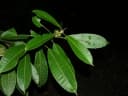
Ficus paraensis
Ficus paraensis
Family: Moraceae
Cultivation
Fig trees have a unique form of fertilization, each species relying on a single, highly specialized species of wasp that is itself totaly dependant upon that fig species in order to breed. The trees produce three types of flower; male, a long-styled female and a short-styled female flower, often called the gall flower. All three types of flower are contained within the structure we usually think of as the fruit.
Full cultivation guide →
Ficus parietalis
Ficus parietalis
Family: Moraceae
Cultivation
Often found on sandy soils in the wild. Fig trees have a unique form of fertilization, each species relying on a single, highly specialized species of wasp that is itself totaly dependant upon that fig species in order to breed. The trees produce three types of flower; male, a long-styled female and a short-styled female flower, often called the gall flower.
Full cultivation guide →
Ficus pertusa
Ficus pertusa
Family: Moraceae
Cultivation
Prefers a sunny position in a well-drained soil. Young plants have a moderate rate of growth. Fig trees have a unique form of fertilization, each species relying on a single, highly specialized species of wasp that is itself totaly dependant upon that fig species in order to breed.
Full cultivation guide →
Ficus petiolaris
Ficus petiolaris
Family: Moraceae
Cultivation
Succeeds in full sun or partial shade. Fig trees have a unique form of fertilization, each species relying on a single, highly specialized species of wasp that is itself totaly dependant upon that fig species in order to breed. The trees produce three types of flower; male, a long-styled female and a short-styled female flower, often called the gall flower.
Full cultivation guide →
Ficus platyphylla
Ficus platyphylla
Family: Moraceae
Cultivation
Fig trees have a unique form of fertilization, each species relying on a single, highly specialized species of wasp that is itself totaly dependant upon that fig species in order to breed. The trees produce three types of flower; male, a long-styled female and a short-styled female flower, often called the gall flower. All three types of flower are contained within the structure we usually think of as the fruit.
Full cultivation guide →
Ficus platypoda
Ficus platypoda
Family: Moraceae
Cultivation
Fig trees have a unique form of fertilization, each species relying on a single, highly specialized species of wasp that is itself totaly dependant upon that fig species in order to breed. The trees produce three types of flower; male, a long-styled female and a short-styled female flower, often called the gall flower. All three types of flower are contained within the structure we usually think of as the fruit.
Full cultivation guide →
Ficus polita
Ficus polita
Family: Moraceae
Cultivation
Found in the wild in a wide range of soils. Fig trees have a unique form of fertilization, each species relying on a single, highly specialized species of wasp that is itself totaly dependant upon that fig species in order to breed. The trees produce three types of flower; male, a long-styled female and a short-styled female flower, often called the gall flower.
Full cultivation guide →
Ficus politoria
Ficus politoria
Family: Moraceae
Cultivation
Fig trees have a unique form of fertilization, each species relying on a single, highly specialized species of wasp that is itself totaly dependant upon that fig species in order to breed. The trees produce three types of flower; male, a long-styled female and a short-styled female flower, often called the gall flower. All three types of flower are contained within the structure we usually think of as the fruit.
Full cultivation guide →Ficus preussii
Ficus preussii
Family: Moraceae
Cultivation
Fig trees have a unique form of fertilization, each species relying on a single, highly specialized species of wasp that is itself totaly dependant upon that fig species in order to breed. The trees produce three types of flower; male, a long-styled female and a short-styled female flower, often called the gall flower. All three types of flower are contained within the structure we usually think of as the fruit.
Full cultivation guide →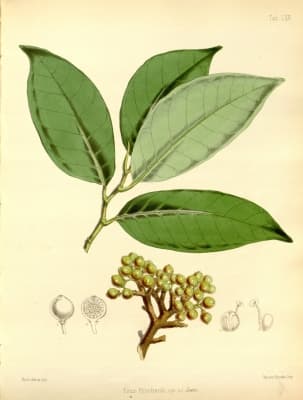
Ficus pritchardii
Ficus pritchardii
Family: Moraceae
Cultivation
As far as noted, the inflorescences always arise from the main trunk and often very near its base; they are borne profusely on woody, slender, specialized branches 50 - 200m. long, or sometimes in dense, compact masses as much as 150cm. In diameter. The fruits may be found throughout the year.
Full cultivation guide →Ficus prolixa
Ficus prolixa
Family: Moraceae
Cultivation
Fig trees have a unique form of fertilization, each species relying on a single, highly specialized species of wasp that is itself totaly dependant upon that fig species in order to breed. The trees produce three types of flower; male, a long-styled female and a short-styled female flower, often called the gall flower. All three types of flower are contained within the structure we usually think of as the fruit.
Full cultivation guide →
Ficus pseudopalma
Ficus pseudopalma
Family: Moraceae
Cultivation
Fig trees have a unique form of fertilization, each species relying on a single, highly specialized species of wasp that is itself totaly dependant upon that fig species in order to breed. The trees produce three types of flower; male, a long-styled female and a short-styled female flower, often called the gall flower. All three types of flower are contained within the structure we usually think of as the fruit.
Full cultivation guide →
Ficus pumila
Ficus pumila
Family: Moraceae
Cultivation
Succeeds in tropical and subtropical areas. Succeeds in full sun to part shade. Succeeds in most reasonably moist but well-drained soils.
Full cultivation guide →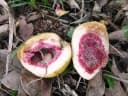
Ficus punctata
Ficus punctata
Family: Moraceae
Cultivation
Fig trees have a unique form of fertilization, each species relying on a single, highly specialized species of wasp that is itself totaly dependant upon that fig species in order to breed. The trees produce three types of flower; male, a long-styled female and a short-styled female flower, often called the gall flower. All three types of flower are contained within the structure we usually think of as the fruit.
Full cultivation guide →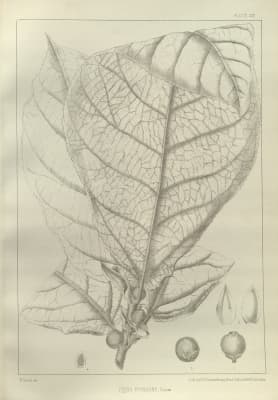
Ficus pungens
Ficus pungens
Family: Moraceae
Cultivation
Fig trees have a unique form of fertilization, each species relying on a single, highly specialized species of wasp that is itself totaly dependant upon that fig species in order to breed. The trees produce three types of flower; male, a long-styled female and a short-styled female flower, often called the gall flower. All three types of flower are contained within the structure we usually think of as the fruit.
Full cultivation guide →
Ficus racemosa
Ficus racemosa
Family: Moraceae
Cultivation
Ficus species are common and form an important element of lowland rain forest, both as canopy and understorey trees. Most species prefer per-humid forest, but several are found in areas with a monsoon climate and in teak forest, including locations where the soil dries out. Succeeds in full sun to partial shade.
Full cultivation guide →Ficus recurvata
Ficus recurvata
Family: Moraceae
Cultivation
Fig trees have a unique form of fertilization, each species relying on a single, highly specialized species of wasp that is itself totaly dependant upon that fig species in order to breed. The trees produce three types of flower; male, a long-styled female and a short-styled female flower, often called the gall flower. All three types of flower are contained within the structure we usually think of as the fruit.
Full cultivation guide →
Ficus religiosa
Ficus religiosa
Family: Moraceae
Cultivation
Succeeds in tropical and subtropical areas at elevations up to 1,520 metres. It grows best in areas where the mean annual temperatures are within the range 16 - 35°c, and the mean annual rainfall is in the range 500 - 5,000mm. Prefers a position in full sun, but also succeeds in partial shade.
Full cultivation guide →
Ficus ribes
Ficus ribes
Family: Moraceae
Cultivation
Fig trees have a unique form of fertilization, each species relying on a single, highly specialized species of wasp that is itself totaly dependant upon that fig species in order to breed. The trees produce three types of flower; male, a long-styled female and a short-styled female flower, often called the gall flower. All three types of flower are contained within the structure we usually think of as the fruit.
Full cultivation guide →Ficus rigo
Ficus rigo
Family: Moraceae
Cultivation
Fig trees have a unique form of fertilization, each species relying on a single, highly specialized species of wasp that is itself totaly dependant upon that fig species in order to breed. The trees produce three types of flower; male, a long-styled female and a short-styled female flower, often called the gall flower. All three types of flower are contained within the structure we usually think of as the fruit.
Full cultivation guide →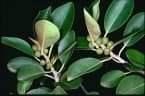
Ficus rubiginosa
Ficus rubiginosa
Family: Moraceae
Cultivation
The tree occurs in climates ranging from tropical to warm temperate, and from the well watered coast inland to areas bordering on semi-arid. Established plants can withstand short periods where the temperature drops to around -1°c. Easily grown in full sun or partial shade.
Full cultivation guide →
Ficus rumphii
Ficus rumphii
Family: Moraceae
Cultivation
Fig trees have a unique form of fertilization, each species relying on a single, highly specialized species of wasp that is itself totaly dependant upon that fig species in order to breed. The trees produce three types of flower; male, a long-styled female and a short-styled female flower, often called the gall flower. All three types of flower are contained within the structure we usually think of as the fruit.
Full cultivation guide →
Ficus sagittata
Ficus sagittata
Family: Moraceae
Cultivation
Fig trees have a unique form of fertilization, each species relying on a single, highly specialized species of wasp that is itself totaly dependant upon that fig species in order to breed. The trees produce three types of flower; male, a long-styled female and a short-styled female flower, often called the gall flower. All three types of flower are contained within the structure we usually think of as the fruit.
Full cultivation guide →Ficus sakalavarum
Ficus sakalavarum
Family: Moraceae
Cultivation
A plant of tropical to subtropical latitudes, it is found at elevations from near sea level to about 1,000 metres. Prefers a deep, well-drained loam to clay soil rich in nutrients. Sandy soils with a shallow groundwater level may also be suitable.
Full cultivation guide →
Ficus sansibarica
Ficus sansibarica
Family: Moraceae
Cultivation
Fig trees have a unique form of fertilization, each species relying on a single, highly specialized species of wasp that is itself totaly dependant upon that fig species in order to breed. The trees produce three types of flower; male, a long-styled female and a short-styled female flower, often called the gall flower. All three types of flower are contained within the structure we usually think of as the fruit.
Full cultivation guide →
Ficus scabra
Ficus scabra
Family: Moraceae
Cultivation
The plant can flower and produce fruit all year round. Fig trees have a unique form of fertilization, each species relying on a single, highly specialized species of wasp that is itself totaly dependant upon that fig species in order to breed. The trees produce three types of flower; male, a long-styled female and a short-styled female flower, often called the gall flower.
Full cultivation guide →Ficus scassellatii
Ficus scassellatii
Family: Moraceae
Cultivation
Fig trees have a unique form of fertilization, each species relying on a single, highly specialized species of wasp that is itself totaly dependant upon that fig species in order to breed. The trees produce three types of flower; male, a long-styled female and a short-styled female flower, often called the gall flower. All three types of flower are contained within the structure we usually think of as the fruit.
Full cultivation guide →Ficus schwarzii
Ficus schwarzii
Family: Moraceae
Cultivation
Fig trees have a unique form of fertilization, each species relying on a single, highly specialized species of wasp that is itself totaly dependant upon that fig species in order to breed. The trees produce three types of flower; male, a long-styled female and a short-styled female flower, often called the gall flower. All three types of flower are contained within the structure we usually think of as the fruit.
Full cultivation guide →
Ficus semicordata
Ficus semicordata
Family: Moraceae
Cultivation
Fig trees have a unique form of fertilization, each species relying on a single, highly specialized species of wasp that is itself totaly dependant upon that fig species in order to breed. The trees produce three types of flower; male, a long-styled female and a short-styled female flower, often called the gall flower. All three types of flower are contained within the structure we usually think of as the fruit.
Full cultivation guide →
Ficus septica
Ficus septica
Family: Moraceae
Cultivation
Found in the wild in a range of soil types. Fig trees have a unique form of fertilization, each species relying on a single, highly specialized species of wasp that is itself totaly dependant upon that fig species in order to breed. The trees produce three types of flower; male, a long-styled female and a short-styled female flower, often called the gall flower.
Full cultivation guide →
Ficus sinuata
Ficus sinuata
Family: Moraceae
Cultivation
Fig trees have a unique form of fertilization, each species relying on a single, highly specialized species of wasp that is itself totaly dependant upon that fig species in order to breed. The trees produce three types of flower; male, a long-styled female and a short-styled female flower, often called the gall flower. All three types of flower are contained within the structure we usually think of as the fruit.
Full cultivation guide →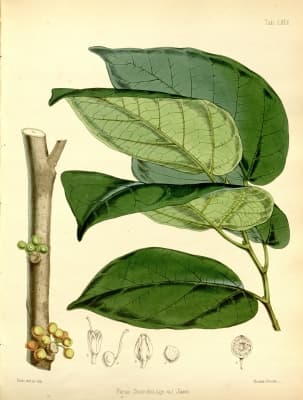
Ficus storckii
Ficus storckii
Family: Moraceae
Cultivation
Ripe fruits are produced all year round. Fig trees have a unique form of fertilization, each species relying on a single, highly specialized species of wasp that is itself totaly dependant upon that fig species in order to breed. The trees produce three types of flower; male, a long-styled female and a short-styled female flower, often called the gall flower.
Full cultivation guide →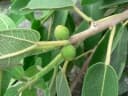
Ficus stuhlmannii
Ficus stuhlmannii
Family: Moraceae
Cultivation
A tree of moist areas in the tropics, where it is found at elevations up to 1,800 metres. In Tanzania, the tree grows in areas where the mean annual rainfall is in the range 1,000 - 1,400mm. Thrives in a variety of soil types.
Full cultivation guide →
Ficus subcordata
Ficus subcordata
Family: Moraceae
Cultivation
A plant of the moist, lowland tropics, where it is found at elevations up to 800 metres. It grows best in areas where annual daytime temperatures are within the range 22 - 30°c, but can tolerate 15 - 39°c. It prefers a mean annual rainfall in the range 1,200 - 1,800mm, but tolerates 900 - 2,500mm.
Full cultivation guide →Ficus subcuneata
Ficus subcuneata
Family: Moraceae
Cultivation
Fig trees have a unique form of fertilization, each species relying on a single, highly specialized species of wasp that is itself totaly dependant upon that fig species in order to breed. The trees produce three types of flower; male, a long-styled female and a short-styled female flower, often called the gall flower. All three types of flower are contained within the structure we usually think of as the fruit.
Full cultivation guide →
Ficus subincisa
Ficus subincisa
Family: Moraceae
Cultivation
Fig trees have a unique form of fertilization, each species relying on a single, highly specialized species of wasp that is itself totaly dependant upon that fig species in order to breed. The trees produce three types of flower; male, a long-styled female and a short-styled female flower, often called the gall flower. All three types of flower are contained within the structure we usually think of as the fruit.
Full cultivation guide →Ficus sublimbata
Ficus sublimbata
Family: Moraceae
Cultivation
Fig trees have a unique form of fertilization, each species relying on a single, highly specialized species of wasp that is itself totaly dependant upon that fig species in order to breed. The trees produce three types of flower; male, a long-styled female and a short-styled female flower, often called the gall flower. All three types of flower are contained within the structure we usually think of as the fruit.
Full cultivation guide →
Ficus subtrinervia
Ficus subtrinervia
Family: Moraceae
Cultivation
The plant often commences flowering when still only 2 - 3 metres tall. Fig trees have a unique form of fertilization, each species relying on a single, highly specialized species of wasp that is itself totaly dependant upon that fig species in order to breed. The trees produce three types of flower; male, a long-styled female and a short-styled female flower, often called the gall flower.
Full cultivation guide →
Ficus subulata
Ficus subulata
Family: Moraceae
Cultivation
A fast-growing tree. A dioecious species, both male and female forms need to be grown if fruit and seed are required. Fig trees have a unique form of fertilization, each species relying on a single, highly specialized species of wasp that is itself totaly dependant upon that fig species in order to breed.
Full cultivation guide →
Ficus sur
Ficus sur
Family: Moraceae
Cultivation
Succeeds in tropical and subtropical climates. Young trees are sensitive to frost. In Tanzania it grows in areas where the mean annual rainfall is in the range 800 - 1,800mm.
Full cultivation guide →
Ficus sycomorus
Ficus sycomorus
Family: Moraceae
Cultivation
A plant of drier areas in the tropics and subtropics. It is found at elevations ranging from sea level to 2,000 metres, growing in areas where the temperature can fall as low as 0°c or go up to 40°c. The tree is sensitive to frost but can withstand some cold.
Full cultivation guide →
Ficus theophrastoides
Ficus theophrastoides
Family: Moraceae
Cultivation
Fig trees have a unique form of fertilization, each species relying on a single, highly specialized species of wasp that is itself totaly dependant upon that fig species in order to breed. The trees produce three types of flower; male, a long-styled female and a short-styled female flower, often called the gall flower. All three types of flower are contained within the structure we usually think of as the fruit.
Full cultivation guide →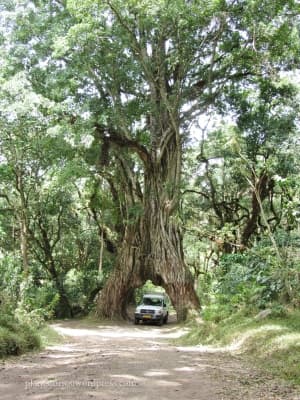
Ficus thonningii
Ficus thonningii
Family: Moraceae
Cultivation
A plant of the drier to moist tropics, where it is found at elevations from 1,000 - 2,500 metres. It grows best in areas where annual daytime temperatures are within the range 22 - 28°c, but can tolerate 16 - 36°c. It prefers a mean annual rainfall in the range 750 - 2,000mm, but tolerates 600 - 2,500mm.
Full cultivation guide →
Ficus tiliifolia
Ficus tiliifolia
Family: Moraceae
Cultivation
Fig trees have a unique form of fertilization, each species relying on a single, highly specialized species of wasp that is itself totaly dependant upon that fig species in order to breed. The trees produce three types of flower; male, a long-styled female and a short-styled female flower, often called the gall flower. All three types of flower are contained within the structure we usually think of as the fruit.
Full cultivation guide →
Ficus tinctoria
Ficus tinctoria
Family: Moraceae
Cultivation
The plant usually produces fruit all year round. Fig trees have a unique form of fertilization, each species relying on a single, highly specialized species of wasp that is itself totaly dependant upon that fig species in order to breed. The trees produce three types of flower; male, a long-styled female and a short-styled female flower, often called the gall flower.
Full cultivation guide →Ficus trachypison
Ficus trachypison
Family: Moraceae
Cultivation
Fig trees have a unique form of fertilization, each species relying on a single, highly specialized species of wasp that is itself totaly dependant upon that fig species in order to breed. The trees produce three types of flower; male, a long-styled female and a short-styled female flower, often called the gall flower. All three types of flower are contained within the structure we usually think of as the fruit.
Full cultivation guide →
Ficus tremula
Ficus tremula
Family: Moraceae
Cultivation
Fig trees have a unique form of fertilization, each species relying on a single, highly specialized species of wasp that is itself totaly dependant upon that fig species in order to breed. The trees produce three types of flower; male, a long-styled female and a short-styled female flower, often called the gall flower. All three types of flower are contained within the structure we usually think of as the fruit.
Full cultivation guide →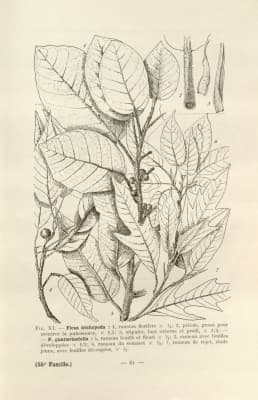
Ficus trichopoda
Ficus trichopoda
Family: Moraceae
Cultivation
The plant can usually tolerate occasional mild frosts. The plant has an aggressive root system and so should not be grown near buildings or drains since it can cause them damage. Fig trees have a unique form of fertilization, each species relying on a single, highly specialized species of wasp that is itself totaly dependant upon that fig species in order to breed.
Full cultivation guide →
Ficus trigona
Ficus trigona
Family: Moraceae
Cultivation
Tolerant of seasonal inundation. Fig trees have a unique form of fertilization, each species relying on a single, highly specialized species of wasp that is itself totaly dependant upon that fig species in order to breed. The trees produce three types of flower; male, a long-styled female and a short-styled female flower, often called the gall flower.
Full cultivation guide →
Ficus tsjakela
Ficus tsjakela
Family: Moraceae
Cultivation
Fig trees have a unique form of fertilization, each species relying on a single, highly specialized species of wasp that is itself totaly dependant upon that fig species in order to breed. The trees produce three types of flower; male, a long-styled female and a short-styled female flower, often called the gall flower. All three types of flower are contained within the structure we usually think of as the fruit.
Full cultivation guide →Ficus ulmifolia
Ficus ulmifolia
Family: Moraceae
Cultivation
Fig trees have a unique form of fertilization, each species relying on a single, highly specialized species of wasp that is itself totaly dependant upon that fig species in order to breed. The trees produce three types of flower; male, a long-styled female and a short-styled female flower, often called the gall flower. All three types of flower are contained within the structure we usually think of as the fruit.
Full cultivation guide →Ficus uncinata
Ficus uncinata
Family: Moraceae
Cultivation
Found in the wild in a variety of soils from sandy to clay. Fig trees have a unique form of fertilization, each species relying on a single, highly specialized species of wasp that is itself totaly dependant upon that fig species in order to breed. The trees produce three types of flower; male, a long-styled female and a short-styled female flower, often called the gall flower.
Full cultivation guide →
Ficus vallis-choudae
Ficus vallis-choudae
Family: Moraceae
Cultivation
Fig trees have a unique form of fertilization, each species relying on a single, highly specialized species of wasp that is itself totaly dependant upon that fig species in order to breed. The trees produce three types of flower; male, a long-styled female and a short-styled female flower, often called the gall flower. All three types of flower are contained within the structure we usually think of as the fruit.
Full cultivation guide →
Ficus variegata
Ficus variegata
Family: Moraceae
Cultivation
Found in the wild on a range of soils from sandy to clay, including limestone. A fast-growing tree. Fig trees have a unique form of fertilization, each species relying on a single, highly specialized species of wasp that is itself totaly dependant upon that fig species in order to breed.
Full cultivation guide →
Ficus variifolia
Ficus variifolia
Family: Moraceae
Cultivation
Fig trees have a unique form of fertilization, each species relying on a single, highly specialized species of wasp that is itself totaly dependant upon that fig species in order to breed. The trees produce three types of flower; male, a long-styled female and a short-styled female flower, often called the gall flower. All three types of flower are contained within the structure we usually think of as the fruit.
Full cultivation guide →Ficus velutina
Ficus velutina
Family: Moraceae
Cultivation
Fig trees have a unique form of fertilization, each species relying on a single, highly specialized species of wasp that is itself totaly dependant upon that fig species in order to breed. The trees produce three types of flower; male, a long-styled female and a short-styled female flower, often called the gall flower. All three types of flower are contained within the structure we usually think of as the fruit.
Full cultivation guide →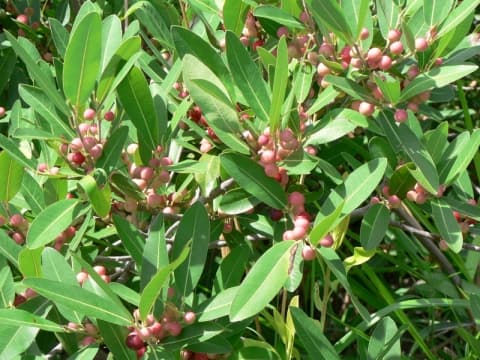
Ficus verruculosa
Ficus verruculosa
Family: Moraceae
Cultivation
Fig trees have a unique form of fertilization, each species relying on a single, highly specialized species of wasp that is itself totaly dependant upon that fig species in order to breed. The trees produce three types of flower; male, a long-styled female and a short-styled female flower, often called the gall flower. All three types of flower are contained within the structure we usually think of as the fruit.
Full cultivation guide →
Ficus virens
Ficus virens
Family: Moraceae
Cultivation
The branches have few to many aerial roots. Fig trees have a unique form of fertilization, each species relying on a single, highly specialized species of wasp that is itself totaly dependant upon that fig species in order to breed. The trees produce three types of flower; male, a long-styled female and a short-styled female flower, often called the gall flower.
Full cultivation guide →
Ficus virgata
Ficus virgata
Family: Moraceae
Cultivation
The plant commences fruiting as a small shrub-like tree. Fig trees have a unique form of fertilization, each species relying on a single, highly specialized species of wasp that is itself totaly dependant upon that fig species in order to breed. The trees produce three types of flower; male, a long-styled female and a short-styled female flower, often called the gall flower.
Full cultivation guide →Ficus vitiensis
Ficus vitiensis
Family: Moraceae
Cultivation
The plant can produce fruit all year round. Fig trees have a unique form of fertilization, each species relying on a single, highly specialized species of wasp that is itself totaly dependant upon that fig species in order to breed. The trees produce three types of flower; male, a long-styled female and a short-styled female flower, often called the gall flower.
Full cultivation guide →
Ficus vogeliana
Ficus vogeliana
Family: Moraceae
Cultivation
Fig trees have a unique form of fertilization, each species relying on a single, highly specialized species of wasp that is itself totaly dependant upon that fig species in order to breed. The trees produce three types of flower; male, a long-styled female and a short-styled female flower, often called the gall flower. All three types of flower are contained within the structure we usually think of as the fruit.
Full cultivation guide →
Ficus wassa
Ficus wassa
Family: Moraceae
Cultivation
The plant can commence fruiting whilst still a shrub only 30 - 100cm tall. Fig trees have a unique form of fertilization, each species relying on a single, highly specialized species of wasp that is itself totaly dependant upon that fig species in order to breed. The trees produce three types of flower; male, a long-styled female and a short-styled female flower, often called the gall flower.
Full cultivation guide →
Ficus wildemaniana
Ficus wildemaniana
Family: Moraceae
Cultivation
Fig trees have a unique form of fertilization, each species relying on a single, highly specialized species of wasp that is itself totaly dependant upon that fig species in order to breed. The trees produce three types of flower; male, a long-styled female and a short-styled female flower, often called the gall flower. All three types of flower are contained within the structure we usually think of as the fruit.
Full cultivation guide →
Ficus yoponensis
Ficus yoponensis
Family: Moraceae
Cultivation
Seedlings require considerable light to survive, which explains their greater abundance in the younger, more open forest. The tree flowers and bears fruit throughout the year. Fig trees have a unique form of fertilization, each species relying on a single, highly specialized species of wasp that is itself totaly dependant upon that fig species in order to breed.
Full cultivation guide →