Senegalia — 32 species
Botanical species in the genus Senegalia recorded in the PlantPeers database.

Senegalia ankokib
Senegalia ankokib
Family: Fabaceae
Cultivation
This species has a symbiotic relationship with certain soil bacteria, these bacteria form nodules on the roots and fix atmospheric nitrogen. Some of this nitrogen is utilized by the growing plant but some can also be used by other plants growing nearby.
Full cultivation guide →Senegalia asak
Senegalia asak
Family: Fabaceae
Cultivation
This species has a symbiotic relationship with certain soil bacteria, these bacteria form nodules on the roots and fix atmospheric nitrogen. Some of this nitrogen is utilized by the growing plant but some can also be used by other plants growing nearby.
Full cultivation guide →Senegalia ataxacantha
Senegalia ataxacantha
Family: Fabaceae
Cultivation
Young plants are frost tender. Prefers a moist soil, but the plant is fairly drought resistant. Initial growth of newly transplanted seedlings is slow, but then increases.
Full cultivation guide →Senegalia caesia
Senegalia caesia
Family: Fabaceae
Cultivation
Senegalia caesia is a plant of the warm subtropical and dry tropical regions of southern Asia. This species has a symbiotic relationship with certain soil bacteria, these bacteria form nodules on the roots and fix atmospheric nitrogen. Some of this nitrogen is utilized by the growing plant but some can also be used by other plants growing nearby.
Full cultivation guide →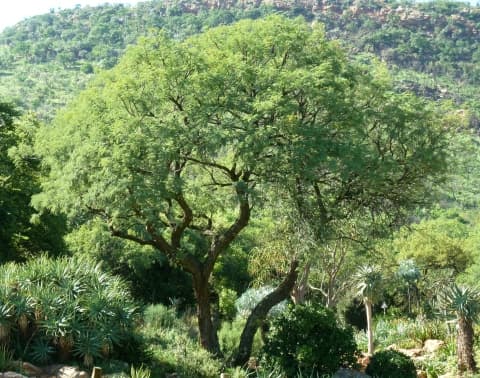
Senegalia caffra
Senegalia caffra
Family: Fabaceae
Cultivation
A plant of drier regions in the tropics and subtropics, where it can be found at elevations up to 1,500 metres. Mature plants can tolerate some frost. Requires a sunny position.
Full cultivation guide →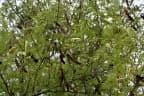
Senegalia catechu
Senegalia catechu
Family: Fabaceae
Cultivation
A plant for sub-tropical to tropical areas, tolerating a minimum temperature of about 7°c. It is especially common in the drier regions, but can also be grown in the more humid climates of South-East Asia at elevations from sea-level to about 1,500 metres. It succeeds in areas where annual daytime temperatures acan reach 32 - 39°c, and the mean annual rainfall is in the range 500 - 2,000mm.
Full cultivation guide →Senegalia cinerea
Senegalia cinerea
Family: Fabaceae
Cultivation
Plants are frost tolerant and are said to recover well in Zimbabwe even after severe frosts. This species has a symbiotic relationship with certain soil bacteria; these bacteria form nodules on the roots and fix atmospheric nitrogen. Some of this nitrogen is utilized by the growing plant but some can also be used by other plants growing nearby.
Full cultivation guide →Senegalia dudgeonii
Senegalia dudgeonii
Family: Fabaceae
Cultivation
A plant of drier areas in the tropics, generally found in areas with a mean annual rainfall within the range 800 - 1,500mm. This species has a symbiotic relationship with certain soil bacteria; these bacteria form nodules on the roots and fix atmospheric nitrogen. Some of this nitrogen is utilized by the growing plant but some can also be used by other plants growing nearby.
Full cultivation guide →Senegalia erubescens
Senegalia erubescens
Family: Fabaceae
Cultivation
This species has a symbiotic relationship with certain soil bacteria; these bacteria form nodules on the roots and fix atmospheric nitrogen. Some of this nitrogen is utilized by the growing plant but some can also be used by other plants growing nearby.
Full cultivation guide →Senegalia erythrocalyx
Senegalia erythrocalyx
Family: Fabaceae
Cultivation
This species has a symbiotic relationship with certain soil bacteria, these bacteria form nodules on the roots and fix atmospheric nitrogen. Some of this nitrogen is utilized by the growing plant but some can also be used by other plants growing nearby.
Full cultivation guide →Senegalia ferruginea
Senegalia ferruginea
Family: Fabaceae
Cultivation
A plant of drier areas in the tropics where it can be found at elevations from 150 - 1,500 metres. It grows in areas where temperatures can be up to 40°c and the mean annual rainfall is within the range 350 - 750mm. Requires a sunny position.
Full cultivation guide →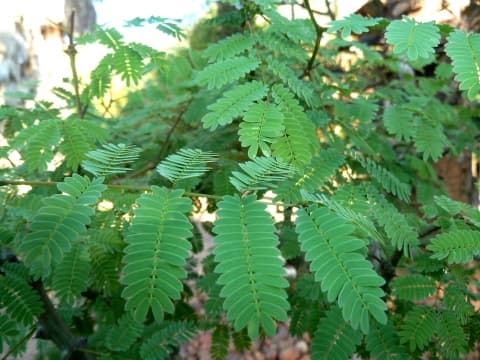
Senegalia galpinii
Senegalia galpinii
Family: Fabaceae
Cultivation
Older trees can tolerate some frost, though harsher frosts can cause die-back. Requires a sunny position. The plant is most common on loamy or clayey soils in the wild.
Full cultivation guide →Senegalia gourmaensis
Senegalia gourmaensis
Family: Fabaceae
Cultivation
A plant of drier areas in the tropics, where it is found in areas where the mean annual rainfall is within the range 600 - 1,250mm. Prefers a humus-rich, loamy soil, being found especially on shallow hardpans. This species has a symbiotic relationship with certain soil bacteria; these bacteria form nodules on the roots and fix atmospheric nitrogen.
Full cultivation guide →Senegalia greggii
Senegalia greggii
Family: Fabaceae
Cultivation
Senegalia greggii is a plant of arid and semi-arid regions of southwestern N. America, where it is found at elevations up to 1,800 metres. It grows in areas where summers can vary from warm to hot with highs ranging fom 21 - 49°c and winter temperatures can fall as low as -10°c in some areas whilst in others they do not go below zero.
Full cultivation guide →Senegalia hecatophylla
Senegalia hecatophylla
Family: Fabaceae
Cultivation
This species has a symbiotic relationship with certain soil bacteria, these bacteria form nodules on the roots and fix atmospheric nitrogen. Some of this nitrogen is utilized by the growing plant but some can also be used by other plants growing nearby.
Full cultivation guide →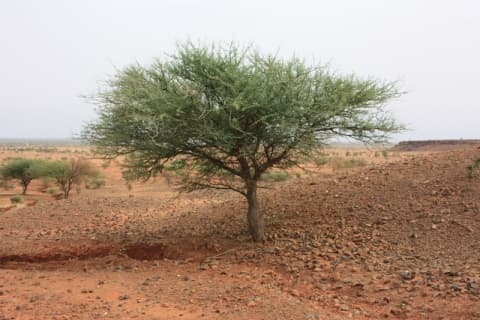
Senegalia laeta
Senegalia laeta
Family: Fabaceae
Cultivation
A plant of the arid tropics and subtropics, it is found growing at an altitude of 1,200 - 1,650 metres. It grows best in areas with a mean annual temperature in the range 21 - 40°c and a mean annual rainfall of 250 - 750 mm. Prefers a neutral to slightly alkaline, well-drained, clay or sandy loam.
Full cultivation guide →Senegalia lenticularis
Senegalia lenticularis
Family: Fabaceae
Cultivation
A fast-growing tree that can produce high yields of timber and fuel with a rotation of 15 - 20 years. The tree can yield up to 1 kilo of gum annually. This species has a symbiotic relationship with certain soil bacteria, these bacteria form nodules on the roots and fix atmospheric nitrogen.
Full cultivation guide →Senegalia macrostachya
Senegalia macrostachya
Family: Fabaceae
Cultivation
Soil requirements are not specific, the plant is able to grow well on the poorest soils, on hardpans, clay, scree, detritus and debris. Although many species within the family Fabaceae have a symbiotic relationship with soil bacteria, this species is said to be devoid of such a relationship and therefore does not fix atmospheric nitrogen.
Full cultivation guide →Senegalia manubensis
Senegalia manubensis
Family: Fabaceae
Cultivation
This species has a symbiotic relationship with certain soil bacteria, these bacteria form nodules on the roots and fix atmospheric nitrogen. Some of this nitrogen is utilized by the growing plant but some can also be used by other plants growing nearby.
Full cultivation guide →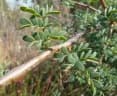
Senegalia mellifera
Senegalia mellifera
Family: Fabaceae
Cultivation
A plant of the semi-arid grasslands of tropical and subtropical Africa, it is found at elevations from sea level to 1,500 metres. It grows in areas where the mean annual rainfall is in the range 250 - 700mm. Prefers loamy soils, though it grows well in black cotton soils and can succeed in a variety of soils from sandy to heavy clays.
Full cultivation guide →Senegalia modesta
Senegalia modesta
Family: Fabaceae
Cultivation
Senegalia modesta is native to the warm temperate and subtropical regions of Afghanistan to India, where it can experience temperatures falling to around -5°c, and rising to around 40°c. It grows in areas where the mean annual rainfall is within the range 250 - 1,300mm. Requires a sunny position.
Full cultivation guide →Senegalia muricata
Senegalia muricata
Family: Fabaceae
Cultivation
The plant flowers intermittently throughout the year, the fruits are persistent. This species has a symbiotic relationship with certain soil bacteria, these bacteria form nodules on the roots and fix atmospheric nitrogen. Some of this nitrogen is utilized by the growing plant but some can also be used by other plants growing nearby.
Full cultivation guide →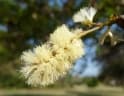
Senegalia nigrescens
Senegalia nigrescens
Family: Fabaceae
Cultivation
Growth is slow, with a maximum annual increment of 60cm in height, usually much less. The tree is completely deciduous and bare for several months, frequently flowering when leafless. The flowers are an important food resource to giraffe in the late dry season, and it has been suggested that giraffe could be a pollen vector.
Full cultivation guide →Senegalia pennata
Senegalia pennata
Family: Fabaceae
Cultivation
A very troublesome climber which should be cut whenever possible, as it climbs over the tallest trees, and its tough, wiry, strong, thorny branches damage them considerably. This species has a symbiotic relationship with certain soil bacteria, these bacteria form nodules on the roots and fix atmospheric nitrogen. Some of this nitrogen is utilized by the growing plant but some can also be used by other plants growing nearby.
Full cultivation guide →Senegalia picachensis
Senegalia picachensis
Family: Fabaceae
Cultivation
This species has a symbiotic relationship with certain soil bacteria, these bacteria form nodules on the roots and fix atmospheric nitrogen. Some of this nitrogen is utilized by the growing plant but some can also be used by other plants growing nearby.
Full cultivation guide →Senegalia pluricapitata
Senegalia pluricapitata
Family: Fabaceae
Cultivation
Plants can flower and produce fruit all year round. This species has a symbiotic relationship with certain soil bacteria, these bacteria form nodules on the roots and fix atmospheric nitrogen. Some of this nitrogen is utilized by the growing plant but some can also be used by other plants growing nearby.
Full cultivation guide →Senegalia polyacantha
Senegalia polyacantha
Family: Fabaceae
Cultivation
The white thorn tree grows in tropical areas at elevations from 200 - 1,800 metres. It prefers areas where the mean annual rainfall is in the range 300 - 1,000mm. Prefers sites with a high groundwater table, indicating eutrophic and fresh soils.
Full cultivation guide →Senegalia polyphylla
Senegalia polyphylla
Family: Fabaceae
Cultivation
Requires a sunny position. Succeeds in poor, dry and stony soils. Established plants are drought tolerant.
Full cultivation guide →Senegalia rovumae
Senegalia rovumae
Family: Fabaceae
Cultivation
Often found in saline soils in the wild. The tree coppices readily. This species has a symbiotic relationship with certain soil bacteria, these bacteria form nodules on the roots and fix atmospheric nitrogen.
Full cultivation guide →Senegalia rugata
Senegalia rugata
Family: Fabaceae
Cultivation
This species has a symbiotic relationship with certain soil bacteria, these bacteria form nodules on the roots and fix atmospheric nitrogen. Some of this nitrogen is utilized by the growing plant but some can also be used by other plants growing nearby.
Full cultivation guide →
Senegalia senegal
Senegalia senegal
Family: Fabaceae
Cultivation
A plant for the drier tropical areas, where it can be found at elevations from 100 - 1,700 metres. Tolerates a minimum temperature of about 15°c. Plants can tolerate high daily temperatures, but are sensitive to frost.
Full cultivation guide →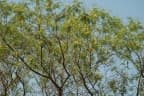
Senegalia visco
Senegalia visco
Family: Fabaceae
Cultivation
A plant of drier regions in the subtropics and tropics, usually found at elevations above 1,000 metres in tropical areas. This species has a symbiotic relationship with certain soil bacteria, these bacteria form nodules on the roots and fix atmospheric nitrogen. Some of this nitrogen is utilized by the growing plant but some can also be used by other plants growing nearby.
Full cultivation guide →