Erythrina — 44 species
Botanical species in the genus Erythrina recorded in the PlantPeers database.

Erythrina abyssinica
Erythrina abyssinica
Family: Fabaceae
Cultivation
A tree of low to moderate elevations in tropical areas, where it can be found at elevations up to 2,300 metres. It grows naturally in areas where the mean annual rainfall is in the range 800 - 1,500mm, though it has also been shown to succeed with rainfall as low as500mm or as high as 2,500mm. Its optimal temperature range is in the range 15 - 25°c, tolerating 10 - 30.
Full cultivation guide →
Erythrina acanthocarpa
Erythrina acanthocarpa
Family: Fabaceae
Cultivation
Erythrina acanthocarpa is native to the subtropical climate of South Africa where it experiences at least moderate frosts. It should succeed outdoors in mild winter areas of the temperate zone that experience hot summer temperatures and low rainfall. Plants can tolerate occasional lows to about -5°c, especially if they are kept relatively dry.
Full cultivation guide →
Erythrina addisoniae
Erythrina addisoniae
Family: Fabaceae
Cultivation
Erythrina species are tolerant of a range of soils, often tolerating poor fertility, but generally grow best in a sunny position in a moderately fertile, well-drained soil. All species in this genus are believed to be self-compatible. Their flowers are adapted to pollination by birds, though various insects can also cause fertilization.
Full cultivation guide →
Erythrina americana
Erythrina americana
Family: Fabaceae
Cultivation
Erythrina species are tolerant of a range of soils, often tolerating poor fertility, but generally grow best in a sunny position in a moderately fertile, well-drained soil. All species in this genus are believed to be self-compatible. Their flowers are adapted to pollination by birds, though various insects can also cause fertilization.
Full cultivation guide →Erythrina arborescens
Erythrina arborescens
Family: Fabaceae
Cultivation
Erythrina arborescens is native from the warm temperate to the tropical zones of southern China, being found at elevations up to 3,000 metres in the Himalayas of Nepal. As such, the plant should experience moderate frosts and so should be able to be cultivated in warmer parts of the temperate zone. Erythrina species are tolerant of a range of soils, often tolerating poor fertility, but generally grow best in a sunny position in a moderately fertile, well-drained soil.
Full cultivation guide →
Erythrina berteroana
Erythrina berteroana
Family: Fabaceae
Cultivation
A tree of low to moderate elevations in the tropics, where it is found at elevations from sea level to about 1,800 metres. It is found in areas where the annual rainfall ranges from 1,500 - 4,000 mm per year. It succeeds in areas with widely ranging temperatures and it is also presumed that in high elevations the plant is frost resistant.
Full cultivation guide →Erythrina brucei
Erythrina brucei
Family: Fabaceae
Cultivation
Erythrina species are tolerant of a range of soils, often tolerating poor fertility, but generally grow best in a sunny position in a moderately fertile, well-drained soil. Established plants are very tolerant of drought and recover quickly once the drought ends. A fast-growing tree, it can reach a height of 3 metres within 6 months of planting.
Full cultivation guide →Erythrina burana
Erythrina burana
Family: Fabaceae
Cultivation
Erythrina species are tolerant of a range of soils, often tolerating poor fertility, but generally grow best in a sunny position in a moderately fertile, well-drained soil. All species in this genus are believed to be self-compatible. Their flowers are adapted to pollination by birds, though various insects can also cause fertilization.
Full cultivation guide →
Erythrina caffra
Erythrina caffra
Family: Fabaceae
Cultivation
A tree of the lowland subtropics, it is sometimes cultivated in tropical areas. It can be found at elevations up to 200 metres. It grows best in areas where annual daytime temperatures are within the range 16 - 28°c, but can tolerate 12 - 35°c.
Full cultivation guide →Erythrina chiapasana
Erythrina chiapasana
Family: Fabaceae
Cultivation
Erythrina species are tolerant of a range of soils, often tolerating poor fertility, but generally grow best in a sunny position in a moderately fertile, well-drained soil. Established plants are drought tolerant. All species in this genus are believed to be self-compatible.
Full cultivation guide →
Erythrina corallodendron
Erythrina corallodendron
Family: Fabaceae
Cultivation
A plant of the lowland tropics. Succeeds in a moderately fertile, well-drained soil. Plants commence flowering when 3 - 4 years old.
Full cultivation guide →Erythrina costaricensis
Erythrina costaricensis
Family: Fabaceae
Cultivation
Erythrina species are tolerant of a range of soils, often tolerating poor fertility, but generally grow best in a sunny position in a moderately fertile, well-drained soil. All species in this genus are believed to be self-compatible. Their flowers are adapted to pollination by birds, though various insects can also cause fertilization.
Full cultivation guide →
Erythrina crista-galli
Erythrina crista-galli
Family: Fabaceae
Cultivation
Erythrina crista-galli is not very cold tolerant and grows best in subtropical climates. In areas with colder winters, the rootstock can tolerate occasional temperatures down to about -10°c provided the stem bases are thickly mulched with organic matter such as leaf litter or sawdust and covered with bracken. The top growth will be killed by the frost but new growth should sprout from the rootstock in spring and this will flower in late summer.
Full cultivation guide →
Erythrina edulis
Erythrina edulis
Family: Fabaceae
Cultivation
A plant of higher elevation in the dry to moist tropics. It is found at a wide range of elevations from 900 - 3,200 metres, and grows in areas where the annual temperatures range between 5 - 25°c and the rainfall is 450 - 1,800mm. Plants do not tolerate frequent frosts.
Full cultivation guide →Erythrina excelsa
Erythrina excelsa
Family: Fabaceae
Cultivation
A very fast-growing tree. Planted trees can be managed by pollarding. All species in this genus are believed to be self-compatible.
Full cultivation guide →
Erythrina falcata
Erythrina falcata
Family: Fabaceae
Cultivation
A plant of the subtropics to the tropics, more commonly at higher elevations from 1,000 - 3,000 metres but occasionally coming down to lower levels in the tropics. Succeeds in full sun and also in partial shade. Found in very moist to wet soils in the wild.
Full cultivation guide →Erythrina flabelliformis
Erythrina flabelliformis
Family: Fabaceae
Cultivation
Erythrina flabelliformis is not very cold-tolerant, being cut back by any more than light frosts. If damaged in areas with generally mild winters, it will usually resprout from the base in the spring and can then flower in late summer. Erythrina species are tolerant of a range of soils, often tolerating poor fertility, but generally grow best in a sunny position in a moderately fertile, well-drained soil.
Full cultivation guide →
Erythrina fusca
Erythrina fusca
Family: Fabaceae
Cultivation
Succeeds at low to moderate elevations in tropical, subtropical and warm temperate areas. It can be grown at elevations up to 2,000 metres. It grows best in areas where annual daytime temperatures are within the range 16 - 24°c, but can tolerate 12 - 32°c.
Full cultivation guide →
Erythrina herbacea
Erythrina herbacea
Family: Fabaceae
Cultivation
Erythrina herbacea is not very cold hardy, being able to tolerate occasional, short-lived temperatures down to about -10°c provided the stem bases are thickly mulched with organic matter such as leaf litter or sawdust and covered with bracken. Top growth will be killed by the cold, but the plant should resprout again from the base in spring and flower in late summer. Alternatively, the roots can be lifted in the autumn and stored in a cool frost-free place, replanting in the spring.
Full cultivation guide →
Erythrina humeana
Erythrina humeana
Family: Fabaceae
Cultivation
Erythrina humeana is native to the subtropical and tropical regions of southern east Africa, growing in sub-arid climates. Plants experience at least moderate frosts in their native range, but dislike high levels of rainfall. The plant can resprout from its large, tuberous rootstock if cut back by frosts, and so can be grown in mild winter climates in drier parts of the warm temperate zone.
Full cultivation guide →Erythrina latissima
Erythrina latissima
Family: Fabaceae
Cultivation
Erythrina latissima is not very cold-tolerant - it will withstand light frosts but will grow faster in frost-free areas. Erythrina species are generally tolerant of a range of soils, often tolerating poor fertility, but generally grow best in a sunny position in a moderately fertile, well-drained soil. A fairly slow growing tree, taking 20 to 30 years to form a reasonable canopy and then living for more than a hundred years.
Full cultivation guide →Erythrina lysistemon
Erythrina lysistemon
Family: Fabaceae
Cultivation
Erythrina lysistemon is not very cold tolerant, growing best in frost free gardens. It will, however, survive in regions where winter temperatures fall occasionally (and for short periods) down to -7°c, provided it is planted in a sheltered position, and protected from frost when young. It prefers dry winters, but can thrive in moist winters as long as it is planted in well-drained soil.
Full cultivation guide →Erythrina mexicana
Erythrina mexicana
Family: Fabaceae
Cultivation
Erythrina species are tolerant of a range of soils, often tolerating poor fertility, but generally grow best in a sunny position in a moderately fertile, well-drained soil. All species in this genus are believed to be self-compatible. Their flowers are adapted to pollination by birds, though various insects can also cause fertilization.
Full cultivation guide →Erythrina mildbraedii
Erythrina mildbraedii
Family: Fabaceae
Cultivation
Erythrina species are tolerant of a range of soils, often tolerating poor fertility, but generally grow best in a sunny position in a moderately fertile, well-drained soil. All species in this genus are believed to be self-compatible. Their flowers are adapted to pollination by birds, though various insects can also cause fertilization.
Full cultivation guide →Erythrina mitis
Erythrina mitis
Family: Fabaceae
Cultivation
Erythrina species are tolerant of a range of soils, often tolerating poor fertility, but generally grow best in a sunny position in a moderately fertile, well-drained soil. All species in this genus are believed to be self-compatible. Their flowers are adapted to pollination by birds, though various insects can also cause fertilization.
Full cultivation guide →
Erythrina poeppigiana
Erythrina poeppigiana
Family: Fabaceae
Cultivation
A plant of lowland, humid tropical areas to moderate elevations in the subhumid zone, where it can be cultivated at elevations up to 2,000 metres. It grows best in areas where annual daytime temperatures are within the range 22 - 28°c, but can tolerate 16 - 36°c. It prefers a mean annual rainfall in the range 1,000 - 4,000mm, but tolerates 800 - 4,500mm.
Full cultivation guide →
Erythrina rubrinervia
Erythrina rubrinervia
Family: Fabaceae
Cultivation
Erythrina species are tolerant of a range of soils, often tolerating poor fertility, but generally grow best in a sunny position in a moderately fertile, well-drained soil. All species in this genus are believed to be self-compatible. Their flowers are adapted to pollination by birds, though various insects can also cause fertilization.
Full cultivation guide →Erythrina sacleuxii
Erythrina sacleuxii
Family: Fabaceae
Cultivation
Erythrina species are tolerant of a range of soils, often tolerating poor fertility, but generally grow best in a sunny position in a moderately fertile, well-drained soil. All species in this genus are believed to be self-compatible. Their flowers are adapted to pollination by birds, though various insects can also cause fertilization.
Full cultivation guide →
Erythrina sandwicensis
Erythrina sandwicensis
Family: Fabaceae
Cultivation
A plant of lowland areas in Hawaii, where it id found below 610 metres in areas where the mean annual rainfall is in the range 500 - 1,250mm. Grows best in an open, sunny position. Prefers well-drained soils.
Full cultivation guide →
Erythrina senegalensis
Erythrina senegalensis
Family: Fabaceae
Cultivation
Erythrina species are tolerant of a range of soils, often tolerating poor fertility, but generally grow best in a sunny position in a moderately fertile, well-drained soil. The plant can be coppiced. It also produces suckers.
Full cultivation guide →Erythrina sigmoidea
Erythrina sigmoidea
Family: Fabaceae
Cultivation
Erythrina species are tolerant of a range of soils, often tolerating poor fertility, but generally grow best in a sunny position in a moderately fertile, well-drained soil. The plant is tolerant of seasonal inundation of the soil. All species in this genus are believed to be self-compatible.
Full cultivation guide →
Erythrina speciosa
Erythrina speciosa
Family: Fabaceae
Cultivation
Grows best in a sunny position. Prefers a moist to wet soil. A fast-growing plant, able to reach a height of 3 metres within 2 years from seed.
Full cultivation guide →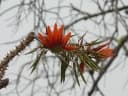
Erythrina stricta
Erythrina stricta
Family: Fabaceae
Cultivation
Erythrina species are tolerant of a range of soils, often tolerating poor fertility, but generally grow best in a sunny position in a moderately fertile, well-drained soil. All species in this genus are believed to be self-compatible. Their flowers are adapted to pollination by birds, though various insects can also cause fertilization.
Full cultivation guide →Erythrina suberosa
Erythrina suberosa
Family: Fabaceae
Cultivation
Erythrina species are tolerant of a range of soils, often tolerating poor fertility, but generally grow best in a sunny position in a moderately fertile, well-drained soil. A fast-growing tree. Plants flower and produce fruit all year round.
Full cultivation guide →
Erythrina subumbrans
Erythrina subumbrans
Family: Fabaceae
Cultivation
A plant of low to medium elevations in the tropics, where it is usually found at elevations below 1,500 metres. It is found in areas where the mean annual rainfall is in the range 500 - 2,000mm and there is a maximum of 4 months with less than 100mm rainfall. The mean annual temperature is above 22°c.
Full cultivation guide →
Erythrina tahitensis
Erythrina tahitensis
Family: Fabaceae
Cultivation
Succeeds in a moderately fertile, well-drained soil. It survives extended drought and high winds, but growth is slow under such harsh conditions. Plants commence flowering when 3 - 4 years old.
Full cultivation guide →
Erythrina tholloniana
Erythrina tholloniana
Family: Fabaceae
Cultivation
Erythrina species are tolerant of a range of soils, often tolerating poor fertility, but generally grow best in a sunny position in a moderately fertile, well-drained soil. All species in this genus are believed to be self-compatible. Their flowers are adapted to pollination by birds, though various insects can also cause fertilization.
Full cultivation guide →
Erythrina variegata
Erythrina variegata
Family: Fabaceae
Cultivation
Succeeds in tropical, subtropical and warm temperate areas at elevations up to 1,200 metres. Plants grow best in areas where the annual rainfall is in the region of 800 - 1,500mm, the mean minimum temperature is around 20°c and the mean maximum temperature is 32°c. Succeeds in a moderately fertile, well-drained soil.
Full cultivation guide →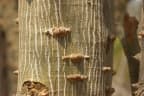
Erythrina velutina
Erythrina velutina
Family: Fabaceae
Cultivation
Grows best in a sunny position. A fast-growing tree, able to reach a height of 3.5 metres within 2 years from seed. All species in this genus are believed to be self-compatible.
Full cultivation guide →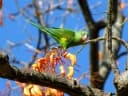
Erythrina verna
Erythrina verna
Family: Fabaceae
Cultivation
Erythrina species are tolerant of a range of soils, often tolerating poor fertility, but generally grow best in a sunny position in a moderately fertile, well-drained soil. All species in this genus are believed to be self-compatible. Their flowers are adapted to pollination by birds, though various insects can also cause fertilization.
Full cultivation guide →
Erythrina vespertilio
Erythrina vespertilio
Family: Fabaceae
Cultivation
A plant of the arid to moist tropical and subtropical lowlands, where it is found at elevations up to 800 metres. It grows best in areas where annual daytime temperatures are within the range 20 - 35°c, but can tolerate 10 - 45°c. Mature plants can be killed by temperatures of -5°c or lower, but new growth will be severely damaged at -1°c.
Full cultivation guide →Erythrina vogelii
Erythrina vogelii
Family: Fabaceae
Cultivation
Erythrina species are tolerant of a range of soils, often tolerating poor fertility, but generally grow best in a sunny position in a moderately fertile, well-drained soil. All species in this genus are believed to be self-compatible. Their flowers are adapted to pollination by birds, though various insects can also cause fertilization.
Full cultivation guide →Erythrina zeyheri
Erythrina zeyheri
Family: Fabaceae
Cultivation
Erythrina zeyheri is found from the tropical regions of Zimbabwe to the warm temperate zone of eastern S. Africa. It experiences frosts in at least part of its range and should be able to be grown in warm temperate regions, especially if given the protection of being grown against the sunny side of a wall, and the stem bases are protected with a thick mulch of organic matter such as leaf litter or sawdust and then covered with bracken.
Full cultivation guide →Erythrina × bidwillii
Erythrina × bidwillii
Family: Fabaceae
Cultivation
Erythrina x bidwillii is not very cold tolerant. The rootstock can tolerate temperatures down to about -10°c when the plant is dormant, provided the stem bases are thickly mulched with organic matter such as leaf litter or sawdust and covered with bracken. The top growth can be killed by all but light frosts, but new growth should sprout from the rootstock in spring and this will flower in late summer.
Full cultivation guide →