Vachellia — 38 species
Botanical species in the genus Vachellia recorded in the PlantPeers database.

Vachellia abyssinica
Vachellia abyssinica
Family: Fabaceae
Cultivation
Vachellia abyssinica is a plant of the tropical and subtropical zones, where it is found at elevations up to 2,300 metres. It grows best in areas where annual daytime temperatures are within the range 20 - 30°c, but can tolerate 10 - 40°c. When dormant, the plant can survive temperatures down to about -9°c, but young growth can be severely damaged at 0°c.
Full cultivation guide →Vachellia amythethophylla
Vachellia amythethophylla
Family: Fabaceae
Cultivation
A plant of drier areas in the tropics, where it generally needs a mean annual rainfall in excess of 1,000mm if it is to thrive, though it can also be found in areas with as little as 600mm. Requires a sunny position. Succeeds on shallow, gravelly soils.
Full cultivation guide →Vachellia anegadensis
Vachellia anegadensis
Family: Fabaceae
Cultivation
This species has a symbiotic relationship with certain soil bacteria; these bacteria form nodules on the roots and fix atmospheric nitrogen. Some of this nitrogen is utilized by the growing plant but some can also be used by other plants growing nearby.
Full cultivation guide →Vachellia bidwillii
Vachellia bidwillii
Family: Fabaceae
Cultivation
Vachellia bidwillii is a plant of the sub-humid tropical zone of eastern Australia zone, where it is found at elevations up to 350 metres. It grows best in areas where annual daytime temperatures are within the range 22 - 32°c, but can tolerate 10 - 40°c. It prefers a mean annual rainfall in the range 550 - 750mm, but tolerates 450 - 850mm, with a dry season of 2 - 6 months.
Full cultivation guide →Vachellia bussei
Vachellia bussei
Family: Fabaceae
Cultivation
Requires a sunny position. It can be found on a wide range of soils from red sands to black cotton (clay) as well as on limestone outcrops. This species has a symbiotic relationship with certain soil bacteria; these bacteria form nodules on the roots and fix atmospheric nitrogen.
Full cultivation guide →Vachellia campeachiana
Vachellia campeachiana
Family: Fabaceae
Cultivation
This species has a symbiotic relationship with certain soil bacteria, these bacteria form nodules on the roots and fix atmospheric nitrogen. Some of this nitrogen is utilized by the growing plant but some can also be used by other plants growing nearby.
Full cultivation guide →
Vachellia caven
Vachellia caven
Family: Fabaceae
Cultivation
Succeeds in warm temperate to subtropical and tropical areas. It is found at low to moderate elevations in Chile, in dry to moist regions where the annual rainfall is in the range of 100 - 800mm and there is a distinct dry season that can be as long as 10 months. Plants can withstand light frosts, but do not tolerate temperatures much below freezing.
Full cultivation guide →Vachellia constricta
Vachellia constricta
Family: Fabaceae
Cultivation
Vachellia constricta is a plant of arid and semi-arid regions of southwestern N. America at elevations up to 2,000 metres. It can experience summer temperatures as high as 43°c with winter lows falling to -12°c.
Full cultivation guide →Vachellia cornigera
Vachellia cornigera
Family: Fabaceae
Cultivation
The trees' hollow thorns are inhabited by aggressive, symbiotic ants who rapidly attack any percieved threat to the tree, including browsing mammals. In return the ants receive nourishment from the tree's leafstalks and leaflet tips. This species has a symbiotic relationship with certain soil bacteria, these bacteria form nodules on the roots and fix atmospheric nitrogen.
Full cultivation guide →Vachellia drepanolobium
Vachellia drepanolobium
Family: Fabaceae
Cultivation
Vachellia drepanolobium grows in tropical regions of eastern Africa in areas where the mean annual rainfal is within the range 500 - 1,300mm. Vachellia drepanolobium is probably the most common Acacia in eastern Africa and, in areas such as Ethiopia it is considered by some to be an invasive species that reduces the quality of pasture on the range. Other research, however, has suggested that it can actually lead to an increase in productivity and palatability of the range by encouraging more productive grass species to grow under its canopy.
Full cultivation guide →Vachellia elatior
Vachellia elatior
Family: Fabaceae
Cultivation
A plant of the seasonal, somewhat dry tropics, where it can be found at elevations up to 1,750 metres. It is found in areas where the mean annual rainfall is within the range 500 - 1,200mm. Grows best in a sunny position.
Full cultivation guide →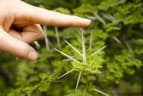
Vachellia erioloba
Vachellia erioloba
Family: Fabaceae
Cultivation
Camel thorn grows in tropical and subtropical areas at elevations of 200 - 1,200 metres. Tolerant of some frost, it grows best in areas with a mean annual temperature in the range 12 - 29c and a mean annual rainfall of 250 - 1,000mm. Prefers a well-drained, sandy, acidic soil.
Full cultivation guide →Vachellia etbaica
Vachellia etbaica
Family: Fabaceae
Cultivation
A plant of the sesonal tropics, where it is found at elevations up to 1,800 metres. It grows in areas where the mean annual temperature is around 22.3°c and the mean annual rainfall 200 - 1,400mm. This species has a symbiotic relationship with certain soil bacteria, these bacteria form nodules on the roots and fix atmospheric nitrogen.
Full cultivation guide →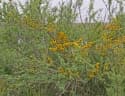
Vachellia farnesiana
Vachellia farnesiana
Family: Fabaceae
Cultivation
Originally tropical, Vachellia farnesiana can succeed from the warm temperate zone to tropical areas, where it is naturalized at elevations up to 400 metres and cultivated up to 1,200 metres. It is particularly well adapted to arid and semi-arid grasslands and wastelands. It grows best in areas where annual daytime temperatures are within the range 20 - 32°c, but can tolerate 7 - 42°c.
Full cultivation guide →Vachellia flava
Vachellia flava
Family: Fabaceae
Cultivation
A plant of arid and semi-arid areas in the tropics and subtropics of Africa. Very tolerant of low rainfall, it is able to grow in sandy soils with only 50mm rainfall a year; in clay soils with 150mm; and on slopes and in dry river valleys with 300 - 400mm. Requires a sunny position.
Full cultivation guide →Vachellia gummifera
Vachellia gummifera
Family: Fabaceae
Cultivation
Vachellia gummifera grows best in semi-arid to arid Mediterranean bio-climates with mild to warm winters. Requires a sunny position. Needs a well-drained soil, growing wild in soils that are usually shallow, calcareous or siliceous.
Full cultivation guide →Vachellia hebeclada
Vachellia hebeclada
Family: Fabaceae
Cultivation
The plant has a deep root system, there are records of a plant with roots that penetrated more than 35 metres into the soil. This species has a symbiotic relationship with certain soil bacteria; these bacteria form nodules on the roots and fix atmospheric nitrogen. Some of this nitrogen is utilized by the growing plant but some can also be used by other plants growing nearby.
Full cultivation guide →Vachellia hockii
Vachellia hockii
Family: Fabaceae
Cultivation
Vachellia hockii is a tropical species, preferring moist savannah regions with a mean annual rainfall within the range 430 - 860mm, and so is generally absent in the true Sahelian zone and other drier savannahs where other Acacia species generally dominate. It can tolerate very high temperatures but is intolerant of frost. Requires a sunny position in a well-drained soil.
Full cultivation guide →Vachellia jacquemontii
Vachellia jacquemontii
Family: Fabaceae
Cultivation
This species has a symbiotic relationship with certain soil bacteria, these bacteria form nodules on the roots and fix atmospheric nitrogen. Some of this nitrogen is utilized by the growing plant but some can also be used by other plants growing nearby.
Full cultivation guide →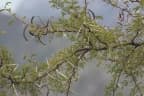
Vachellia karroo
Vachellia karroo
Family: Fabaceae
Cultivation
Vachellia karroo succeeds in subtropical to tropical areas where it is found at elevations from sea level to 1,000 metres. It grows best where the mean annual temperature is in the range 12 - 40°c and the mean annual rainfall is between 200 - 1,500mm. The plant is surprisingly hardy - mature plants can tolerate some frost, and plants have been grown successfully as far north as the British Isles.
Full cultivation guide →Vachellia kirkii
Vachellia kirkii
Family: Fabaceae
Cultivation
This species has a symbiotic relationship with certain soil bacteria, these bacteria form nodules on the roots and fix atmospheric nitrogen. Some of this nitrogen is utilized by the growing plant but some can also be used by other plants growing nearby.
Full cultivation guide →Vachellia lahai
Vachellia lahai
Family: Fabaceae
Cultivation
A fast-growing tree. Slow-growing according to another report. This species has a symbiotic relationship with certain soil bacteria; these bacteria form nodules on the roots and fix atmospheric nitrogen.
Full cultivation guide →Vachellia lasiopetala
Vachellia lasiopetala
Family: Fabaceae
Cultivation
This species has a symbiotic relationship with certain soil bacteria, these bacteria form nodules on the roots and fix atmospheric nitrogen. Some of this nitrogen is utilized by the growing plant but some can also be used by other plants growing nearby.
Full cultivation guide →Vachellia leucophloea
Vachellia leucophloea
Family: Fabaceae
Cultivation
A tree of tropical and subtropical climates, it is found at elevations ranging from sea level to 800 metres. Tolerant of a wide range of temperatures, succeeding in areas with a mean annual temperature in the range 6 - 49°c. It grows best in areas with a mean annual rainfall of 400 - 1,500mm, succeeding even in areas where the dry season may persist for 9-10 months.
Full cultivation guide →Vachellia leucospira
Vachellia leucospira
Family: Fabaceae
Cultivation
This species has a symbiotic relationship with certain soil bacteria; these bacteria form nodules on the roots and fix atmospheric nitrogen. Some of this nitrogen is utilized by the growing plant but some can also be used by other plants growing nearby.
Full cultivation guide →Vachellia luederitzii
Vachellia luederitzii
Family: Fabaceae
Cultivation
This species has a symbiotic relationship with certain soil bacteria; these bacteria form nodules on the roots and fix atmospheric nitrogen. Some of this nitrogen is utilized by the growing plant but some can also be used by other plants growing nearby.
Full cultivation guide →Vachellia macracantha
Vachellia macracantha
Family: Fabaceae
Cultivation
A very variable species, leading to many synonyms being given to plants that were originally thought to be distinct. Vachellia macracantha occasionally hybridizes in the wild with Vachellia cochliacantha and with Vachellia pennatula. This species has a symbiotic relationship with certain soil bacteria, these bacteria form nodules on the roots and fix atmospheric nitrogen.
Full cultivation guide →Vachellia nilotica
Vachellia nilotica
Family: Fabaceae
Cultivation
Gum arabic succeeds in subtropical to tropical lowland areas and at elevations up to 1,300 metres. It thrives in areas with an annual rainfall in the range of 400 - 2,300mm. It is reported to tolerate an annual mean temperature in the range of 19 - 28°c, though it can grow at extreme conditions of temperature.
Full cultivation guide →Vachellia oerfota
Vachellia oerfota
Family: Fabaceae
Cultivation
Prefers a well-drained, circumneutral to slightly acid soil and a position in full sun. Plants respond well to coppicing and pollarding. This species has a symbiotic relationship with certain soil bacteria, these bacteria form nodules on the roots and fix atmospheric nitrogen.
Full cultivation guide →Vachellia pennatula
Vachellia pennatula
Family: Fabaceae
Cultivation
A plant of drier areas in the tropics and subtropics, where it can be found at elevations up to 2,000 metres. It grows best in areas where the mean annual temperature is within the range 19 - 28°c, and the mean annual rainfal: 500 - 1,800mm. Its ability to resist frost accounts for its successes in subtropical trials at Himachal Pradesh, India.
Full cultivation guide →Vachellia planifrons
Vachellia planifrons
Family: Fabaceae
Cultivation
The tree is coppiced on a rotation of 15 years for the production of wood for fuel. The plant can reproduce from suckers if the top-growth is killed. This species has a symbiotic relationship with certain soil bacteria, these bacteria form nodules on the roots and fix atmospheric nitrogen.
Full cultivation guide →Vachellia robusta
Vachellia robusta
Family: Fabaceae
Cultivation
A plant of tropical areas, where it can be found at elevations up to 1,800 metres. Plants can tolerate some frost. Established plants are drought resistant.
Full cultivation guide →Vachellia seyal
Vachellia seyal
Family: Fabaceae
Cultivation
This species is more commonly found within 12° of the equator, especially in semi-arid areas. It is found in an altitude range of 1,700 - 2,000 metres, growing best where the mean annual temperature is in the range 18 - 28°c and the mean annual rainfall is 250 - 1,000mm. Grows best in a well-drained, neutral to acid soil.
Full cultivation guide →Vachellia sieberiana
Vachellia sieberiana
Family: Fabaceae
Cultivation
Succeeds in drier regions of tropical and subtropical areas, being found at elevations ranging from sea level to 1,850 metres. It prefers a mean annual temperature in the range 13 - 21°c and a mean annual rainfall of 400 - 800mm. A fairly tolerant species, it grows on deep, well-drained, heavy clay, light sandy and medium loamy soils of acidic reaction.
Full cultivation guide →Vachellia tomentosa
Vachellia tomentosa
Family: Fabaceae
Cultivation
This species has a symbiotic relationship with certain soil bacteria, these bacteria form nodules on the roots and fix atmospheric nitrogen. Some of this nitrogen is utilized by the growing plant but some can also be used by other plants growing nearby.
Full cultivation guide →Vachellia tortilis
Vachellia tortilis
Family: Fabaceae
Cultivation
Umbrella thorn is a plant for semi-arid tropical and subtropical areas, succeeding at elevations from sea level to 2,000 metres. It grows best in areas where the mean annual temperature is in the range 23.4 - 31.3°c, with a mean annual rainfall of 100 - 1,000mm. It tolerates a maximum temperature of 50°c and a minimum temperature close to 0°c, though trees less than 2 years old are very susceptible to frost damage.
Full cultivation guide →Vachellia valida
Vachellia valida
Family: Fabaceae
Cultivation
Grows in the wild on red sand, sandy loams or clay loams. This species has a symbiotic relationship with certain soil bacteria, these bacteria form nodules on the roots and fix atmospheric nitrogen. Some of this nitrogen is utilized by the growing plant but some can also be used by other plants growing nearby.
Full cultivation guide →Vachellia xanthophloea
Vachellia xanthophloea
Family: Fabaceae
Cultivation
Older trees can tolerate moderate frosts. The plant often grows on alluvial, black, clay soils in the wild. It prefers sandy soils.
Full cultivation guide →