Ipomoea — 28 species
Botanical species in the genus Ipomoea recorded in the PlantPeers database.
Ipomoea alba
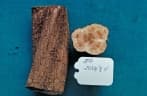
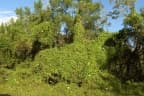
Ipomoea alba
Family: Convolvulaceae
Cultivation
Ipomoea alba is a plant mainly of tropical climes, also growing in subtropical areas and cultivated as an annual in temperate regions. It is not very cold-hardy, tolerating occasional temperatures down to between -5 and -10°c. Another report says that plants need a minimum temperature of 5°c if they are to overwinter successfully.
Full cultivation guide →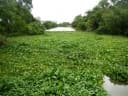
Ipomoea aquatica
Ipomoea aquatica
Family: Convolvulaceae
Cultivation
Swamp morning glory is a plant of the moist to wet, lowland tropics, where it is found at elevations up to 1,000 metres. It grows best in areas where annual daytime temperatures are within the range 15 - 35°c, but can tolerate 10 - 40°c. It prefers a mean annual rainfall in the range 2,000 - 2,500mm, but tolerates 700 - 4,200mm.
Full cultivation guide →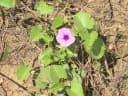

Ipomoea batatas
Ipomoea batatas
Family: Convolvulaceae
Cultivation
Sweet potato is a plant of the tropics, but can also be grown in the subtropics and, if there is a sufficient growing season of 110 - 170 days, as an annual crop in warmer parts of the temperate zone. It is grown in the tropics at elevations up to 2,800 metres. It grows best in areas where annual daytime temperatures are within the range 18 - 28°c, but can tolerate 10 - 38°c.
Full cultivation guide →
Ipomoea bracteata
Ipomoea bracteata
Family: Convolvulaceae
Cultivation
A plant of subtropical to tropical areas where it is found at elevations from near sea level to over 1,500 metres.
Full cultivation guide →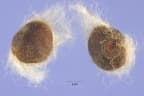
Ipomoea cairica
Ipomoea cairica
Family: Convolvulaceae
Cultivation
Prefers a rich but well drained soil with some to much water and some sun. The plant is commonly grown as an ornamental and has often escaped from cultivation and become established in the wild. It has spread almost throughout the tropics and its scrambling stems can smother vegetation, thereby altering ecosystems and reducing biodiversity.
Full cultivation guide →
Ipomoea carnea
Ipomoea carnea
Family: Convolvulaceae
Cultivation
The plant is grown as an ornamental. It has escaped from cultivation and become naturalized in many areas, often being classified as invasive. The plant flowers throughout the year, except during cool periods.
Full cultivation guide →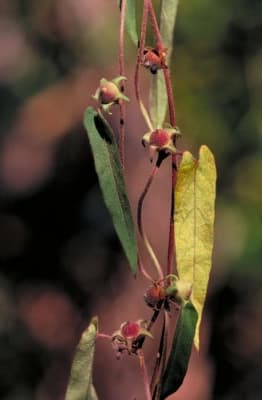
Ipomoea eriocarpa
Ipomoea eriocarpa
Family: Convolvulaceae
Cultivation
In Uganda the plant grows wild in areas with a mean annual rainfall of 1,000 - 1,500mm. Established plants are drought resistant.
Full cultivation guide →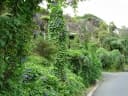
Ipomoea indica
Ipomoea indica
Family: Convolvulaceae
Cultivation
Succeeds in a wide variety of soils and situations, preferring moist sites especially where the soil is rich in nutrients. Often grown as an ornamental, the plant has escaped from cultivation and become naturalized in many areas. It is a noxious weed in parts of Australia, for example, where it carpets the ground and smothers shrubs and small trees.
Full cultivation guide →
Ipomoea jalapa
Ipomoea jalapa
Family: Convolvulaceae
Cultivation
Requires a well-drained humus-rich soil in a sunny position. This species is not very frost tolerant, though it might be possible to grow it outdoors in a very sheltered position in the mildest areas of Britain. Either cut the plant back or thin out the shoots in the spring.
Full cultivation guide →Ipomoea leptophylla
Ipomoea leptophylla
Family: Convolvulaceae
Cultivation
Requires a rich well-drained soil in a warm sunny position. Requires greenhouse protection in Britain. A plant survived 2 winters outdoors in a pot in Cornwall before succumbing to a very wet and cold winter.
Full cultivation guide →

Ipomoea nil
Ipomoea nil
Family: Convolvulaceae
Cultivation
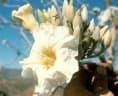
The plant is not frost hardy, but can be grown outdoors as a tender annual in temperate zones. Requires a fertile well-drained loam in a sunny position. A very ornamental plant, there are several named varieties.
Full cultivation guide →
Ipomoea obscura
Ipomoea obscura
Family: Convolvulaceae
Cultivation
Grows best in full sun. Succeeds in most soils, so long as they are well-drained. The plant is often grown as an ornamental, and is also used as a food and traditional medicine.
Full cultivation guide →
Ipomoea pandurata
Ipomoea pandurata
Family: Convolvulaceae
Cultivation
Requires a rich well-drained loam in a warm sunny position. The hardiest member of the genus, it tolerates frozen soil and should survive winter temperatures down to at least -10°c. A climbing plant, supporting itself by twining around the branches of other plants.
Full cultivation guide →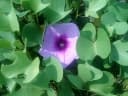
Ipomoea pes-caprae
Ipomoea pes-caprae
Family: Convolvulaceae
Cultivation
Requires a sunny position in a well-drained soil. It is able to thrive in some of the worst soils imaginable. Plants are tolerant of maritime exposure.
Full cultivation guide →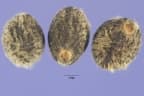
Ipomoea pes-tigridis
Ipomoea pes-tigridis
Family: Convolvulaceae
Cultivation
The plant can be found flowering throughout the year, when sufficient water is available.
Full cultivation guide →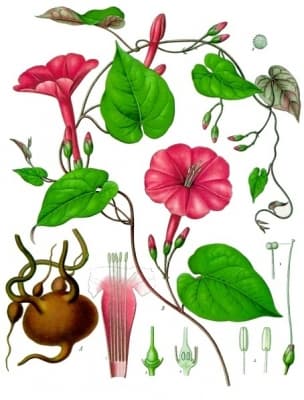
Ipomoea purpurea
Ipomoea purpurea
Family: Convolvulaceae
Cultivation
Requires a fertile well-drained loam in a sunny position. The plant is not very frost hardy, but it can be grown outdoors as a tender annual in temperate zones. A very ornamental plant, there are several named varieties.
Full cultivation guide →Ipomoea sagittata
Ipomoea sagittata
Family: Convolvulaceae

Ipomoea tricolor
Ipomoea tricolor
Family: Convolvulaceae
Cultivation
Ipomoea tricolor is a native of seasonally dry tropical regions. It is not very frost tolerant. Requires a rich well-drained soil in a warm sunny position.
Full cultivation guide →
Ipomoea triloba
Ipomoea triloba
Family: Convolvulaceae
Cultivation
Originally from the Caribbean, the plant has spread to become a pantropical weed. Although a fairly small plant, because of its creeping, twining habit it can overwhelm other vegetation in farmer's fields and in natural areas. Plants can flower all year round.
Full cultivation guide →