Diospyros — 107 species
Botanical species in the genus Diospyros recorded in the PlantPeers database.

Diospyros abyssinica
Diospyros abyssinica
Family: Ebenaceae
Cultivation
A plant of the dry to moist tropics where it can be found at elevations of 200 - 2,500 metres. It is found in areas where the mean annual rainfall is in the range 650 - 2,050mm, though its presence in drier areas depends on the availability of water along watercourses, from runoff from rocky outcrops, or in water-retaining soils of termite mounds. We have seen no individual confirmation for this species, but in general Diospyros species are dioecious and require both male and female forms to be grown if fruit and seed are required.
Full cultivation guide →
Diospyros argentea
Diospyros argentea
Family: Ebenaceae
Cultivation
We have seen no individual confirmation for this species, but in general Diospyros species are dioecious and require both male and female forms to be grown if fruit and seed are required.
Full cultivation guide →
Diospyros barteri
Diospyros barteri
Family: Ebenaceae
Cultivation
We have seen no individual confirmation for this species, but in general Diospyros species are dioecious and require both male and female forms to be grown if fruit and seed are required.
Full cultivation guide →
Diospyros batocana
Diospyros batocana
Family: Ebenaceae
Cultivation
A dioecious species, both male and female forms need to be grown if fruit and seed are required.
Full cultivation guide →Diospyros bibracteata
Diospyros bibracteata
Family: Ebenaceae
Cultivation
We have seen no individual confirmation for this species, but in general Diospyros species are dioecious and require both male and female forms to be grown if fruit and seed are required.
Full cultivation guide →Diospyros bipindensis
Diospyros bipindensis
Family: Ebenaceae
Cultivation
We have seen no individual confirmation for this species, but in general Diospyros species are dioecious and require both male and female forms to be grown if fruit and seed are required.
Full cultivation guide →
Diospyros blancoi
Diospyros blancoi
Family: Ebenaceae
Cultivation
A plant of hot, humid, lowland tropics. The tree grows well in areas with a monsoon climate from sea level to 800 metres elevation. Mature trees can withstand light frost for short periods.
Full cultivation guide →Diospyros boiviniana
Diospyros boiviniana
Family: Ebenaceae
Cultivation
There is a general belief that D. seychellarum keeps bad spirits away. We have seen no individual confirmation for this species, but in general Diospyros species are dioecious and require both male and female forms to be grown if fruit and seed are required.
Full cultivation guide →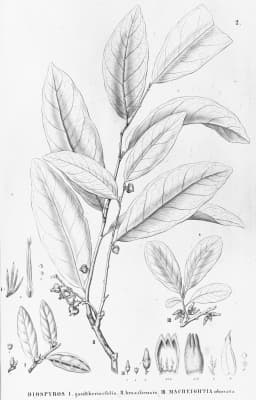
Diospyros brasiliensis
Diospyros brasiliensis
Family: Ebenaceae
Cultivation
Prefers a sunny position. A dioecious species, both male and female forms need to be grown if fruit and seed are required.
Full cultivation guide →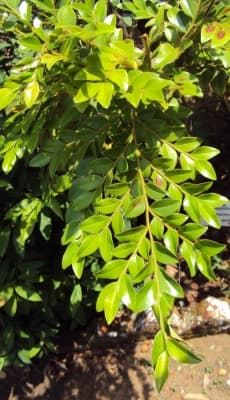
Diospyros buxifolia
Diospyros buxifolia
Family: Ebenaceae
Cultivation
A dioecious species, both male and female forms need to be grown if fruit and seed are required.
Full cultivation guide →Diospyros canaliculata
Diospyros canaliculata
Family: Ebenaceae
Cultivation
The flowers are pleasantly fragrant. We have seen no individual confirmation for this species, but in general Diospyros species are dioecious and require both male and female forms to be grown if fruit and seed are required.
Full cultivation guide →
Diospyros celebica
Diospyros celebica
Family: Ebenaceae
Cultivation
A plant of the humid lowlands, where it is found at elevations up to 540 metres. It grows best in areas where the mean annual temperature is between 22 - 28°c and the mean annual rainfall is 2,000 - 2,500mm. Succeeds on various soil types - calcareous, clay and shallow stony soils.
Full cultivation guide →
Diospyros chamaethamnus
Diospyros chamaethamnus
Family: Ebenaceae
Cultivation
The plant has adapted to grow in areas where bush fires are common - sometimes every year - and it produces semi-woody rather than fully woody stems. These are often burnt down at the end of their first year's growth and so the plant produces a new flush of unbranched stems up to 30cm tall each year. If they are not burned down, then the stems increase in height to 45cm or more in their second year, when they sometimes also produce some side branches.
Full cultivation guide →Diospyros coaetanea
Diospyros coaetanea
Family: Ebenaceae
Cultivation
A dioecious species, both male and female forms need to be grown if fruit and seed are required.
Full cultivation guide →Diospyros consolatae
Diospyros consolatae
Family: Ebenaceae
Cultivation
A dioecious species, both male and female forms need to be grown if fruit and seed are required.
Full cultivation guide →Diospyros conzattii
Diospyros conzattii
Family: Ebenaceae
Cultivation
We have seen no individual confirmation for this species, but in general Diospyros species are dioecious and require both male and female forms to be grown if fruit and seed are required.
Full cultivation guide →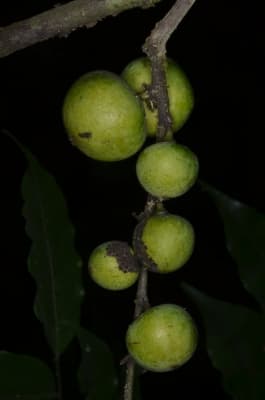
Diospyros cooperi
Diospyros cooperi
Family: Ebenaceae
Cultivation
We have seen no individual confirmation for this species, but in general Diospyros species are dioecious and require both male and female forms to be grown if fruit and seed are required.
Full cultivation guide →Diospyros costaricensis
Diospyros costaricensis
Family: Ebenaceae
Cultivation
A plant of medium elevations in the tropics, being found from 600 - 1,20 metres. It is found in areas where there is a distinct dry season of around 5 months and the mean annual rainfall is in the region of 1,500mm. We have seen no individual confirmation for this species, but in general Diospyros species are dioecious and require both male and female forms to be grown if fruit and seed are required.
Full cultivation guide →
Diospyros crassiflora
Diospyros crassiflora
Family: Ebenaceae
Cultivation
A slow-growing species. The mean diameter growth was 4.5mm per year for trees with a mean height of 14.5 metres and a mean age of 50 years. However, two trees measured over a period of 10 years in central Gabon had an average annual growth rate of only 1mm in diameter.
Full cultivation guide →Diospyros curranii
Diospyros curranii
Family: Ebenaceae
Cultivation
A dioecious species, both male and female forms need to be grown if fruit and seed are required.
Full cultivation guide →
Diospyros decandra
Diospyros decandra
Family: Ebenaceae
Cultivation
We have seen no individual confirmation for this species, but in general Diospyros species are dioecious and require both male and female forms to be grown if fruit and seed are required.
Full cultivation guide →
Diospyros dendo
Diospyros dendo
Family: Ebenaceae
Cultivation
A tree of the lowland, moist tropics. We have seen no individual confirmation for this species, but in general Diospyros species are dioecious and require both male and female forms to be grown if fruit and seed are required.
Full cultivation guide →Diospyros diepenhorstii
Diospyros diepenhorstii
Family: Ebenaceae
Cultivation
The tree sometimes flowers and fruits all year round. A dioecious species, both male and female forms need to be grown if fruit and seed are required.
Full cultivation guide →
Diospyros digyna
Diospyros digyna
Family: Ebenaceae
Cultivation
A plant of the moist tropics and subtropics. It can be grown at elevations up to 2,000 metres, but does best below 600 metres. It grows best in areas where annual daytime temperatures are within the range 20 - 27°c, but can tolerate 12 - 34°c.
Full cultivation guide →
Diospyros ebenum
Diospyros ebenum
Family: Ebenaceae
Cultivation
A plant of comparatively dry areas in the tropics. Prefers a well-drained soil containing clay. A slow-growing tree.
Full cultivation guide →
Diospyros egrettarum
Diospyros egrettarum
Family: Ebenaceae
Cultivation
A dioecious species, both male and female forms need to be grown if fruit and seed are required.
Full cultivation guide →Diospyros ehretioides
Diospyros ehretioides
Family: Ebenaceae
Cultivation
Trees are somewhat shade tolerant. We have seen no individual confirmation for this species, but in general Diospyros species are dioecious and require both male and female forms to be grown if fruit and seed are required.
Full cultivation guide →
Diospyros elliotii
Diospyros elliotii
Family: Ebenaceae
Cultivation
The orange-yellow fruit is borne on older parts of stem below the leaves. We have seen no individual confirmation for this species, but in general Diospyros species are dioecious and require both male and female forms to be grown if fruit and seed are required.
Full cultivation guide →
Diospyros eriantha
Diospyros eriantha
Family: Ebenaceae
Cultivation
A dioecious species, both male and female forms need to be grown if fruit and seed are required.
Full cultivation guide →
Diospyros ferrea
Diospyros ferrea
Family: Ebenaceae
Cultivation
A dioecious species, both male and female forms need to be grown if fruit and seed are required.
Full cultivation guide →Diospyros foliolosa
Diospyros foliolosa
Family: Ebenaceae
Cultivation
A dioecious species, both male and female forms need to be grown if fruit and seed are required.
Full cultivation guide →
Diospyros gabunensis
Diospyros gabunensis
Family: Ebenaceae
Cultivation
The bark is smooth or slightly fissured, and is hard and brittle like glass, hence one of its common names of ‘flint-bark tree’. We have seen no individual confirmation for this species, but in general Diospyros species are dioecious and require both male and female forms to be grown if fruit and seed are required.
Full cultivation guide →Diospyros gardneri
Diospyros gardneri
Family: Ebenaceae
Cultivation
A plant of the moist, lowland tropics. We have seen no individual confirmation for this species, but in general Diospyros species are dioecious and require both male and female forms to be grown if fruit and seed are required.
Full cultivation guide →Diospyros gillisonii
Diospyros gillisonii
Family: Ebenaceae
Cultivation
We have seen no individual confirmation for this species, but in general Diospyros species are dioecious and require both male and female forms to be grown if fruit and seed are required.
Full cultivation guide →Diospyros glandulosa
Diospyros glandulosa
Family: Ebenaceae
Cultivation
A fast-growing tree. A dioecious species, both male and female forms need to be grown if fruit and seed are required.
Full cultivation guide →
Diospyros gracilescens
Diospyros gracilescens
Family: Ebenaceae
Cultivation
We have seen no individual confirmation for this species, but in general Diospyros species are dioecious and require both male and female forms to be grown if fruit and seed are required.
Full cultivation guide →
Diospyros hainanensis
Diospyros hainanensis
Family: Ebenaceae
Cultivation
A dioecious species, both male and female forms need to be grown if fruit and seed are required.
Full cultivation guide →
Diospyros haplostylis
Diospyros haplostylis
Family: Ebenaceae
Cultivation
We have seen no individual confirmation for this species, but in general Diospyros species are dioecious and require both male and female forms to be grown if fruit and seed are required.
Full cultivation guide →Diospyros hasseltii
Diospyros hasseltii
Family: Ebenaceae
Cultivation
Plants can be either monoecious or dioecious. If dioecious forms are grown, then both male and female forms need to be grown if fruit and seed are required.
Full cultivation guide →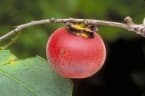
Diospyros hebecarpa
Diospyros hebecarpa
Family: Ebenaceae
Cultivation
Prefers a position in light shade. Grows best in a well-drained, acid soil. A slow-growing plant, especially when young.
Full cultivation guide →
Diospyros heterotricha
Diospyros heterotricha
Family: Ebenaceae
Cultivation
A dioecious species, both male and female forms need to be grown if fruit and seed are required.
Full cultivation guide →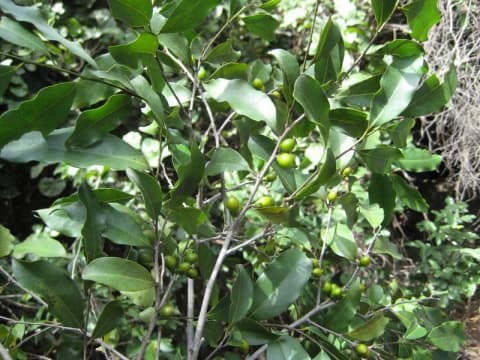
Diospyros heudelotii
Diospyros heudelotii
Family: Ebenaceae
Cultivation
The leaves and flowers emit a coarse smell which is likened in some Sierra Leonean names to that of rank flatulence. A dioecious species, both male and female forms need to be grown if fruit and seed are required
Full cultivation guide →Diospyros hirsuta
Diospyros hirsuta
Family: Ebenaceae
Cultivation
The tree is usually dioecious, though monoecious forms are known. Normally, both male and female forms need to be grown if fruit and seed are required.
Full cultivation guide →
Diospyros hispida
Diospyros hispida
Family: Ebenaceae
Cultivation
Prefers a sunny position. Established plants are drought tolerant. Plants are quite slow growing.
Full cultivation guide →
Diospyros hoyleana
Diospyros hoyleana
Family: Ebenaceae
Cultivation
We have seen no individual confirmation for this species, but in general Diospyros species are dioecious and require both male and female forms to be grown if fruit and seed are required.
Full cultivation guide →
Diospyros inconstans
Diospyros inconstans
Family: Ebenaceae
Cultivation
Prefers a sunny position. Plants have a moderate rate of growth. We have seen no individual confirmation for this species, but in general Diospyros species are dioecious and require both male and female forms to be grown if fruit and seed are required.
Full cultivation guide →Diospyros insularis
Diospyros insularis
Family: Ebenaceae
Cultivation
We have seen no individual confirmation for this species, but in general Diospyros species are dioecious and require both male and female forms to be grown if fruit and seed are required.
Full cultivation guide →Diospyros ismailii
Diospyros ismailii
Family: Ebenaceae
Cultivation
A dioecious species, both male and female forms need to be grown if fruit and seed are required. The male forms of this plant usually bear a small percentage of bisexual flowers in addition to the male flowers - these bisexual flowers will often produce fruit.
Full cultivation guide →
Diospyros iturensis
Diospyros iturensis
Family: Ebenaceae
Cultivation
We have seen no individual confirmation for this species, but in general Diospyros species are dioecious and require both male and female forms to be grown if fruit and seed are required.
Full cultivation guide →
Diospyros kaki
Diospyros kaki
Family: Ebenaceae
Cultivation
Diospyros kaki is a plant of the warm temperate and subtropical zones, it also succeeds at higher elevations up to 2,500 metres in the tropics with the trees fruiting well at lower elevations in some areas. It grows best in areas with a well-distributed rainfall, though it is surprisingly tolerant - able to succeed in semi-arid areas with as little as 300mm of rain, as well as in humid areas with up to 3,000mm of rain. Plants require a seasonal cool period in order to initiate flowering and fruiting.
Full cultivation guide →Diospyros kamerunensis
Diospyros kamerunensis
Family: Ebenaceae
Cultivation
We have seen no individual confirmation for this species, but in general Diospyros species are dioecious and require both male and female forms to be grown if fruit and seed are required.
Full cultivation guide →
Diospyros kirkii
Diospyros kirkii
Family: Ebenaceae
Cultivation
The plant easily hybridizes with D. Mespiliformis, hybrids producing smaller but sweeter fruit. We have seen no individual confirmation for this species, but in general Diospyros species are dioecious and require both male and female forms to be grown if fruit and seed are required.
Full cultivation guide →Diospyros korthalsiana
Diospyros korthalsiana
Family: Ebenaceae
Cultivation
A dioecious species, both male and female forms need to be grown if fruit and seed are required.
Full cultivation guide →Diospyros kurzii
Diospyros kurzii
Family: Ebenaceae
Cultivation
We have seen no individual confirmation for this species, but in general Diospyros species are dioecious and require both male and female forms to be grown if fruit and seed are required.
Full cultivation guide →
Diospyros lanceifolia
Diospyros lanceifolia
Family: Ebenaceae
Cultivation
We have seen no individual confirmation for this species, but in general Diospyros species are dioecious and require both male and female forms to be grown if fruit and seed are required.
Full cultivation guide →
Diospyros lolin
Diospyros lolin
Family: Ebenaceae
Cultivation
A dioecious species, both male and female forms need to be grown if fruit and seed are required.
Full cultivation guide →Diospyros longibracteata
Diospyros longibracteata
Family: Ebenaceae
Cultivation
We have seen no individual confirmation for this species, but in general Diospyros species are dioecious and require both male and female forms to be grown if fruit and seed are required.
Full cultivation guide →Diospyros lotus
Diospyros lotus
Family: Ebenaceae
Cultivation
Requires a good deep loamy soil in sun or light shade. When being grown for its fruit, the tree should be given a warm, sheltered, sunny position. It dislikes very acid or wet and poorly drained soils.
Full cultivation guide →Diospyros loureiroana
Diospyros loureiroana
Family: Ebenaceae
Cultivation
A dioecious species, both male and female forms need to be grown if fruit and seed are required.
Full cultivation guide →
Diospyros lycioides
Diospyros lycioides
Family: Ebenaceae
Cultivation
Grows best in a sunny position. Requires a well-drained soil. A fast-growing species when growing in a suitable climate.
Full cultivation guide →
Diospyros malabarica
Diospyros malabarica
Family: Ebenaceae
Cultivation
A plant of the moist, lowland tropics, where it is found at elevations up to 500 metres. It grows best in areas where annual daytime temperatures are within the range 25 - 35°c, but can tolerate 10 - 40°c. It prefers a mean annual rainfall in the range 1,500 - 2,500mm, but tolerates 1,000 - 3,000mm.
Full cultivation guide →
Diospyros maritima
Diospyros maritima
Family: Ebenaceae
Cultivation
A dioecious species, both male and female forms need to be grown if fruit and seed are required.
Full cultivation guide →Diospyros marmorata
Diospyros marmorata
Family: Ebenaceae
Cultivation
We have seen no individual confirmation for this species, but in general Diospyros species are dioecious and require both male and female forms to be grown if fruit and seed are required.
Full cultivation guide →Diospyros melanida
Diospyros melanida
Family: Ebenaceae
Cultivation
A dioecious species, both male and female forms need to be grown if fruit and seed are required.
Full cultivation guide →
Diospyros melanoxylon
Diospyros melanoxylon
Family: Ebenaceae
Cultivation
A plant of the lowland tropics, where it is found at elevations up to 900 metres. It grows best in areas where annual daytime temperatures are within the range 25 - 35°c, but can tolerate 8 - 48°c. Mature plants can be killed by temperatures of -5°c or lower, but young growth is severely damaged at -1°c.
Full cultivation guide →
Diospyros mespiliformis
Diospyros mespiliformis
Family: Ebenaceae
Cultivation
A plant of the dry to moist tropics, where it is found at elevations up to 1,300 metres. It grows best in areas where annual daytime temperatures are within the range 16 - 27°c, but can tolerate 12 - 34°c. It prefers a mean annual rainfall in the range 500 - 1,300mm, but tolerates 400 - 1,500mm.
Full cultivation guide →Diospyros mindanaensis
Diospyros mindanaensis
Family: Ebenaceae
Cultivation
A dioecious species, both male and female forms need to be grown if fruit and seed are required.
Full cultivation guide →Diospyros monbuttensis
Diospyros monbuttensis
Family: Ebenaceae
Cultivation
We have seen no individual confirmation for this species, but in general Diospyros species are dioecious and require both male and female forms to be grown if fruit and seed are required.
Full cultivation guide →
Diospyros montana
Diospyros montana
Family: Ebenaceae
Cultivation
A dioecious species, both male and female forms need to be grown if fruit and seed are required.
Full cultivation guide →
Diospyros morrisiana
Diospyros morrisiana
Family: Ebenaceae
Cultivation
A plant of the subtropics in southern China and Japan, just moving into tropical regions. A dioecious species, both male and female forms need to be grown if fruit and seed are required.
Full cultivation guide →Diospyros multiflora
Diospyros multiflora
Family: Ebenaceae
Cultivation
We have seen no individual confirmation for this species, but in general Diospyros species are dioecious and require both male and female forms to be grown if fruit and seed are required.
Full cultivation guide →Diospyros mun
Diospyros mun
Family: Ebenaceae
Cultivation
Requires a sunny position. Succeeds in poor soils. Established plants are drought tolerant.
Full cultivation guide →Diospyros nitida
Diospyros nitida
Family: Ebenaceae
Cultivation
We have seen no individual confirmation for this species, but in general Diospyros species are dioecious and require both male and female forms to be grown if fruit and seed are required.
Full cultivation guide →
Diospyros philippinensis
Diospyros philippinensis
Family: Ebenaceae
Cultivation
A slow-growing tree. We have seen no individual confirmation for this species, but in general Diospyros species are dioecious and require both male and female forms to be grown if fruit and seed are required.
Full cultivation guide →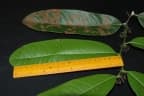
Diospyros pilosanthera
Diospyros pilosanthera
Family: Ebenaceae
Cultivation
Found in the wild on ultrabasic, sandy and clayey soils, also often on limestone. We have seen no individual confirmation for this species, but in general Diospyros species are dioecious and require both male and female forms to be grown if fruit and seed are required.
Full cultivation guide →
Diospyros piscatoria
Diospyros piscatoria
Family: Ebenaceae
Cultivation
We have seen no individual confirmation for this species, but in general Diospyros species are dioecious and require both male and female forms to be grown if fruit and seed are required.
Full cultivation guide →
Diospyros preussii
Diospyros preussii
Family: Ebenaceae
Cultivation
We have seen no individual confirmation for this species, but in general Diospyros species are dioecious and require both male and female forms to be grown if fruit and seed are required.
Full cultivation guide →Diospyros pyrrhocarpa
Diospyros pyrrhocarpa
Family: Ebenaceae
Cultivation
A dioecious species, both male and female forms need to be grown if fruit and seed are required.
Full cultivation guide →Diospyros quaesita
Diospyros quaesita
Family: Ebenaceae
Cultivation
We have seen no individual confirmation for this species, but in general Diospyros species are dioecious and require both male and female forms to be grown if fruit and seed are required.
Full cultivation guide →Diospyros ridleyi
Diospyros ridleyi
Family: Ebenaceae
Cultivation
A dioecious species, both male and female forms need to be grown if fruit and seed are required.
Full cultivation guide →Diospyros rubra
Diospyros rubra
Family: Ebenaceae
Cultivation
We have seen no individual confirmation for this species, but in general Diospyros species are dioecious and require both male and female forms to be grown if fruit and seed are required.
Full cultivation guide →Diospyros rufa
Diospyros rufa
Family: Ebenaceae
Cultivation
A dioecious species, both male and female forms need to be grown if fruit and seed are required.
Full cultivation guide →Diospyros rumphii
Diospyros rumphii
Family: Ebenaceae
Cultivation
We have seen no individual confirmation for this species, but in general Diospyros species are dioecious and require both male and female forms to be grown if fruit and seed are required.
Full cultivation guide →
Diospyros sandwicensis
Diospyros sandwicensis
Family: Ebenaceae
Cultivation
We have seen no individual confirmation for this species, but in general Diospyros species are dioecious and require both male and female forms to be grown if fruit and seed are required.
Full cultivation guide →Diospyros sanza-minika
Diospyros sanza-minika
Family: Ebenaceae
Cultivation
The bark is conspicuously black, and regularly and deeply fissured, characters by which the tree is readily identified, and which are recognised in the Sehwi name meaning ‘elephant’s back.’ It is extremely hard and is difficult to cut with an axe, evoking the name ‘flint bark.’ It is highly resistant to decay and is said to survive when a tree dies in the forest as a hollow cylinder long after the wood within has rotted away.
Full cultivation guide →Diospyros singaporensis
Diospyros singaporensis
Family: Ebenaceae
Cultivation
A dioecious species, both male and female forms need to be grown if fruit and seed are required.
Full cultivation guide →Diospyros soubreana
Diospyros soubreana
Family: Ebenaceae
Cultivation
We have seen no individual confirmation for this species, but in general Diospyros species are dioecious and require both male and female forms to be grown if fruit and seed are required.
Full cultivation guide →Diospyros squarrosa
Diospyros squarrosa
Family: Ebenaceae
Cultivation
The plant often starts flowering when quite small, around 2 metres. A dioecious species, both male and female forms need to be grown if fruit and seed are required.
Full cultivation guide →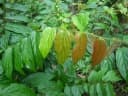
Diospyros suaveolens
Diospyros suaveolens
Family: Ebenaceae
Cultivation
We have seen no individual confirmation for this species, but in general Diospyros species are dioecious and require both male and female forms to be grown if fruit and seed are required. Photographs we have seen show both male and female flowers on the same plant.
Full cultivation guide →Diospyros susarticulata
Diospyros susarticulata
Family: Ebenaceae
Cultivation
A dioecious species, both male and female forms need to be grown if fruit and seed are required.
Full cultivation guide →
Diospyros tessellaria
Diospyros tessellaria
Family: Ebenaceae
Cultivation
We have seen no individual confirmation for this species, but in general Diospyros species are dioecious and require both male and female forms to be grown if fruit and seed are required.
Full cultivation guide →Diospyros texana
Diospyros texana
Family: Ebenaceae
Cultivation
The leaves fall very late in the season. A dioecious species, both male and female forms need to be grown if fruit and seed are required. Plants can producing fruit when around 5 - 6 years old.
Full cultivation guide →Diospyros thomasii
Diospyros thomasii
Family: Ebenaceae
Cultivation
The newly-opened flush of leaves has a rank smell whereby this species is given various vernacular names in Sierra Leone referring to flatulence. We have seen no individual confirmation for this species, but in general Diospyros species are dioecious and require both male and female forms to be grown if fruit and seed are required.
Full cultivation guide →Diospyros toposia
Diospyros toposia
Family: Ebenaceae
Cultivation
A dioecious species, both male and female forms need to be grown if fruit and seed are required.
Full cultivation guide →Diospyros trengganuensis
Diospyros trengganuensis
Family: Ebenaceae
Cultivation
We have seen no individual confirmation for this species, but in general Diospyros species are dioecious and require both male and female forms to be grown if fruit and seed are required.
Full cultivation guide →Diospyros tricolor
Diospyros tricolor
Family: Ebenaceae
Cultivation
A dioecious species, both male and female forms need to be grown if fruit and seed are required.
Full cultivation guide →Diospyros tristis
Diospyros tristis
Family: Ebenaceae
Cultivation
We have seen no individual confirmation for this species, but in general Diospyros species are dioecious and require both male and female forms to be grown if fruit and seed are required.
Full cultivation guide →Diospyros virginiana
Diospyros virginiana
Family: Ebenaceae
Cultivation
Requires a good deep loamy soil in sun or light shade. If being grown for its fruit, the tree requires a warm, sunny, sheltered position. It dislikes very acid or wet and poorly drained soils.
Full cultivation guide →Diospyros viridicans
Diospyros viridicans
Family: Ebenaceae
Cultivation
We have seen no individual confirmation for this species, but in general Diospyros species are dioecious and require both male and female forms to be grown if fruit and seed are required.
Full cultivation guide →Diospyros wajirensis
Diospyros wajirensis
Family: Ebenaceae
Cultivation
We have seen no individual confirmation for this species, but in general Diospyros species are dioecious and require both male and female forms to be grown if fruit and seed are required.
Full cultivation guide →Diospyros whitfordii
Diospyros whitfordii
Family: Ebenaceae
Cultivation
We have seen no individual confirmation for this species, but in general Diospyros species are dioecious and require both male and female forms to be grown if fruit and seed are required.
Full cultivation guide →
Diospyros whyteana
Diospyros whyteana
Family: Ebenaceae
Cultivation
A fairly slow-growing tree. We have seen no individual confirmation for this species, but in general Diospyros species are dioecious and require both male and female forms to be grown if fruit and seed are required.
Full cultivation guide →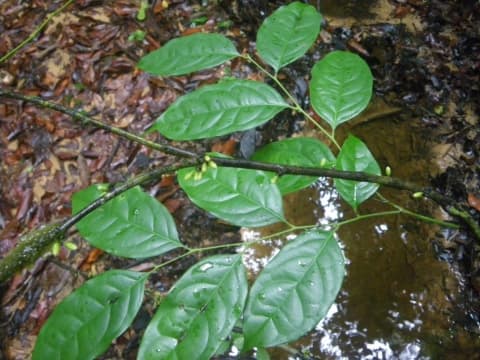
Diospyros zenkeri
Diospyros zenkeri
Family: Ebenaceae
Cultivation
We have seen no individual confirmation for this species, but in general Diospyros species are dioecious and require both male and female forms to be grown if fruit and seed are required.
Full cultivation guide →