Aloe — 61 species
Botanical species in the genus Aloe recorded in the PlantPeers database.

Aloe africana
Aloe africana
Family: Asphodelaceae
Cultivation
A plant of the arid subtropics. It is found in areas where the climate is moderate, without frost, and is hot and humid during the summers. Rainfall occurs throughout the year, with an average of 600 - 700mm per annum.
Full cultivation guide →
Aloe arborescens
Aloe arborescens
Family: Asphodelaceae
Cultivation
A plant of the semi-arid to moist tropics, where it is found at elevations up to 2,000 metres. It grows best in areas where annual daytime temperatures are within the range 18 - 26°c, but can tolerate 9 - 38°c. It can be killed by temperatures of -1°c or lower.
Full cultivation guide →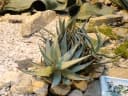
Aloe asperifolia
Aloe asperifolia
Family: Asphodelaceae
Cultivation
A plant of the Namib Desert, growing in areas which are not only devoid of other plant life, but almost devoid of soil, and where most of the moisture available to plants of this species is derived from fog. Aloe species follow the Crassulacean acid metabolism (CAM). CAM plants can fix carbon dioxide at night and photosynthesize with closed stomata during the day, thus minimizing water loss.
Full cultivation guide →
Aloe ballyi
Aloe ballyi
Family: Asphodelaceae
Cultivation
Aloe species follow the Crassulacean acid metabolism (CAM). CAM plants can fix carbon dioxide at night and photosynthesize with closed stomata during the day, thus minimizing water loss. This, plus their succulent leaves and stems, and the presence of a thick cuticle, makes them well adapted to dry conditions.
Full cultivation guide →
Aloe buettneri
Aloe buettneri
Family: Asphodelaceae
Cultivation
Requires a sunny position. Aloe species follow the Crassulacean acid metabolism (CAM). CAM plants can fix carbon dioxide at night and photosynthesize with closed stomata during the day, thus minimizing water loss.
Full cultivation guide →Aloe calidophila
Aloe calidophila
Family: Asphodelaceae
Cultivation
Aloe species follow the Crassulacean acid metabolism (CAM). CAM plants can fix carbon dioxide at night and photosynthesize with closed stomata during the day, thus minimizing water loss. This, plus their succulent leaves and stems, and the presence of a thick cuticle, makes them well adapted to dry conditions.
Full cultivation guide →
Aloe camperi
Aloe camperi
Family: Asphodelaceae
Cultivation
Plants can tolerate occasional temperatures down to around -2°c, so long as conditions are fairly dry. Succeeds in full sun to light shade. Established plants are fairly drought tolerant.
Full cultivation guide →
Aloe capitata
Aloe capitata
Family: Asphodelaceae
Cultivation
Plants are intolerant of frosts. Succeeds in full sun to ight shade. Aloe species follow the Crassulacean acid metabolism (CAM).
Full cultivation guide →Aloe carolineae
Aloe carolineae
Family: Asphodelaceae
Cultivation
Aloe species follow the Crassulacean acid metabolism (CAM). CAM plants can fix carbon dioxide at night and photosynthesize with closed stomata during the day, thus minimizing water loss. This, plus their succulent leaves and stems, and the presence of a thick cuticle, makes them well adapted to dry conditions.
Full cultivation guide →
Aloe chabaudii
Aloe chabaudii
Family: Asphodelaceae
Cultivation
Aloe chabaudii is tolerant of a wide range of habitats, from dry, exposed granite slopes to shady wooded slopes, or even vertical cliffs drenched in spray from waterfalls. This versatility is reflected in the species' variation, the most widespread typical form occurring on more or less exposed lower slopes of rock outcrops. Plants in shaded woodland are often larger, with dark olive-green leaves, and a taller more expanded inflorescence, with flowers varying from pink to orange or yellow.
Full cultivation guide →
Aloe christianii
Aloe christianii
Family: Asphodelaceae
Cultivation
Aloe species follow the Crassulacean acid metabolism (CAM). CAM plants can fix carbon dioxide at night and photosynthesize with closed stomata during the day, thus minimizing water loss. This, plus their succulent leaves and stems, and the presence of a thick cuticle, makes them well adapted to dry conditions.
Full cultivation guide →Aloe citrina
Aloe citrina
Family: Asphodelaceae
Cultivation
Aloe species follow the Crassulacean acid metabolism (CAM). CAM plants can fix carbon dioxide at night and photosynthesize with closed stomata during the day, thus minimizing water loss. This, plus their succulent leaves and stems, and the presence of a thick cuticle, makes them well adapted to dry conditions.
Full cultivation guide →
Aloe cooperi
Aloe cooperi
Family: Asphodelaceae
Cultivation
Grows best in a sunny position. Prefers a sandy, well-drained soil. Plants can be found in the wild in marshy soils.
Full cultivation guide →
Aloe cryptopoda
Aloe cryptopoda
Family: Asphodelaceae
Cultivation
Succeeds in full sun to light shade. Aloe species follow the Crassulacean acid metabolism (CAM). CAM plants can fix carbon dioxide at night and photosynthesize with closed stomata during the day, thus minimizing water loss.
Full cultivation guide →
Aloe dawei
Aloe dawei
Family: Asphodelaceae
Cultivation
Succeeds in full sun or in light shade. Established plants are fairly drought tolerant. Aloe species follow the Crassulacean acid metabolism (CAM).
Full cultivation guide →
Aloe dichotoma
Aloe dichotoma
Family: Asphodelaceae
Cultivation
A plant of arid areas in the tropics and subtropics. It can tolerate occasional, short-lived temperatures as low as -5°c so long as conditions are not wet. The trunk is not as hardy as the leaves and benefits from some protection in colder weather.
Full cultivation guide →
Aloe divaricata
Aloe divaricata
Family: Asphodelaceae
Cultivation
Plants are not very tolerant of even light frosts. Succeeds in full sun and in light shade. Found in sandy soils in the wild.
Full cultivation guide →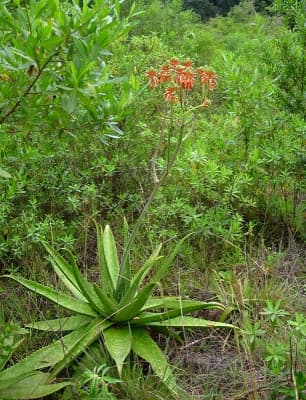
Aloe duckeri
Aloe duckeri
Family: Asphodelaceae
Cultivation
Aloe species follow the Crassulacean acid metabolism (CAM). CAM plants can fix carbon dioxide at night and photosynthesize with closed stomata during the day, thus minimizing water loss. This, plus their succulent leaves and stems, and the presence of a thick cuticle, makes them well adapted to dry conditions.
Full cultivation guide →
Aloe elgonica
Aloe elgonica
Family: Asphodelaceae
Cultivation
Aloe species follow the Crassulacean acid metabolism (CAM). CAM plants can fix carbon dioxide at night and photosynthesize with closed stomata during the day, thus minimizing water loss. This, plus their succulent leaves and stems, and the presence of a thick cuticle, makes them well adapted to dry conditions.
Full cultivation guide →Aloe esculenta
Aloe esculenta
Family: Asphodelaceae
Cultivation
Plants are not tolerant of frost, being damaged if the temperature falls to 0°c. Succeeds in full sun and in light shade. Established plants are drought tolerant.
Full cultivation guide →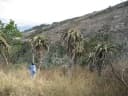
Aloe excelsa
Aloe excelsa
Family: Asphodelaceae
Cultivation
Succeeds in full sun and in light shade. Aloe species follow the Crassulacean acid metabolism (CAM). CAM plants can fix carbon dioxide at night and photosynthesize with closed stomata during the day, thus minimizing water loss.
Full cultivation guide →
Aloe ferox
Aloe ferox
Family: Asphodelaceae
Cultivation
Aloe ferox is indigenous to the arid subtropical areas of South Africa, but it is now widely grown throughout the tropics and subtropics. It grows in a wide range of climatic conditions. It is especially abundant where mean temperatures range from 27 - 31°c and annual rainfall ranges from 50 - 300mm.
Full cultivation guide →
Aloe flexilifolia
Aloe flexilifolia
Family: Asphodelaceae
Cultivation
Aloe species follow the Crassulacean acid metabolism (CAM). CAM plants can fix carbon dioxide at night and photosynthesize with closed stomata during the day, thus minimizing water loss. This, plus their succulent leaves and stems, and the presence of a thick cuticle, makes them well adapted to dry conditions.
Full cultivation guide →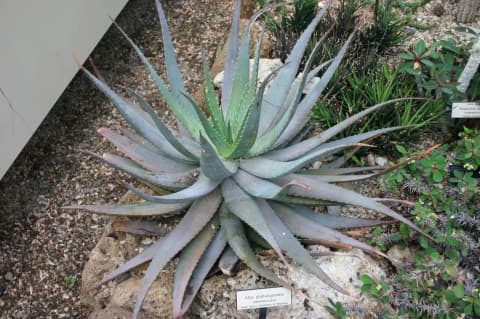
Aloe globuligemma
Aloe globuligemma
Family: Asphodelaceae
Cultivation
Succeeds in full sun and in light shade. Aloe species follow the Crassulacean acid metabolism (CAM). CAM plants can fix carbon dioxide at night and photosynthesize with closed stomata during the day, thus minimizing water loss.
Full cultivation guide →
Aloe greatheadii
Aloe greatheadii
Family: Asphodelaceae
Cultivation
A plant of drier areas in the tropics and subtropics, where it can be found at elevations from 1,000 - 1,500 metres. Requires a sunny position in a well-drained soil. Aloe species follow the Crassulacean acid metabolism (CAM).
Full cultivation guide →
Aloe hereroensis
Aloe hereroensis
Family: Asphodelaceae
Cultivation
Succeeds in full sun and in ight shade. Requires a well-drained soil. Aloe species follow the Crassulacean acid metabolism (CAM).
Full cultivation guide →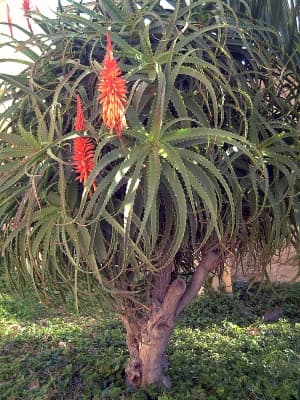
Aloe kedongensis
Aloe kedongensis
Family: Asphodelaceae
Cultivation
Succeeds in full sun and in light shade. Aloe species follow the Crassulacean acid metabolism (CAM). CAM plants can fix carbon dioxide at night and photosynthesize with closed stomata during the day, thus minimizing water loss.
Full cultivation guide →Aloe kilifiensis
Aloe kilifiensis
Family: Asphodelaceae
Cultivation
Aloe species follow the Crassulacean acid metabolism (CAM). CAM plants can fix carbon dioxide at night and photosynthesize with closed stomata during the day, thus minimizing water loss. This, plus their succulent leaves and stems, and the presence of a thick cuticle, makes them well adapted to dry conditions.
Full cultivation guide →
Aloe lateritia
Aloe lateritia
Family: Asphodelaceae
Cultivation
Plants can tolerate light frosts. Succeeds in full sun to light shade. Established plants are drought tolerant.
Full cultivation guide →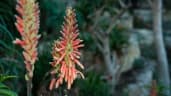
Aloe littoralis
Aloe littoralis
Family: Asphodelaceae
Cultivation
A plant of drier areas in the tropics and subtropics, where it is found at elevations up to about 1,000 metres. Succeeds in full sun and in light shade. Aloe species follow the Crassulacean acid metabolism (CAM).
Full cultivation guide →Aloe lomatophylloides
Aloe lomatophylloides
Family: Asphodelaceae
Cultivation
Aloe species follow the Crassulacean acid metabolism (CAM). CAM plants can fix carbon dioxide at night and photosynthesize with closed stomata during the day, thus minimizing water loss. This, plus their succulent leaves and stems, and the presence of a thick cuticle, makes them well adapted to dry conditions.
Full cultivation guide →Aloe macrocarpa
Aloe macrocarpa
Family: Asphodelaceae
Cultivation
Succeeds in light shade. Established plants are drought tolerant. Aloe species follow the Crassulacean acid metabolism (CAM).
Full cultivation guide →Aloe macroclada
Aloe macroclada
Family: Asphodelaceae
Cultivation
Aloe species follow the Crassulacean acid metabolism (CAM). CAM plants can fix carbon dioxide at night and photosynthesize with closed stomata during the day, thus minimizing water loss. This, plus their succulent leaves and stems, and the presence of a thick cuticle, makes them well adapted to dry conditions.
Full cultivation guide →Aloe macrosiphon
Aloe macrosiphon
Family: Asphodelaceae
Cultivation
The plant is reported to hybridize in the wild with Aloe secundiflora. Aloe species follow the Crassulacean acid metabolism (CAM). CAM plants can fix carbon dioxide at night and photosynthesize with closed stomata during the day, thus minimizing water loss.
Full cultivation guide →
Aloe marlothii
Aloe marlothii
Family: Asphodelaceae
Cultivation
A plant of drier areas in the tropics and subtropics. It is a plant of summer rainfall areas, and therefore naturally thrives under warm wet summers and warm to cool, dry winters. The plant can tolerate at least light frosts.
Full cultivation guide →Aloe mayottensis
Aloe mayottensis
Family: Asphodelaceae
Cultivation
Plants are intolerant of frost. Succeeds in full sun and in light shade. Established plants are drought tolerant.
Full cultivation guide →Aloe microdonta
Aloe microdonta
Family: Asphodelaceae
Cultivation
Aloe species follow the Crassulacean acid metabolism (CAM). CAM plants can fix carbon dioxide at night and photosynthesize with closed stomata during the day, thus minimizing water loss. This, plus their succulent leaves and stems, and the presence of a thick cuticle, makes them well adapted to dry conditions.
Full cultivation guide →
Aloe ngongensis
Aloe ngongensis
Family: Asphodelaceae
Cultivation
In order to harvest the exudate from this plant, a hole is dug in the ground and lined with a container. Cut leaves are arranged around the edge of the hole at an angle allowing the exudate to drain into the container. Aloe species follow the Crassulacean acid metabolism (CAM).
Full cultivation guide →
Aloe nuttii
Aloe nuttii
Family: Asphodelaceae
Cultivation
Aloe species follow the Crassulacean acid metabolism (CAM). CAM plants can fix carbon dioxide at night and photosynthesize with closed stomata during the day, thus minimizing water loss. This, plus their succulent leaves and stems, and the presence of a thick cuticle, makes them well adapted to dry conditions.
Full cultivation guide →
Aloe nyeriensis
Aloe nyeriensis
Family: Asphodelaceae
Cultivation
A plant of drier areas in the tropics. Plants are not frost tolerant. Succeeds in full sun and in light shade.
Full cultivation guide →
Aloe officinalis
Aloe officinalis
Family: Asphodelaceae
Cultivation
Succeeds in full sun and in light shade. Requires a well-drained soil. Established plants are drought tolerant.
Full cultivation guide →
Aloe parvibracteata
Aloe parvibracteata
Family: Asphodelaceae
Cultivation
Aloe species follow the Crassulacean acid metabolism (CAM). CAM plants can fix carbon dioxide at night and photosynthesize with closed stomata during the day, thus minimizing water loss. This, plus their succulent leaves and stems, and the presence of a thick cuticle, makes them well adapted to dry conditions.
Full cultivation guide →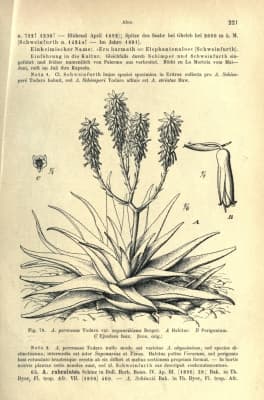
Aloe percrassa
Aloe percrassa
Family: Asphodelaceae
Cultivation
Aloe species follow the Crassulacean acid metabolism (CAM). CAM plants can fix carbon dioxide at night and photosynthesize with closed stomata during the day, thus minimizing water loss. This, plus their succulent leaves and stems, and the presence of a thick cuticle, makes them well adapted to dry conditions.
Full cultivation guide →
Aloe perryi
Aloe perryi
Family: Asphodelaceae
Cultivation
A plant of mainly arid and semi-arid lowland areas in the tropics. It grows best in areas where annual daytime temperatures are within the range 22 - 27°c, but can tolerate 12 - 31°c. It can be killed by temperatures of 5°c or lower.
Full cultivation guide →
Aloe pulcherrima
Aloe pulcherrima
Family: Asphodelaceae
Cultivation
Aloe species follow the Crassulacean acid metabolism (CAM). CAM plants can fix carbon dioxide at night and photosynthesize with closed stomata during the day, thus minimizing water loss. This, plus their succulent leaves and stems, and the presence of a thick cuticle, makes them well adapted to dry conditions.
Full cultivation guide →
Aloe rabaiensis
Aloe rabaiensis
Family: Asphodelaceae
Cultivation
In order to harvest the exudate from Aloe rabaiensis, a hole is dug in the ground and lined with a container. Cut leaves are arranged around the edge of the hole at an angle allowing the exudate to drain into the container. Aloe species follow the Crassulacean acid metabolism (CAM).
Full cultivation guide →
Aloe rivae
Aloe rivae
Family: Asphodelaceae
Cultivation
Plants can tolerate light frosts. Succeeds in full sun and in light shade. Established plants are drought tolerant.
Full cultivation guide →Aloe scabrifolia
Aloe scabrifolia
Family: Asphodelaceae
Cultivation
Aloe species follow the Crassulacean acid metabolism (CAM). CAM plants can fix carbon dioxide at night and photosynthesize with closed stomata during the day, thus minimizing water loss. This, plus their succulent leaves and stems, and the presence of a thick cuticle, makes them well adapted to dry conditions.
Full cultivation guide →
Aloe schweinfurthii
Aloe schweinfurthii
Family: Asphodelaceae
Cultivation
Aloe species follow the Crassulacean acid metabolism (CAM). CAM plants can fix carbon dioxide at night and photosynthesize with closed stomata during the day, thus minimizing water loss. This, plus their succulent leaves and stems, and the presence of a thick cuticle, makes them well adapted to dry conditions.
Full cultivation guide →
Aloe secundiflora
Aloe secundiflora
Family: Asphodelaceae
Cultivation
The plant is well adapted to dry semi-arid conditions in the tropics and subtropics. It is not tolerant of frost. Prefers a position in full sun but also succeeds in light shade.
Full cultivation guide →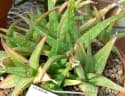
Aloe sinkatana
Aloe sinkatana
Family: Asphodelaceae
Cultivation
Aloe species follow the Crassulacean acid metabolism (CAM). CAM plants can fix carbon dioxide at night and photosynthesize with closed stomata during the day, thus minimizing water loss. This, plus their succulent leaves and stems, and the presence of a thick cuticle, makes them well adapted to dry conditions.
Full cultivation guide →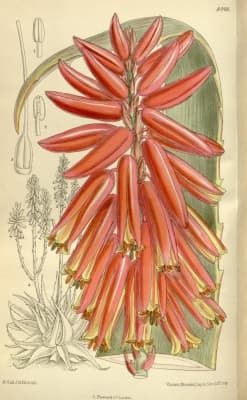
Aloe steudneri
Aloe steudneri
Family: Asphodelaceae
Cultivation
Aloe species follow the Crassulacean acid metabolism (CAM). CAM plants can fix carbon dioxide at night and photosynthesize with closed stomata during the day, thus minimizing water loss. This, plus their succulent leaves and stems, and the presence of a thick cuticle, makes them well adapted to dry conditions.
Full cultivation guide →
Aloe swynnertonii
Aloe swynnertonii
Family: Asphodelaceae
Cultivation
Plants can tolerate at least light frosts. Succeeds in full sun and in light shade. Established plants are drought tolerant.
Full cultivation guide →
Aloe tenuior
Aloe tenuior
Family: Asphodelaceae
Cultivation
A plant of mainly arid and semi-arid lowland areas in the tropics and subtropics. It is tolerant of at least light frosts. Prefers a position in full sun, but tolerates light shade.
Full cultivation guide →Aloe turkanensis
Aloe turkanensis
Family: Asphodelaceae
Cultivation
Plants can tolerate light frosts. Prefers a position in full sun but also tolerates light shade. Established plants are drought tolerant.
Full cultivation guide →
Aloe vaombe
Aloe vaombe
Family: Asphodelaceae
Cultivation
Plants can tolerate temperatures down to around zero, but can be badly damaged if it gets colder. Prefers a position in full sun, but can tolerate light shade. Aloe species follow the Crassulacean acid metabolism (CAM).
Full cultivation guide →
Aloe vera
Aloe vera
Family: Asphodelaceae
Cultivation
Aloe vera can be grown outdoors from the warm temperate zone to the tropics. It grows best in areas where annual daytime temperatures are within the range 19 - 27°c, but can tolerate 10 - 35°c. It can tolerate occasional, light, short-lived frosts, experincing only slight damage at -3°c so long as conditions are fairly dry.
Full cultivation guide →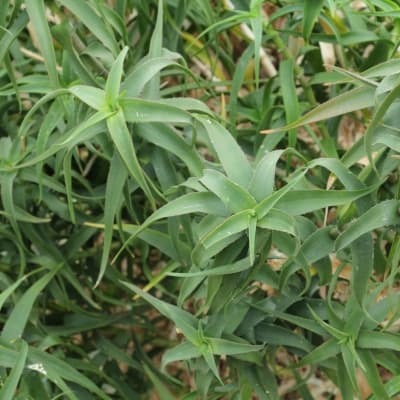
Aloe volkensii
Aloe volkensii
Family: Asphodelaceae
Cultivation
Plants can tolerate at least some frost. For medicinal use leaves are primarily harvested from wild plants in a non-destructive way. Aloe species follow the Crassulacean acid metabolism (CAM).
Full cultivation guide →Aloe wilsonii
Aloe wilsonii
Family: Asphodelaceae
Cultivation
Aloe species follow the Crassulacean acid metabolism (CAM). CAM plants can fix carbon dioxide at night and photosynthesize with closed stomata during the day, thus minimizing water loss. This, plus their succulent leaves and stems, and the presence of a thick cuticle, makes them well adapted to dry conditions.
Full cultivation guide →Aloe wollastonii
Aloe wollastonii
Family: Asphodelaceae
Cultivation
The plant produces few or no suckers, and so is not an obvious choice for commercial cultivation. Aloe species follow the Crassulacean acid metabolism (CAM). CAM plants can fix carbon dioxide at night and photosynthesize with closed stomata during the day, thus minimizing water loss.
Full cultivation guide →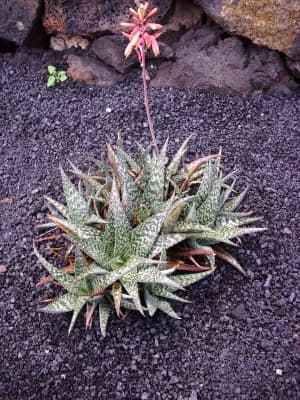
Aloe zebrina
Aloe zebrina
Family: Asphodelaceae
Cultivation
Temperatures are usually high in the summer but may, in parts of its range, become very low in winter. The plant can probably tolerate light frosts. Rainfall in the distribution area of this species is high in the extreme northwest, but low elsewhere, with a summer maximum throughout.
Full cultivation guide →