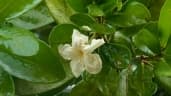
Tabebuia — 14 species
Botanical species in the genus Tabebuia recorded in the PlantPeers database.

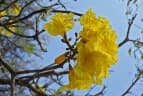
Tabebuia aurea
Tabebuia aurea
Family: Bignoniaceae
Cultivation
This tree is found in a wide variety of habitats - forms from the north of its range succeed in marshy or seasonally inundated soils whilst forms from the south grow in well-drained, seasonally very dry soils. Growing wild in harsh conditions, it may develop 'rubbery' growth and become unstable in overly fertile soil. Freshly planted young trees are slow to establish and grow away.
Full cultivation guide →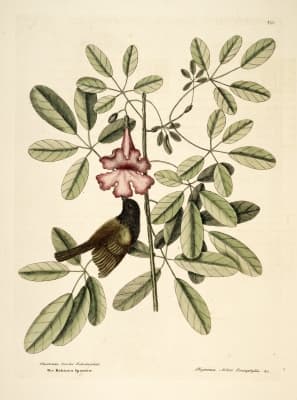
Tabebuia bahamensis
Tabebuia bahamensis
Family: Bignoniaceae
Cultivation
The tree can be triggered into abundant bloom by heavy rainfall at any time of the year.
Full cultivation guide →
Tabebuia cassinoides
Tabebuia cassinoides
Family: Bignoniaceae
Cultivation
Grows best in a sunny position. Found in very moist to marshy soils in the wild, in cultivation the tree will also succeed in drier conditions. Plants generally have a moderate rate of growth.
Full cultivation guide →
Tabebuia elliptica
Tabebuia elliptica
Family: Bignoniaceae
Cultivation
Grows best in a sunny position. Grows well in sandy and salty soils near the coast.
Full cultivation guide →Tabebuia gemmiflora
Tabebuia gemmiflora
Family: Bignoniaceae
Cultivation
Grows best in a sunny position. Prefers a well-drained soil that can be on the dry side. Established plants are drought-tolerant.
Full cultivation guide →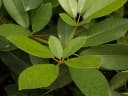
Tabebuia haemantha
Tabebuia haemantha
Family: Bignoniaceae
Cultivation
The flowers, which are specifically adapted for hummingbird pollination, never open fully.
Full cultivation guide →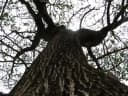
Tabebuia heterophylla
Tabebuia heterophylla
Family: Bignoniaceae
Cultivation
A plant of the dry to moist tropics growing in areas where the mean annual rainfall can range from 850 - 1,500mm. Temperature ranges from a mean minimum in January of 16°c to a mean maximum of 31°c in August - the trees do not experience frost. Prefers a position in full sun.
Full cultivation guide →
Tabebuia insignis
Tabebuia insignis
Family: Bignoniaceae
Cultivation
Newly planted young trees can reach a height of 2.5 metres within 2 years. Plants can commence flowering when only 1 metre tall.
Full cultivation guide →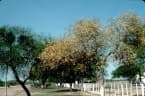
Tabebuia nodosa
Tabebuia nodosa
Family: Bignoniaceae
Cultivation
Mainly found in the subtropics, the tree enters the tropics in Brazil and Bolivia, where it is usually found at elevations below 600 metres, but can ascend to just over 1,000 metres. Grows best in a sunny position. The tree has a moderate rate of growth, reaching a height of around 2 metres within two years from seed.
Full cultivation guide →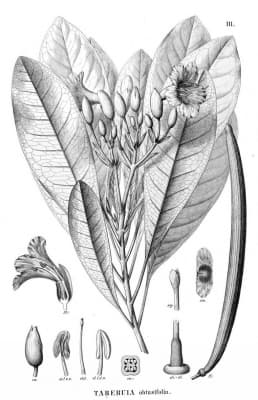
Tabebuia obtusifolia
Tabebuia obtusifolia
Family: Bignoniaceae
Cultivation
Found in the wild in a range of soils that are either marshy or subject to seasonal inundation. The plant is tolerant of some salt in the soil.
Full cultivation guide →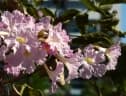
Tabebuia rosea
Tabebuia rosea
Family: Bignoniaceae
Cultivation
A plant of the moist tropics, where it is found at elevations from 100 - 1,200 metres. It grows best in areas where annual daytime temperatures are within the range 22 - 30°c, but can tolerate 17 - 34°c. It prefers a mean annual rainfall in the range 1,500 - 2,000mm, but tolerates 1,250 - 2,500mm.
Full cultivation guide →
Tabebuia roseoalba
Tabebuia roseoalba
Family: Bignoniaceae
Cultivation
Grows best in a sunny position. Succeeds in dry and rocky soils. Established plants are very drought tolerant.
Full cultivation guide →