Piper — 31 species
Botanical species in the genus Piper recorded in the PlantPeers database.
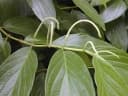
Piper aduncum
Piper aduncum
Family: Piperaceae
Cultivation
A plant of tropical regions, found mainly at lower elevations up to 1,000 metres, but extending to over 2,000 metres in places. It grows best in areas with a mean annual rainfall from 1.500 - 4,000mm or more. The plant is moderately intolerant of shade, as it requires at least partial exposure to sunlight for it to reach a large size and flower.
Full cultivation guide →
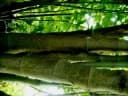
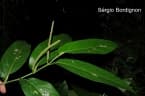

Piper argyrites
Piper argyrites
Family: Piperaceae
Cultivation
A dioecious species, both male and female forms need to be grown if fruit and seed are required. One report says that only male plants are known.
Full cultivation guide →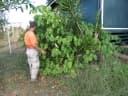
Piper auritum
Piper auritum
Family: Piperaceae
Cultivation
When crushed, the stems and leaves emit a strong smell of aniseed.
Full cultivation guide →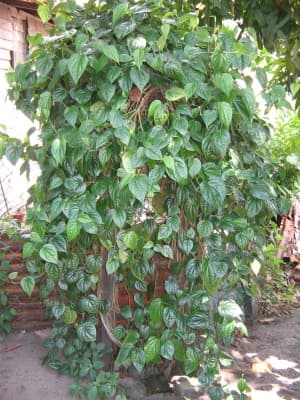
Piper betle
Piper betle
Family: Piperaceae
Cultivation
Betel pepper is a plant of lowland tropical areas, usually at elevations below 900 metres. It prefers growing in areas where the mean annual temperature falls within the range 22 - 27°c, but can tolerate 17 - 31°c. It thrives under per-humid forest conditions with high relative humidity and ample supply of soil moisture.
Full cultivation guide →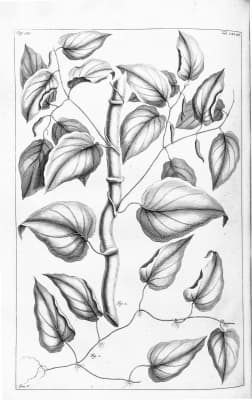
Piper caducibracteum
Piper caducibracteum
Family: Piperaceae
Cultivation
Scrambling plants form new roots where their leaf axils touch the ground. A dioecious species - both male and female forms need to be grown if fruit and seed are required.
Full cultivation guide →
Piper caninum
Piper caninum
Family: Piperaceae
Cultivation
Easily grown in sun or some shade so long as the soil is moist. A dioecious species, both male and female forms need to be grown if fruit and seed are required.
Full cultivation guide →
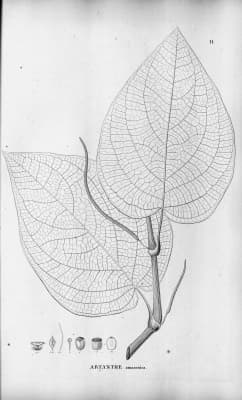

Piper fragile
Piper fragile
Family: Piperaceae
Cultivation
Similar to P. Abbreviatum. A dioecious species, both male and female forms need to be grown if fruit and seed are required.
Full cultivation guide →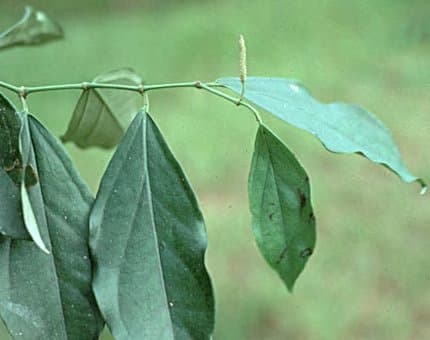
Piper guineense
Piper guineense
Family: Piperaceae
Cultivation
A dioecious species, both male and female forms need to be grown if fruit and seed are required.
Full cultivation guide →
Piper interruptum
Piper interruptum
Family: Piperaceae
Cultivation
A dioecious species, both male and female forms need to be grown if fruit and seed are required.
Full cultivation guide →
Piper longum
Piper longum
Family: Piperaceae
Cultivation
A plant for the humid tropics. Prefers a rich, well-drained soil in light shade.
Full cultivation guide →
Piper methysticum
Piper methysticum
Family: Piperaceae
Cultivation
A plant of the wet, lowland tropics, where it is found at elevations up to 800 metres. It grows best in areas where annual daytime temperatures are within the range 22 - 35°c, but can tolerate 14 - 40°c. It prefers a mean annual rainfall in the range 2,200 - 4,000mm, but tolerates 1,800 - 5,000mm.
Full cultivation guide →Piper nigrum
Piper nigrum
Family: Piperaceae
Cultivation
Piper nigrum is a plant of the hot and humid lowland tropics, where it grows best at elevations up to 500 metres, but can be grown up to 2,000 metres. It grows best in areas where annual daytime temperatures are within the range 22 - 35°c, but can tolerate 10 - 40°c. It prefers a mean annual rainfall in the range 2,500 - 4,000mm, but tolerates 2,000 - 5,500mm.
Full cultivation guide →Piper pyrifolium
Piper pyrifolium
Family: Piperaceae
Cultivation
A plant of the moist tropics, found at elevations from near sea level to just over 1,500 meters, but most commonly above 900 metres.
Full cultivation guide →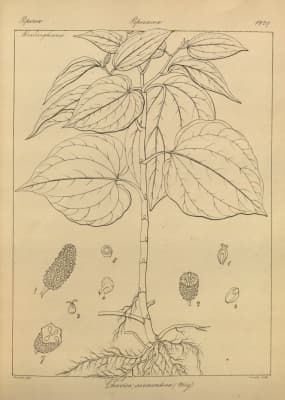
Piper sarmentosum
Piper sarmentosum
Family: Piperaceae
Cultivation
The plant can be invasive, so needs to be given space to roam - it does well as an understorey plant in a woodland. The stems can be up to 10 metres long, though they tend to creep along the ground. A dioecious plant, both male and female forms need to be grown if seed is required.
Full cultivation guide →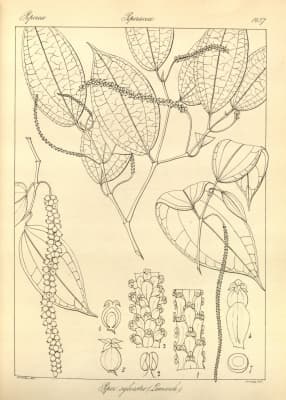
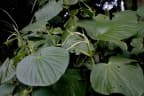
Piper umbellatum
Piper umbellatum
Family: Piperaceae
Cultivation
The plant has become widely naturalized in tropical areas. It is a common weed of plantations; in cacao farms in Ghana and in oil-palm plantations in Cameroon it can be troublesome. The plant can flower all year round if there is sufficient moisture.
Full cultivation guide →