Phoenix — 10 species
Botanical species in the genus Phoenix recorded in the PlantPeers database.

Phoenix acaulis
Phoenix acaulis
Family: Arecaceae
Cultivation
Requires a sunny position, succeeding in most soils so long as the drainage is excellent. A slow-growing plant. Phoenix species are quite liable to hybridize where the various species meet as a result of cultivation.
Full cultivation guide →Phoenix caespitosa
Phoenix caespitosa
Family: Arecaceae
Cultivation
Requires a sunny position, succeeding in most soils so long as the drainage is excellent. Established plants are very drought tolerant. A slow-growing plant.
Full cultivation guide →Phoenix canariensis
Phoenix canariensis
Family: Arecaceae
Cultivation
Phoenix canariensis is native to a warm temperate or subtropical climate, where it can be found at elevations up to 1,200 metres. Young plants are very sensitive to frost, though older plants become tolerant of light frosts. It can tolerate a dry season of 4 - 8 months.
Full cultivation guide →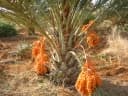
Phoenix dactylifera
Phoenix dactylifera
Family: Arecaceae
Cultivation
Date palm is a plant of drier areas in the tropics, where it is found at elevations up to 1,500 metres. Hot dry conditions are required for free fruiting, the fruit not forming very readily in cooler or moister climates. It grows best in areas where annual daytime temperatures are within the range 26 - 45°c, but can tolerate 10 - 52°c.
Full cultivation guide →Phoenix loureiroi
Phoenix loureiroi
Family: Arecaceae
Cultivation
Requires a sunny position, succeeding in most soils so long as the drainage is excellent. A slow-growing plant. Phoenix species are quite liable to hybridize where the various species meet as a result of cultivation.
Full cultivation guide →
Phoenix paludosa
Phoenix paludosa
Family: Arecaceae
Cultivation
The plant can be grown from the warm temperate to tropical zones. It can withstand some frost. Grows best in a sunny position.
Full cultivation guide →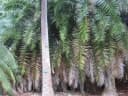
Phoenix pusilla
Phoenix pusilla
Family: Arecaceae
Cultivation
A plant of the drier, lowland tropics, where it is found at elevations up to 700 metres. Plants can tolerate some frost. Requires a sunny position, succeeding in most well-drained soil.
Full cultivation guide →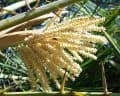
Phoenix reclinata
Phoenix reclinata
Family: Arecaceae
Cultivation
A plant of the moist tropics, where it is found at elevations up to 3,000 metres, it also grows well in cultivation in Mediterranean-type climates. It grows best in areas where annual daytime temperatures are within the range 20 - 30°c, but can tolerate 15 - 35°c. Although very susceptible to frost damage when young, plants become hardier as they grow older and when mature can tolerate occasional moderate frosts.
Full cultivation guide →Phoenix rupicola
Phoenix rupicola
Family: Arecaceae
Cultivation
Requires a sunny position, succeeding in most soils so long as the drainage is excellent. A slow-growing plant. Phoenix species are quite liable to hybridize where the various species meet as a result of cultivation.
Full cultivation guide →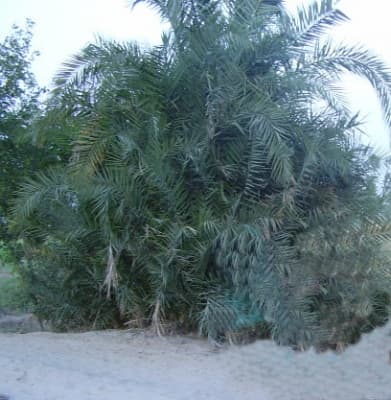
Phoenix sylvestris
Phoenix sylvestris
Family: Arecaceae
Cultivation
A plant of the drier to moist tropics and subtropics, where it is found at elevations up to 1,500 metres. It grows best in areas where annual daytime temperatures are within the range 25 - 35°c, but can tolerate 20 - 40°c. When dormant, the plant can survive temperatures down to about -9°c, but young growth can be severely damaged at -1°c.
Full cultivation guide →