Parkia — 14 species
Botanical species in the genus Parkia recorded in the PlantPeers database.
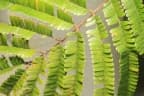
Parkia bicolor
Parkia bicolor
Family: Fabaceae
Cultivation
A plant of the moist tropics where it is found at elevations up to 1,200 metres. It occurs in regions with a mean annual rainfall of 2,000 - 4,000mm, and with a dry season of up to 3 months. Requires a sunny position.
Full cultivation guide →
Parkia biglandulosa
Parkia biglandulosa
Family: Fabaceae
Cultivation
There are conflicting reports on whether or not this tree has a symbiotic relationship with certain soil bacteria, so it is unclear as to whether this tree fixes atmospheric nitrogen.
Full cultivation guide →
Parkia biglobosa
Parkia biglobosa
Family: Fabaceae
Cultivation
Adapted to a wide ecological range, African locust bean is found naturally in the drier lowland tropics at elevations below 600 metres. It grows best in areas where annual daytime temperatures are within the range 28 - 40°c, but can tolerate 8 - 44°c. It prefers a mean annual rainfall in the range mm, but tolerates mm.
Full cultivation guide →
Parkia discolor
Parkia discolor
Family: Fabaceae
Cultivation
Grows best in a sunny position. Found in the wild on poor, white sandy soils. Tolerant of seasonal inundation of the soil.
Full cultivation guide →
Parkia filicoidea
Parkia filicoidea
Family: Fabaceae
Cultivation
Parkia filicoidea trees are leafless for a brief period, often during the flowering period in the dry season. It has been reported that flowering trees can be found throughout the year in Kenya and Tanzania. At night, the sterile flowers near the base of the inflorescence produce abundant nectar, which attracts bats.
Full cultivation guide →
Parkia multijuga
Parkia multijuga
Family: Fabaceae
Cultivation
A plant of the moist tropics, mainly at lower elevations but ascending to 800 metres or more. Prefers a position in full sun or light shade. Newly planted young trees establish well and grow away quickly, easily reaching a height of 3.5 metres within 2 years.
Full cultivation guide →
Parkia nitida
Parkia nitida
Family: Fabaceae
Cultivation
A plant of the moist tropics, mainly found at low elevations, but also ascending to 1,500 metres. Grows best in a sunny position. Succeeds in wet and dry soils.
Full cultivation guide →
Parkia pendula
Parkia pendula
Family: Fabaceae
Cultivation
A plant of the moist tropics, mainly at lower elevations but ascending to 900 metres or more. Prefers a position in full sun or light shade. Newly planted young trees establish well and grow away quickly, easily reaching a height of 3.5 metres within 2 years.
Full cultivation guide →
Parkia platycephala
Parkia platycephala
Family: Fabaceae
Cultivation
Grows best in a sunny position. Prefers a deep, well-drained soil which can range from clayey to sandy. Established plants are drought tolerant.
Full cultivation guide →
Parkia speciosa
Parkia speciosa
Family: Fabaceae
Cultivation
A plant of the lowland humid tropics at an elevation below 1,400 metres. It grows best in areas with a mean minimum and maximum temperature within the range 20 - 28°c, but can tolerate 16 - 36°c. It prefers a mean annual rainfall in the range 1,000 - 2,000mm, but tolerates 800 - 2,500mm.
Full cultivation guide →
Parkia sumatrana
Parkia sumatrana
Family: Fabaceae
Cultivation
Trees commence flowering when they are about 12 - 15 metres tall.
Full cultivation guide →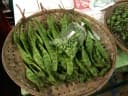
Parkia timoriana
Parkia timoriana
Family: Fabaceae
Cultivation
Grows best in fertile soils with a pH of 5 - 7. There are conflicting reports on whether or not this tree has a symbiotic relationship with certain soil bacteria, so it is unclear as to whether this tree fixes atmospheric nitrogen.
Full cultivation guide →
Parkia ulei
Parkia ulei
Family: Fabaceae
Cultivation
Although many species within the family Fabaceae have a symbiotic relationship with soil bacteria, this species is said to be devoid of such a relationship and therefore does not fix atmospheric nitrogen.
Full cultivation guide →