Khaya — 5 species
Botanical species in the genus Khaya recorded in the PlantPeers database.
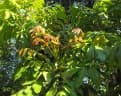
Khaya anthotheca
Khaya anthotheca
Family: Meliaceae
Cultivation
A plant of the tropics, where it is found at elevations up to 1,500 metres. It grows best in areas where annual daytime temperatures are within the range 18 - 28°c, but can tolerate 14 - 36°c. The plant cannot tolerate frosts.
Full cultivation guide →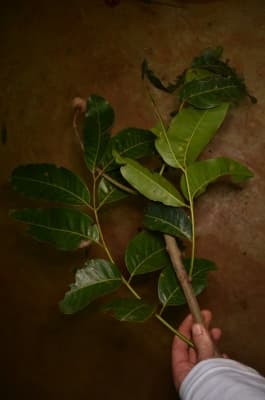
Khaya grandifoliola
Khaya grandifoliola
Family: Meliaceae
Cultivation
A plant of low to mid elevations in moist tropical regions, being found at elevations up to 1,400 metres in areas where the annual rainfall is in the range 1,200 - 1,800 mm, and there is a dry season of 3 - 5 months. Prefers a moist but well-drained soils. In the wild it is locally common on alluvial soils in valleys.
Full cultivation guide →
Khaya ivorensis
Khaya ivorensis
Family: Meliaceae
Cultivation
A plant of moist tropical lowland areas, where it is found at elevations below 450 metres. It grows in areas where the mean annual temperature is in the range 24 - 27°c and the mean annual rainfall is 1,600 - 2,500 mm, usually with a short dry season. A light-demanding species, although the young trees tolerate a certain amount of shade.
Full cultivation guide →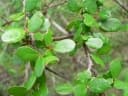
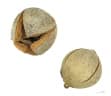
Khaya senegalensis
Khaya senegalensis
Family: Meliaceae
Cultivation
A plant of the moist tropics, where it is found at elevations up to 1,800 metres. It grows best in areas where annual daytime temperatures are within the range 29 - 38°c, but can tolerate 13 - 42°c. It prefers a mean annual rainfall in the range 800 - 1,300mm, but tolerates 650 - 1,500mm.
Full cultivation guide →