Hydnocarpus — 21 species
Botanical species in the genus Hydnocarpus recorded in the PlantPeers database.

Hydnocarpus alcalae
Hydnocarpus alcalae
Family: Achariaceae
Cultivation
Grows best on well-drained, sandy, alluvial flats and floodplains along rivers, or at least in moist but well-drained surroundings. Seeds tend to go rancid rather quickly. Therefore ripe fruits should be opened and the fruit pulp and aril removed from the seeds.
Full cultivation guide →
Hydnocarpus alpinus
Hydnocarpus alpinus
Family: Achariaceae
Cultivation
Species in this genus generally require well-drained sandy or loamy silt soils and grow best along creek beds or on the banks of streams. Seeds tend to go rancid rather quickly. Therefore ripe fruits should be opened and the fruit pulp and aril removed from the seeds.
Full cultivation guide →
Hydnocarpus annamensis
Hydnocarpus annamensis
Family: Achariaceae
Cultivation
Species in this genus generally require well-drained sandy or loamy silt soils and grow best along creek beds or on the banks of streams. Seeds tend to go rancid rather quickly. Therefore ripe fruits should be opened and the fruit pulp and aril removed from the seeds.
Full cultivation guide →Hydnocarpus anomalus
Hydnocarpus anomalus
Family: Achariaceae
Cultivation
Species in this genus generally require well-drained sandy or loamy silt soils and grow best along creek beds or on the banks of streams. Seeds tend to go rancid rather quickly. Therefore ripe fruits should be opened and the fruit pulp and aril removed from the seeds.
Full cultivation guide →
Hydnocarpus anthelminthicus
Hydnocarpus anthelminthicus
Family: Achariaceae
Cultivation
Grows best on well-drained, sandy, alluvial flats and floodplains along rivers, or at least in moist but well-drained surroundings. Seeds tend to go rancid rather quickly. Therefore ripe fruits should be opened and the fruit pulp and aril removed from the seeds.
Full cultivation guide →Hydnocarpus borneensis
Hydnocarpus borneensis
Family: Achariaceae
Cultivation
Found in the wild on both sandy and clay soils. Species in this genus generally require well-drained sandy or loamy silt soils and grow best along creek beds or on the banks of streams. Seeds tend to go rancid rather quickly.
Full cultivation guide →Hydnocarpus castaneus
Hydnocarpus castaneus
Family: Achariaceae
Cultivation
Species in this genus generally require well-drained sandy or loamy silt soils and grow best along creek beds or on the banks of streams. Seeds tend to go rancid rather quickly. Therefore ripe fruits should be opened and the fruit pulp and aril removed from the seeds.
Full cultivation guide →Hydnocarpus cauliflorus
Hydnocarpus cauliflorus
Family: Achariaceae
Cultivation
Species in this genus generally require well-drained sandy or loamy silt soils and grow best along creek beds or on the banks of streams. Seeds tend to go rancid rather quickly. Therefore ripe fruits should be opened and the fruit pulp and aril removed from the seeds.
Full cultivation guide →Hydnocarpus hainanensis
Hydnocarpus hainanensis
Family: Achariaceae
Cultivation
A plant of the tropics and subtropics, growing in areas of seasonal rainfall. Species in this genus generally require well-drained sandy or loamy silt soils and grow best along creek beds or on the banks of streams. Seeds tend to go rancid rather quickly.
Full cultivation guide →Hydnocarpus heterophyllus
Hydnocarpus heterophyllus
Family: Achariaceae
Cultivation
Species in this genus generally require well-drained sandy or loamy silt soils and grow best along creek beds or on the banks of streams. Seeds tend to go rancid rather quickly. Therefore ripe fruits should be opened and the fruit pulp and aril removed from the seeds.
Full cultivation guide →Hydnocarpus ilicifolius
Hydnocarpus ilicifolius
Family: Achariaceae
Cultivation
Species in this genus generally require well-drained sandy or loamy silt soils and grow best along creek beds or on the banks of streams. Seeds tend to go rancid rather quickly. Therefore ripe fruits should be opened and the fruit pulp and aril removed from the seeds.
Full cultivation guide →
Hydnocarpus kunstleri
Hydnocarpus kunstleri
Family: Achariaceae
Cultivation
Species in this genus generally require well-drained sandy or loamy silt soils and grow best along creek beds or on the banks of streams. Seeds tend to go rancid rather quickly. Therefore ripe fruits should be opened and the fruit pulp and aril removed from the seeds.
Full cultivation guide →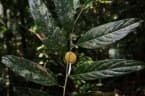
Hydnocarpus kurzii
Hydnocarpus kurzii
Family: Achariaceae
Cultivation
A plant of the wet tropics, where it can be found at elevations up to 1,800 metres. The plant grows best in areas where annual daytime annual temperatures fall within the range 28 - 34°c, though it is tolerant of 7 - 42°c. It is tolerant of temperatures to below 2.5°c.
Full cultivation guide →Hydnocarpus macrocarpus
Hydnocarpus macrocarpus
Family: Achariaceae
Cultivation
Species in this genus generally require well-drained sandy or loamy silt soils and grow best along creek beds or on the banks of streams. Seeds tend to go rancid rather quickly. Therefore ripe fruits should be opened and the fruit pulp and aril removed from the seeds.
Full cultivation guide →Hydnocarpus octandra
Hydnocarpus octandra
Family: Achariaceae
Cultivation
Species in this genus generally require well-drained sandy or loamy silt soils and grow best along creek beds or on the banks of streams. Seeds tend to go rancid rather quickly. Therefore ripe fruits should be opened and the fruit pulp and aril removed from the seeds.
Full cultivation guide →
Hydnocarpus pentandrus
Hydnocarpus pentandrus
Family: Achariaceae
Cultivation
Grows best on well-drained, sandy, alluvial flats and floodplains along rivers, or at least in moist but well-drained surroundings. Plants take from 20 - 25 years from seed before they start producing seeds. Seeds tend to go rancid rather quickly.
Full cultivation guide →Hydnocarpus polypetalus
Hydnocarpus polypetalus
Family: Achariaceae
Cultivation
Species in this genus generally require well-drained sandy or loamy silt soils and grow best along creek beds or on the banks of streams. Seeds tend to go rancid rather quickly. Therefore ripe fruits should be opened and the fruit pulp and aril removed from the seeds.
Full cultivation guide →Hydnocarpus subfalcatus
Hydnocarpus subfalcatus
Family: Achariaceae
Cultivation
Species in this genus generally require well-drained sandy or loamy silt soils and grow best along creek beds or on the banks of streams. Seeds tend to go rancid rather quickly. Therefore ripe fruits should be opened and the fruit pulp and aril removed from the seeds.
Full cultivation guide →Hydnocarpus venenatus
Hydnocarpus venenatus
Family: Achariaceae
Cultivation
Species in this genus generally require well-drained sandy or loamy silt soils and grow best along creek beds or on the banks of streams. Seeds tend to go rancid rather quickly. Therefore ripe fruits should be opened and the fruit pulp and aril removed from the seeds.
Full cultivation guide →
Hydnocarpus wightianus
Hydnocarpus wightianus
Family: Achariaceae
Cultivation
Species in this genus generally require well-drained sandy or loamy silt soils and grow best along creek beds or on the banks of streams. Seeds tend to go rancid rather quickly. Therefore ripe fruits should be opened and the fruit pulp and aril removed from the seeds.
Full cultivation guide →
Hydnocarpus woodii
Hydnocarpus woodii
Family: Achariaceae
Cultivation
Species in this genus generally require well-drained sandy or loamy silt soils and grow best along creek beds or on the banks of streams. Seeds tend to go rancid rather quickly. Therefore ripe fruits should be opened and the fruit pulp and aril removed from the seeds.
Full cultivation guide →