Camellia — 39 species
Botanical species in the genus Camellia recorded in the PlantPeers database.

Camellia brevistyla
Camellia brevistyla
Family: Theaceae
Cultivation
Camellia species are found mainly in the warm temperate to subtropical regions of southern China, and most species experience mild winters with few frosts plus wet summers. Camellia brevistyla has proved to be hardy in North Carolina, and in the southwest of Britain Species in this genus generally prefer a peaty, more or less lime-free soil with a pH in the range 5 - 7, but most will grow well in an open loam to which ample leaf-mould has been added, so long as it is well-drained and lime-free. Most species are understorey plants in forests (preferably oak or pine) and prefer a warm, sheltered position with moderate shade; at least at the hottest time of day.
Full cultivation guide →Camellia caudata
Camellia caudata
Family: Theaceae
Cultivation
Camellia species are found mainly in the warm temperate to subtropical regions of southern China, and most species experience mild winters with few frosts plus wet summers. Camellia caudata is found mainly at low elevations and will only succeed outdoors in the very mildest regions of the temperate zone - it was being trialled in New Zealand and southern England in 2005. Species in this genus generally prefer a peaty, more or less lime-free soil with a pH in the range 5 - 7, but most will grow well in an open loam to which ample leaf-mould has been added, so long as it is well-drained and lime-free.
Full cultivation guide →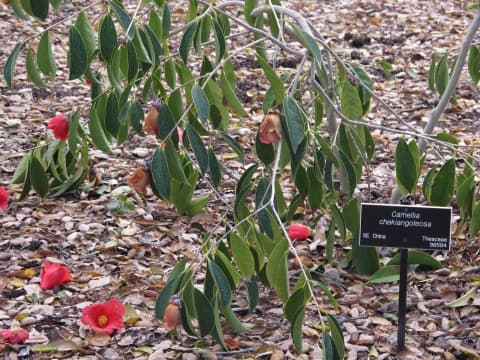
Camellia chekiangoleosa
Camellia chekiangoleosa
Family: Theaceae
Cultivation
Camellia species are found mainly in the warm temperate to subtropical regions of southern China, and most species experience mild winters with few frosts plus wet summers. This species is said to be fairly hardy and able to tolerate occasional temperatures falling to around -10°c. Species in this genus generally prefer a peaty, more or less lime-free soil with a pH in the range 5 - 7, but most will grow well in an open loam to which ample leaf-mould has been added, so long as it is well-drained and lime-free.
Full cultivation guide →Camellia chrysanthoides
Camellia chrysanthoides
Family: Theaceae
Cultivation
Camellia species are found mainly in the warm temperate to subtropical regions of southern China, and most species experience mild winters with few frosts plus wet summers. Camellia chrysanthoides is found mainly at low elevations in southern China, and will only succeed outdoors in the very mildest regions of the temperate zone. Species in this genus generally prefer a peaty, more or less lime-free soil with a pH in the range 5 - 7, but most will grow well in an open loam to which ample leaf-mould has been added, so long as it is well-drained and lime-free.
Full cultivation guide →Camellia crassicolumna
Camellia crassicolumna
Family: Theaceae
Cultivation
Camellia species are found mainly in the warm temperate to subtropical regions of southern China, and most species experience mild winters with few frosts plus wet summers. Species in this genus generally prefer a peaty, more or less lime-free soil with a pH in the range 5 - 7, but most will grow well in an open loam to which ample leaf-mould has been added, so long as it is well-drained and lime-free. Most species are understorey plants in forests (preferably oak or pine) and prefer a warm, sheltered position with moderate shade; at least at the hottest time of day.
Full cultivation guide →Camellia drupifera
Camellia drupifera
Family: Theaceae
Cultivation
Camellia species are found mainly in the warm temperate to subtropical regions of southern China, and most species experience mild winters with few frosts plus wet summers. Camellia drupifera is found mainly at low elevations in southern China, and will only succeed outdoors in the very mildest regions of the temperate zone, tolerating occasional, short-lived temperatures down to around -6°c. It is suitable for cultivation in lowland tropical areas.
Full cultivation guide →Camellia euphlebia
Camellia euphlebia
Family: Theaceae
Cultivation
Camellia species are found mainly in the warm temperate to subtropical regions of southern China, and most species experience mild winters with few frosts plus wet summers. Camellia euphlebia is found mainly at low elevations in southern China, and will only succeed outdoors in the very mildest regions of the temperate zone. Species in this genus generally prefer a peaty, more or less lime-free soil with a pH in the range 5 - 7, but most will grow well in an open loam to which ample leaf-mould has been added, so long as it is well-drained and lime-free.
Full cultivation guide →Camellia fangchengensis
Camellia fangchengensis
Family: Theaceae
Cultivation
Camellia species are found mainly in the warm temperate to subtropical regions of southern China, and most species experience mild winters with few frosts plus wet summers. Camellia fangchengensis is found mainly at low elevations in southern China, and will only succeed outdoors in the very mildest regions of the temperate zone. Species in this genus generally prefer a peaty, more or less lime-free soil with a pH in the range 5 - 7, but most will grow well in an open loam to which ample leaf-mould has been added, so long as it is well-drained and lime-free.
Full cultivation guide →Camellia flavida
Camellia flavida
Family: Theaceae
Cultivation
Camellia species are found mainly in the warm temperate to subtropical regions of southern China, and most species experience mild winters with few frosts plus wet summers. Camellia flavida is found mainly at low elevations in southern China, and will only succeed outdoors in the very mildest regions of the temperate zone. Species in this genus generally prefer a peaty, more or less lime-free soil with a pH in the range 5 - 7, but most will grow well in an open loam to which ample leaf-mould has been added, so long as it is well-drained and lime-free.
Full cultivation guide →Camellia fluviatilis
Camellia fluviatilis
Family: Theaceae
Cultivation
Camellia species are found mainly in the warm temperate to subtropical regions of southern China, and most species experience mild winters with few frosts plus wet summers. Camellia fluviatilis is found mainly at low elevations in southern China, and will only succeed outdoors in the very mildest regions of the temperate zone. Species in this genus generally prefer a peaty, more or less lime-free soil with a pH in the range 5 - 7, but most will grow well in an open loam to which ample leaf-mould has been added, so long as it is well-drained and lime-free.
Full cultivation guide →Camellia formosensis
Camellia formosensis
Family: Theaceae
Cultivation
Camellia species are found mainly in the warm temperate to subtropical regions of southern China, and most species experience mild winters with few frosts plus wet summers. Species in this genus generally prefer a peaty, more or less lime-free soil with a pH in the range 5 - 7, but most will grow well in an open loam to which ample leaf-mould has been added, so long as it is well-drained and lime-free. Most species are understorey plants in forests (preferably oak or pine) and prefer a warm, sheltered position with moderate shade; at least at the hottest time of day.
Full cultivation guide →Camellia furfuracea
Camellia furfuracea
Family: Theaceae
Cultivation
Camellia species are found mainly in the warm temperate to subtropical regions of southern China, and most species experience mild winters with few frosts plus wet summers. Camellia furfuracea is considered to be a winter hardy species, tolerating temperatures down to around -8°c, and producing good winter and spring blooms for gardens. Species in this genus generally prefer a peaty, more or less lime-free soil with a pH in the range 5 - 7, but most will grow well in an open loam to which ample leaf-mould has been added, so long as it is well-drained and lime-free.
Full cultivation guide →Camellia grandibracteata
Camellia grandibracteata
Family: Theaceae
Cultivation
Camellia species are found mainly in the warm temperate to subtropical regions of southern China, and most species experience mild winters with few frosts plus wet summers. Species in this genus generally prefer a peaty, more or less lime-free soil with a pH in the range 5 - 7, but most will grow well in an open loam to which ample leaf-mould has been added, so long as it is well-drained and lime-free. Most species are understorey plants in forests (preferably oak or pine) and prefer a warm, sheltered position with moderate shade; at least at the hottest time of day.
Full cultivation guide →Camellia granthamiana
Camellia granthamiana
Family: Theaceae
Cultivation
Camellia species are found mainly in the warm temperate to subtropical regions of southern China, and most species experience mild winters with few frosts plus wet summers. Camellia granthamiana is found mainly at low elevations in southern China, and will only succeed outdoors in the very mildest regions of the temperate zone - it succeeds in places such as New Zealand, southwest England and southern California. Species in this genus generally prefer a peaty, more or less lime-free soil with a pH in the range 5 - 7, but most will grow well in an open loam to which ample leaf-mould has been added, so long as it is well-drained and lime-free.
Full cultivation guide →Camellia grijsii
Camellia grijsii
Family: Theaceae
Cultivation
Camellia species are found mainly in the warm temperate to subtropical regions of southern China, and most species experience mild winters with few frosts plus wet summers. Species in this genus generally prefer a peaty, more or less lime-free soil with a pH in the range 5 - 7, but most will grow well in an open loam to which ample leaf-mould has been added, so long as it is well-drained and lime-free. Most species are understorey plants in forests (preferably oak or pine) and prefer a warm, sheltered position with moderate shade; at least at the hottest time of day.
Full cultivation guide →Camellia gymnogyna
Camellia gymnogyna
Family: Theaceae
Cultivation
Camellia species are found mainly in the warm temperate to subtropical regions of southern China, and most species experience mild winters with few frosts plus wet summers. Species in this genus generally prefer a peaty, more or less lime-free soil with a pH in the range 5 - 7, but most will grow well in an open loam to which ample leaf-mould has been added, so long as it is well-drained and lime-free. Most species are understorey plants in forests (preferably oak or pine) and prefer a warm, sheltered position with moderate shade; at least at the hottest time of day.
Full cultivation guide →Camellia hongkongensis
Camellia hongkongensis
Family: Theaceae
Cultivation
Camellia species are found mainly in the warm temperate to subtropical regions of southern China, and most species experience mild winters with few frosts plus wet summers. Camellia hongkongensis is found mainly at low elevations in southern China, and will only succeed outdoors in the very mildest regions of the temperate zone. Species in this genus generally prefer a peaty, more or less lime-free soil with a pH in the range 5 - 7, but most will grow well in an open loam to which ample leaf-mould has been added, so long as it is well-drained and lime-free.
Full cultivation guide →Camellia impressinervis
Camellia impressinervis
Family: Theaceae
Cultivation
Camellia species are found mainly in the warm temperate to subtropical regions of southern China, and most species experience mild winters with few frosts plus wet summers. Camellia impressinervis is found mainly at low elevations in southern China, and will only succeed outdoors in the very mildest regions of the temperate zone. Species in this genus generally prefer a peaty, more or less lime-free soil with a pH in the range 5 - 7, but most will grow well in an open loam to which ample leaf-mould has been added, so long as it is well-drained and lime-free.
Full cultivation guide →Camellia japonica
Camellia japonica
Family: Theaceae
Cultivation
Camellia species are found mainly in the warm temperate to subtropical regions of southern China, and most species experience mild winters with few frosts plus wet summers. Camellia japonica is one of the hardiest members of the genus and has been reported to withstand temperatures down to lower than -30°c without damage. Species in this genus generally prefer a peaty, more or less lime-free soil with a pH in the range 5 - 7, but most will grow well in an open loam to which ample leaf-mould has been added, so long as it is well-drained and lime-free.
Full cultivation guide →
Camellia kissii
Camellia kissii
Family: Theaceae
Cultivation
Camellia species are found mainly in the warm temperate to subtropical regions of southern China, and most species experience mild winters with few frosts plus wet summers. Species in this genus generally prefer a peaty, more or less lime-free soil with a pH in the range 5 - 7, but most will grow well in an open loam to which ample leaf-mould has been added, so long as it is well-drained and lime-free. Most species are understorey plants in forests (preferably oak or pine) and prefer a warm, sheltered position with moderate shade; at least at the hottest time of day.
Full cultivation guide →Camellia leptophylla
Camellia leptophylla
Family: Theaceae
Cultivation
Camellia species are found mainly in the warm temperate to subtropical regions of southern China, and most species experience mild winters with few frosts plus wet summers. Species in this genus generally prefer a peaty, more or less lime-free soil with a pH in the range 5 - 7, but most will grow well in an open loam to which ample leaf-mould has been added, so long as it is well-drained and lime-free. Most species are understorey plants in forests (preferably oak or pine) and prefer a warm, sheltered position with moderate shade; at least at the hottest time of day.
Full cultivation guide →Camellia luteoflora
Camellia luteoflora
Family: Theaceae
Cultivation
Camellia species are found mainly in the warm temperate to subtropical regions of southern China, and most species experience mild winters with few frosts plus wet summers. Species in this genus generally prefer a peaty, more or less lime-free soil with a pH in the range 5 - 7, but most will grow well in an open loam to which ample leaf-mould has been added, so long as it is well-drained and lime-free. Most species are understorey plants in forests (preferably oak or pine) and prefer a warm, sheltered position with moderate shade; at least at the hottest time of day.
Full cultivation guide →Camellia micrantha
Camellia micrantha
Family: Theaceae
Cultivation
Camellia species are found mainly in the warm temperate to subtropical regions of southern China, and most species experience mild winters with few frosts plus wet summers. Camellia micrantha is found mainly at low elevations in southern China, and will only succeed outdoors in the very mildest regions of the temperate zone. Species in this genus generally prefer a peaty, more or less lime-free soil with a pH in the range 5 - 7, but most will grow well in an open loam to which ample leaf-mould has been added, so long as it is well-drained and lime-free.
Full cultivation guide →
Camellia oleifera
Camellia oleifera
Family: Theaceae
Cultivation
This species is not hardy in the colder areas of the country, it tolerates temperatures down to between -5 and -10°c. It succeeds on a wall at Kew and outdoors in milder areas. Camellia oleifera is said to be the hardiest Chinese species in the genus and has the farthest northerly distribution.
Full cultivation guide →Camellia petelotii
Camellia petelotii
Family: Theaceae
Cultivation
Camellia species are found mainly in the warm temperate to subtropical regions of southern China, and most species experience mild winters with few frosts plus wet summers. Camellia pilosperma is found mainly at low elevations in southern China, and will only succeed outdoors in the very mildest regions of the temperate zone. Species in this genus generally prefer a peaty, more or less lime-free soil with a pH in the range 5 - 7, but most will grow well in an open loam to which ample leaf-mould has been added, so long as it is well-drained and lime-free.
Full cultivation guide →Camellia pilosperma
Camellia pilosperma
Family: Theaceae
Cultivation
Camellia species are found mainly in the warm temperate to subtropical regions of southern China, and most species experience mild winters with few frosts plus wet summers. Camellia pilosperma is found mainly at low elevations in southern China, and will only succeed outdoors in the very mildest regions of the temperate zone. The plant favours a moist cool climate.
Full cultivation guide →Camellia pitardii
Camellia pitardii
Family: Theaceae
Cultivation
Camellia species are found mainly in the warm temperate to subtropical regions of southern China, and most species experience mild winters with few frosts plus wet summers. Species in this genus generally prefer a peaty, more or less lime-free soil with a pH in the range 5 - 7, but most will grow well in an open loam to which ample leaf-mould has been added, so long as it is well-drained and lime-free. Most species are understorey plants in forests (preferably oak or pine) and prefer a warm, sheltered position with moderate shade; at least at the hottest time of day.
Full cultivation guide →Camellia polyodonta
Camellia polyodonta
Family: Theaceae
Cultivation
Camellia species are found mainly in the warm temperate to subtropical regions of southern China, and most species experience mild winters with few frosts plus wet summers. Species in this genus generally prefer a peaty, more or less lime-free soil with a pH in the range 5 - 7, but most will grow well in an open loam to which ample leaf-mould has been added, so long as it is well-drained and lime-free. Most species are understorey plants in forests (preferably oak or pine) and prefer a warm, sheltered position with moderate shade; at least at the hottest time of day.
Full cultivation guide →Camellia ptilophylla
Camellia ptilophylla
Family: Theaceae
Cultivation
Camellia species are found mainly in the warm temperate to subtropical regions of southern China, and most species experience mild winters with few frosts plus wet summers. Species in this genus generally prefer a peaty, more or less lime-free soil with a pH in the range 5 - 7, but most will grow well in an open loam to which ample leaf-mould has been added, so long as it is well-drained and lime-free. Most species are understorey plants in forests (preferably oak or pine) and prefer a warm, sheltered position with moderate shade; at least at the hottest time of day.
Full cultivation guide →Camellia reticulata
Camellia reticulata
Family: Theaceae
Cultivation
Camellia species are found mainly in the warm temperate to subtropical regions of southern China, and most species experience mild winters with few frosts plus wet summers. This species is fairly cold-hardy, tolerating temperatures down to about -10°c. Species in this genus generally prefer a peaty, more or less lime-free soil with a pH in the range 5 - 7, but most will grow well in an open loam to which ample leaf-mould has been added, so long as it is well-drained and lime-free.
Full cultivation guide →Camellia sasanqua
Camellia sasanqua
Family: Theaceae
Cultivation
Camellia species are found mainly in the warm temperate to subtropical regions of southern China, and most species experience mild winters with few frosts plus wet summers. Camellia sasanqua is said to do better in areas with hot summers and is then hardy to about -10°c when dormant. Another report says that this species is very cold hardy if it is sheltered from cold winds.
Full cultivation guide →Camellia semiserrata
Camellia semiserrata
Family: Theaceae
Cultivation
Camellia species are found mainly in the warm temperate to subtropical regions of southern China, and most species experience mild winters with few frosts plus wet summers. Camellia semiserrata is found mainly at low elevations in southern China, and will only succeed outdoors in the very mildest regions of the temperate zone. Species in this genus generally prefer a peaty, more or less lime-free soil with a pH in the range 5 - 7, but most will grow well in an open loam to which ample leaf-mould has been added, so long as it is well-drained and lime-free.
Full cultivation guide →Camellia sinensis
Camellia sinensis
Family: Theaceae
Cultivation
Found from the warm temperate zone, through the subtropics and into the tropics of southern Asia, Camellia sinensis originated in an area of monsoon climates and mild winters. The plant has proved very amenable to cultivation and is now grown as far north as 42° North and south to Argentina at 27° South. The var sinensis can tolerate winter temperatures falling occasionally as low as -5 to -10°c, and grows best in the warm temperate to subtropical zone, whilst var assamica is less cold tolerant and is found from the subtropics to tropical areas.
Full cultivation guide →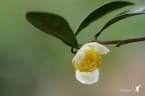
Camellia sinensis assamica
Camellia sinensis assamica
Family: Theaceae
Cultivation
Found from the warm temperate zone, through the subtropics and into the tropics of southern Asia, Camellia sinensis originated in an area of monsoon climates and mild winters. The plant has proved very amenable to cultivation and is now grown as far north as 42° North and south to Argentina at 27° South. The var sinensis can tolerate winter temperatures falling occasionally as low as -5 to -10°c, and grows best in the warm temperate to subtropical zone, whilst var assamica is less cold tolerant and is found from the subtropics to tropical areas.
Full cultivation guide →Camellia subintegra
Camellia subintegra
Family: Theaceae
Cultivation
Camellia species are found mainly in the warm temperate to subtropical regions of southern China, and most species experience mild winters with few frosts plus wet summers. Species in this genus generally prefer a peaty, more or less lime-free soil with a pH in the range 5 - 7, but most will grow well in an open loam to which ample leaf-mould has been added, so long as it is well-drained and lime-free. Most species are understorey plants in forests (preferably oak or pine) and prefer a warm, sheltered position with moderate shade; at least at the hottest time of day.
Full cultivation guide →Camellia tachangensis
Camellia tachangensis
Family: Theaceae
Cultivation
Camellia species are found mainly in the warm temperate to subtropical regions of southern China, and most species experience mild winters with few frosts plus wet summers. Species in this genus generally prefer a peaty, more or less lime-free soil with a pH in the range 5 - 7, but most will grow well in an open loam to which ample leaf-mould has been added, so long as it is well-drained and lime-free. Most species are understorey plants in forests (preferably oak or pine) and prefer a warm, sheltered position with moderate shade; at least at the hottest time of day.
Full cultivation guide →Camellia taliensis
Camellia taliensis
Family: Theaceae
Cultivation
Camellia species are found mainly in the warm temperate to subtropical regions of southern China, and most species experience mild winters with few frosts plus wet summers. Species in this genus generally prefer a peaty, more or less lime-free soil with a pH in the range 5 - 7, but most will grow well in an open loam to which ample leaf-mould has been added, so long as it is well-drained and lime-free. Most species are understorey plants in forests (preferably oak or pine) and prefer a warm, sheltered position with moderate shade; at least at the hottest time of day.
Full cultivation guide →Camellia trichoclada
Camellia trichoclada
Family: Theaceae
Cultivation
Camellia species are found mainly in the warm temperate to subtropical regions of southern China, and most species experience mild winters with few frosts plus wet summers. Species in this genus generally prefer a peaty, more or less lime-free soil with a pH in the range 5 - 7, but most will grow well in an open loam to which ample leaf-mould has been added, so long as it is well-drained and lime-free. Most species are understorey plants in forests (preferably oak or pine) and prefer a warm, sheltered position with moderate shade; at least at the hottest time of day.
Full cultivation guide →
Camellia yunnanensis
Camellia yunnanensis
Family: Theaceae
Cultivation
Camellia species are found mainly in the warm temperate to subtropical regions of southern China, and most species experience mild winters with few frosts plus wet summers. Camellia yunnanensis can tolerate temperatures down to about -10°c and succeeds outdoors in the milder areas of the temperate zone. It also grows well in subtropical areas and should succeed, at least at higher elevations, in the tropics.
Full cultivation guide →