Zamia — 10 species
Botanical species in the genus Zamia recorded in the PlantPeers database.

Zamia angustifolia
Zamia angustifolia
Family: Zamiaceae
Cultivation
Zamia angustifolia is native to the subtropical climate of the Bahamas. Temperatures are around 27 - 30°c in summer and average about 21°c in winter with occasional lows of 9 - 10°c. Mean annual rainfall is around 1,100mm, of which around 75% falls during summer.
Full cultivation guide →Zamia chigua
Zamia chigua
Family: Zamiaceae
Cultivation
Zamia chigua is native to the hot, moist tropics, where annual temperatures average around 24°c with summer highs above 30°c, and humidity about 85%. Mean annual rainfall is within the range 6,000 - 8,000mm. Requires a position in some shade and a well-drained but moist soils.
Full cultivation guide →
Zamia erosa
Zamia erosa
Family: Zamiaceae
Cultivation
Succeeds in full sun or in light shade. Requires a well drained soil. Cycad species can usually be transplanted easily even when quite large.
Full cultivation guide →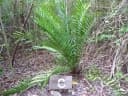
Zamia integrifolia
Zamia integrifolia
Family: Zamiaceae
Cultivation
Zamia integrifolia is native to the subtropics and low tropics of southeastern N. America and has shown itself tolerant of light frosts. The plant can also be cultivated in warm temperate areas that do not experience heavy frosts.
Full cultivation guide →Zamia lecointei
Zamia lecointei
Family: Zamiaceae
Cultivation
Zamia lecointei is a native of moist tropical regions in northern S. America. Rainfall is seasonal, averaging around 1,800 - 2,200mm a year, falling mainly from May to December An almost universal requirement for cycads is a well-drained but moisture-retentive soil, and by far the best soils are sandy gravels and light loams which provide the required drainage and aeration necessary for good growth.
Full cultivation guide →
Zamia lindenii
Zamia lindenii
Family: Zamiaceae
Cultivation
Zamia lindenii is a native of moist tropical regions in northern S. America, where it is found at elevations up to 1,100 metres. Rainfall is seasonal, averaging around 1,400 - 3,500mm a year, falling mainly from May to November An almost universal requirement for cycads is a well-drained but moisture-retentive soil, and by far the best soils are sandy gravels and light loams which provide the required drainage and aeration necessary for good growth.
Full cultivation guide →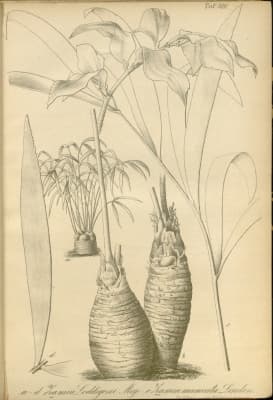
Zamia loddigesii
Zamia loddigesii
Family: Zamiaceae
Cultivation
Prefers a sunny position in a sandy, well drained soil. An almost universal requirement for cycads is a well-drained but moisture-retentive soil, and by far the best soils are sandy gravels and light loams which provide the required drainage and aeration necessary for good growth. Cycads will generally not grow well in clay soils unless those soils are heavily amended with sand and organic matter.
Full cultivation guide →Zamia pumila
Zamia pumila
Family: Zamiaceae
Cultivation
Zamia pumila is native to low elevations in the Caribbean, growing in a region where the annual temperature ranges from highs of about 35°c to lows of about 10°c. The mean annual rainfall is around 1,500mm, evenly distributed throughout the year. Plants do particularly well in very well drained soils.
Full cultivation guide →Zamia roezlii
Zamia roezlii
Family: Zamiaceae
Cultivation
Zamia roezlii is native to the moist tropical lowlands. Zamia roezlii is easy to grow. It looks best when given some protection from the sun and will not adjust to heavy soil in cultivation as it does in habitat.
Full cultivation guide →Zamia ulei
Zamia ulei
Family: Zamiaceae
Cultivation
Zamia ulei is a plant of the moist tropics, growing in a region where the mean annual rainfall is around 2,000mm, falling mainly in the summer. An almost universal requirement for cycads is a well-drained but moisture-retentive soil, and by far the best soils are sandy gravels and light loams which provide the required drainage and aeration necessary for good growth. Cycads will generally not grow well in clay soils unless those soils are heavily amended with sand and organic matter.
Full cultivation guide →