Sabal — 12 species
Botanical species in the genus Sabal recorded in the PlantPeers database.

Sabal bermudana
Sabal bermudana
Family: Arecaceae
Cultivation
Native to the subtropical islands of Bermuda, the plant can be cultivated in the tropics and warm temperate areas. Succeeds in full to part sun. Prefers a well-drained soil.
Full cultivation guide →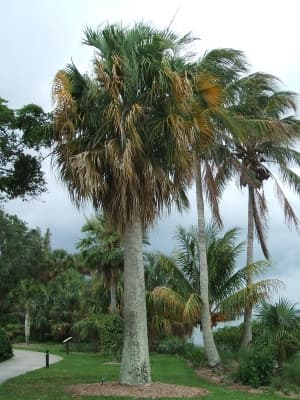
Sabal causiarum
Sabal causiarum
Family: Arecaceae
Cultivation
Grows best in a sunny position. Prefers a well drained soil. Plants are quite drought tolerant once established.
Full cultivation guide →

Sabal etonia
Sabal etonia
Family: Arecaceae
Cultivation
Sabal etonia tolerates short-lived freezes with temperatures falling to about -10°c. It succeeds outdoors in the very mildest areas of Britain. Succeeds in most fertile moist but well-drained soils in a sheltered sunny position.
Full cultivation guide →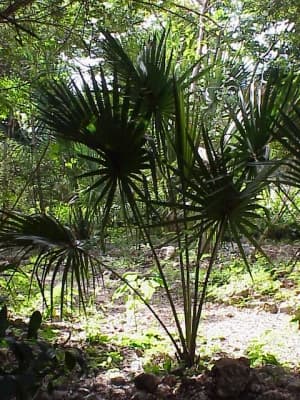


Sabal mexicana
Sabal mexicana
Family: Arecaceae
Cultivation
Sabal mexicana succeeds in moist tropical climates where temperatures never fall below 10°c, the average annual rainfall is 1,500mm or more and the driest month has 25mm or more rain. It can also grow in the drier tropics with rainfall below 1,000mm. Plants can also succeed in drier areas with an annual rainfall as low as 250mm and one month or more where rainfall is below 25mm.
Full cultivation guide →
Sabal minor
Sabal minor
Family: Arecaceae
Cultivation
Sabal minor is a plant of the warm temperate to subtropical zones. This species succeeds in moist tropical climates with an annual rainfall of 1,500mm or more. It tolerates short-lived freezes down to about -10°c.
Full cultivation guide →
Sabal palmetto
Sabal palmetto
Family: Arecaceae
Cultivation
A species of the warm temperate to tropical zones, it succeeds in moist tropical climates with an annual rainfall of 1,500mm or more. It tolerates short-lived freezes down to about -10°c. Succeeds in most fertile moist but well-drained soils in a sheltered sunny position.
Full cultivation guide →
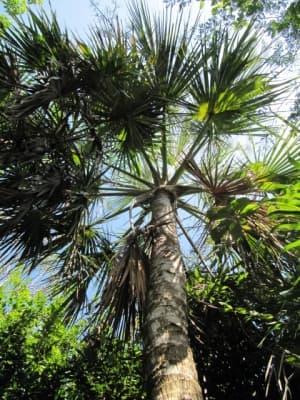
Sabal yapa
Sabal yapa
Family: Arecaceae
Cultivation
Plants can be grown in the tropics and subtropics. Grows best in a sunny position. Prefers a moist, but well drained soil.
Full cultivation guide →