Pinus — 102 species
Botanical species in the genus Pinus recorded in the PlantPeers database.

Pinus albicaulis
Pinus albicaulis
Family: Pinaceae
Cultivation
Pinus albicaulis is a very cold-hardy plant, able to tolerate temperatures down to around -40°c when fully dormant. It grows best in climates where there is a distinct transition from winter to spring. It is easily excited into growth as the season warms up and, in areas where periods of mild weather can be interspersed with a return to cold conditions, this new growth is very susceptible to damage by temperates near to or below freezing.
Full cultivation guide →Pinus amamiana
Pinus amamiana
Family: Pinaceae
Cultivation
Pinus amamiana is not a very cold-hardy plant, being able to tolerate short periods with temperatures down to around -5 - 10°c when fully dormant. Pine species in general require a sunny position if they are to grow well and, whilst the different species have their own soil preferences, most will thrive in a light well-drained sandy or gravelly loam. The ovoid seed cones are 5 - 7cm x 3 - 4cm, ripening at the end of their second growing season.
Full cultivation guide →Pinus aristata
Pinus aristata
Family: Pinaceae
Cultivation
Pinus aristata is a very cold-hardy plant, able to tolerate temperatures down to around -35°c when fully dormant. Trees grow best in areas with cold dry summers - the largest cultivated specimen is in dry sub-continental north-east Iceland. Pine species in general require a sunny position if they are to grow well and, whilst the different species have their own soil preferences, most will thrive in a light well-drained sandy or gravelly loam.
Full cultivation guide →Pinus arizonica
Pinus arizonica
Family: Pinaceae
Cultivation
Pinus arizonica is found wild in moderately dry to mesic forest with light winter frost occurring, at elevations from 1,300 - 3,000 metres. Annual precipitation is low to moderate, from 700 - 900mm, mostly falling during the winter months. Pine species in general require a sunny position if they are to grow well and, whilst the different species have their own soil preferences, most will thrive in a light well-drained sandy or gravelly loam.
Full cultivation guide →Pinus armandii
Pinus armandii
Family: Pinaceae
Cultivation
Pinus armandii is a moderately cold-hardy plant, able to tolerate temperatures down to around -15°c when fully dormant. Pine species in general require a sunny position if they are to grow well and, whilst the different species have their own soil preferences, most will thrive in a light well-drained sandy or gravelly loam. Dislikes poorly drained moorland soils.
Full cultivation guide →
Pinus ayacahuite
Pinus ayacahuite
Family: Pinaceae
Cultivation
Pinus ayacahuite is unique in being the only tree from the tropics, where it is found at elevations from 1,800 - 3,100 metres between the latitudes of 14 - 20° north, to also succeed in central Scotland at a latitude of 57° north. It grows best in areas where annual daytime temperatures are within the range 17 - 24°c, but can tolerate 9 - 28°c. It can be killed by temperatures of -10°c or lower, with new growth being damaged at -1°c.
Full cultivation guide →Pinus banksiana
Pinus banksiana
Family: Pinaceae
Cultivation
Pinus banksiana is a plant of boreal to subarctic regions, growing up to where the Arctic tree line merges with the tundra. It occurs mainly in continental climate conditions with short, warm summers, and long, very cold winters and low precipitation, about half of whch is snow. It is a very cold-hardy plant, able to tolerate temperatures down to around -40°c when fully dormant.
Full cultivation guide →Pinus brutia
Pinus brutia
Family: Pinaceae
Cultivation
Pinus brutia has a near-coastal natural distribution which coincides with the Mediterranean climate characterized by cool, wet winters and hot, dry summers. It grows best in areas where annual daytime temperatures are within the range 20 - 35°c, but can tolerate 6 - 39°c. When dormant, the plant can survive temperatures down to about -15°c, but young growth is more tender and can be severely damaged at -1°c.
Full cultivation guide →Pinus bungeana
Pinus bungeana
Family: Pinaceae
Cultivation
Pinus bungeana is a very cold-hardy plant, able to tolerate temperatures down to around -25°c when fully dormant. Pine species in general require a sunny position if they are to grow well and, whilst the different species have their own soil preferences, most will thrive in a light well-drained sandy or gravelly loam. Prefers a deep loamy soil.
Full cultivation guide →Pinus canariensis
Pinus canariensis
Family: Pinaceae
Cultivation
Pinus canariensis is a native of the sub-humid, warm temperate climate of the Canary Islands. It grows best in areas where annual daytime temperatures are within the range 19 - 29°c, but can tolerate 9 - 33°c. When dormant, the plant can survive temperatures down to about -4°c, but young growth is more tender and can be severely damaged at 0°c.
Full cultivation guide →
Pinus caribaea
Pinus caribaea
Family: Pinaceae
Cultivation
Pinus caribaea is a plant of the moist tropics where it is found at elevations from near sea level to 1,500 metres. It grows in areas where the mean annual temperature is in the range 22 - 37°c, and the mean annual rainfall is 1,000 - 3,000mm. It grows best in frost-free areas at elevations up to about 700 metres in more fertile sites with good subsoil drainage and an annual rainfall of 2,000 - 3,000mm.
Full cultivation guide →Pinus cembra
Pinus cembra
Family: Pinaceae
Cultivation
Pinus cembra is a very hardy plant tolerating temperatures down to about -30°c. Down to -40°c. It grows best in climates where there is a distinct transition from winter to spring.
Full cultivation guide →Pinus cembroides
Pinus cembroides
Family: Pinaceae
Cultivation
Pinus cembroides is a plant of warm temperate to subtropical regions of southern N. America. The climate is warm and dry, with annual precipitation varying from 380 - 650mm and a dry season of 7 - 8 months.
Full cultivation guide →Pinus clausa
Pinus clausa
Family: Pinaceae
Cultivation
Pinus clausa is not a very cold-hardy plant, able to tolerate short periods with temperatures down to around -5°c when fully dormant. Var. clausa, growing from North Carolina to Florida, experiences hot, humid summers and mild, dry winters. Precipitation averages 1,350 mm per year, and varies from 50 - 75mm per month from October to April, with as much as 200 - 230mm per month in June, July, and August.
Full cultivation guide →Pinus contorta
Pinus contorta
Family: Pinaceae
Cultivation
Pinus contorta contorta is a moderately cold-hardy plant, able to tolerate temperatures down to around -15°c when fully dormant. It occupies a vast latitudinal range in western N. America, from Alaska in the north to California in the south.
Full cultivation guide →Pinus contorta latifolia
Pinus contorta latifolia
Family: Pinaceae
Cultivation
Pinus contorta latifolia is a very cold-hardy plant, able to tolerate temperatures down to around -30°c when fully dormant. It occupies a vast latitudinal range in western N. America, from Alaska and the Yukon in the north to Oregon and South Dakota in the south.
Full cultivation guide →Pinus contorta murrayana
Pinus contorta murrayana
Family: Pinaceae
Cultivation
Pinus contorta murrayana is a moderately cold-hardy plant, able to tolerate temperatures down to around -15°c when fully dormant Requires a sunny position. Thrives in a light well-drained sandy or gravelly loam. Plants are often found in infertile soils in the wild.
Full cultivation guide →Pinus coulteri
Pinus coulteri
Family: Pinaceae
Cultivation
Pinus coulteri grows in a Mediterranean type climate with mild, wet winters and long, hot and dry summers. It is not a very cold-hardy plant, able to tolerate short periods with temperatures down to around -8 to -10°c when fully dormant. Pine species in general require a sunny position if they are to grow well and, whilst the different species have their own soil preferences, most will thrive in a light well-drained sandy or gravelly loam.
Full cultivation guide →Pinus cubensis
Pinus cubensis
Family: Pinaceae
Cultivation
Pinus cubensis is found in the tropical to subtropical climate of eastern Cuba, where there is an abundant rainfall of 1,800mm or more annually, but with a dry cool season. It is not a very cold-hardy plant, able to tolerate short periods with temperatures down to around -5°c when fully dormant. Pine species in general require a sunny position if they are to grow well and, whilst the different species have their own soil preferences, most will thrive in a light well-drained sandy or gravelly loam.
Full cultivation guide →Pinus culminicola
Pinus culminicola
Family: Pinaceae
Cultivation
Pinus culminicola is found at high elevations in the subtropical zone of northern Mexico. It is a moderately cold-hardy plant, able to tolerate temperatures down to around -15°c when fully dormant. Rainfall, some of it falling as snow, is generally abundant.
Full cultivation guide →Pinus densata
Pinus densata
Family: Pinaceae
Cultivation
Pinus densata is a moderately cold-hardy plant, able to tolerate temperatures down to around -15°c when fully dormant. Pine species in general require a sunny position if they are to grow well and, whilst the different species have their own soil preferences, most will thrive in a light well-drained sandy or gravelly loam. Plants are reasonably fast-growing when young.
Full cultivation guide →Pinus densiflora
Pinus densiflora
Family: Pinaceae
Cultivation
Pinus densiflora is a very cold-hardy plant, being able to tolerate temperatures down to around -25°c when fully dormant. Pine species in general require a sunny position if they are to grow well and, whilst the different species have their own soil preferences, most will thrive in a light well-drained sandy or gravelly loam. Found in a variety of acidic soils in the wild, from dry sandy or rocky sites to peaty soils.
Full cultivation guide →Pinus devoniana
Pinus devoniana
Family: Pinaceae
Cultivation
Pinus devoniana is not a very cold-hardy plant, able to tolerate short periods with temperatures down to around -5°c when fully dormant. It grows in an area where the climate is warm-temperate to subtropical, with a mean annual precipitation of 1,000 - 1,500mm and a dry season of around 6 months. Requires a sunny position.
Full cultivation guide →Pinus douglasiana
Pinus douglasiana
Family: Pinaceae
Cultivation
Pinus douglasiana is native to the warm temperate mountainous zones of central and southern Mexico in areas where the mean annual precipitation is around 1,000mm. Pine species in general require a sunny position if they are to grow well and, whilst the different species have their own soil preferences, most will thrive in a light well-drained sandy or gravelly loam. The broadly ovoid seed cones are 7 - 10cm long and 5 - 7cm wide, taking two growing seasons to reach maturity.
Full cultivation guide →Pinus durangensis
Pinus durangensis
Family: Pinaceae
Cultivation
Pinus durangensis is not a very cold-hardy plant, being able to tolerate short periods with temperatures down to around -10°c when fully dormant. Climatically, its Sierra Madre habitat is warm-temperate, but with cold spells during the short winter at the higher elevations. Annual precipitation varies between 700 - 1,200mm, most of which occurs in the summer.
Full cultivation guide →Pinus echinata
Pinus echinata
Family: Pinaceae
Cultivation
Pinus echinata is a moderaely cold-hardy plant, able to tolerate temperatures down to around -20°c when fully dormant. It is primarily limited by climatic factors, such as the 10°c average annual temperature isoline at its northern limit and an average annual precipitation above 1,000 mm distributed more or less evenly over a year as its southern limit. Pine species in general require a sunny position if they are to grow well and, whilst the different species have their own soil preferences, most will thrive in a light well-drained sandy or gravelly loam.
Full cultivation guide →Pinus edulis
Pinus edulis
Family: Pinaceae
Cultivation
Pinus edulis is a very cold-hardy plant, able to tolerate temperatures down to around -25°c when fully dormant. It grows in an areas where summers are hot and winters cold, but climatic conditions vary according to elevation and latitude. Pine species in general require a sunny position if they are to grow well and, whilst the different species have their own soil preferences, most will thrive in a light well-drained sandy or gravelly loam.
Full cultivation guide →
Pinus elliottii
Pinus elliottii
Family: Pinaceae
Cultivation
Slash pine is a plant of mainly coastal areas inf the warm temperate and subtropical region of southeastern N. America, but it can also be cultivated in tropical regions at elevations from 500 - 2,500 metres. It grows best in areas where annual daytime temperatures are within the range 23 - 32°c, but can tolerate 8 - 36°c.
Full cultivation guide →Pinus engelmannii
Pinus engelmannii
Family: Pinaceae
Cultivation
Pinus engelmannii is a somewhat cold-hardy plant, able to tolerate temperatures down to around -10°c when fully dormant. It grows well in regions with relatively mild winters and (moderately) warm summers, coming from a region where, at higher elevations, frost and snow are common in winter. The mean annual rainfall ranges from 400 - 700mm, increasing southward.
Full cultivation guide →Pinus flexilis
Pinus flexilis
Family: Pinaceae
Cultivation
Pinus flexilis is a very cold-hardy plant, able to tolerate temperatures down to around -35°c when fully dormant. Pine species in general require a sunny position if they are to grow well and, whilst the different species have their own soil preferences, most will thrive in a light well-drained sandy or gravelly loam. Dislikes poorly drained moorland soils.
Full cultivation guide →Pinus gerardiana
Pinus gerardiana
Family: Pinaceae
Cultivation
Pinus gerardiana is found in the dry temperate forest of the inner ranges of the Himalaya, where the summer monsoon is weak and precipitation, mostly in the form of snow, rarely exceeds 1,000mm per year. In these forests it occurs with Cedrus deodara, Quercus ilex and Juniperus excelsa subsp. polycarpos. Plants are hardy to Zone 7 (cold hardiness limit between -17.7°c and -12.2°c.
Full cultivation guide →Pinus glabra
Pinus glabra
Family: Pinaceae
Cultivation
Pinus glabra is a plant of the warm temperate climate in the SE United States, where summers are long, hot and humid and winters mild. It is not a very cold-hardy plant, being able to tolerate short periods with temperatures down to around -10°c when fully dormant. Pine species in general require a sunny position if they are to grow well and, whilst the different species have their own soil preferences, most will thrive in a light well-drained sandy or gravelly loam.
Full cultivation guide →Pinus halepensis
Pinus halepensis
Family: Pinaceae
Cultivation
Pinus halepensis is native to the Mediterranean region, where the summers are hot and dry and the winters cool and moist. It is found in the hotter parts of the region, where brush and forest fires are frequent. The plant is not very cold-hardy, being able to tolerate short periods with temperatures down to around -10°c when fully dormant.
Full cultivation guide →Pinus hartwegii
Pinus hartwegii
Family: Pinaceae
Cultivation
The climate where Pinus hartwegii grows is characterized by a dry winter with a wet summer to early autumn monsoon, with sub-freezing temperatures at higher elevations from late summer through to spring. The plant cannot withstand long, cold winters, but can to tolerate short periods with temperatures down to around -10°c. Pine species in general require a sunny position if they are to grow well and, whilst the different species have their own soil preferences, most will thrive in a light well-drained sandy or gravelly loam.
Full cultivation guide →Pinus heldreichii
Pinus heldreichii
Family: Pinaceae
Cultivation
Pinus heldreichii is a very cold-hardy plant, able to tolerate temperatures down to around -25°c when fully dormant. Pine species in general require a sunny position if they are to grow well and, whilst the different species have their own soil preferences, most will thrive in a light well-drained sandy or gravelly loam. Found in the wild on soils derived from calcareous (limestone, dolomite) or occasionally ultramafic parent materials.
Full cultivation guide →Pinus henryi
Pinus henryi
Family: Pinaceae
Cultivation
Pinus henryi is a moderately cold-hardy plant, able to tolerate temperatures down to around -15°c when fully dormant. Pine species in general require a sunny position if they are to grow well and, whilst the different species have their own soil preferences, most will thrive in a light well-drained sandy or gravelly loam. Dislikes poorly drained moorland soils.
Full cultivation guide →Pinus herrerae
Pinus herrerae
Family: Pinaceae
Cultivation
Pinus herrerae is not a very cold-tolerant species, being damaged by temperatures around 0°c. It is found at elevations from 1,200 - 2,600 metres in the subtropical to tropical regions of western Mexico where the mean annual precipitation is 900 - 1,600mm and there is a dry season of up to 6 months. Pine species in general require a sunny position if they are to grow well and, whilst the different species have their own soil preferences, most will thrive in a light well-drained sandy or gravelly loam.
Full cultivation guide →Pinus hwangshanensis
Pinus hwangshanensis
Family: Pinaceae
Cultivation
Pinus hwangshanensis is a moderately cold-hardy plant, able to tolerate temperatures down to around -15°c when fully dormant. Pine species in general require a sunny position if they are to grow well and, whilst the different species have their own soil preferences, most will thrive in a light well-drained sandy or gravelly loam. Plants are often found in the wild on shallow, sandy acidic soils and rocky outcrops, though also grow well in better soils.
Full cultivation guide →Pinus jaliscana
Pinus jaliscana
Family: Pinaceae
Cultivation
Pinus jaliscana grows in a subtropical to tropical climate, with a mean annual temperature of 22 - 26°c, a 5 - 6 month dry season and a mean annual precipitation ranging from 1,000 - 1,935mm. Pine species in general require a sunny position if they are to grow well and, whilst the different species have their own soil preferences, most will thrive in a light well-drained sandy or gravelly loam. Seed cones are 45 - 98mm long and 30 - 60mm wide when open.
Full cultivation guide →Pinus jeffreyi
Pinus jeffreyi
Family: Pinaceae
Cultivation
Pinus jeffreyi is not a very cold-hardy plant, being able to tolerate short periods with temperatures down to around -5 to -10°c when fully dormant. Pine species in general require a sunny position if they are to grow well and, whilst the different species have their own soil preferences, most will thrive in a light well-drained sandy or gravelly loam. Succeeds in most soils.
Full cultivation guide →Pinus johannis
Pinus johannis
Family: Pinaceae
Cultivation
Pinus johannis is native to the semi-arid to arid highlands of northeastern Mexico, where it can be found at elevations up to 2,800 metres. The area has a mean annual precipitation in the range 300 - 400mm and an average annual temperature of 16°c. Frosts are common during December and January.
Full cultivation guide →
Pinus kesiya
Pinus kesiya
Family: Pinaceae
Cultivation
A plant of the moist tropics and subtropics, where it is found at elevations from 300 - 2,700 metres. Very adaptable to different ecological conditions, though it does not grow well in tropical lowlands. It is found naturally in areas where the mean annual rainfall is in the range 700 - 1,800mm, with a pronounced dry season, and the mean annual temperature is 17 - 22°c, with a mean maximum temperature of the hottest month of 26 - 30°c and a mean minimum temperature of the coldest month of 10 - 18°c.
Full cultivation guide →Pinus koraiensis
Pinus koraiensis
Family: Pinaceae
Cultivation
Pinus koraiensis is a very cold-hardy plant, able to tolerate temperatures down to at least -35°c when fully dormant. The climate has a summer monsoon character within proximity of the coast, but with a strong continental influence further inland. Temperature extremes can range from plus 37°c to minus 45°c within its natural range.
Full cultivation guide →Pinus krempfii
Pinus krempfii
Family: Pinaceae
Cultivation
Pinus krempfii is found at moderate elevations in a monsoonal region of tropical Vietnam. The mean annual temperature is 19 - 23°c, with a mean anual rainfall above 1,500mm. The plant is not very cold-hardy, being damaged by temperatures around freezing.
Full cultivation guide →Pinus lambertiana
Pinus lambertiana
Family: Pinaceae
Cultivation
Pinus lambertianus is found at moderate to high elevations in the temperate climate of western N. America, It is a hospitable climate with warm, sunny summers moistened by rain showers and snowy but not extremely cold winters. The plant is moderately cold-hardy, being able to tolerate temperatures down to around -15°c when fully dormant.
Full cultivation guide →Pinus latteri
Pinus latteri
Family: Pinaceae
Cultivation
Pinus latteri is native from low to moderate elevations in the tropics of southeast Asia. It is not very cold-hardy and can be damaged by temperatures falling to around freezing. Its range is within the influence of SE monsoons, with a mean annual precipitation around 1,500mm in Myanmar and Thailand.
Full cultivation guide →Pinus lawsonii
Pinus lawsonii
Family: Pinaceae
Cultivation
Pinus lawsonii is found at moderate to higher elevations in the tropical zone of southern Mexico with a mean annual precipitation in the range 600 - 1,500mm and a six month dry season. It is not very cold-hardy, being damaged by temperatures falling to around freezing. Pine species in general require a sunny position if they are to grow well and, whilst the different species have their own soil preferences, most will thrive in a light well-drained sandy or gravelly loam.
Full cultivation guide →
Pinus leiophylla
Pinus leiophylla
Family: Pinaceae
Cultivation
Pinus leiophylla is a plant of higher elevations in the tropics and subtropics of Mexico, where it is found at elevations of 1,800 - 2,100 metres. It is not very cold-hardy, being able to withstand short periods with temperatures falling to around freezing, though the variety chihuahuana has a more northerly range and is somewhat more cold tolerant. Annual precipitation varies greatly with locality and elevation, from a low of around. 700 mm to 1,950 mm.
Full cultivation guide →Pinus luchuensis
Pinus luchuensis
Family: Pinaceae
Cultivation
Pinus luchuensis is native to the warm temperate zone of southern Japan. It is not a very cold-hardy plant, being able to tolerate short periods with temperatures down to around -5°c when fully dormant. Pine species in general require a sunny position if they are to grow well and, whilst the different species have their own soil preferences, most will thrive in a light well-drained sandy or gravelly loam.
Full cultivation guide →Pinus lumholtzii
Pinus lumholtzii
Family: Pinaceae
Cultivation
Pinus lumholtzii grows mainly in a semi-arid region of Mexico, where it can be found at elevations up to 2,900 metres. The climate is warm temperate with a mean annual precipitation of 500 - 600mm, most of which falls in the summer. It is not a very cold-hardy plant, being able to tolerate short periods with temperatures down to around -8°c when fully dormant.
Full cultivation guide →Pinus massoniana
Pinus massoniana
Family: Pinaceae
Cultivation
Pinus massoniana is found in the warm temperate zone of central to southern China and at elevations from near sea level to 2,000 metres, so it experiences a variety of climatic conditions. It is a moderately cold-hardy plant, able to tolerate temperatures down to around -15°c when fully dormant. Pine species in general require a sunny position if they are to grow well and, whilst the different species have their own soil preferences, most will thrive in a light well-drained sandy or gravelly loam.
Full cultivation guide →Pinus maximartinezii
Pinus maximartinezii
Family: Pinaceae
Cultivation
Pinus maximartinezii is found in the subtropical to tropical climate of central Mexico. It is a not a very cold-hardy plant, those plants from the more northerly of its provenences are able to tolerate short periods with temperatures down to around -5°c when fully dormant, those from the more southerly provenence are less tolerant of cold. Precipitation is probably around 700 - 800mm annually, virtually restricted to four months in the summer.
Full cultivation guide →Pinus maximinoi
Pinus maximinoi
Family: Pinaceae
Cultivation
Pinus maximinoi has a very wide ecological amplitude, occurring from semi arid to wet subtropical forests in Mexico, well up into the cooler cloud forests of Mesoamerica; and at elevations from 450 - 2,800 metres. It is not a very cold-hardy plant, being only able to withstand occasional light frosts. Mean annual precipitation ranges from around 900 - 2,500mm in Mesoamerica, somewhat less in Mexico, with most of it falling in the growing season.
Full cultivation guide →
Pinus merkusii
Pinus merkusii
Family: Pinaceae
Cultivation
Pinus merkusii is a plant of the moist tropics, where it is found at elevations from sea level up to 1,300 metres. It grows in areas where the mean annual rainfall is in the range 1,000 - 2,800mm, occasionally to 3,500mm, and the mean annual temperature is 21 - 28°c with a mean maximum temperature of the hottest month of 24 - 32°c and a mean minimum temperature of the coldest month of 18 - 24°c. Pines grow naturally in South-East Asia only in strongly seasonal environments.
Full cultivation guide →Pinus monophylla
Pinus monophylla
Family: Pinaceae
Cultivation
Pinus monophylla is a moderately cold-hardy plant, able to tolerate temperatures down to around -20°c when fully dormant. It is found mainly in semi-arid regions where the mean annual precipitation is around 200 - 600mm, often concentrated in the winter and part of it falling as snow at higher elevations. It can be grown successfully in moister climes.
Full cultivation guide →
Pinus montezumae
Pinus montezumae
Family: Pinaceae
Cultivation
Pinus montezumae is a tree of higher elevations in the tropics, it is also grown in the subtropics and warm temperate areas. It is found in the tropics at elevations from 2,000 (rarely less) to 3,200 metres. It grows best in areas where annual daytime temperatures are within the range 16 - 24°c, but can tolerate 8 - 28°c.
Full cultivation guide →Pinus monticola
Pinus monticola
Family: Pinaceae
Cultivation
Pinus monticola is a very cold-hardy plant, able to tolerate temperatures down to around -30°c when fully dormant. There are two major climate response ecotypes in Pinus monticola, found in trees respectively north and south of an abrupt transition zone in the southern Oregon Cascades. Trees south of this line experience warmer, drier summers, have lower tolerance for low temperatures, and have lower growth potential (there is also a gradient in cold tolerance from maritime to continental sites).
Full cultivation guide →Pinus morrisonicola
Pinus morrisonicola
Family: Pinaceae
Cultivation
Pinus morrisonicola is not a very cold-hardy plant, being able to tolerate short periods with temperatures down to around -10°c when fully dormant. Pine species in general require a sunny position if they are to grow well and, whilst the different species have their own soil preferences, most will thrive in a light well-drained sandy or gravelly loam. The ovoid to conical, seed cones 7 - 13cm long ans 5 - 7cm wide, taking two growing seasons to reach maturity.
Full cultivation guide →Pinus mugo
Pinus mugo
Family: Pinaceae
Cultivation
Pinus mugo is a very cold-hardy plant, able to tolerate temperatures down to around -35°c when fully dormant. Pine species in general require a sunny position if they are to grow well and, whilst the different species have their own soil preferences, most will thrive in a light well-drained sandy or gravelly loam. Dislikes poorly drained moorland soils.
Full cultivation guide →Pinus muricata
Pinus muricata
Family: Pinaceae
Cultivation
Pinus muricata grows in a Mediterranean-type climate, with long hot summers (tempered by late summer and autumn fogs), and cool, moist winters. It is not a very cold-hardy plant, being able to tolerate short periods with temperatures down to around -10°c when fully dormant. Mean annual rainfall is around 500mm.
Full cultivation guide →Pinus nelsonii
Pinus nelsonii
Family: Pinaceae
Cultivation
Pinus nelsonii is a plant of arid and semi-arid regions of northern Mexico where the mean annual precipitation ranges from 300 - 600mm, falling mostly in the summer during brief thunderstorms. It is not a very cold-hardy plant, being able to tolerate short periods with temperatures down to around -10°c iwhen it is fully dormant. Pine species in general require a sunny position if they are to grow well and, whilst the different species have their own soil preferences, most will thrive in a light well-drained sandy or gravelly loam.
Full cultivation guide →Pinus nigra
Pinus nigra
Family: Pinaceae
Cultivation
Pinus nigra is a moderately cold-hardy plant, able to tolerate temperatures down to around -20°c when fully dormant. Pine species in general require a sunny position if they are to grow well and, whilst the different species have their own soil preferences, most will thrive in a light well-drained sandy or gravelly loam. This species succeeds on all soil types, including chalk.
Full cultivation guide →Pinus occidentalis
Pinus occidentalis
Family: Pinaceae
Cultivation
Pinus occidentalis is found on the island of Hispaniola, where it grows in a wide range of elevations, from around 200 - 3,200 metres. The climate is tropical, but at elevations above 1,600 - 1,800 metres there can be frosts in the cool season and rarely snow. The mean annual precipitation is generally within the range 1,200 - 1,600mm, but can reach 2,300mm in parts of its range.
Full cultivation guide →
Pinus oocarpa
Pinus oocarpa
Family: Pinaceae
Cultivation
Pinus oocarpa is a plant of the semi-arid to moist tropics and subtropics, where it occurs at elevations from 350 - 2,500 metres, reaching its best development at elevations between 1,200 - 1,800 metres. It grows in areas where the mean annual rainfall can be as low as 600 - 800 mm, in other parts of its native range annual rainfall can exceed 2,500 mm. It can tolerate a dry season of up to 5 months.
Full cultivation guide →Pinus palustris
Pinus palustris
Family: Pinaceae
Cultivation
Pinus palustris is not a very cold-hardy plant, being able to tolerate short periods with temperatures down to around -10°c when fully dormant. It grows best in areas with hot summers. In areas with cooler summers (even if the winters are mild), such as the maritime regions of the temperate zone, it often grows poorly, failing to properly ripen its wood and suffering frost damage over the winter.
Full cultivation guide →Pinus parviflora
Pinus parviflora
Family: Pinaceae
Cultivation
Pinus parviflora is a very cold-hardy plant, able to tolerate temperatures down to around -25°c when fully dormant. Pine species in general require a sunny position if they are to grow well and, whilst the different species have their own soil preferences, most will thrive in a light well-drained sandy or gravelly loam. Dislikes poorly drained moorland soils.
Full cultivation guide →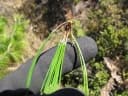
Pinus patula
Pinus patula
Family: Pinaceae
Cultivation
Pinus patula grows in the subtropical to temperate highlands of central and southern Mexico, at elevations between 1,500 and 3,000 metres. It is found mainly in areas with abundant annual precipitation ranging from 1,000 - 2,200mm, though it can tolerate 750 - 3,000mm. In some areas fog can play a significant part in the availability of moisture through much of the dry season.
Full cultivation guide →Pinus peuce
Pinus peuce
Family: Pinaceae
Cultivation
Pinus peuce is a very cold-hardy plant, able to tolerate temperatures down to around -25°c when fully dormant Prefers a sunny position, but this species is moderately shade tolerant. An undemanding species, it grows well on most soils. The cylindrical seed cones can be 5 - 20cm long.
Full cultivation guide →Pinus pinaster
Pinus pinaster
Family: Pinaceae
Cultivation
Pinus pinaster is not a very cold-hardy plant, being able to tolerate short periods with temperatures down to around -10°c when fully dormant. Hardyness is very much provenence-related, with plants from continental Iberia showing greater hardiness but slower growth, whilst plants from coastal populations grow faster but are less hardy. Pine species in general require a sunny position if they are to grow well and, whilst the different species have their own soil preferences, most will thrive in a light well-drained sandy or gravelly loam.
Full cultivation guide →Pinus pinceana
Pinus pinceana
Family: Pinaceae
Cultivation
Pinus pinceana is a plant of arid and sub-arid regions in the mainly subtropical zone of eastern Mexico, where it can be found at elevations up to 2,700 metres. The mean annual precipitation can vary from 350 - 600mm, with the higher rainfall towards the south of its range. It is not a very cold-hardy plant, being able to tolerate short periods with temperatures down to around -5°c when fully dormant.
Full cultivation guide →Pinus pinea
Pinus pinea
Family: Pinaceae
Cultivation
Pinus pinea is native to the Mediterranean region, with its hot, dry summers and cool, moist winters. It is not a very cold-hardy plant, being able to tolerate short periods with temperatures down to around -10°c when fully dormant. This species can tolerate occasional lows to about -18°c.
Full cultivation guide →Pinus ponderosa
Pinus ponderosa
Family: Pinaceae
Cultivation
Pinus ponderosa is one of the most widely distributed pines, with a range spanning 20 degrees of latitude and from low elevations to 3,300 metres. While in the north and east its limits are defined by temperature and rainfall respectively, in the south it is replaced by related species. The mean annual precipitation can range from 300 - 1,750mm.
Full cultivation guide →Pinus pringlei
Pinus pringlei
Family: Pinaceae
Cultivation
Pinus pringlei is found at elevations up to 2,800 metres in the montane, mesic forests of central to southern Mexico. This region has a subtropical to warm temperate climate; the mean annual precipitation varies between 1,000 - 2,000mm, mainly occurring in summer storms from June through September. It is not a very cold-hardy plant, being able to tolerate short periods with temperatures down to around -5°c when fully dormant.
Full cultivation guide →Pinus pseudostrobus
Pinus pseudostrobus
Family: Pinaceae
Cultivation
Pinus pseudostrobus is a widely distributed and in many places common or abundant pine of montane to high montane habitat in the cold-temperate to warm-temperate zones of southern Mexico. Its altitudinal range is considerable, but differs little along the entire 2,500 km of its range, being found from 850 - 3,250 metres. Mean annual precipitation is also variable, but with a minimum of around 800 mm in parts of Mexico, whilst in Guatemala and Honduras it can be over 2,000 mm.
Full cultivation guide →Pinus pumila
Pinus pumila
Family: Pinaceae
Cultivation
Pinus pumila ia an exceedingly cold-hardy plant, able to tolerate temperatures down to about -70°c. Pine species in general require a sunny position if they are to grow well and, whilst the different species have their own soil preferences, most will thrive in a light well-drained sandy or gravelly loam. Dislikes poorly drained moorland soils.
Full cultivation guide →Pinus pungens
Pinus pungens
Family: Pinaceae
Cultivation
Pinus pungens is found in a temperate region of eastern N. America where the summers are cool to warm while winters are moderately cold and wet. Mean annual precipitation varies from north to south and also with elevation; it can range from 760 - 2100mm.
Full cultivation guide →Pinus quadrifolia
Pinus quadrifolia
Family: Pinaceae
Cultivation
Pinus quadrifolia grows in the Mediterranean climate of southern California, with long, hot and dry summers and mild, moist to wet winters. The mean annual precipitations ranges from 300 - 500mm. It is not a very cold-tolerant plant, being able to tolerate short periods with temperatures falling to around -10°c when fully dormant.
Full cultivation guide →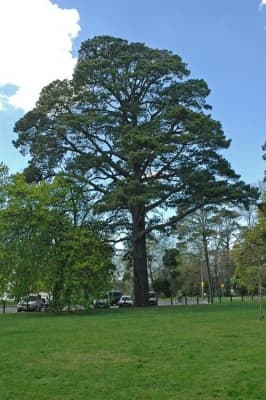
Pinus radiata
Pinus radiata
Family: Pinaceae
Cultivation
Monterey pine is a plant of the semi-arid, warm temperate zone of coastal southern California and is extensively cultivated in warm temperte zones and in tropical areas above 1,200 metres. In its native range the cold ocean water moving down the Californian coast substantially influences the local climate, raising humidity, tempering heat from the sun and causing almost daily summer fogs. On a rare clear day in summer temperatures can quickly rise to 40°c, coming down to only 15°c on the next foggy day.
Full cultivation guide →Pinus remota
Pinus remota
Family: Pinaceae
Cultivation
Pinus remota is found in semi-arid regions of southern N. America, where the summers are long and hot. Annual precipitation is generally within the range 300 - 500mm, but this can be very variable and winter frosts can be common for around 2 months of the year.
Full cultivation guide →Pinus resinosa
Pinus resinosa
Family: Pinaceae
Cultivation
Pinus resinosa is a very cold-hardy plant, able to tolerate temperatures down to around -35°c when fully dormant. Pine species in general require a sunny position if they are to grow well and, whilst the different species have their own soil preferences, most will thrive in a light well-drained sandy or gravelly loam. Dislikes poorly drained moorland soils.
Full cultivation guide →Pinus rigida
Pinus rigida
Family: Pinaceae
Cultivation
Pinus rigida is a very cold-hardy plant, able to tolerate temperatures down to around -30°c when fully dormant. Pine species in general require a sunny position if they are to grow well and, whilst the different species have their own soil preferences, most will thrive in a light well-drained sandy or gravelly loam. Dislikes poorly drained moorland soils.
Full cultivation guide →Pinus roxburghii
Pinus roxburghii
Family: Pinaceae
Cultivation
Pinus roxburghii is restricted to the monsoon belt with summer rains. It is not a very cold-hardy plant, being able to tolerate short periods with temperatures down to around -5°c when fully dormant. Pine species in general require a sunny position if they are to grow well and, whilst the different species have their own soil preferences, most will thrive in a light well-drained sandy or gravelly loam.
Full cultivation guide →Pinus sabiniana
Pinus sabiniana
Family: Pinaceae
Cultivation
Pinus sabiniana is found at elevations up to 1,800 metres in the Mediterranean-type climate of central California, with its hot, dry summers and cool, moister winters. The mean annual precipitation ranges from 250 - 1,780mm. It is not a very cold-hardy plant, being able to tolerate short periods with temperatures falling to around -5 and -10°c when fully dormant.
Full cultivation guide →Pinus serotina
Pinus serotina
Family: Pinaceae
Cultivation
Pinus serotina is native to the coastal plains of eastern USA, where the climate is mild and humid with mean annual precipitation ranging from 1,120 - 1,420mm, with the driest months in winter. It requires hot summers if it is to thrive and is not a very cold-hardy plant, being able to tolerate short periods with temperatures down to around -10°c when fully dormant. Pine species in general require a sunny position if they are to grow well and, whilst the different species have their own soil preferences, most will thrive in a light well-drained sandy or gravelly loam.
Full cultivation guide →Pinus sibirica
Pinus sibirica
Family: Pinaceae
Cultivation
Pinus sibirica is a very cold-hardy plant, able to tolerate temperatures down to around -45°c when fully dormant. It grows best in climates where there is a distinct transition from winter to spring. It is easily excited into growth as the season warms up and, in areas where periods of mild weather can be interspersed with a return to cold conditions, this new growth is very susceptible to damage by temperates near to or below freezing.
Full cultivation guide →Pinus strobiformis
Pinus strobiformis
Family: Pinaceae
Cultivation
Pinus strobiformis is a tree of moderate to high elevations, it ranges from the semi-arid regions of southwestern USA, through the mountain ranges of Mexico. The climate in the Sierra Madre Occidental of Mexico is characterized by summer rains (thunderstorms) as well as winter precipitation; winter snows are common at the higher elevations. Cold-tolerance of this species is said to be short periods with temperatures falling to around -10°c, although another report suggests it can withstand -25°c.
Full cultivation guide →Pinus strobus
Pinus strobus
Family: Pinaceae
Cultivation
Pinus strobus is a very cold-hardy plant, able to tolerate temperatures down to around -35°c when fully dormant. Pine species in general require a sunny position if they are to grow well and, whilst the different species have their own soil preferences, most will thrive in a light well-drained sandy or gravelly loam. Dislikes poorly drained moorland soils.
Full cultivation guide →Pinus strobus chiapensis
Pinus strobus chiapensis
Family: Pinaceae
Cultivation
Pinus strobus chiapensis is native to the mountains in tropical areas of southern Mexico and Guatemala, where annual precipitation may exceed 3,000mm. The regions in which it grows do not experience frost, though trees from seeds gathered in southern Mexico are succeeding outdoors in southern England (hardiness zone 8). Pine species in general require a sunny position if they are to grow well and, whilst the different species have their own soil preferences, most will thrive in a light well-drained sandy or gravelly loam.
Full cultivation guide →Pinus sylvestris
Pinus sylvestris
Family: Pinaceae
Cultivation
Pinus sylvestris is a very cold-hardy plant, able to tolerate temperatures down to around -40°c when fully dormant. Grows best in a sunny position, but plants are fairly shade tolerant. Thrives in a light well-drained sandy or gravelly loam.
Full cultivation guide →Pinus tabuliformis
Pinus tabuliformis
Family: Pinaceae
Cultivation
Pinus tabuliformis is a very cold-hardy plant, able to tolerate temperatures down to around -25°c when fully dormant. Pine species in general require a sunny position if they are to grow well and, whilst the different species have their own soil preferences, most will thrive in a light well-drained sandy or gravelly loam. Dislikes poorly drained moorland soils.
Full cultivation guide →Pinus taeda
Pinus taeda
Family: Pinaceae
Cultivation
Pinus taeda is native to the warm-temperate, moist climate of southeastern N. America where winters are mild and the summers long and hot. Mean annual precipitation is between 1,000 - 1,500mm.
Full cultivation guide →Pinus taiwanensis
Pinus taiwanensis
Family: Pinaceae
Cultivation
Pinus taiwanensis occurs in different forest zones from warm temperate to subalpine. It is not a very cold-hardy plant, being able to tolerate short periods with temperatures down to around -10°c when fully dormant. Pine species in general require a sunny position if they are to grow well and, whilst the different species have their own soil preferences, most will thrive in a light well-drained sandy or gravelly loam.
Full cultivation guide →Pinus tecunumanii
Pinus tecunumanii
Family: Pinaceae
Cultivation
A plant of medium to high elevations in the tropics, growing in areas with a mean annual rainfall within the range 1,000 - 3,000mm and a dry season of up to 6 months. Plants are not very resistant to frost. Pine species in general require a sunny position if they are to grow well and, whilst the different species have their own soil preferences, most will thrive in a light well-drained sandy or gravelly loam.
Full cultivation guide →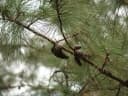
Pinus teocote
Pinus teocote
Family: Pinaceae
Cultivation
Pinus teocote is a plant of higher elevations in the tropics, where it is found at elevations from 1,100 - 2,700 metres. It can also be grown in the subtropics and warm temperate areas. It grows best in areas where annual daytime temperatures are within the range 14 - 26°c, but can tolerate 8 - 34°c.
Full cultivation guide →Pinus thunbergii
Pinus thunbergii
Family: Pinaceae
Cultivation
Pinus thunbergii grows in the moist, warm temperate climate of central and southern Japan, where there is little or no frost. It is a moderately cold-hardy plant, being able to tolerate temperatures down to around -20°c when fully dormant; Pine species in general require a sunny position if they are to grow well and, whilst the different species have their own soil preferences, most will thrive in a light well-drained sandy or gravelly loam. Dislikes poorly drained moorland soils.
Full cultivation guide →Pinus torreyana
Pinus torreyana
Family: Pinaceae
Cultivation
Pinus torreyana is not a very cold-hardy plant, being able to tolerate short periods with temperatures down to around -5°c when fully dormant. Pine species in general require a sunny position if they are to grow well and, whilst the different species have their own soil preferences, most will thrive in a light well-drained sandy or gravelly loam. This species requires humid air conditions, though it tolerates dry soils.
Full cultivation guide →Pinus tropicalis
Pinus tropicalis
Family: Pinaceae
Cultivation
Pinus tropicalis is a plant of lowland areas in the tropical climate of Cuba. The mean annual precipitation is around 1,200mm and there is a prolonged dry season. The tree is not very cold tolerant and can be damaged by temperatures falling close to zero.
Full cultivation guide →Pinus uncinata
Pinus uncinata
Family: Pinaceae
Cultivation
Pinus uncinata is a very cold-hardy plant, able to tolerate temperatures down to around -25°c when fully dormant. Pine species in general require a sunny position if they are to grow well and, whilst the different species have their own soil preferences, most will thrive in a light well-drained sandy or gravelly loam. This species succeeds in poor soils, which can be dry or wet.
Full cultivation guide →Pinus virginiana
Pinus virginiana
Family: Pinaceae
Cultivation
Pinus virginiana is native to eastern USA, where the climate is humid and cool in most of its range and snowfall can be abundant at least in the northern parts. It is a moderately cold-hardy plant, able to tolerate temperatures down to around -20°c when fully dormant. Pine species in general require a sunny position if they are to grow well and, whilst the different species have their own soil preferences, most will thrive in a light well-drained sandy or gravelly loam.
Full cultivation guide →Pinus wallichiana
Pinus wallichiana
Family: Pinaceae
Cultivation
Pinus wallichiana is not a very cold-hardy plant, being able to tolerate short periods with temperatures down to around -10°c when fully dormant. Pine species in general require a sunny position if they are to grow well and, whilst the different species have their own soil preferences, most will thrive in a light well-drained sandy or gravelly loam. This species prefers sandy or clay soils rather than limestone.
Full cultivation guide →Pinus wangii
Pinus wangii
Family: Pinaceae
Cultivation
Pinus wangii is not a very cold-hardy plant. Some forms can suffer damage at around freezing point, with others being able to tolerate short periods with temperatures down to around -5°c, perhaps lower, when fully dormant. Pine species in general require a sunny position if they are to grow well and, whilst the different species have their own soil preferences, most will thrive in a light well-drained sandy or gravelly loam.
Full cultivation guide →Pinus yunnanensis
Pinus yunnanensis
Family: Pinaceae
Cultivation
Pinus yunnanensis is said to be hardy only to zone nine, indicating it can only tolerate short periods of frost with temperatures down to around -5°c. However, plants have been growing successfully in colder regions than this - for example there are trees over 100 years old at Kew Gardens in England (hardiness zone 7 - 8) that are more than 15 metres tall and there are also various more recent plantings further north in Britain. Pine species in general require a sunny position if they are to grow well and, whilst the different species have their own soil preferences, most will thrive in a light well-drained sandy or gravelly loam.
Full cultivation guide →