Phytolacca — 5 species
Botanical species in the genus Phytolacca recorded in the PlantPeers database.

Phytolacca acinosa
Phytolacca acinosa
Family: Phytolaccaceae
Cultivation
Phytolacca acinosa is a plant of warm temperate to tropical areas, when dormant it tolerates temperatures down to between -5 and -10°c. The young growth can be damaged by frosts. An easily grown plant, succeeding in most soils, though preferring a moisture retentive fertile soil in full sun or partial shade.
Full cultivation guide →
Phytolacca americana
Phytolacca americana
Family: Phytolaccaceae
Cultivation
Whilst the dormant plant is hardy in much of Britain, the young growth in spring can be damaged by late frosts. An easily grown plant, succeeding in most soils, though preferring a moisture retentive soil in full sun or partial shade. Plants can be grown in quite coarse grass, which can be cut annually in the autumn.
Full cultivation guide →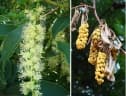
Phytolacca dioica
Phytolacca dioica
Family: Phytolaccaceae
Cultivation
Phytolacca dioica is a plant of the moist tropics and subtropics, where it is found at elevations up to 2,000 metres. It grows best in areas where annual daytime temperatures are within the range 18 - 32°c, but can tolerate 12 - 38°c. When dormant, the plant can survive temperatures down to about -5°c, but young growth can be severely damaged at -1°c.
Full cultivation guide →
Phytolacca dodecandra
Phytolacca dodecandra
Family: Phytolaccaceae
Cultivation
A plant of the tropics. It grows best in areas with an annual rainfall of about 1,400mm and a distinct dry period. In areas with high evapotranspiration, especially at lower elevations (below 1,500 metres) partial shade should be available so that the plants do not burn and wilt.
Full cultivation guide →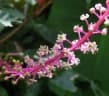
Phytolacca rivinoides
Phytolacca rivinoides
Family: Phytolaccaceae
Cultivation
The plant can flower throughout the year. The plant hybridizes with P. Rugosa in areas where their ranges overlap.
Full cultivation guide →