Nephelium — 14 species
Botanical species in the genus Nephelium recorded in the PlantPeers database.

Nephelium aculeatum
Nephelium aculeatum
Family: Sapindaceae
Cultivation
Species in this genus generally succeed in full sun to partial shade, growing best in a deep, frertile, well-drained soil. Species in this genus are generally dioecious, though monoecious forms are sometimes found. Normally, both male and female forms need to be grown if fruit and seed are reguired'451.
Full cultivation guide →Nephelium chryseum
Nephelium chryseum
Family: Sapindaceae
Cultivation
Succeeds in full sun to partial shade, growing best in a deep, frertile, well-drained soil. Species in this genus are generally dioecious, though monoecious forms are sometimes found. Normally, both male and female forms need to be grown if fruit and seed are reguired'451.
Full cultivation guide →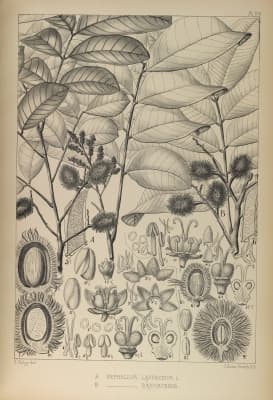
Nephelium cuspidatum
Nephelium cuspidatum
Family: Sapindaceae
Cultivation
A tree of hot, wet, tropical lowlands. Species in this genus generally succeed in full sun to partial shade, growing best in a deep, frertile, well-drained soil. Species in this genus are generally dioecious, though monoecious forms are sometimes found.
Full cultivation guide →Nephelium daedaleum
Nephelium daedaleum
Family: Sapindaceae
Cultivation
A tree of hot, wet, tropical lowlands. Species in this genus generally succeed in full sun to partial shade, growing best in a deep, frertile, well-drained soil. Species in this genus are generally dioecious, though monoecious forms are sometimes found.
Full cultivation guide →Nephelium juglandifolium
Nephelium juglandifolium
Family: Sapindaceae
Cultivation
Species in this genus generally succeed in full sun to partial shade, growing best in a deep, frertile, well-drained soil. Species in this genus are generally dioecious, though monoecious forms are sometimes found. Normally, both male and female forms need to be grown if fruit and seed are reguired'451.
Full cultivation guide →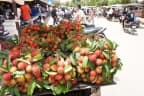
Nephelium lappaceum
Nephelium lappaceum
Family: Sapindaceae
Cultivation
Rambutan grows best in the lowland humid tropics at an elevation below 600 metres, though it can also be grown non-commercially up to 1,950 metres. It grows best in areas where annual daytime temperatures are within the range 21 - 35°c, but can tolerate 10 - 42°c. When dormant, a mature plant mat survive temperatures down to about -1°c, but young growth does not tolerate any frost and will be severely damaged at 4°c.
Full cultivation guide →Nephelium maingayi
Nephelium maingayi
Family: Sapindaceae
Cultivation
Species in this genus generally succeed in full sun to partial shade, growing best in a deep, frertile, well-drained soil. Species in this genus are generally dioecious, though monoecious forms are sometimes found. Normally, both male and female forms need to be grown if fruit and seed are reguired'451.
Full cultivation guide →Nephelium meduseum
Nephelium meduseum
Family: Sapindaceae
Cultivation
Species in this genus generally succeed in full sun to partial shade, growing best in a deep, frertile, well-drained soil. Species in this genus are generally dioecious, though monoecious forms are sometimes found. Normally, both male and female forms need to be grown if fruit and seed are reguired'451.
Full cultivation guide →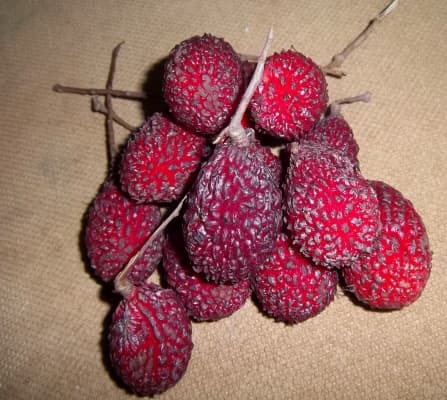
Nephelium melanomiscum
Nephelium melanomiscum
Family: Sapindaceae
Cultivation
Species in this genus generally succeed in full sun to partial shade, growing best in a deep, frertile, well-drained soil. Species in this genus are generally dioecious, though monoecious forms are sometimes found. Normally, both male and female forms need to be grown if fruit and seed are reguired'451.
Full cultivation guide →Nephelium melliferum
Nephelium melliferum
Family: Sapindaceae
Cultivation
Species in this genus generally succeed in full sun to partial shade, growing best in a deep, frertile, well-drained soil. Species in this genus are generally dioecious, though monoecious forms are sometimes found. Normally, both male and female forms need to be grown if fruit and seed are reguired'451.
Full cultivation guide →
Nephelium ramboutan-ake
Nephelium ramboutan-ake
Family: Sapindaceae
Cultivation
Pulasan grows best in the lowland humid tropics at an elevation below 600 metres. It grows best in areas where annual daytime temperatures are within the range 26 - 32°c, but can tolerate 18 - 38°c. The plant cannot tolerate frost.
Full cultivation guide →Nephelium reticulatum
Nephelium reticulatum
Family: Sapindaceae
Cultivation
Species in this genus generally succeed in full sun to partial shade, growing best in a deep, frertile, well-drained soil. Species in this genus are generally dioecious, though monoecious forms are sometimes found. Normally, both male and female forms need to be grown if fruit and seed are reguired'451.
Full cultivation guide →Nephelium topengii
Nephelium topengii
Family: Sapindaceae
Cultivation
Species in this genus generally succeed in full sun to partial shade, growing best in a deep, frertile, well-drained soil. Species in this genus are generally dioecious, though monoecious forms are sometimes found. Normally, both male and female forms need to be grown if fruit and seed are reguired'451.
Full cultivation guide →Nephelium uncinatum
Nephelium uncinatum
Family: Sapindaceae
Cultivation
Species in this genus generally succeed in full sun to partial shade, growing best in a deep, frertile, well-drained soil. Species in this genus are generally dioecious, though monoecious forms are sometimes found. Normally, both male and female forms need to be grown if fruit and seed are reguired'451.
Full cultivation guide →