Myristica — 41 species
Botanical species in the genus Myristica recorded in the PlantPeers database.

Myristica argentea
Myristica argentea
Family: Myristicaceae
Cultivation
Members of this genus are mainly understorey and canopy trees of primary woodland. They need the shade of woodland, especially when young, though can often tolerate more open positions as they grow larger. They usually succeed on a range of soil types.
Full cultivation guide →
Myristica beddomei
Myristica beddomei
Family: Myristicaceae
Cultivation
A plant of the moist, seasonal tropics where it can be found at elevations from 1,000 - 1,500 metres. It is found in an area where the mean annual temperature is around 24°c, with a mean minimum temperature ranging from 14 - 19°c and a maximum temperature ranging from 17 - 28°c. The area experiences a mean annual rainfall that can be in excess of 3,500mm, with two distinct dry seasons.
Full cultivation guide →
Myristica bifurcata
Myristica bifurcata
Family: Myristicaceae
Cultivation
Members of this genus are mainly understorey and canopy trees of primary woodland. They need the shade of woodland, especially when young, though can often tolerate more open positions as they grow larger. They usually succeed on a range of soil types.
Full cultivation guide →
Myristica buchneriana
Myristica buchneriana
Family: Myristicaceae
Cultivation
Members of this genus are mainly understorey and canopy trees of primary woodland. They need the shade of woodland, especially when young, though can often tolerate more open positions as they grow larger. They usually succeed on a range of soil types.
Full cultivation guide →
Myristica castaneifolia
Myristica castaneifolia
Family: Myristicaceae
Cultivation
Members of this genus are mainly understorey and canopy trees of primary woodland. They need the shade of woodland, especially when young, though can often tolerate more open positions as they grow larger. They usually succeed on a range of soil types.
Full cultivation guide →
Myristica cerifera
Myristica cerifera
Family: Myristicaceae
Cultivation
Members of this genus are mainly understorey and canopy trees of primary woodland. They need the shade of woodland, especially when young, though can often tolerate more open positions as they grow larger. They usually succeed on a range of soil types.
Full cultivation guide →
Myristica chartacea
Myristica chartacea
Family: Myristicaceae
Cultivation
Members of this genus are mainly understorey and canopy trees of primary woodland. They need the shade of woodland, especially when young, though can often tolerate more open positions as they grow larger. They usually succeed on a range of soil types.
Full cultivation guide →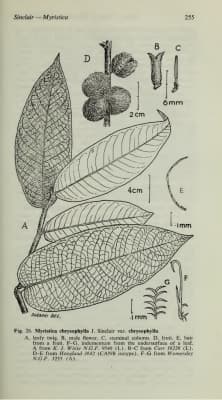
Myristica chrysophylla
Myristica chrysophylla
Family: Myristicaceae
Cultivation
Members of this genus are mainly understorey and canopy trees of primary woodland. They need the shade of woodland, especially when young, though can often tolerate more open positions as they grow larger. They usually succeed on a range of soil types.
Full cultivation guide →
Myristica cinnamomea
Myristica cinnamomea
Family: Myristicaceae
Cultivation
Members of this genus are mainly understorey and canopy trees of primary woodland. They need the shade of woodland, especially when young, though can often tolerate more open positions as they grow larger. They usually succeed on a range of soil types.
Full cultivation guide →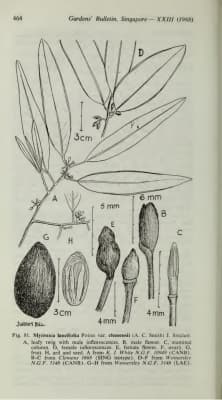
Myristica clemensii
Myristica clemensii
Family: Myristicaceae
Cultivation
Members of this genus are mainly understorey and canopy trees of primary woodland. They need the shade of woodland, especially when young, though can often tolerate more open positions as they grow larger. They usually succeed on a range of soil types.
Full cultivation guide →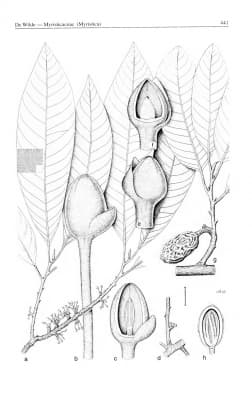
Myristica crassa
Myristica crassa
Family: Myristicaceae
Cultivation
Members of this genus are mainly understorey and canopy trees of primary woodland. They need the shade of woodland, especially when young, though can often tolerate more open positions as they grow larger. They usually succeed on a range of soil types.
Full cultivation guide →
Myristica crassipes
Myristica crassipes
Family: Myristicaceae
Cultivation
Members of this genus are mainly understorey and canopy trees of primary woodland. They need the shade of woodland, especially when young, though can often tolerate more open positions as they grow larger. They usually succeed on a range of soil types.
Full cultivation guide →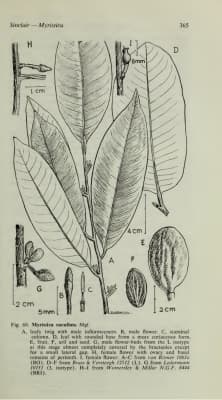
Myristica cucullata
Myristica cucullata
Family: Myristicaceae
Cultivation
Members of this genus are mainly understorey and canopy trees of primary woodland. They need the shade of woodland, especially when young, though can often tolerate more open positions as they grow larger. They usually succeed on a range of soil types.
Full cultivation guide →
Myristica cumingii
Myristica cumingii
Family: Myristicaceae
Cultivation
Members of this genus are mainly understorey and canopy trees of primary woodland. They need the shade of woodland, especially when young, though can often tolerate more open positions as they grow larger. They usually succeed on a range of soil types.
Full cultivation guide →
Myristica dactyloides
Myristica dactyloides
Family: Myristicaceae
Cultivation
Members of this genus are mainly understorey and canopy trees of primary woodland. They need the shade of woodland, especially when young, though can often tolerate more open positions as they grow larger. They usually succeed on a range of soil types.
Full cultivation guide →
Myristica elliptica
Myristica elliptica
Family: Myristicaceae
Cultivation
Members of this genus are mainly understorey and canopy trees of primary woodland. They need the shade of woodland, especially when young, though can often tolerate more open positions as they grow larger. They usually succeed on a range of soil types.
Full cultivation guide →
Myristica fatua
Myristica fatua
Family: Myristicaceae
Cultivation
Members of this genus are mainly understorey and canopy trees of primary woodland. They need the shade of woodland, especially when young, though can often tolerate more open positions as they grow larger. They usually succeed on a range of soil types.
Full cultivation guide →
Myristica fragrans
Myristica fragrans
Family: Myristicaceae
Cultivation
The plant is most suited to growing in the coastal regions of lowland humid tropical areas, though it can also succeed at elevations up to 500 metres. It grows best in areas where annual daytime temperatures are within the range 22 - 34°c, but can tolerate 12 - 38°c. Plants are also very susceptible to frost damage.
Full cultivation guide →
Myristica gigantea
Myristica gigantea
Family: Myristicaceae
Cultivation
Members of this genus are mainly understorey and canopy trees of primary woodland. They need the shade of woodland, especially when young, though can often tolerate more open positions as they grow larger. They usually succeed on a range of soil types.
Full cultivation guide →
Myristica gillespieana
Myristica gillespieana
Family: Myristicaceae
Cultivation
Members of this genus are mainly understorey and canopy trees of primary woodland. They need the shade of woodland, especially when young, though can often tolerate more open positions as they grow larger. They usually succeed on a range of soil types.
Full cultivation guide →
Myristica globosa muelleri
Myristica globosa muelleri
Family: Myristicaceae
Cultivation
Members of this genus are mainly understorey and canopy trees of primary woodland. They need the shade of woodland, especially when young, though can often tolerate more open positions as they grow larger. They usually succeed on a range of soil types.
Full cultivation guide →Myristica guatteriifolia
Myristica guatteriifolia
Family: Myricaceae
Cultivation
Members of this genus are mainly understorey and canopy trees of primary woodland. They need the shade of woodland, especially when young, though can often tolerate more open positions as they grow larger. They usually succeed on a range of soil types.
Full cultivation guide →
Myristica hollrungii
Myristica hollrungii
Family: Myristicaceae
Cultivation
Members of this genus are mainly understorey and canopy trees of primary woodland. They need the shade of woodland, especially when young, though can often tolerate more open positions as they grow larger. They usually succeed on a range of soil types.
Full cultivation guide →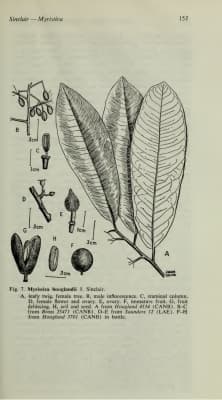
Myristica hooglandii
Myristica hooglandii
Family: Myristicaceae
Cultivation
Members of this genus are mainly understorey and canopy trees of primary woodland. They need the shade of woodland, especially when young, though can often tolerate more open positions as they grow larger. They usually succeed on a range of soil types.
Full cultivation guide →
Myristica iners
Myristica iners
Family: Myristicaceae
Cultivation
Members of this genus are mainly understorey and canopy trees of primary woodland. They need the shade of woodland, especially when young, though can often tolerate more open positions as they grow larger. They usually succeed on a range of soil types, with this species being found in the wild on clay to sandy soils.
Full cultivation guide →
Myristica insipida
Myristica insipida
Family: Myristicaceae
Cultivation
Members of this genus are mainly understorey and canopy trees of primary woodland. They need the shade of woodland, especially when young, though can often tolerate more open positions as they grow larger. They usually succeed on a range of soil types.
Full cultivation guide →
Myristica inutilis
Myristica inutilis
Family: Myristicaceae
Cultivation
Members of this genus are mainly understorey and canopy trees of primary woodland. They need the shade of woodland, especially when young, though can often tolerate more open positions as they grow larger. They usually succeed on a range of soil types.
Full cultivation guide →
Myristica kajewskii
Myristica kajewskii
Family: Myristicaceae
Cultivation
Members of this genus are mainly understorey and canopy trees of primary woodland. They need the shade of woodland, especially when young, though can often tolerate more open positions as they grow larger. They usually succeed on a range of soil types.
Full cultivation guide →
Myristica longipes
Myristica longipes
Family: Myristicaceae
Cultivation
Members of this genus are mainly understorey and canopy trees of primary woodland. They need the shade of woodland, especially when young, though can often tolerate more open positions as they grow larger. They usually succeed on a range of soil types.
Full cultivation guide →
Myristica lowiana
Myristica lowiana
Family: Myristicaceae
Cultivation
Members of this genus are mainly understorey and canopy trees of primary woodland. They need the shade of woodland, especially when young, though can often tolerate more open positions as they grow larger. They usually succeed on a range of soil types.
Full cultivation guide →
Myristica macrantha
Myristica macrantha
Family: Myristicaceae
Cultivation
Members of this genus are mainly understorey and canopy trees of primary woodland. They need the shade of woodland, especially when young, though can often tolerate more open positions as they grow larger. They usually succeed on a range of soil types.
Full cultivation guide →
Myristica malabarica
Myristica malabarica
Family: Myristicaceae
Cultivation
Members of this genus are mainly understorey and canopy trees of primary woodland. They need the shade of woodland, especially when young, though can often tolerate more open positions as they grow larger. They usually succeed on a range of soil types.
Full cultivation guide →
Myristica markgraviana
Myristica markgraviana
Family: Myristicaceae
Cultivation
Members of this genus are mainly understorey and canopy trees of primary woodland. They need the shade of woodland, especially when young, though can often tolerate more open positions as they grow larger. They usually succeed on a range of soil types.
Full cultivation guide →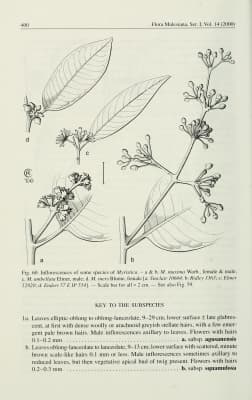
Myristica maxima
Myristica maxima
Family: Myristicaceae
Cultivation
Members of this genus are mainly understorey and canopy trees of primary woodland. They need the shade of woodland, especially when young, though can often tolerate more open positions as they grow larger. They usually succeed on a range of soil types.
Full cultivation guide →Myristica pseudoargentea
Myristica pseudoargentea
Family: Myristicaceae
Cultivation
Members of this genus are mainly understorey and canopy trees of primary woodland. They need the shade of woodland, especially when young, though can often tolerate more open positions as they grow larger. They usually succeed on a range of soil types.
Full cultivation guide →
Myristica schleinitzii
Myristica schleinitzii
Family: Myristicaceae
Cultivation
Members of this genus are mainly understorey and canopy trees of primary woodland. They need the shade of woodland, especially when young, though can often tolerate more open positions as they grow larger. They usually succeed on a range of soil types.
Full cultivation guide →
Myristica simiarum
Myristica simiarum
Family: Myristicaceae
Cultivation
Members of this genus are mainly understorey and canopy trees of primary woodland. They need the shade of woodland, especially when young, though can often tolerate more open positions as they grow larger. They usually succeed on a range of soil types.
Full cultivation guide →
Myristica sphaerosperma
Myristica sphaerosperma
Family: Myristicaceae
Cultivation
Members of this genus are mainly understorey and canopy trees of primary woodland. They need the shade of woodland, especially when young, though can often tolerate more open positions as they grow larger. They usually succeed on a range of soil types.
Full cultivation guide →
Myristica succedanea
Myristica succedanea
Family: Myristicaceae
Cultivation
Members of this genus are mainly understorey and canopy trees of primary woodland. They need the shade of woodland, especially when young, though can often tolerate more open positions as they grow larger. They usually succeed on a range of soil types.
Full cultivation guide →
Myristica sulcata
Myristica sulcata
Family: Myristicaceae
Cultivation
Members of this genus are mainly understorey and canopy trees of primary woodland. They need the shade of woodland, especially when young, though can often tolerate more open positions as they grow larger. They usually succeed on a range of soil types.
Full cultivation guide →
Myristica womersleyi
Myristica womersleyi
Family: Myristicaceae
Cultivation
Members of this genus are mainly understorey and canopy trees of primary woodland. They need the shade of woodland, especially when young, though can often tolerate more open positions as they grow larger. They usually succeed on a range of soil types.
Full cultivation guide →