Inga — 57 species
Botanical species in the genus Inga recorded in the PlantPeers database.

Inga acrocephala
Inga acrocephala
Family: Fabaceae
Cultivation
Prefers a position in partial shade. Grows in the wild in clayey soils. This species has a symbiotic relationship with certain soil bacteria, these bacteria form nodules on the roots and fix atmospheric nitrogen.
Full cultivation guide →
Inga acuminata
Inga acuminata
Family: Fabaceae
Cultivation
This species has a symbiotic relationship with certain soil bacteria, these bacteria form nodules on the roots and fix atmospheric nitrogen. Some of this nitrogen is utilized by the growing plant but some can also be used by other plants growing nearby.
Full cultivation guide →
Inga adenophylla
Inga adenophylla
Family: Fabaceae
Cultivation
This species has a symbiotic relationship with certain soil bacteria, these bacteria form nodules on the roots and fix atmospheric nitrogen. Some of this nitrogen is utilized by the growing plant but some can also be used by other plants growing nearby.
Full cultivation guide →Inga alata
Inga alata
Family: Fabaceae
Cultivation
This species has a symbiotic relationship with certain soil bacteria, these bacteria form nodules on the roots and fix atmospheric nitrogen. Some of this nitrogen is utilized by the growing plant but some can also be used by other plants growing nearby.
Full cultivation guide →
Inga alba
Inga alba
Family: Fabaceae
Cultivation
There are conflicting reports on whether or not this tree has a symbiotic relationship with certain soil bacteria, so it is unclear as to whether this tree fixes atmospheric nitrogen.
Full cultivation guide →Inga barbourii
Inga barbourii
Family: Fabaceae
Cultivation
This species does not flower regularly each year, and individual trees are sometimes flowerless for several years in a row. This species has a symbiotic relationship with certain soil bacteria, these bacteria form nodules on the roots and fix atmospheric nitrogen. Some of this nitrogen is utilized by the growing plant but some can also be used by other plants growing nearby.
Full cultivation guide →
Inga bourgonii
Inga bourgonii
Family: Fabaceae
Cultivation
This species has a symbiotic relationship with certain soil bacteria, these bacteria form nodules on the roots and fix atmospheric nitrogen. Some of this nitrogen is utilized by the growing plant but some can also be used by other plants growing nearby.
Full cultivation guide →Inga calderonii
Inga calderonii
Family: Fabaceae
Cultivation
This species has a symbiotic relationship with certain soil bacteria, these bacteria form nodules on the roots and fix atmospheric nitrogen. Some of this nitrogen is utilized by the growing plant but some can also be used by other plants growing nearby.
Full cultivation guide →
Inga capitata
Inga capitata
Family: Fabaceae
Cultivation
Prefers a sunny position. Plants can withstand seasonal inundation of the soil. A fast-growing plant.
Full cultivation guide →
Inga chocoensis
Inga chocoensis
Family: Fabaceae
Cultivation
A plant of low elevations in the hot, humid tropics. This species has a symbiotic relationship with certain soil bacteria, these bacteria form nodules on the roots and fix atmospheric nitrogen. Some of this nitrogen is utilized by the growing plant but some can also be used by other plants growing nearby.
Full cultivation guide →
Inga cinnamomea
Inga cinnamomea
Family: Fabaceae
Cultivation
Grows best in a sunny position. Plants can withstand periodic inundation of the soil. A fast-growing tree.
Full cultivation guide →
Inga cocleensis
Inga cocleensis
Family: Fabaceae
Cultivation
A fast-growing tree. The plant can flower and fruit over most of the year. This species has a symbiotic relationship with certain soil bacteria, these bacteria form nodules on the roots and fix atmospheric nitrogen.
Full cultivation guide →Inga cylindrica
Inga cylindrica
Family: Fabaceae
Cultivation
Succeeds in a sunny position. The plant grows in humus-rich, fertile soils in the wild. Tolerates seasonal inundation of the soil.
Full cultivation guide →Inga davidsei
Inga davidsei
Family: Fabaceae
Cultivation
This species has a symbiotic relationship with certain soil bacteria, these bacteria form nodules on the roots and fix atmospheric nitrogen. Some of this nitrogen is utilized by the growing plant but some can also be used by other plants growing nearby.
Full cultivation guide →
Inga densiflora
Inga densiflora
Family: Fabaceae
Cultivation
Although many species within the family Fabaceae have a symbiotic relationship with soil bacteria, this species is said to be devoid of such a relationship and therefore does not fix atmospheric nitrogen.
Full cultivation guide →Inga disticha
Inga disticha
Family: Fabaceae
Cultivation
This species has a symbiotic relationship with certain soil bacteria, these bacteria form nodules on the roots and fix atmospheric nitrogen. Some of this nitrogen is utilized by the growing plant but some can also be used by other plants growing nearby.
Full cultivation guide →
Inga edulis
Inga edulis
Family: Fabaceae
Cultivation
A plant of the hot, humid, lowland tropics, where it can also be found at elevations up to 2,200 metres. It grows best in areas where annual daytime temperatures are within the range 23 - 30°c, but can tolerate 18 - 35°c. Mature plants can be killed by temperatures of -2°c or lower, whilst new growth is damaged at 0°c.
Full cultivation guide →
Inga fastuosa
Inga fastuosa
Family: Fabaceae
Cultivation
A tree of the lowland tropical rainforests. It often forms part of the canopy trees. This species has a symbiotic relationship with certain soil bacteria, these bacteria form nodules on the roots and fix atmospheric nitrogen.
Full cultivation guide →
Inga feuilleei
Inga feuilleei
Family: Fabaceae
Cultivation
A plant of the hot, humid, lowland tropics, where it can also be found at elevations up to 1,800 metres. It grows best in areas where annual daytime temperatures are within the range 22 - 28°c, but can tolerate 18 - 33°c. It prefers a mean annual rainfall in the range 1,500 - 2,700mm, but tolerates 1,000 - 3,000mm.
Full cultivation guide →
Inga goldmanii
Inga goldmanii
Family: Fabaceae
Cultivation
A tree of the lowland tropical rainforests. It often forms part of the canopy trees. This species has a symbiotic relationship with certain soil bacteria, these bacteria form nodules on the roots and fix atmospheric nitrogen.
Full cultivation guide →Inga gracilifolia
Inga gracilifolia
Family: Fabaceae
Cultivation
This species has a symbiotic relationship with certain soil bacteria, these bacteria form nodules on the roots and fix atmospheric nitrogen. Some of this nitrogen is utilized by the growing plant but some can also be used by other plants growing nearby.
Full cultivation guide →
Inga heterophylla
Inga heterophylla
Family: Fabaceae
Cultivation
This species has a symbiotic relationship with certain soil bacteria, these bacteria form nodules on the roots and fix atmospheric nitrogen. Some of this nitrogen is utilized by the growing plant but some can also be used by other plants growing nearby.
Full cultivation guide →Inga ilta
Inga ilta
Family: Fabaceae
Cultivation
This species has a symbiotic relationship with certain soil bacteria, these bacteria form nodules on the roots and fix atmospheric nitrogen. Some of this nitrogen is utilized by the growing plant but some can also be used by other plants growing nearby.
Full cultivation guide →
Inga ingoides
Inga ingoides
Family: Fabaceae
Cultivation
This species has a symbiotic relationship with certain soil bacteria, these bacteria form nodules on the roots and fix atmospheric nitrogen. Some of this nitrogen is utilized by the growing plant but some can also be used by other plants growing nearby.
Full cultivation guide →Inga insignis
Inga insignis
Family: Fabaceae
Cultivation
This species has a symbiotic relationship with certain soil bacteria, these bacteria form nodules on the roots and fix atmospheric nitrogen. Some of this nitrogen is utilized by the growing plant but some can also be used by other plants growing nearby.
Full cultivation guide →Inga jaunechensis
Inga jaunechensis
Family: Fabaceae
Cultivation
This species has a symbiotic relationship with certain soil bacteria, these bacteria form nodules on the roots and fix atmospheric nitrogen. Some of this nitrogen is utilized by the growing plant but some can also be used by other plants growing nearby.
Full cultivation guide →Inga jinicuil
Inga jinicuil
Family: Fabaceae
Cultivation
A plant for the lowland moist tropics. Prefers a position in full sun in a fertile, well-drained soil. Requires a position sheltered from strong winds.
Full cultivation guide →Inga lateriflora
Inga lateriflora
Family: Fabaceae
Cultivation
This species has a symbiotic relationship with certain soil bacteria, these bacteria form nodules on the roots and fix atmospheric nitrogen. Some of this nitrogen is utilized by the growing plant but some can also be used by other plants growing nearby.
Full cultivation guide →
Inga laurina
Inga laurina
Family: Fabaceae
Cultivation
A plant of the hot, wet, tropical lowlands. It can also be found at higher elevations, and is one of the few members of this genus that will grow well in rather dry climates. Prefers a sunny position.
Full cultivation guide →
Inga leiocalycina
Inga leiocalycina
Family: Fabaceae
Cultivation
This species has a symbiotic relationship with certain soil bacteria, these bacteria form nodules on the roots and fix atmospheric nitrogen. Some of this nitrogen is utilized by the growing plant but some can also be used by other plants growing nearby.
Full cultivation guide →Inga macrophylla
Inga macrophylla
Family: Fabaceae
Cultivation
A plant of the moist, humid tropics. Succeeds in full sun and in light shade. Grows best in a moist, fertile, well-drained soil.
Full cultivation guide →
Inga marginata
Inga marginata
Family: Fabaceae
Cultivation
Succeeds in a variety of habitats, elevations and climates from the subtropics to the tropics. Prefers a sunny position, though it is sometimes found in deeper shade. A fast-growing species.
Full cultivation guide →Inga micheliana
Inga micheliana
Family: Fabaceae
Cultivation
Tolerant of a range of soil conditions, including limestone. This species has a symbiotic relationship with certain soil bacteria, these bacteria form nodules on the roots and fix atmospheric nitrogen. Some of this nitrogen is utilized by the growing plant but some can also be used by other plants growing nearby.
Full cultivation guide →
Inga mucuna
Inga mucuna
Family: Fabaceae
Cultivation
A tree of the lowland, moist tropics. This species has a symbiotic relationship with certain soil bacteria, these bacteria form nodules on the roots and fix atmospheric nitrogen. Some of this nitrogen is utilized by the growing plant but some can also be used by other plants growing nearby.
Full cultivation guide →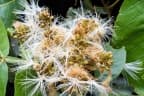
Inga oerstediana
Inga oerstediana
Family: Fabaceae
Cultivation
A plant of hot, humid, lowland areas in the tropics. This species has a symbiotic relationship with certain soil bacteria, these bacteria form nodules on the roots and fix atmospheric nitrogen. Some of this nitrogen is utilized by the growing plant but some can also be used by other plants growing nearby.
Full cultivation guide →
Inga paterno
Inga paterno
Family: Fabaceae
Cultivation
A tree of tropical climates, succeeding in wet to rather dry areas. Tolerant of a range of soil conditions, including limestone. This species has a symbiotic relationship with certain soil bacteria, these bacteria form nodules on the roots and fix atmospheric nitrogen.
Full cultivation guide →
Inga pezizifera
Inga pezizifera
Family: Fabaceae
Cultivation
This species has a symbiotic relationship with certain soil bacteria, these bacteria form nodules on the roots and fix atmospheric nitrogen. Some of this nitrogen is utilized by the growing plant but some can also be used by other plants growing nearby.
Full cultivation guide →
Inga pilosula
Inga pilosula
Family: Fabaceae
Cultivation
This species has a symbiotic relationship with certain soil bacteria, these bacteria form nodules on the roots and fix atmospheric nitrogen. Some of this nitrogen is utilized by the growing plant but some can also be used by other plants growing nearby.
Full cultivation guide →
Inga punctata
Inga punctata
Family: Fabaceae
Cultivation
A tree of low to medium elevations in moist tropical areas. This species has a symbiotic relationship with certain soil bacteria, these bacteria form nodules on the roots and fix atmospheric nitrogen. Some of this nitrogen is utilized by the growing plant but some can also be used by other plants growing nearby.
Full cultivation guide →Inga quaternata
Inga quaternata
Family: Fabaceae
Cultivation
A fast-growing tree, it can reach a height of 7.5 metres within 5 years from seed. The plant can flower and fruit irregularly throughout the year. This species has a symbiotic relationship with certain soil bacteria, these bacteria form nodules on the roots and fix atmospheric nitrogen.
Full cultivation guide →
Inga rubiginosa
Inga rubiginosa
Family: Fabaceae
Cultivation
This species has a symbiotic relationship with certain soil bacteria, these bacteria form nodules on the roots and fix atmospheric nitrogen. Some of this nitrogen is utilized by the growing plant but some can also be used by other plants growing nearby.
Full cultivation guide →
Inga ruiziana
Inga ruiziana
Family: Fabaceae
Cultivation
A tree of the lowland moist tropics. This species has a symbiotic relationship with certain soil bacteria, these bacteria form nodules on the roots and fix atmospheric nitrogen. Some of this nitrogen is utilized by the growing plant but some can also be used by other plants growing nearby.
Full cultivation guide →
Inga saltensis
Inga saltensis
Family: Fabaceae
Cultivation
This species has a symbiotic relationship with certain soil bacteria, these bacteria form nodules on the roots and fix atmospheric nitrogen. Some of this nitrogen is utilized by the growing plant but some can also be used by other plants growing nearby.
Full cultivation guide →
Inga sapindoides
Inga sapindoides
Family: Fabaceae
Cultivation
A plant of the moist tropics, where it is found at low elevations. There are conflicting reports on whether or not this tree has a symbiotic relationship with certain soil bacteria, so it is unclear as to whether this tree fixes atmospheric nitrogen.
Full cultivation guide →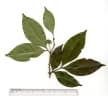
Inga sertulifera
Inga sertulifera
Family: Fabaceae
Cultivation
A plant of the moist to wet tropics. This species has a symbiotic relationship with certain soil bacteria, these bacteria form nodules on the roots and fix atmospheric nitrogen. Some of this nitrogen is utilized by the growing plant but some can also be used by other plants growing nearby.
Full cultivation guide →
Inga sessilis
Inga sessilis
Family: Fabaceae
Cultivation
Grows well in full sun and also in dappled shade. Prefers a moist soil and can withstand seasonal inundation of the soil. A fast-growing species, newly planted young trees can easily reach heights of 2.5 metres or more within 2 years.
Full cultivation guide →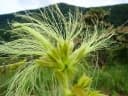
Inga setosa
Inga setosa
Family: Fabaceae
Cultivation
This species has a symbiotic relationship with certain soil bacteria, these bacteria form nodules on the roots and fix atmospheric nitrogen. Some of this nitrogen is utilized by the growing plant but some can also be used by other plants growing nearby.
Full cultivation guide →
Inga spectabilis
Inga spectabilis
Family: Fabaceae
Cultivation
Tolerant of a range of soil conditions, including limestone. The tree normally has one distinctive flowering and fruiting season, though it also usually flowers and fruits less freely throughout the rest of the year. This species has a symbiotic relationship with certain soil bacteria, these bacteria form nodules on the roots and fix atmospheric nitrogen.
Full cultivation guide →
Inga stipularis
Inga stipularis
Family: Fabaceae
Cultivation
This species has a symbiotic relationship with certain soil bacteria, these bacteria form nodules on the roots and fix atmospheric nitrogen. Some of this nitrogen is utilized by the growing plant but some can also be used by other plants growing nearby.
Full cultivation guide →Inga striata
Inga striata
Family: Fabaceae
Cultivation
This species has a symbiotic relationship with certain soil bacteria, these bacteria form nodules on the roots and fix atmospheric nitrogen. Some of this nitrogen is utilized by the growing plant but some can also be used by other plants growing nearby.
Full cultivation guide →
Inga thibaudiana
Inga thibaudiana
Family: Fabaceae
Cultivation
A tree of the hot, wet tropics. A fast-growing species. There are conflicting reports on whether or not this tree has a symbiotic relationship with certain soil bacteria, so it is unclear as to whether this tree fixes atmospheric nitrogen.
Full cultivation guide →
Inga umbellifera
Inga umbellifera
Family: Fabaceae
Cultivation
A plant of the hot, moist tropics. The plant has a main flowering and fruiting season, but also produces some flowers and fruits throughout the year. There are conflicting reports on whether or not this tree has a symbiotic relationship with certain soil bacteria, so it is unclear as to whether this tree fixes atmospheric nitrogen.
Full cultivation guide →Inga ursi
Inga ursi
Family: Fabaceae
Cultivation
This species has a symbiotic relationship with certain soil bacteria, these bacteria form nodules on the roots and fix atmospheric nitrogen. Some of this nitrogen is utilized by the growing plant but some can also be used by other plants growing nearby.
Full cultivation guide →Inga velutina
Inga velutina
Family: Fabaceae
Cultivation
This species has a symbiotic relationship with certain soil bacteria, these bacteria form nodules on the roots and fix atmospheric nitrogen. Some of this nitrogen is utilized by the growing plant but some can also be used by other plants growing nearby.
Full cultivation guide →
Inga venusta
Inga venusta
Family: Fabaceae
Cultivation
This species has a symbiotic relationship with certain soil bacteria, these bacteria form nodules on the roots and fix atmospheric nitrogen. Some of this nitrogen is utilized by the growing plant but some can also be used by other plants growing nearby.
Full cultivation guide →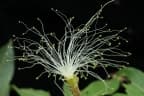
Inga vera
Inga vera
Family: Fabaceae
Cultivation
A plant of the humid, lowland tropics, where it is found at elevations up to 1,000 metres. It grows best in areas where annual daytime temperatures are within the range 18 - 28°c, but can tolerate 15 - 35°c. It prefers a mean annual rainfall in the range 1,500 - 3,000mm, but tolerates 1,200 - 4,000mm.
Full cultivation guide →
Inga vulpina
Inga vulpina
Family: Fabaceae
Cultivation
This species has a symbiotic relationship with certain soil bacteria, these bacteria form nodules on the roots and fix atmospheric nitrogen. Some of this nitrogen is utilized by the growing plant but some can also be used by other plants growing nearby.
Full cultivation guide →