Cyperus — 67 species
Botanical species in the genus Cyperus recorded in the PlantPeers database.
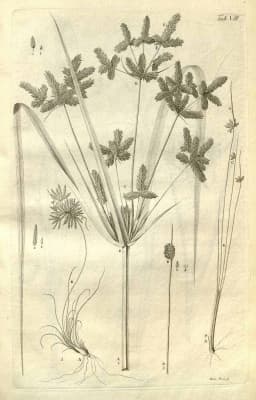

Cyperus alternifolius
Cyperus alternifolius
Family: Cyperaceae
Cultivation
Leaf-blades are absent on the plant, or theuppermost sheath of the stem has a 1 - 8cm long somewhat leafy limb. The function of the leaves has been taken over by the leafy involucral bracts.
Full cultivation guide →
Cyperus articulatus
Cyperus articulatus
Family: Cyperaceae
Cultivation
Cyperus articulatus grows naturally from the warm temperate zone through to the tropics. Probably requires a moist to wet soil. Plants are sometimes found growing in stagnant or slowly flowing water and also in sites with alternatively fresh and saline water.
Full cultivation guide →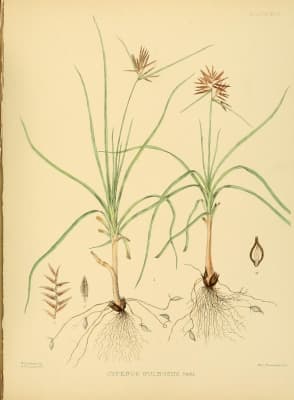
Cyperus camphoratus
Cyperus camphoratus
Family: Cyperaceae
Cultivation
Cyperus camphoratus is adapted to a wide range of habitats and environmental conditions, being found from the subtropics to the tropics.
Full cultivation guide →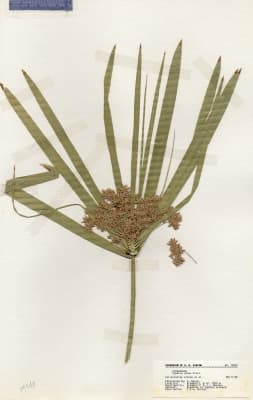

Cyperus chordorrhizus
Cyperus chordorrhizus
Family: Cyperaceae
Cultivation
Cyperus chordorrhizus is a native to the semi-arid coastal regions of tropical northeastern Africa where it is always found near the coast.
Full cultivation guide →Cyperus compressus
Cyperus compressus
Family: Cyperaceae
Cultivation
Cyperus compressus is native through most of the tropics, extending into subtropical regions in regions such as N. America and eastern Asia. This plant forms stands in moist or wet sites.
Full cultivation guide →Cyperus conglomeratus
Cyperus conglomeratus
Family: Cyperaceae
Cultivation
Cyperus conglomeratus is a plant of dry, hot regions in tropical and subtropical Africa and western Asia Established plants are very drought tolerant.
Full cultivation guide →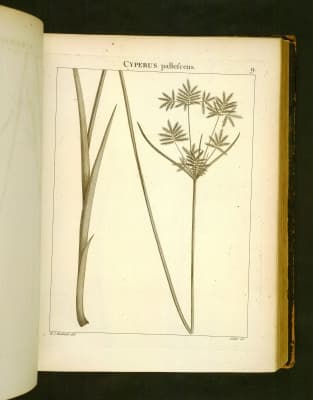

Cyperus cyperoides
Cyperus cyperoides
Family: Cyperaceae
Cultivation
Cyperus cyperoides is a variable, widespread and very adaptable species that occurs nearly throughout the tropical and warm-temperate regions of Africa and Eurasia to Australia, it has also become naturalized in parts of the Pacific and the Americas. It can be found at a wide range of elevations, usually below 1,800 metres, but sometimes ascending to more than 3,000 metres. The plant is often a common weed in gardens.
Full cultivation guide →
Cyperus diffusus
Cyperus diffusus
Family: Cyperaceae
Cultivation
The plant prefers a position in full sun, but can tolerate some shade. The plant is often found growing in deep shade in the wild. Grows best in a moist to boggy soil, often found in the wild with its roots submerged in water.
Full cultivation guide →Cyperus digitatus
Cyperus digitatus
Family: Cyperaceae
Cultivation
The plant is reported to be an invasive weed of rice paddies in some areas.
Full cultivation guide →Cyperus dilatatus
Cyperus dilatatus
Family: Cyperaceae

Cyperus distans
Cyperus distans
Family: Cyperaceae
Cultivation
Cyperus distans is a widespread and adaptable plant of subtropical to tropical areas. Prefers a moist sandy loam. The plant is considered to be invasive in Fiji.
Full cultivation guide →
Cyperus esculentus
Cyperus esculentus
Family: Cyperaceae
Cultivation
Cyperus esculentus is native to the subtropical and tropical zones, extending into the temperate zone in some regions, especially N. America. In the tropics it is found at elevations up to 2,000 metres, but is found at much lower elevations in cooler climates.
Full cultivation guide →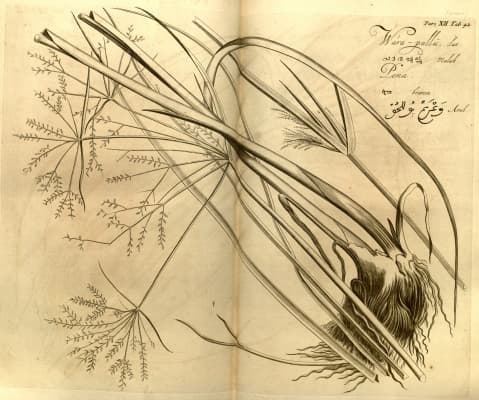
Cyperus fendlerianus
Cyperus fendlerianus
Family: Cyperaceae
Cultivation
Prefers a moist sandy loam in a sunny position. Hybridization between Cyperus fendlerianus and Cyperus sphaerolepis occurs occasionally in the southwestern United States and northern Mexico.
Full cultivation guide →
Cyperus fulgens
Cyperus fulgens
Family: Cyperaceae
Cultivation
Unlike most other members of this genus, this species does not require a moist to wet soil.
Full cultivation guide →

Cyperus haspan
Cyperus haspan
Family: Cyperaceae
Cultivation
The plant grows in the wild in seasonally and permanently wet grassland, as well as on thin wet soil over rock and in ditches. A common weed in much of the tropics and subtropics. Plants often flower in their first year from seed.
Full cultivation guide →
Cyperus imbricatus
Cyperus imbricatus
Family: Cyperaceae
Cultivation
The plant is found in the wild in seasonally flooded areas, margins of ponds, ditches, swamps, river banks, mostly on sandy soil and muddy places. The plant can become a weed in ricefields.
Full cultivation guide →
Cyperus iria
Cyperus iria
Family: Cyperaceae
Cultivation
The plant has spread widely through the tropics and subtropics, being recognized in many areas as a weed of open, wet places, rice fields and other cultivated ground.
Full cultivation guide →Cyperus latifolius
Cyperus latifolius
Family: Cyperaceae
Cultivation
In some habitats the leaves can be harvested at intervals all year round. Once the stems have been cut for the first time, the new leaves are finer than the original ones.
Full cultivation guide →
Cyperus ligularis
Cyperus ligularis
Family: Cyperaceae
Cultivation
Cyperus ligularis is not tolerant of prolonged cold temperatures. Readily identified by its robust caespitose habit and greyish-green foliage.
Full cultivation guide →Cyperus longus
Cyperus longus
Family: Cyperaceae
Cultivation
Cyperus longus has a wide distribution from the temperate regions of western and southern Europe to the tropics of Africa. It has been reported to withstand temperatures down to around -15°c. Prefers a moist sandy loam.
Full cultivation guide →

Cyperus odoratus
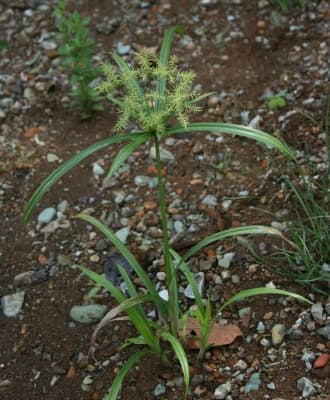
Cyperus odoratus
Family: Cyperaceae
Cultivation
The plant can become a weed of waste places and rice fields. The bulbous rhizome has a strong, spicy smell.
Full cultivation guide →

Cyperus papyrus
Cyperus papyrus
Family: Cyperaceae
Cultivation
Cyperus papyrus is a plant of the subtropics to the tropics. It can tolerate a mean annual precipitation in the range 100 - 4,200mm, and a mean annual temperatures of 20 - 30°c. Succeeds in full sun and in partial shade.
Full cultivation guide →Cyperus pectinatus
Cyperus pectinatus
Family: Cyperaceae
Cultivation
This species is closely related to Cyperus colymbetes. Both species have nutlets surrounded by corky tissue to make them long-floating. The culms of Cyperus pectinatus however are higher in number and much more slender than those of Cyperus colymbetes, and are rounded to trigonous, whilst those of Corylus colymbetes are almost winged.
Full cultivation guide →

Cyperus pilosus
Cyperus pilosus
Family: Cyperaceae
Cultivation
The plant is sometimes a troublesome weed of cultivation, especially in rice fields, and needs to be removed manually
Full cultivation guide →
Cyperus prolixus
Cyperus prolixus
Family: Cyperaceae
Cultivation
The plant is sometimes cultivated for medicinal purposes in home gardens.
Full cultivation guide →
Cyperus rotundus
Cyperus rotundus
Family: Cyperaceae
Cultivation
Widespread from the warm temperate zone to the tropics, where it is found at elevations up to 800 metres. It grows best in areas where annual daytime temperatures are within the range 24 - 32°c, but can tolerate 10 - 45°c. It can be killed by temperatures of -5°c or lower.
Full cultivation guide →Cyperus schweinitzii
Cyperus schweinitzii
Family: Cyperaceae
Cultivation
We have very little information on this species and do not know if it will be hardy in Britain, though judging by its native range it should succeed outdoors in many parts of this country. The following notes are based on the general needs of the genus. Prefers a moist sandy loam in a sunny position.
Full cultivation guide →Cyperus squarrosus
Cyperus squarrosus
Family: Cyperaceae
Cultivation
Prefers a moist sandy loam. The dried plant is fragrant. The plant has a strong aroma of Aloe tincture.
Full cultivation guide →
Cyperus ustulatus
Cyperus ustulatus
Family: Cyperaceae
Cultivation
Cyperus ustulatus is native to the warm temperate climate of New Zealand. It can tolerate some frost and it is said that at least some of its forms may be hardy in temperate climates such as Britain. Prefers a moist sandy loam.
Full cultivation guide →Cyperus vaginatus
Cyperus vaginatus
Family: Cyperaceae
Cultivation
A plant mainly of the subtropics, moving into the tropics in the north of its range. The plant is highly productive and isavailable by the thousands of tons, growing as it does on periodically flooded river flats, swampy depressions, and other moist localities where a continued harvest of the leaves and culms cannot possibly exhaust the soil.
Full cultivation guide →