Canarium — 43 species
Botanical species in the genus Canarium recorded in the PlantPeers database.
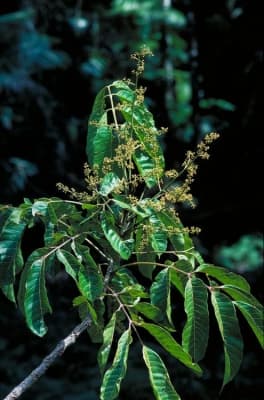
Canarium acutifolium
Canarium acutifolium
Family: Burseraceae
Cultivation
A dioecious species, both male and female forms need to be grown if fruit and seed are required.
Full cultivation guide →
Canarium album
Canarium album
Family: Burseraceae
Cultivation
Canarium album is native to the subtropical and tropical regions of southern China and Vietnams, and is also cultivated in subtropical and cool tropical climates. It will only succeed outdoors in the mildest regions of the temperate zone. Grows best in a sunny position.
Full cultivation guide →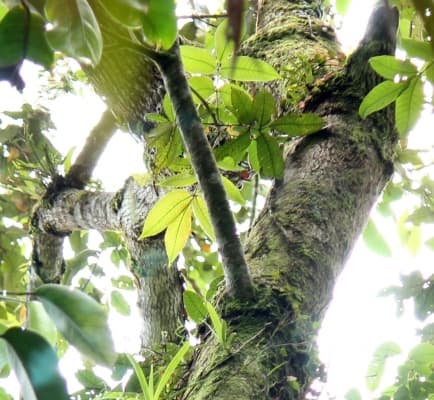
Canarium asperum
Canarium asperum
Family: Burseraceae
Cultivation
A very variable species, as can be seen from the wealth of synonyms. A dioecious species, both male and female forms need to be grown if fruit and seed are required.
Full cultivation guide →
Canarium australasicum
Canarium australasicum
Family: Burseraceae
Cultivation
The freshly cut bark exudes a strong mango (Mangifera indica) odour and a small amount of a clear or slightly milky exudate. A dioecious species, both male and female forms need to be grown if fruit and seed are required.
Full cultivation guide →
Canarium australianum
Canarium australianum
Family: Burseraceae
Cultivation
A plant of low elevations in the moist tropics, growing in areas with all year rainfall or with a short dry season. It does not tolerate frost. Grows best in an open, sunny position.
Full cultivation guide →
Canarium balsamiferum
Canarium balsamiferum
Family: Burseraceae
Cultivation
A dioecious species, both male and female forms need to be grown if fruit and seed are required.
Full cultivation guide →
Canarium bengalense
Canarium bengalense
Family: Burseraceae
Cultivation
A dioecious species, both male and female forms need to be grown if fruit and seed are required.
Full cultivation guide →
Canarium decumanum
Canarium decumanum
Family: Burseraceae
Cultivation
A dioecious species, both male and female forms need to be grown if fruit and seed are required.
Full cultivation guide →
Canarium denticulatum
Canarium denticulatum
Family: Burseraceae
Cultivation
A dioecious species, both male and female forms need to be grown if fruit and seed are required.
Full cultivation guide →
Canarium dichotomum
Canarium dichotomum
Family: Burseraceae
Cultivation
A dioecious species, both male and female forms need to be grown if fruit and seed are required.
Full cultivation guide →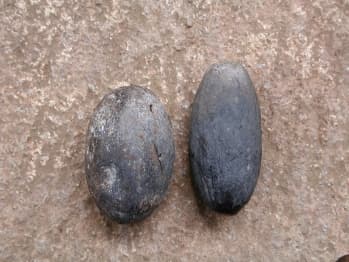
Canarium euphyllum
Canarium euphyllum
Family: Burseraceae
Cultivation
A dioecious species, both male and female forms need to be grown if fruit and seed are required.
Full cultivation guide →Canarium euryphyllum
Canarium euryphyllum
Family: Burseraceae
Cultivation
A dioecious species, both male and female forms need to be grown if fruit and seed are required.
Full cultivation guide →
Canarium harveyi
Canarium harveyi
Family: Burseraceae
Cultivation
A plant of the lowland, subhumid to humid tropics where temperatures are very warm to hot throughout the year. The mean annual temperature is around 23 - 28°c. The absolute minimum temperature experienced is 8 - 19°c.
Full cultivation guide →
Canarium hirsutum
Canarium hirsutum
Family: Burseraceae
Cultivation
A dioecious species, both male and female forms need to be grown if fruit and seed are required.
Full cultivation guide →
Canarium indicum
Canarium indicum
Family: Burseraceae
Cultivation
Canarium indicum is a plant of the lowland, subhumid to humid tropics, found at elevations from sea level to about 600 metres. It experiences very warm temperatures throughout the year with a mean annual temperature of 25 - 28°c; and an annual rainfall in the range of 1,800 - 4,000 mm. Plants are usually found in areas where the dry season is less than 2 months, but they can tolerate up to 4 months dry season.
Full cultivation guide →Canarium kaniense
Canarium kaniense
Family: Burseraceae
Cultivation
A dioecious species, both male and female forms need to be grown if fruit and seed are required.
Full cultivation guide →
Canarium lamii
Canarium lamii
Family: Burseraceae
Cultivation
A dioecious species, both male and female forms need to be grown if fruit and seed are required.
Full cultivation guide →
Canarium littorale
Canarium littorale
Family: Burseraceae
Cultivation
A dioecious species, both male and female forms need to be grown if fruit and seed are required.
Full cultivation guide →
Canarium luzonicum
Canarium luzonicum
Family: Burseraceae
Cultivation
A single tree yields 4 - 5 kilos of resin. Wild forms usually have three, sometimes two kernels present in the nut, each in its own compartment. In the case of cultivated trees, however, only one kernel is sometimes found in each nut.
Full cultivation guide →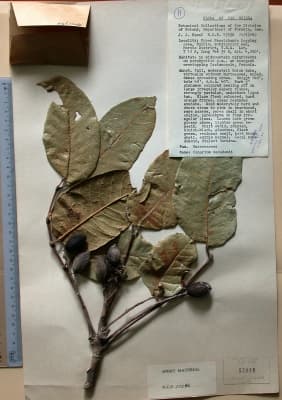
Canarium macadamii
Canarium macadamii
Family: Burseraceae
Cultivation
A dioecious species, both male and female forms need to be grown if fruit and seed are required.
Full cultivation guide →
Canarium madagascariense
Canarium madagascariense
Family: Burseraceae
Cultivation
A plant of low to moderate elevations in the tropics, where it can be found at elevations up to 2,000 metres. In Tanzania it is found in areas with a mean annual rainfall of about 1,000mm. A dioecious species, both male and female forms need to be grown if fruit and seed are required.
Full cultivation guide →Canarium megalanthum
Canarium megalanthum
Family: Burseraceae
Cultivation
The edible seeds of this species are said to be the largest of any in the genus. A dioecious species, both male and female forms need to be grown if fruit and seed are required.
Full cultivation guide →
Canarium muelleri
Canarium muelleri
Family: Burseraceae
Cultivation
A dioecious species, both male and female forms need to be grown if fruit and seed are required.
Full cultivation guide →Canarium odontophyllum
Canarium odontophyllum
Family: Burseraceae
Cultivation
Up to 70% of plants produced from seed are male. A dioecious species, both male and female forms need to be grown if fruit and seed are required.
Full cultivation guide →
Canarium oleosum
Canarium oleosum
Family: Burseraceae
Cultivation
A dioecious species, both male and female forms need to be grown if fruit and seed are required.
Full cultivation guide →
Canarium ovatum
Canarium ovatum
Family: Burseraceae
Cultivation
Pili is a tree of the hot, wet tropical lowlands, where it is usually found at elevations below 400 metres. It grows best in areas where annual daytime temperatures are within the range 22 - 34°c, but can tolerate 12 - 40°c. It cannot withstand low temperatures or even the slightest frost.
Full cultivation guide →
Canarium paniculatum
Canarium paniculatum
Family: Burseraceae
Cultivation
A plant of the wet tropics, it grows in areas with a mean annual rainfall of about 3,750 mm. The plant grows in the wild in soils that tend to be poor in nutrients and rocky. A dioecious species, both male and female forms need to be grown if fruit and seed are required.
Full cultivation guide →Canarium patentinervium
Canarium patentinervium
Family: Burseraceae
Cultivation
A plant of the lowland moist tropics, where it can be found at elevations up to 1,150 metres. A dioecious species, both male and female forms need to be grown if fruit and seed are required.
Full cultivation guide →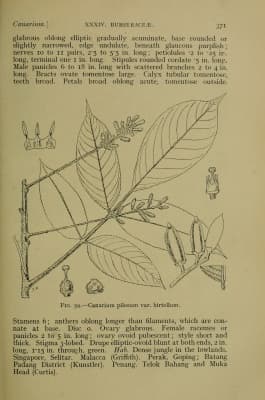
Canarium pilosum
Canarium pilosum
Family: Burseraceae
Cultivation
A plant of the lowland moist tropics. Often found on well-drained, sandy soils in the wild, but also grows in much moister, somewhat swampy soils. A dioecious species, both male and female forms need to be grown if fruit and seed are required
Full cultivation guide →Canarium pimela
Canarium pimela
Family: Burseraceae
Cultivation
Requires a sunny position. Prefers a deep humid soil. Plants are usually found in the wild growing on well-drained quite steep slopes.
Full cultivation guide →
Canarium polyphyllum
Canarium polyphyllum
Family: Burseraceae
Cultivation
A dioecious species, both male and female forms need to be grown if fruit and seed are required.
Full cultivation guide →Canarium pseudodecumanum
Canarium pseudodecumanum
Family: Burseraceae
Cultivation
A dioecious species, both male and female forms need to be grown if fruit and seed are required.
Full cultivation guide →Canarium pseudosumatranum
Canarium pseudosumatranum
Family: Burseraceae
Cultivation
Natural regeneration is believed to be scarce because of the scattered distribution of trees and possibly also because of levels of fruit harvesting. A dioecious species, both male and female forms need to be grown if fruit and seed are required.
Full cultivation guide →Canarium rigidum
Canarium rigidum
Family: Burseraceae
Cultivation
A dioecious species, both male and female forms need to be grown if fruit and seed are required.
Full cultivation guide →Canarium salomonense
Canarium salomonense
Family: Burseraceae
Cultivation
A plant of the lowland moist tropics. There are a range of varieties which differ in size, flavour and ease of opening. A dioecious species, both male and female forms need to be grown if fruit and seed are required.
Full cultivation guide →
Canarium schweinfurthii
Canarium schweinfurthii
Family: Burseraceae
Cultivation
A tree of the hot tropical rainforests, growing at elevations from sea level to 1,000 metres. It grows best in areas where the mean annual rainfall is in the range 900 - 1,400mm.
Full cultivation guide →
Canarium strictum
Canarium strictum
Family: Burseraceae
Cultivation
A dioecious species, both male and female forms need to be grown if fruit and seed are required.
Full cultivation guide →Canarium subulatum
Canarium subulatum
Family: Burseraceae
Cultivation
A dioecious species, both male and female forms need to be grown if fruit and seed are required.
Full cultivation guide →
Canarium sylvestre
Canarium sylvestre
Family: Burseraceae
Cultivation
A dioecious species, both male and female forms need to be grown if fruit and seed are required.
Full cultivation guide →
Canarium vitiense
Canarium vitiense
Family: Burseraceae
Cultivation
The plant can flower and fruit all year round. A variable species that used to be considered five distinct species. A dioecious species, both male and female forms need to be grown if fruit and seed are required.
Full cultivation guide →Canarium vrieseanum
Canarium vrieseanum
Family: Burseraceae
Cultivation
A dioecious species, both male and female forms need to be grown if fruit and seed are required.
Full cultivation guide →
Canarium vulgare
Canarium vulgare
Family: Burseraceae
Cultivation
A tree of the lowland tropics, succeeding at elevations up to 1,200 metres. Seedling trees begin to bear crops of seeds when about 6 - 8 years old. Wild forms usually have three, sometimes two kernels present in the nut, each in its own compartment.
Full cultivation guide →Canarium zeylanicum
Canarium zeylanicum
Family: Burseraceae
Cultivation
A plant of moist, lowland tropical areas. The whole tree is fragrant when bruised.
Full cultivation guide →