Aglaia — 54 species
Botanical species in the genus Aglaia recorded in the PlantPeers database.
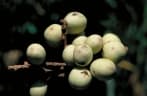
Aglaia argentea
Aglaia argentea
Family: Meliaceae
Cultivation
Trees can start flowering and fruiting when 4.5 metres tall. A dioecious species, both male and female forms need to be grown if fruit and seed are required.
Full cultivation guide →
Aglaia aspera
Aglaia aspera
Family: Meliaceae
Cultivation
The plant is often found in the wild in Kerangas forest - a type of moist, heath forest found on acidic, sandy soils that are low in nutrients, especially nitrogen. A dioecious species, both male and female forms need to be grown if fruit and seed are required.
Full cultivation guide →
Aglaia basiphylla
Aglaia basiphylla
Family: Meliaceae
Cultivation
A dioecious species, both male and female forms need to be grown if fruit and seed are required.
Full cultivation guide →Aglaia ceramica
Aglaia ceramica
Family: Meliaceae
Cultivation
A dioecious species, both male and female forms need to be grown if fruit and seed are required.
Full cultivation guide →Aglaia chittagonga
Aglaia chittagonga
Family: Meliaceae
Cultivation
A dioecious species, both male and female forms need to be grown if fruit and seed are required.
Full cultivation guide →Aglaia coriacea
Aglaia coriacea
Family: Meliaceae
Cultivation
A dioecious species, both male and female forms need to be grown if fruit and seed are required.
Full cultivation guide →Aglaia cremea
Aglaia cremea
Family: Meliaceae
Cultivation
A dioecious species, both male and female forms need to be grown if fruit and seed are required.
Full cultivation guide →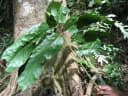
Aglaia cucullata
Aglaia cucullata
Family: Meliaceae
Cultivation
The pouch at the base of the terminal leaflet is sometimes occupied by ants. A dioecious species, both male and female forms need to be grown if fruit and seed are required.
Full cultivation guide →
Aglaia edulis
Aglaia edulis
Family: Meliaceae
Cultivation
Trees can commence flowering when about 4 metres tall. A dioecious species, both male and female forms need to be grown if fruit and seed are required.
Full cultivation guide →
Aglaia elaeagnoidea
Aglaia elaeagnoidea
Family: Meliaceae
Cultivation
A plant of the lowland tropics, preferring non-equatorial areas with seasonal climates. It is intolerant of frosts. Grows well in dappled shade.
Full cultivation guide →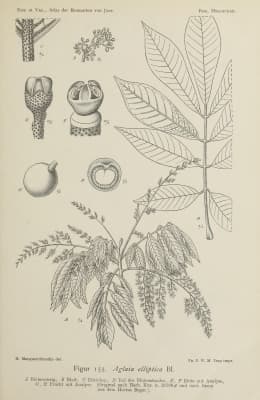
Aglaia elliptica
Aglaia elliptica
Family: Meliaceae
Cultivation
A plant of the tropics, growing at elevations from sea level to 2,000 metres. Plants often withstand periodic inundation of the soil in their native habitats. All the fruits on any one infructescence ripen more or less together, but there are many infructescences on any one tree and these can ripen over a period of several weeks or months, thereby giving a prolonged season of fruit harvest.
Full cultivation guide →Aglaia erythrosperma
Aglaia erythrosperma
Family: Meliaceae
Cultivation
The plant is often found in the wild in Kerangas forest - a type of moist, heath forest found on acidic, sandy soils that are low in nutrients, especially nitrogen. A dioecious species, both male and female forms need to be grown if fruit and seed are required.
Full cultivation guide →Aglaia eximia
Aglaia eximia
Family: Meliaceae
Cultivation
Small black ants are sometimes found in the hollow leaf petioles, especially in Sumatra. A dioecious species, both male and female forms need to be grown if fruit and seed are required
Full cultivation guide →Aglaia exstipulata
Aglaia exstipulata
Family: Meliaceae
Cultivation
A dioecious species, both male and female forms need to be grown if fruit and seed are required.
Full cultivation guide →Aglaia foveolata
Aglaia foveolata
Family: Meliaceae
Cultivation
A dioecious species, both male and female forms need to be grown if fruit and seed are required.
Full cultivation guide →Aglaia grandis
Aglaia grandis
Family: Meliaceae
Cultivation
A dioecious species, both male and female forms need to be grown if fruit and seed are required.
Full cultivation guide →Aglaia hiernii
Aglaia hiernii
Family: Meliaceae
Cultivation
A dioecious species, both male and female forms need to be grown if fruit and seed are required.
Full cultivation guide →Aglaia ijzermannii
Aglaia ijzermannii
Family: Meliaceae
Cultivation
The male flowers emit a strong scent of citronella. A dioecious species, both male and female forms need to be grown if fruit and seed are required.
Full cultivation guide →
Aglaia korthalsii
Aglaia korthalsii
Family: Meliaceae
Cultivation
A dioecious species, both male and female forms need to be grown if fruit and seed are required.
Full cultivation guide →Aglaia lawii
Aglaia lawii
Family: Meliaceae
Cultivation
Young trees can commence flowering when just 1.6 metres tall and before they have developed side branches. A dioecious species, both male and female forms need to be grown if fruit and seed are required.
Full cultivation guide →Aglaia laxiflora
Aglaia laxiflora
Family: Meliaceae
Cultivation
Trees can withstand temporary inundation of the soil. A dioecious species, both male and female forms need to be grown if fruit and seed are required.
Full cultivation guide →Aglaia leptantha
Aglaia leptantha
Family: Meliaceae
Cultivation
The plant is often found in the wild in Kerangas forest - a type of moist, heath forest found on acidic, sandy soils that are low in nutrients, especially nitrogen. Plants can commence flowering and fruiting when about 4 metres tall. A dioecious species, both male and female forms need to be grown if fruit and seed are required.
Full cultivation guide →Aglaia leucophylla
Aglaia leucophylla
Family: Meliaceae
Cultivation
Trees can start flowering when only 150cm tall. A dioecious species, both male and female forms need to be grown if fruit and seed are required.
Full cultivation guide →Aglaia luzoniensis
Aglaia luzoniensis
Family: Meliaceae
Cultivation
A dioecious species, both male and female forms need to be grown if fruit and seed are required.
Full cultivation guide →Aglaia multinervis
Aglaia multinervis
Family: Meliaceae
Cultivation
A dioecious species, both male and female forms need to be grown if fruit and seed are required.
Full cultivation guide →
Aglaia odorata
Aglaia odorata
Family: Meliaceae
Cultivation
Often found growing on clay soils in the wild. The plant produces fragrant flowers for much of the year. The fragrance is most intense in the evening.
Full cultivation guide →Aglaia odoratissima
Aglaia odoratissima
Family: Meliaceae
Cultivation
Plants are tolerant of seasonal inundation of the soil. A dioecious species, both male and female forms need to be grown if fruit and seed are required.
Full cultivation guide →Aglaia oligophylla
Aglaia oligophylla
Family: Meliaceae
Cultivation
The plant is often found in the wild in Kerangas forest - a type of moist, heath forest found on acidic, sandy soils that are low in nutrients, especially nitrogen. A dioecious species, both male and female forms need to be grown if fruit and seed are required.
Full cultivation guide →Aglaia pachyphylla
Aglaia pachyphylla
Family: Meliaceae
Cultivation
The tree can commence flowering when only 1.8 metres tall. A dioecious species, both male and female forms need to be grown if fruit and seed are required.
Full cultivation guide →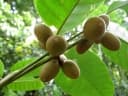
Aglaia parviflora
Aglaia parviflora
Family: Meliaceae
Cultivation
A dioecious species, both male and female forms need to be grown if fruit and seed are required.
Full cultivation guide →Aglaia perviridis
Aglaia perviridis
Family: Meliaceae
Cultivation
A plant of tropical and subtropical climates. Regeneration is said to be poor in Vietnam, and saplings are rarely found under the canopy of mother trees. A dioecious species, both male and female forms need to be grown if fruit and seed are required.
Full cultivation guide →Aglaia rimosa
Aglaia rimosa
Family: Meliaceae
Cultivation
A dioecious species, both male and female forms need to be grown if fruit and seed are required.
Full cultivation guide →Aglaia rivularis
Aglaia rivularis
Family: Meliaceae
Cultivation
A dioecious species, both male and female forms need to be grown if fruit and seed are required.
Full cultivation guide →Aglaia rubiginosa
Aglaia rubiginosa
Family: Meliaceae
Cultivation
The plant is often found in the wild in Kerangas forest - a type of moist, heath forest found on acidic, sandy soils that are low in nutrients, especially nitrogen. A dioecious species, both male and female forms need to be grown if fruit and seed are required.
Full cultivation guide →Aglaia rubrivenia
Aglaia rubrivenia
Family: Meliaceae
Cultivation
A dioecious species, both male and female forms need to be grown if fruit and seed are required.
Full cultivation guide →Aglaia rufibarbis
Aglaia rufibarbis
Family: Meliaceae
Cultivation
A dioecious species, both male and female forms need to be grown if fruit and seed are required.
Full cultivation guide →
Aglaia saltatorum
Aglaia saltatorum
Family: Meliaceae
Cultivation
A dioecious species, both male and female forms need to be grown if fruit and seed are required.
Full cultivation guide →Aglaia samoensis
Aglaia samoensis
Family: Meliaceae
Cultivation
A dioecious species, both male and female forms need to be grown if fruit and seed are required.
Full cultivation guide →
Aglaia sapindina
Aglaia sapindina
Family: Meliaceae
Cultivation
The twigs, especially of plants in New Guinea, are sometimes inhabited by ants. A dioecious species, both male and female forms need to be grown if fruit and seed are required.
Full cultivation guide →Aglaia sexipetala
Aglaia sexipetala
Family: Meliaceae
Cultivation
The plant is often found in the wild in Kerangas forest - a type of moist, heath forest found on acidic, sandy soils that are low in nutrients, especially nitrogen. A dioecious species, both male and female forms need to be grown if fruit and seed are required.
Full cultivation guide →
Aglaia silvestris
Aglaia silvestris
Family: Meliaceae
Cultivation
The plant is often found in the wild in Kerangas forest - a type of moist, heath forest found on acidic, sandy soils that are low in nutrients, especially nitrogen. A dioecious species, both male and female forms need to be grown if fruit and seed are required.
Full cultivation guide →Aglaia simplicifolia
Aglaia simplicifolia
Family: Meliaceae
Cultivation
A dioecious species, both male and female forms need to be grown if fruit and seed are required.
Full cultivation guide →Aglaia smithii
Aglaia smithii
Family: Meliaceae
Cultivation
A dioecious species, both male and female forms need to be grown if fruit and seed are required.
Full cultivation guide →Aglaia speciosa
Aglaia speciosa
Family: Meliaceae
Cultivation
A dioecious species, both male and female forms need to be grown if fruit and seed are required.
Full cultivation guide →
Aglaia spectabilis
Aglaia spectabilis
Family: Meliaceae
Cultivation
Trees can commence flowering when about 8 metres tall. A dioecious species, both male and female forms need to be grown if fruit and seed are required.
Full cultivation guide →Aglaia subcuprea
Aglaia subcuprea
Family: Meliaceae
Cultivation
A dioecious species, both male and female forms need to be grown if fruit and seed are required.
Full cultivation guide →Aglaia tenuicaulis
Aglaia tenuicaulis
Family: Meliaceae
Cultivation
A dioecious species, both male and female forms need to be grown if fruit and seed are required.
Full cultivation guide →Aglaia teysmanniana
Aglaia teysmanniana
Family: Meliaceae
Cultivation
A dioecious species, both male and female forms need to be grown if fruit and seed are required.
Full cultivation guide →
Aglaia tomentosa
Aglaia tomentosa
Family: Meliaceae
Cultivation
Grows best if given dappled shade. Prefers a humus-rich, moist but well-drained soil in a position shelered from strong winds. Plants are tolerant of temporary inundation of the soil.
Full cultivation guide →Aglaia vitiensis
Aglaia vitiensis
Family: Meliaceae
Cultivation
A dioecious species, both male and female forms need to be grown if fruit and seed are required.
Full cultivation guide →