Viola — 46 species
Botanical species in the genus Viola recorded in the PlantPeers database.

Viola acuminata
Viola acuminata
Family: Violaceae
Cultivation
Species in this genus generally prefer a cool moist well-drained humus-rich soil in partial or dappled shade and protection from scorching winds. They can tolerate sandstone and limestone soils but become chlorotic if the pH is too high. They prefer a pH between 6 and 6.5.
Full cultivation guide →Viola adunca
Viola adunca
Family: Violaceae
Cultivation
Prefers a cool moist well-drained humus-rich soil in partial or dappled shade and protection from scorching winds. Plants are tolerant of maritime exposure. Tolerates sandstone and limestone soils but becomes chlorotic if the pH is too high.
Full cultivation guide →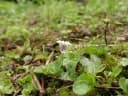
Viola arcuata
Viola arcuata
Family: Violaceae
Cultivation
Viola arcuata has a very wide natural range from the cold temperate regions of northern Siberia to the tropics of southeast Asia, where it is usually found at elevations above 1,000 metres. Species in this genus generally prefer a cool moist well-drained humus-rich soil in partial or dappled shade and protection from scorching winds. They can tolerate sandstone and limestone soils but become chlorotic if the pH is too high.
Full cultivation guide →
Viola betonicifolia
Viola betonicifolia
Family: Violaceae
Cultivation
Viola betonicifolia has a wide natural range from the warm temperate zone of southern China, through the tropical regions (where it is usually at elevations over 1,000 metres), to the warm temperate zone of Australia. Species in this genus generally prefer a cool moist well-drained humus-rich soil in partial or dappled shade and protection from scorching winds. They can tolerate sandstone and limestone soils but become chlorotic if the pH is too high.
Full cultivation guide →Viola biflora
Viola biflora
Family: Violaceae
Cultivation
Viola biflora is quite cold tolerant, unharmed by temperatures of -10°c and probably lower. Prefers a cool moist well-drained humus-rich soil in partial or dappled shade and protection from scorching winds. Tolerates sandstone and limestone soils but becomes chlorotic if the pH is too high.
Full cultivation guide →Viola brevistipulata
Viola brevistipulata
Family: Violaceae
Cultivation
Species in this genus generally prefer a cool moist well-drained humus-rich soil in partial or dappled shade and protection from scorching winds. They can tolerate sandstone and limestone soils but become chlorotic if the pH is too high. They prefer a pH between 6 and 6.5.
Full cultivation guide →Viola canadensis
Viola canadensis
Family: Violaceae
Cultivation
Viola canadensis is hardy to about -25°c. It grows best in more northerly latitudes, disliking hot summers. Easily grown in any fertile soil in full sun or partial shade.
Full cultivation guide →Viola canina
Viola canina
Family: Violaceae
Cultivation
Prefers a cool moist well-drained humus-rich soil in partial or dappled shade and protection from scorching winds. Tolerates sandstone and limestone soils but becomes chlorotic if the pH is too high. Prefers a pH between 6 and 6.5.
Full cultivation guide →Viola chaerophylloides
Viola chaerophylloides
Family: Violaceae
Cultivation
Prefers a cool moist well-drained humus-rich soil in partial or dappled shade and protection from scorching winds. Tolerates sandstone and limestone soils but becomes chlorotic if the pH is too high. Prefers a pH between 6 and 6.5.
Full cultivation guide →Viola collina
Viola collina
Family: Violaceae
Cultivation
Viola collina is found in most parts of Europe and is usually calcicole. Prefers a cool moist well-drained humus-rich soil in partial or dappled shade and protection from scorching winds. Tolerates sandstone and limestone soils but becomes chlorotic if the pH is too high.
Full cultivation guide →Viola cornuta
Viola cornuta
Family: Violaceae
Cultivation
Easily grown in any fertile soil in full sun or partial shade. Prefers a well-drained moisture-retentive soil. Tolerates sandstone and limestone soils but becomes chlorotic if the pH is too high.
Full cultivation guide →Viola cucullata
Viola cucullata
Family: Violaceae
Cultivation
Prefers a cool moist well-drained humus-rich soil in partial or dappled shade and protection from scorching winds. Very intolerant of drought. Succeeds in dense shade.
Full cultivation guide →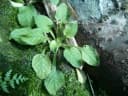
Viola diffusa
Viola diffusa
Family: Violaceae
Cultivation
Viola diffusa is found from the warm temperate regions of southern China to higher elevations in the tropics of southeast Asia, the Philippines and New Guinea. Prefers a cool moist well-drained humus-rich soil in partial or dappled shade and protection from scorching winds. Tolerates sandstone and limestone soils but becomes chlorotic if the pH is too high.
Full cultivation guide →Viola dissecta
Viola dissecta
Family: Violaceae
Cultivation
Prefers a cool moist well-drained humus-rich soil in partial or dappled shade and protection from scorching winds. Tolerates sandstone and limestone soils but becomes chlorotic if the pH is too high. Prefers a pH between 6 and 6.5.
Full cultivation guide →Viola epipsiloides
Viola epipsiloides
Family: Violaceae
Cultivation
Prefers a cool moist well-drained humus-rich soil in partial or dappled shade and protection from scorching winds. Tolerates sandstone and limestone soils but becomes chlorotic if the pH is too high. Prefers a pH between 6 and 6.5.
Full cultivation guide →Viola glabella
Viola glabella
Family: Violaceae
Cultivation
Prefers a cool moist well-drained humus-rich soil in partial or dappled shade and protection from scorching winds. Tolerates sandstone and limestone soils but becomes chlorotic if the pH is too high. Prefers a pH between 6 and 6.5.
Full cultivation guide →Viola grypoceras
Viola grypoceras
Family: Violaceae
Cultivation
Species in this genus generally prefer a cool moist well-drained humus-rich soil in partial or dappled shade and protection from scorching winds. In cool climates the plant can be grown in full sun, in areas with hot summers it succeeds in full shade. Plants can tolerate sandstone and limestone soils but become chlorotic if the pH is too high.
Full cultivation guide →Viola japonica
Viola japonica
Family: Violaceae
Cultivation
Prefers a cool moist well-drained humus-rich soil in partial or dappled shade and protection from scorching winds. Tolerates sandstone and limestone soils but becomes chlorotic if the pH is too high. Prefers a pH between 6 and 6.5.
Full cultivation guide →Viola keiskei
Viola keiskei
Family: Violaceae
Cultivation
Species in this genus generally prefer a cool moist well-drained humus-rich soil in partial or dappled shade and protection from scorching winds. They can tolerate sandstone and limestone soils but become chlorotic if the pH is too high. They prefer a pH between 6 and 6.5.
Full cultivation guide →Viola labradorica
Viola labradorica
Family: Violaceae
Cultivation
Viola labradorica is hardy to about -25°c. Cool moist well-drained humus-rich soil in partial or dappled shade and protection from scorching winds. Succeeds in dense shade.
Full cultivation guide →Viola langsdorffii
Viola langsdorffii
Family: Violaceae
Cultivation
Prefers a cool moist well-drained humus-rich soil in partial or dappled shade and protection from scorching winds. Tolerates sandstone and limestone soils but becomes chlorotic if the pH is too high. Prefers a pH between 6 and 6.5.
Full cultivation guide →Viola macloskeyi
Viola macloskeyi
Family: Violaceae
Cultivation
Prefers a cool moist well-drained humus-rich soil in partial or dappled shade and protection from scorching winds. Tolerates sandstone and limestone soils but becomes chlorotic if the pH is too high. Prefers a pH between 6 and 6.5.
Full cultivation guide →Viola mandshurica
Viola mandshurica
Family: Violaceae
Cultivation
Prefers a cool moist well-drained humus-rich soil in partial or dappled shade and protection from scorching winds. Tolerates sandstone and limestone soils but becomes chlorotic if the pH is too high. Prefers a pH between 6 and 6.5.
Full cultivation guide →Viola mirabilis
Viola mirabilis
Family: Violaceae
Cultivation
Prefers a cool moist well-drained humus-rich soil in partial or dappled shade and protection from scorching winds. Tolerates sandstone and limestone soils but becomes chlorotic if the pH is too high. Prefers a pH between 6 and 6.5.
Full cultivation guide →Viola obtusa
Viola obtusa
Family: Violaceae
Cultivation
Species in this genus generally prefer a cool moist well-drained humus-rich soil in partial or dappled shade and protection from scorching winds. They can tolerate sandstone and limestone soils but become chlorotic if the pH is too high. They prefer a pH between 6 and 6.5.
Full cultivation guide →Viola odorata
Viola odorata
Family: Violaceae
Cultivation
Viola odorata is hardy to about -20°c. Succeeds in most soils but prefers a cool moist well-drained humus-rich soil in partial or dappled shade and protection from scorching winds. When grown in the open it prefers a moderately heavy rich soil.
Full cultivation guide →Viola palmata
Viola palmata
Family: Violaceae
Cultivation
Prefers a dry soil. Prefers a cool moist well-drained humus-rich soil in partial or dappled shade and protection from scorching winds. Tolerates sandstone and limestone soils.
Full cultivation guide →Viola palmata heterophylla
Viola palmata heterophylla
Family: Violaceae
Cultivation
Prefers a cool moist well-drained humus-rich soil in partial or dappled shade and protection from scorching winds. Tolerates sandstone and limestone soils. All members of this genus have more or less edible leaves and flower buds, though those species with yellow flowers can cause diarrhoea if eaten in large quantities.
Full cultivation guide →Viola patrinii
Viola patrinii
Family: Violaceae
Cultivation
Prefers a cool moist well-drained humus-rich soil in partial or dappled shade and protection from scorching winds. Tolerates sandstone and limestone soils but becomes chlorotic if the pH is too high. Prefers a pH between 6 and 6.5.
Full cultivation guide →Viola pedata
Viola pedata
Family: Violaceae
Cultivation
A beautiful species but very difficult in cultivation. It requires a very well-drained soil plus warmth and moisture in the summer. Some people have recommended that it should be grown on a clay soil, unpoisoned by humus.
Full cultivation guide →Viola pedunculata
Viola pedunculata
Family: Violaceae
Cultivation
Viola pedunculata is native to the Mediterranean climate of California, with its hot, dry summers amd cool to cold wet winters. It grows and flowers during the winter and early spring, dying down as the soil becomes dry in the summer. Plants are not very hardy outside Mediterranean climates or other regions of the temperate zone with mild winters.
Full cultivation guide →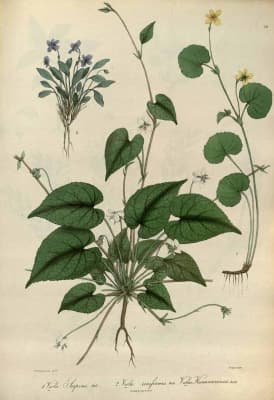
Viola pilosa
Viola pilosa
Family: Violaceae
Cultivation
Viola pilosa has a wide native range from the warm temperate zone of southern China into the tropics of Thailand and Indonesia (where it is usually found at elevations over 1,000 metres). Species in this genus generally prefer a cool moist well-drained humus-rich soil in partial or dappled shade and protection from scorching winds. They can tolerate sandstone and limestone soils but become chlorotic if the pH is too high.
Full cultivation guide →Viola pinnata
Viola pinnata
Family: Violaceae
Cultivation
Prefers a cool moist well-drained humus-rich soil in partial or dappled shade and protection from scorching winds. Tolerates sandstone and limestone soils but becomes chlorotic if the pH is too high. Prefers a pH between 6 and 6.5.
Full cultivation guide →Viola prionantha
Viola prionantha
Family: Violaceae
Cultivation
Species in this genus generally prefer a cool moist well-drained humus-rich soil in partial or dappled shade and protection from scorching winds. They can tolerate sandstone and limestone soils but become chlorotic if the pH is too high. They prefer a pH between 6 and 6.5.
Full cultivation guide →Viola reichenbachiana
Viola reichenbachiana
Family: Violaceae
Cultivation
Prefers a cool moist well-drained humus-rich soil in partial or dappled shade and protection from scorching winds. Tolerates sandstone and limestone soils but becomes chlorotic if the pH is too high. Prefers a pH between 6 and 6.5.
Full cultivation guide →Viola riviniana
Viola riviniana
Family: Violaceae
Cultivation
Prefers a cool moist well-drained humus-rich soil in partial or dappled shade and protection from scorching winds. Tolerates sandstone and limestone soils but becomes chlorotic if the pH is too high. Prefers a pH between 6 and 6.5.
Full cultivation guide →Viola sempervirens
Viola sempervirens
Family: Violaceae
Cultivation
Prefers a cool moist well-drained humus-rich soil in partial or dappled shade and protection from scorching winds. Tolerates sandstone and limestone soils but becomes chlorotic if the pH is too high. Prefers a pH between 6 and 6.5.
Full cultivation guide →Viola sororia
Viola sororia
Family: Violaceae
Cultivation
Prefers a cool moist well-drained humus-rich soil in partial or dappled shade and protection from scorching winds 200 Title The New RHS Dictionary of Gardening. 1992. Publication Author Huxley.
Full cultivation guide →Viola tokubuchiana
Viola tokubuchiana
Family: Violaceae
Cultivation
Species in this genus generally prefer a cool moist well-drained humus-rich soil in partial or dappled shade and protection from scorching winds. They can tolerate sandstone and limestone soils but become chlorotic if the pH is too high. They prefer a pH between 6 and 6.5.
Full cultivation guide →Viola tricolor
Viola tricolor
Family: Violaceae
Cultivation
Prefers a cool moist well-drained humus-rich soil in partial or dappled shade and protection from scorching winds. Tolerates sandstone and limestone soils but becomes chlorotic if the pH is too high. Prefers a pH between 6 and 6.5.
Full cultivation guide →Viola vaginata
Viola vaginata
Family: Violaceae
Cultivation
Species in this genus generally prefer a cool moist well-drained humus-rich soil in partial or dappled shade and protection from scorching winds. They can tolerate sandstone and limestone soils but become chlorotic if the pH is too high. They prefer a pH between 6 and 6.5.
Full cultivation guide →Viola variegata
Viola variegata
Family: Violaceae
Cultivation
Species in this genus generally prefer a cool moist well-drained humus-rich soil in partial or dappled shade and protection from scorching winds. They can tolerate sandstone and limestone soils but become chlorotic if the pH is too high. They prefer a pH between 6 and 6.5.
Full cultivation guide →Viola violacea
Viola violacea
Family: Violaceae
Cultivation
Species in this genus generally prefer a cool moist well-drained humus-rich soil in partial or dappled shade and protection from scorching winds. They can tolerate sandstone and limestone soils but become chlorotic if the pH is too high. They prefer a pH between 6 and 6.5.
Full cultivation guide →Viola yezoensis
Viola yezoensis
Family: Violaceae
Cultivation
Viola yezoensis is hardy to at least -15°c. Prefers a cool moist well-drained humus-rich soil in partial or dappled shade and protection from scorching winds. Tolerates sandstone and limestone soils but becomes chlorotic if the pH is too high.
Full cultivation guide →Viola × wittrockiana
Viola × wittrockiana
Family: Violaceae
Cultivation
Prefers a cool moist well-drained humus-rich soil in partial or dappled shade and protection from scorching winds. Tolerates sandstone and limestone soils but becomes chlorotic if the pH is too high. Prefers a pH between 6 and 6.5.
Full cultivation guide →