Trapa — 4 species
Botanical species in the genus Trapa recorded in the PlantPeers database.
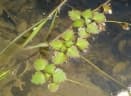
Trapa incisa
Trapa incisa
Family: Lythraceae
Cultivation
Trapa incisa is found mainly in subtropical climates. Plants require a high summer temperature in order to perform well, the growing plants are not frost hardy, though the seeds they produce can survive freezing winters. Succeeds in still or slowly-flowing water requiring a position in full sun and a slightly acidic water with a rich planting medium.
Full cultivation guide →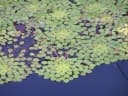
Trapa natans
Trapa natans
Family: Lythraceae
Cultivation
Trapa natans has a very wide native range, being found in the temperate and tropical zones of Europe, Asia and Africa and at elevations up to 1,500 metres. It grows best in areas where annual daytime temperatures are within the range 15 - 25°c, but can tolerate 10 - 35°c. When dormant, the plant (in the form of a seed) can survive temperatures down to about -25°c, but young growth can be severely damaged at 0°c.
Full cultivation guide →
Trapa natans bispinosa
Trapa natans bispinosa
Family: Lythraceae
Cultivation
Trapa natans bispinosa has a very wide native range from tropical Africa and southeast Asia to the temperate regions of the Russian Far East. It is mainly found in the seasonally dry tropics. It grows best in areas where annual daytime temperatures are within the range 15 - 25°c, but can tolerate 10 - 35°c.
Full cultivation guide →Trapa natans quadrispinosa
Trapa natans quadrispinosa
Family: Lythraceae
Cultivation
Trapa natans quadrispinosa is found mainly in the temperate zone s of the Himalayas, southeast China, Japan and the Russian Far East, also growing in Thailand. It grows best in areas where annual daytime temperatures are within the range 15 - 25°c, but can tolerate 10 - 35°c. When dormant, the plant (in the form of a seed) can survive temperatures down to about -25°c, but young growth can be severely damaged at 0°c.
Full cultivation guide →