Striga — 4 species
Botanical species in the genus Striga recorded in the PlantPeers database.

Striga asiatica
Striga asiatica
Family: Orobanchaceae
Cultivation
In general, the genus Striga is found in the semi-arid to moist tropics, tolerating a relatively wide range of climatic and soil conditions. It grows in areas with a mean annual rainfall ranging from 250 - 1,500mm per year, with a decrease in the severity of infestation in areas with higher rainfall. Often found in the wild on light, sandy soils.
Full cultivation guide →
Striga aspera
Striga aspera
Family: Orobanchaceae
Cultivation
In general, the genus Striga is found in the semi-arid to moist tropics, tolerating a relatively wide range of climatic and soil conditions. It grows in areas with a mean annual rainfall ranging from 250 - 1,500mm per year, with a decrease in the severity of infestation in areas with higher rainfall. Striga aspera is a major pest problem in agriculture, especially in semi-arid marginal areas, parasitizing cereal and other grass crops.
Full cultivation guide →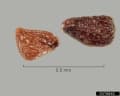
Striga gesnerioides
Striga gesnerioides
Family: Orobanchaceae
Cultivation
In general, the genus Striga is found in the semi-arid to moist tropics, tolerating a relatively wide range of climatic and soil conditions. It grows in areas with a mean annual rainfall ranging from 250 - 1,500mm per year, with a decrease in the severity of infestation in areas with higher rainfall. Striga gesnerioides is a major pest problem in agriculture, especially in semi-arid marginal areas, parasitizing a range of crops, especially legumes.
Full cultivation guide →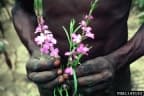
Striga hermonthica
Striga hermonthica
Family: Orobanchaceae
Cultivation
In general, the genus Striga is found in the semi-arid to moist tropics, tolerating a relatively wide range of climatic and soil conditions. It grows in areas with a mean annual rainfall ranging from 250 - 1,500mm per year, with a decrease in the severity of infestation in areas with higher rainfall. The plant is not particular to soil type or pH, and can be abundant on lighter soils, as well as on heavy clay soils.
Full cultivation guide →