Psophocarpus — 5 species
Botanical species in the genus Psophocarpus recorded in the PlantPeers database.

Psophocarpus grandiflorus
Psophocarpus grandiflorus
Family: Fabaceae
Cultivation
Species in this genus generally require a sunny position, growing best in a moist but well-drained, slightly acid loamy soil. Plants do not flower if growing in the shade (unless the higher shoots grow into the sun) or in high nutrient soils. This species has a symbiotic relationship with certain soil bacteria, these bacteria form nodules on the roots and fix atmospheric nitrogen.
Full cultivation guide →Psophocarpus lancifolius
Psophocarpus lancifolius
Family: Fabaceae
Cultivation
Species in this genus generally require a sunny position, growing best in a moist but well-drained, slightly acid loamy soil. This species has a symbiotic relationship with certain soil bacteria, these bacteria form nodules on the roots and fix atmospheric nitrogen. Some of this nitrogen is utilized by the growing plant but some can also be used by other plants growing nearby.
Full cultivation guide →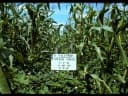
Psophocarpus palustris
Psophocarpus palustris
Family: Fabaceae
Cultivation
Species in this genus generally require a sunny position, growing best in a moist but well-drained, slightly acid loamy soil. This species has a symbiotic relationship with certain soil bacteria, these bacteria form nodules on the roots and fix atmospheric nitrogen. Some of this nitrogen is utilized by the growing plant but some can also be used by other plants growing nearby.
Full cultivation guide →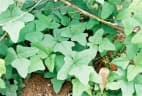
Psophocarpus scandens
Psophocarpus scandens
Family: Fabaceae
Cultivation
Psophocarpus scandens is a plant mainly of lowland tropical areas, where it can be found at elevations up to 1,000 metres. It grows best in areas with a mean annual rainfall of 1,200 - 1,800mm and a mean annual temperature of 25°c. Plants thrive in full sunlight, but also tolerate some shade.
Full cultivation guide →
Psophocarpus tetragonolobus
Psophocarpus tetragonolobus
Family: Fabaceae
Cultivation
Winged bean is a plant mainly of the humid lowland tropics, though it can also be grown al low elevations in the subtropics and up to 2,000 metres in the tropics. It is more problematic in temperate zones since most varieties will only flower when daylight hours are around 12 per day and so the plant will often not start flowering until near the end of summer. However, day-neutral varieties are being developed that will flower earlier in the summer in northerly and southerly latitudes.
Full cultivation guide →