Porophyllum — 9 species
Botanical species in the genus Porophyllum recorded in the PlantPeers database.

Porophyllum coloratum
Porophyllum coloratum
Family: Asteraceae
Cultivation
Porophyllum coloratum is native to the subtropical and tropical regions of Mexico The aromatic oils, which are contained largely in the pores or glands that are especially plentiful on the leaves, produce a strong odour when the foliage is bruised, broken, or heated. Cures, real or fancied, that are attributed to various species of Porophyllum are probably largely due to either the soothing properties of the oils or the imagination by the patient that anything that is so odoriferous must be beneficial.
Full cultivation guide →Porophyllum gracile
Porophyllum gracile
Family: Asteraceae
Cultivation
Porpphyllum gracile is one of the most variable species of the genus. It occupies the widest range of ecological habitats for a member of the section Hunteria and probably for the genus. In addition it occurs in not only the driest areas (rainfall of less than 130mm a year) but also the coldest areas occupied by a species of Porophyllum.
Full cultivation guide →Porophyllum linaria
Porophyllum linaria
Family: Asteraceae
Cultivation
Porophyllum linaria is a plant of semi-arid, subtropical to tropical climates. It is not tolerant of frost, but can generally be cultivated from the warm temperate zone( with hot summers) to tropical areas. Requires a sunny position, succeeding in a range of soil types so long as they are well-drained.
Full cultivation guide →Porophyllum pausodynum
Porophyllum pausodynum
Family: Asteraceae
Cultivation
Porophyllum pausodynum is native to the semi-arid region of subtropical northern Mexico. Requires a sunny position in a well-drained soil. The aromatic oils, which are contained largely in the pores or glands that are especially plentiful on the leaves, produce a strong odour when the foliage is bruised, broken, or heated.
Full cultivation guide →Porophyllum pringlei
Porophyllum pringlei
Family: Asteraceae
Cultivation
The aromatic oils, which are contained largely in the pores or glands that are especially plentiful on the leaves, produce a strong odour when the foliage is bruised, broken, or heated. Cures, real or fancied, that are attributed to various species of Porophyllum are probably largely due to either the soothing properties of the oils or the imagination by the patient that anything that is so odoriferous must be beneficial.
Full cultivation guide →Porophyllum punctatum
Porophyllum punctatum
Family: Asteraceae
Cultivation
The plant can flower all year round if there is sufficient rain. Local populations of this species, located in hilly areas separated from one another by lowlands, apparently have differentiated to such an extent that certain populations have been designated as separate species in the past. In addition, there is tremendous variation in size of the plants.
Full cultivation guide →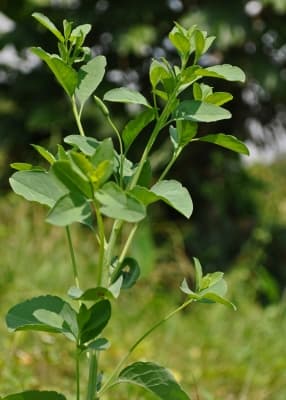
Porophyllum ruderale
Porophyllum ruderale
Family: Asteliaceae
Cultivation
Porophyllum ruderale is an annual plant found from the warm temperate zone of southern N. America and south through the tropical Americas to Bolivia and Peru. It is usually found in very freely draining soils, often in semi-arid regions where it grows after rains.
Full cultivation guide →Porophyllum scoparium
Porophyllum scoparium
Family: Asteraceae
Cultivation
Porophyllum scoparium is native to the semi-arid, warm temperate to subtropical regions of southwestern USA and northern Mexico. Requires a sunny position in a well-drained soil.
Full cultivation guide →Porophyllum viridiflorum
Porophyllum viridiflorum
Family: Asteraceae
Cultivation
Plants can flower all year round. The aromatic oils, which are contained largely in the pores or glands that are especially plentiful on the leaves, produce a strong odour when the foliage is bruised, broken, or heated. Cures, real or fancied, that are attributed to various species of Porophyllum are probably largely due to either the soothing properties of the oils or the imagination by the patient that anything that is so odoriferous must be beneficial.
Full cultivation guide →