Pandanus — 35 species
Botanical species in the genus Pandanus recorded in the PlantPeers database.
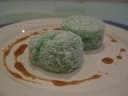
Pandanus amaryllifolius
Pandanus amaryllifolius
Family: Pandanaceae
Cultivation
A plant of the humid lowland tropics. Apart from the continuous harvesting of fragrant pandan, there are some indications that ever-wet climatic conditions are less favourable for the development of the large growth form, and thus assist in the perpetuation of the small growth form. Succeeds in full sun or light shade in any moderately fertile, well-drained soil.
Full cultivation guide →
Pandanus antaresensis
Pandanus antaresensis
Family: Pandanaceae
Cultivation
Species in this genus generally grow well in most moist, well-dained soils and a sunny position Plants can produce seeds all year round. The small seed is hard to extract from the thick shells - it is often cracked between two stones. The prominent aerial stilt roots with their large spines make this species very difficult to climb - it is the only nut- or oil- bearing Pandanus in New Guinea that is harvested by simply collecting the fallen, ripened cephalia from the ground.
Full cultivation guide →
Pandanus aquaticus
Pandanus aquaticus
Family: Pandanaceae
Cultivation
Species in this genus generally grow well in most moist, well-dained soils and a sunny position Branches do not have dormant buds and so will not resprout if cut back into the old wood. A dioecious species, both male and female forms need to be grown if fruits and seed are required.
Full cultivation guide →Pandanus brosimos
Pandanus brosimos
Family: Pandanaceae
Cultivation
Species in this genus generally grow well in most moist, well-dained soils and a sunny position Fruiting is seasonal, often with good crops occurring every second year. Branches do not have dormant buds and so will not resprout if cut back into the old wood. A dioecious species, both male and female forms need to be grown if fruits and seed are required.
Full cultivation guide →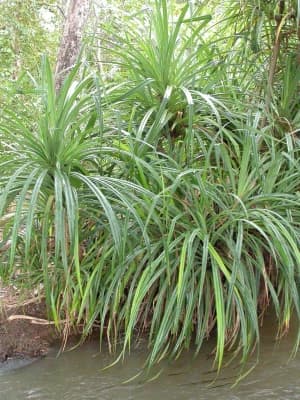
Pandanus candelabrum
Pandanus candelabrum
Family: Pandanaceae
Cultivation
Species in this genus generally grow well in most moist, well-dained soils and a sunny position Branches do not have dormant buds and so will not resprout if cut back into the old wood. A dioecious species, both male and female forms need to be grown if fruits and seed are required.
Full cultivation guide →Pandanus castaneus
Pandanus castaneus
Family: Pandanaceae
Cultivation
Species in this genus generally grow well in most moist, well-dained soils and a sunny position A dioecious species, both male and female forms need to be grown if fruit and seed are required.
Full cultivation guide →Pandanus conoideus
Pandanus conoideus
Family: Pandanaceae
Cultivation
Species in this genus generally grow well in most moist, well-dained soils and a sunny position Often cultivated in lowland New Guinea, and traded at local markets, several cultivated forms have arisen. Cultivated forms are readily distinguised from wild forms by their considerably longer cephalia (cones of fruits) The fruiting bodies of wild forms of this species are often attacked by burrowing insects, though as of 2008 there are no reports of cultivated forms being attacked. A dioecious species, both male and female forms need to be grown if fruits and seed are required.
Full cultivation guide →
Pandanus dubius
Pandanus dubius
Family: Pandanaceae
Cultivation
Species in this genus generally grow well in most moist, well-dained soils and a sunny position. Found in the wild on limestone soils. Branches do not have dormant buds and so will not resprout if cut back into the old wood.
Full cultivation guide →Pandanus edulis
Pandanus edulis
Family: Pandanaceae
Cultivation
Species in this genus generally grow well in most moist, well-dained soils and a sunny position Branches do not have dormant buds and so will not resprout if cut back into the old wood. A dioecious species, both male and female forms need to be grown if fruits and seed are required.
Full cultivation guide →Pandanus foveolatus
Pandanus foveolatus
Family: Pandanaceae
Cultivation
Species in this genus generally grow well in most moist, well-dained soils and a sunny position A dioecious species, both male and female forms need to be grown if fruits and seed are required.
Full cultivation guide →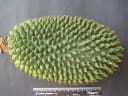
Pandanus furcatus
Pandanus furcatus
Family: Pandanaceae
Cultivation
Species in this genus generally grow well in most moist, well-dained soils and a sunny position Branches do not have dormant buds and so will not resprout if cut back into the old wood. A dioecious species, both male and female forms need to be grown if fruits and seed are required.
Full cultivation guide →Pandanus galorei
Pandanus galorei
Family: Pandanaceae
Cultivation
Species in this genus generally grow well in most moist, well-dained soils and a sunny position A dioecious species, both male and female forms are required if fruit and seed are required.
Full cultivation guide →Pandanus gemmifer
Pandanus gemmifer
Family: Pandanaceae
Cultivation
Species in this genus generally grow well in most moist, well-dained soils and a sunny position The plant produces axillary buds along the stems. The larger of these are easily detached from the stems and, when they fall to the ground will usually form roots and grow vigorously to develop into a new plant. By this means the species will often develop into thickets in the wild.
Full cultivation guide →Pandanus guillaumetii
Pandanus guillaumetii
Family: Pandanaceae
Cultivation
Species in this genus generally grow well in most moist, well-dained soils and a sunny position A dioecious species, both male and female forms need to be grown if fruits and seed are required.
Full cultivation guide →
Pandanus houlletii
Pandanus houlletii
Family: Pandanaceae
Cultivation
Species in this genus generally grow well in most moist, well-dained soils and a sunny position Branches do not have dormant buds and so will not resprout if cut back into the old wood. A dioecious species, both male and female forms need to be grown if fruits and seed are required.
Full cultivation guide →Pandanus iwen
Pandanus iwen
Family: Pandanaceae
Cultivation
Species in this genus generally grow well in most moist, well-dained soils and a sunny position
Full cultivation guide →Pandanus julianettii
Pandanus julianettii
Family: Pandanaceae
Cultivation
Pandanus julianettii is a plant of the humid tropics, where it is found at elevations from 1,700 - 2,900 metres. Plants grow best in areas where the mean annual temperature is within the range 13 - 24°c, but are able to tolerate 6 - 30°c. They may tolerate temperatures as low as 0°c for short periods and down to 3°c for prolonged periods.
Full cultivation guide →Pandanus kaernbachii
Pandanus kaernbachii
Family: Pandanaceae
Cultivation
Species in this genus generally grow well in most moist, well-dained soils and a sunny position. Most coastal species are very tolerant of wind and also tolerant of salinity. A dioecious species, both male and female forms need to be grown if fruit and seeds are required.
Full cultivation guide →Pandanus kajui
Pandanus kajui
Family: Pandanaceae
Cultivation
Species in this genus generally grow well in most moist, well-dained soils and a sunny position A dioecious species, both male and female forms need to be grown if fruits and seed are required.
Full cultivation guide →Pandanus kirkii
Pandanus kirkii
Family: Pandanaceae
Cultivation
Species in this genus generally grow well in most moist, well-dained soils and a sunny position Branches do not have dormant buds and so will not resprout if cut back into the old wood. A dioecious species, both male and female forms need to be grown if fruits and seed are required.
Full cultivation guide →
Pandanus krauelianus
Pandanus krauelianus
Family: Pandanaceae
Cultivation
Species in this genus generally grow well in most moist, well-dained soils and a sunny position Branches do not have dormant buds and so will not resprout if cut back into the old wood. A dioecious species, both male and female forms need to be grown if fruits and seed are required.
Full cultivation guide →Pandanus leptopodus
Pandanus leptopodus
Family: Pandanaceae
Cultivation
Species in this genus generally grow well in most moist, well-dained soils and a sunny position A dioecious species, both male and female forms need to be grown if fruit and seed are required.
Full cultivation guide →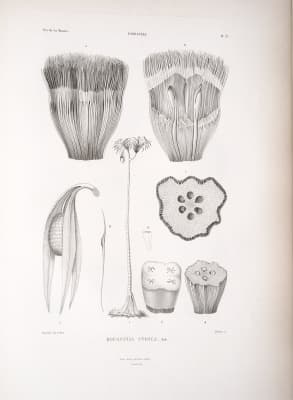
Pandanus leram
Pandanus leram
Family: Pandanaceae
Cultivation
A plant of the moist tropical lowlands, found in areas where the temperature ranges from 22°c - 32°c, with a mean relative humidity of about 82% and the annual rainfall ranges from 3,000 - 3,900 mm. Species in this genus generally grow well in most moist, well-dained soils and a sunny position. This species is often found in the wild growing in moist, heavy soils, where it is often the dominant vegetation.
Full cultivation guide →Pandanus limbatus
Pandanus limbatus
Family: Pandanaceae
Cultivation
Species in this genus generally grow well in most moist, well-dained soils and a sunny position
Full cultivation guide →Pandanus luzonensis
Pandanus luzonensis
Family: Pandanaceae
Cultivation
Species in this genus generally grow well in most moist, well-dained soils and a sunny position Branches do not have dormant buds and so will not resprout if cut back into the old wood. A dioecious species, both male and female forms need to be grown if fruits and seed are required.
Full cultivation guide →
Pandanus odorifer
Pandanus odorifer
Family: Pandanaceae
Cultivation
Plants require a minimum temperature that does not fall below about 13 - 16°c. Prefers a well-drained soil and a position in full sun or partial shade. Plants commence flowering when about 3 - 4 years old.
Full cultivation guide →Pandanus papuanus
Pandanus papuanus
Family: Pandanaceae
Cultivation
Species in this genus generally grow well in most moist, well-dained soils and a sunny position A dioecious species, both male and female forms need to be grown if fruits and seed are required.
Full cultivation guide →
Pandanus polycephalus
Pandanus polycephalus
Family: Pandanaceae
Cultivation
Species in this genus generally grow well in most moist, well-dained soils and a sunny position. Littoral species, such as this one, are usually very tolerant of strong, salt-laden winds and somewhat saline soil conditions. Branches do not have dormant buds and so will not resprout if cut back into the old wood.
Full cultivation guide →Pandanus rabaiensis
Pandanus rabaiensis
Family: Pandanaceae
Cultivation
Species in this genus generally grow well in most moist, well-dained soils and a sunny position Branches do not have dormant buds and so will not resprout if cut back into the old wood. A dioecious species, both male and female forms need to be grown if fruits and seed are required.
Full cultivation guide →Pandanus radicans
Pandanus radicans
Family: Pandanaceae
Cultivation
Species in this genus generally grow well in most moist, well-dained soils and a sunny position Branches do not have dormant buds and so will not resprout if cut back into the old wood. A dioecious species, both male and female forms need to be grown if fruits and seed are required.
Full cultivation guide →
Pandanus simplex
Pandanus simplex
Family: Pandanaceae
Cultivation
Species in this genus generally grow well in most moist, well-dained soils and a sunny position Branches do not have dormant buds and so will not resprout if cut back into the old wood. A dioecious species, both male and female forms need to be grown if fruits and seed are required.
Full cultivation guide →Pandanus solmslaubachii
Pandanus solmslaubachii
Family: Pandanaceae
Cultivation
Species in this genus generally grow well in most moist, well-dained soils and a sunny position The plant sometimes produces axillary buds along the stems. The larger of these are easily detached from the stems and, when they fall to the ground will usually form roots and grow vigorously to develop into a new plant.
Full cultivation guide →
Pandanus spiralis
Pandanus spiralis
Family: Pandanaceae
Cultivation
Species in this genus generally grow well in most moist, well-dained soils and a sunny position Branches do not have dormant buds and so will not resprout if cut back into the old wood. A dioecious species, both male and female forms need to be grown if fruits and seed are required.
Full cultivation guide →
Pandanus tectorius
Pandanus tectorius
Family: Pandanaceae
Cultivation
Pandanus tectorius is a plant of lowland humid and subhumid tropical climates, rarely found above an elevation of 20 metres in the wild but cultivated at elevations up to 600 metres. It is found in areas where the mean annual temperature ranges from 24 - 28°c, the mean temperature of the hottest month is 28 - 36°c and that of the coldest month is 17 - 25°c. The minimum temperature experienced in its native range iss 12°c, though one report says that it can tolerate occasional temperatures down to almost freezing.
Full cultivation guide →
Pandanus utilis
Pandanus utilis
Family: Pandanaceae
Cultivation
Plants succeed in the tropics and warm subtropics. Prefers a position in full sun, tolerating a range of soils. Tolerant of salty soils.
Full cultivation guide →