Nectandra — 12 species
Botanical species in the genus Nectandra recorded in the PlantPeers database.
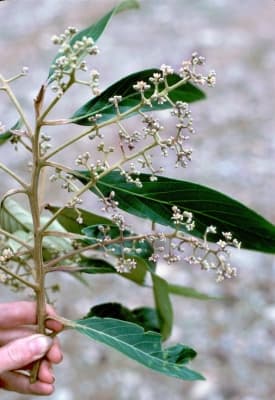
Nectandra cissiflora
Nectandra cissiflora
Family: Lauraceae
Cultivation
Succeeds in full sun and also in the dappled shade of woodland. Tolerant of dry and moist soils. Young plants have a moderately fast rate of growth.
Full cultivation guide →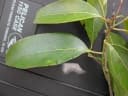
Nectandra coriacea
Nectandra coriacea
Family: Lauraceae
Cultivation
The plant flowers and fruits at irregular periods throughout the year.
Full cultivation guide →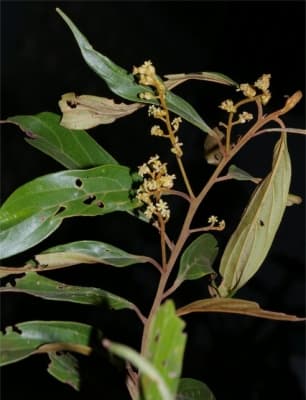
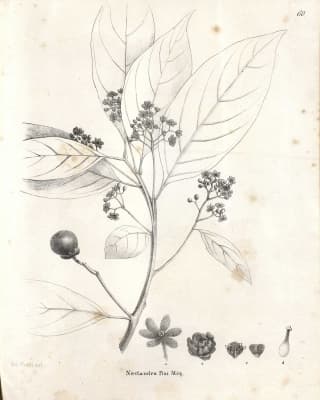
Nectandra globosa
Nectandra globosa
Family: Lauraceae
Cultivation
A plant of the moist tropics, usually at elevations below 1,000 metres.
Full cultivation guide →
Nectandra grandiflora
Nectandra grandiflora
Family: Lauraceae
Cultivation
Succeeds in full sun to moderate shade. Prefers a deep, fertile soil but can succeed in both dry and moist conditions. A slow-growing plant, even when small.
Full cultivation guide →
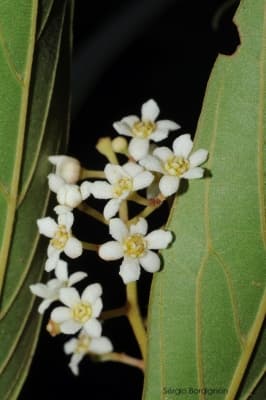
Nectandra lanceolata
Nectandra lanceolata
Family: Lauraceae
Cultivation
Prefers a position in light to moderate shade. Succeeds in a wide range of soils so long as they are moist.
Full cultivation guide →
Nectandra megapotamica
Nectandra megapotamica
Family: Lauraceae
Cultivation
Prefers a sunny position. Succeeds in a wide range of soils. A rather slow-growing tree.
Full cultivation guide →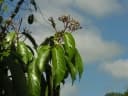
Nectandra membranacea
Nectandra membranacea
Family: Lauraceae
Cultivation
Succeeds in full sun to fairly heavy shade. Prefers a moist soil. A fast-growing plant when young.
Full cultivation guide →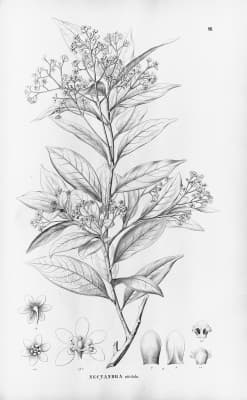
Nectandra nitidula
Nectandra nitidula
Family: Lauraceae
Cultivation
Grows best in a sunny position. Prefers a moist, sandy soil. A fairly slow-growing tree, even when young, with plants reaching up to a height of 1.5 metres within 2 years from seed.
Full cultivation guide →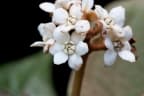
Nectandra reticulata
Nectandra reticulata
Family: Lauraceae
Cultivation
Grows best in dappled shade, but becomes increasingly tolerant of sunny conditions as it grows older. Tolerant of a wide range of soils. Plants have a moderate rate of growth.
Full cultivation guide →