Korthalsia — 24 species
Botanical species in the genus Korthalsia recorded in the PlantPeers database.

Korthalsia angustifolia
Korthalsia angustifolia
Family: Arecaceae
Cultivation
A monocarpic species, it can grow for many years without flowering, then flowers prolifically before setting seed and dying. The flowers are produced in panicles at the ends of the stems. Many species in this genus have a close association with ants that make their nests within swollen structures in the leaf sheaths known as ocreas.
Full cultivation guide →Korthalsia brassii
Korthalsia brassii
Family: Arecaceae
Cultivation
A monocarpic species, it can grow for many years without flowering, then flowers prolifically before setting seed and dying. The flowers are produced in panicles at the ends of the stems. Many species n this genus have a close association with ants that make their nests within swollen structures in the leaf sheaths known as ocreas.
Full cultivation guide →Korthalsia celebica
Korthalsia celebica
Family: Arecaceae
Cultivation
A monocarpic species, it can grow for many years without flowering, then flowers prolifically before setting seed and dying. The flowers are produced in panicles at the ends of the stems. Many species n this genus have a close association with ants that make their nests within swollen structures in the leaf sheaths known as ocreas.
Full cultivation guide →
Korthalsia cheb
Korthalsia cheb
Family: Arecaceae
Cultivation
A monocarpic species, it can grow for many years without flowering, then flowers prolifically before setting seed and dying. The flowers are produced in panicles at the ends of the stems. Many species n this genus have a close association with ants that make their nests within swollen structures in the leaf sheaths known as ocreas.
Full cultivation guide →Korthalsia concolor
Korthalsia concolor
Family: Arecaceae
Cultivation
A monocarpic species, it can grow for many years without flowering, then flowers prolifically before setting seed and dying. The flowers are produced in panicles at the ends of the stems. Many species n this genus have a close association with ants that make their nests within swollen structures in the leaf sheaths known as ocreas.
Full cultivation guide →
Korthalsia debilis
Korthalsia debilis
Family: Arecaceae
Cultivation
A monocarpic species, it can grow for many years without flowering, then flowers prolifically before setting seed and dying. The flowers are produced in panicles at the ends of the stems. Many species n this genus have a close association with ants that make their nests within swollen structures in the leaf sheaths known as ocreas.
Full cultivation guide →
Korthalsia echinometra
Korthalsia echinometra
Family: Arecaceae
Cultivation
A monocarpic species, it can grow for many years without flowering, then flowers prolifically before setting seed and dying. The flowers are produced in panicles at the ends of the stems. This species, like many others in this genus, has a close association with ants that make their nests within swollen structures in the leaf sheaths known as ocreas.
Full cultivation guide →
Korthalsia ferox
Korthalsia ferox
Family: Arecaceae
Cultivation
The plant is often found in the wild in Kerangas forest - a type of moist, heath forest found on acidic, sandy soils that are low in nutrients, especially nitrogen. A monocarpic species, it can grow for many years without flowering, then flowers prolifically before setting seed and dying. The flowers are produced in panicles at the ends of the stems.
Full cultivation guide →
Korthalsia flagellaris
Korthalsia flagellaris
Family: Arecaceae
Cultivation
A monocarpic species, it can grow for many years without flowering, then flowers prolifically before setting seed and dying. The flowers are produced in panicles at the ends of the stems. Many species in this genus have a close association with ants that make their nests within swollen structures in the leaf sheaths known as ocreas.
Full cultivation guide →Korthalsia furtadoana
Korthalsia furtadoana
Family: Arecaceae
Cultivation
A monocarpic species, it can grow for many years without flowering, then flowers prolifically before setting seed and dying. The flowers are produced in panicles at the ends of the stems. Many species in this genus have a close association with ants that make their nests within swollen structures in the leaf sheaths known as ocreas.
Full cultivation guide →
Korthalsia hispida
Korthalsia hispida
Family: Arecaceae
Cultivation
A monocarpic species, it can grow for many years without flowering, then flowers prolifically before setting seed and dying. The flowers are produced in panicles at the ends of the stems. Many species in this genus have a close association with ants that make their nests within swollen structures in the leaf sheaths known as ocreas.
Full cultivation guide →
Korthalsia jala
Korthalsia jala
Family: Arecaceae
Cultivation
A monocarpic species, it can grow for many years without flowering, then flowers prolifically before setting seed and dying. The flowers are produced in panicles at the ends of the stems. Many species in this genus have a close association with ants that make their nests within swollen structures in the leaf sheaths known as ocreas.
Full cultivation guide →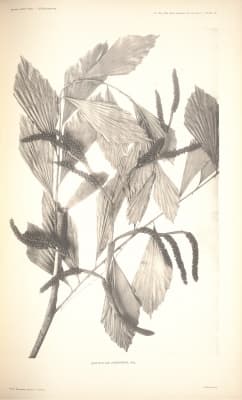
Korthalsia junghuhnii
Korthalsia junghuhnii
Family: Arecaceae
Cultivation
A monocarpic species, it can grow for many years without flowering, then flowers prolifically before setting seed and dying. The flowers are produced in panicles at the ends of the stems. Many species n this genus have a close association with ants that make their nests within swollen structures in the leaf sheaths known as ocreas.
Full cultivation guide →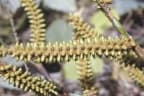
Korthalsia laciniosa
Korthalsia laciniosa
Family: Arecaceae
Cultivation
Plants succeed in moist tropical climates where temperatures never fall below 10°c, the average annual rainfall is 1,500mm or more and the driest month has 25mm or more rain. A monocarpic species, it can grow for many years without flowering, then flowers prolifically before setting seed and dying. The flowers are produced in panicles at the ends of the stems.
Full cultivation guide →
Korthalsia merrillii
Korthalsia merrillii
Family: Arecaceae
Cultivation
A monocarpic species, it can grow for many years without flowering, then flowers prolifically before setting seed and dying. The flowers are produced in panicles at the ends of the stems. Many species n this genus have a close association with ants that make their nests within swollen structures in the leaf sheaths known as ocreas.
Full cultivation guide →
Korthalsia paucijuga
Korthalsia paucijuga
Family: Arecaceae
Cultivation
A monocarpic species, it can grow for many years without flowering, then flowers prolifically before setting seed and dying. The flowers are produced in panicles at the ends of the stems. Many species n this genus have a close association with ants that make their nests within swollen structures in the leaf sheaths known as ocreas.
Full cultivation guide →
Korthalsia rigida
Korthalsia rigida
Family: Arecaceae
Cultivation
A monocarpic species, it can grow for many years without flowering, then flowers prolifically before setting seed and dying. The flowers are produced in panicles at the ends of the stems. Many species n this genus have a close association with ants that make their nests within swollen structures in the leaf sheaths known as ocreas.
Full cultivation guide →
Korthalsia robusta
Korthalsia robusta
Family: Arecaceae
Cultivation
A monocarpic species, it can grow for many years without flowering, then flowers prolifically before setting seed and dying. The flowers are produced in panicles at the ends of the stems. Many species in this genus have a close association with ants that make their nests within swollen structures in the leaf sheaths known as ocreas.
Full cultivation guide →
Korthalsia rogersii
Korthalsia rogersii
Family: Arecaceae
Cultivation
A monocarpic species, it can grow for many years without flowering, then flowers prolifically before setting seed and dying. The flowers are produced in panicles at the ends of the stems. Many species n this genus have a close association with ants that make their nests within swollen structures in the leaf sheaths known as ocreas.
Full cultivation guide →
Korthalsia rostrata
Korthalsia rostrata
Family: Arecaceae
Cultivation
Plants succeed in moist tropical climates where temperatures never fall below 10°c, the average annual rainfall is 1,500mm or more and the driest month has 25mm or more rain. Ants commonly make their homes in the stems of this plant. A monocarpic species, it can grow for many years without flowering, then flowers prolifically before setting seed and dying.
Full cultivation guide →
Korthalsia scaphigeroides
Korthalsia scaphigeroides
Family: Arecaceae
Cultivation
A monocarpic species, it can grow for many years without flowering, then flowers prolifically before setting seed and dying. The flowers are produced in panicles at the ends of the stems. This species has a close association with ants that make their nests within swollen structures in the leaf sheaths known as ocreas.
Full cultivation guide →
Korthalsia scortechinii
Korthalsia scortechinii
Family: Arecaceae
Cultivation
A monocarpic species, it can grow for many years without flowering, then flowers prolifically before setting seed and dying. The flowers are produced in panicles at the ends of the stems. Many species n this genus have a close association with ants that make their nests within swollen structures in the leaf sheaths known as ocreas.
Full cultivation guide →
Korthalsia tenuissima
Korthalsia tenuissima
Family: Arecaceae
Cultivation
A monocarpic species, it can grow for many years without flowering, then flowers prolifically before setting seed and dying. The flowers are produced in panicles at the ends of the stems. Many species n this genus have a close association with ants that make their nests within swollen structures in the leaf sheaths known as ocreas.
Full cultivation guide →
Korthalsia zippelii
Korthalsia zippelii
Family: Arecaceae
Cultivation
A monocarpic species, it can grow for many years without flowering, then flowers prolifically before setting seed and dying. The flowers are produced in panicles at the ends of the stems. Many species in this genus have a close association with ants that make their nests within swollen structures in the leaf sheaths known as ocreas.
Full cultivation guide →