Impatiens — 21 species
Botanical species in the genus Impatiens recorded in the PlantPeers database.

Impatiens aurella
Impatiens aurella
Family: Balsaminaceae
Cultivation
Succeeds in any reasonably good soil. Grows well in heavy clay soils. Prefers a moist well-drained humus rich soil in a cool site.
Full cultivation guide →
Impatiens balsamina
Impatiens balsamina
Family: Balsaminaceae
Cultivation
Succeeds in any reasonably good soil. Grows well in heavy clay soils. Prefers a moist well-drained humus rich soil in a cool site.
Full cultivation guide →Impatiens capensis
Impatiens capensis
Family: Balsaminaceae
Cultivation
Succeeds in any reasonably good soil. Grows well in heavy clay soils. Prefers a moist well-drained humus rich soil in a cool shady site.
Full cultivation guide →Impatiens ecalcarata
Impatiens ecalcarata
Family: Balsaminaceae
Cultivation
Succeeds in any reasonably good soil. Grows well in heavy clay soils. Prefers a moist well-drained humus rich soil in a cool shady site.
Full cultivation guide →Impatiens edgeworthii
Impatiens edgeworthii
Family: Balsaminaceae
Cultivation
Succeeds in any reasonably good soil. Grows well in heavy clay soils. Prefers a moist well-drained humus rich soil in a cool shady site.
Full cultivation guide →Impatiens glandulifera
Impatiens glandulifera
Family: Balsaminaceae
Cultivation
Succeeds in any reasonably good soil. Grows well in heavy clay soils. Prefers a moist well-drained humus rich soil in a cool site.
Full cultivation guide →
Impatiens hawkeri
Impatiens hawkeri
Family: Balsaminaceae
Cultivation
Requires some protection from the hottest sun. Prefers a deep, cool, moist, humus-rich soil. Plants can flower and produce seed all year round.
Full cultivation guide →
Impatiens irvingii
Impatiens irvingii
Family: Balsaminaceae
Cultivation
An extremely variable plant, especially in pubescence, leaf shape and flower size. In its natural range the plant flowers throughout the year. In Nigeria aquatic snail species were found to be strongly associated with this plant, which is helpful in monitoring and controlling snails that host schistosoma.
Full cultivation guide →
Impatiens niamniamensis
Impatiens niamniamensis
Family: Balsaminaceae
Cultivation
The plant is intolerant of frost. In its natural range the plant flowers throughout the year.
Full cultivation guide →Impatiens noli-tangere
Impatiens noli-tangere
Family: Balsaminaceae
Cultivation
Succeeds in any reasonably good soil. Grows well in heavy clay soils. Prefers a moist well-drained humus rich soil in a cool site.
Full cultivation guide →Impatiens occidentalis
Impatiens occidentalis
Family: Balsaminaceae
Cultivation
Succeeds in any reasonably good soil. Grows well in heavy clay soils. Prefers a moist well-drained humus rich soil in a cool site.
Full cultivation guide →Impatiens pallida
Impatiens pallida
Family: Balsaminaceae
Cultivation
Succeeds in any reasonably good soil. Grows well in heavy clay soils. Prefers a moist well-drained humus rich soil in a cool site.
Full cultivation guide →Impatiens parviflora
Impatiens parviflora
Family: Balsaminaceae
Cultivation
Succeeds in any reasonably good soil. Grows well in heavy clay soils. Prefers a moist well-drained humus rich soil in a cool site.
Full cultivation guide →
Impatiens sulcata
Impatiens sulcata
Family: Balsaminaceae
Cultivation
Succeeds in any reasonably good soil. Grows well in heavy clay soils. Prefers a moist well-drained humus rich soil in a cool site.
Full cultivation guide →Impatiens textori
Impatiens textori
Family: Balsaminaceae
Cultivation
We have very little information on this species but, judging by its native range, it should be hardy in Britain. The following notes are based on the general needs of the genus. Succeeds in any reasonably good soil.
Full cultivation guide →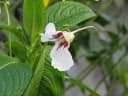
Impatiens tinctoria
Impatiens tinctoria
Family: Balsaminaceae
Cultivation
A very variable species, it has been divided into five subspecies.
Full cultivation guide →Impatiens tingens
Impatiens tingens
Family: Balsaminaceae
Cultivation
We have very little information on this species and do not know it it will be hardy in Britain, though judging by its native range it should succeed outdoors in many parts of the country. This species is quite possibly no more than a synonym of I. racemosa. The following notes are based on the general needs of the genus.
Full cultivation guide →