Hyptis — 6 species
Botanical species in the genus Hyptis recorded in the PlantPeers database.

Hyptis brevipes
Hyptis brevipes
Family: Lamiaceae
Cultivation
The seed is dispersed by wildlife and by human activities; originally from tropical America, the plant has become a weed in many parts of the moist to wet tropics. It is described as invasive in many parts of southeast Asia.
Full cultivation guide →
Hyptis capitata
Hyptis capitata
Family: Lamiaceae
Cultivation
A plant of the humid tropics, The plant has spread widely as a weed and is reported to be invasive in many areas. It seeds prolifically each year, which ensures its survival. The seeds, however, are light-sensitive and germination requires exposure to light.
Full cultivation guide →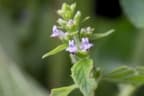
Hyptis mutabilis
Hyptis mutabilis
Family: Lamiaceae
Cultivation
The plant is a common weed in some parts of the Americas, and is recorded as 'Invasive' in some Pacific Islands.
Full cultivation guide →
Hyptis pectinata
Hyptis pectinata
Family: Lamiaceae
Cultivation
Originally native to tropical America, the plant has spread as a weed and become naturalized throughout the tropics. It is considered a noxious weed in some areas. Plants can flower and fruit all year round.
Full cultivation guide →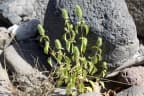
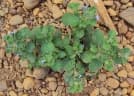
Hyptis suaveolens
Hyptis suaveolens
Family: Lamiaceae
Cultivation
The plant is often an abundant weed, sometimes forming dense thickets of considerable extent that are much visited by birds when the seeds are ripe. It commences flowering when about 8 - 12 weeks old, producing copious amounts of seed, which can be spread by water, animals, humans and farm machinery. The flowers are very attractive to pollinating insects.
Full cultivation guide →