Gunnera — 5 species
Botanical species in the genus Gunnera recorded in the PlantPeers database.

Gunnera apiculata
Gunnera apiculata
Family: Gunneraceae
Cultivation
It is believed that species of the genus Gunnera have existed for about 95 million years. Gunnera species are unique in the plant realm through having a symbiotic relationship with a cyanobacteria (Nostoc punctiforme and others). This relationship provides nitrogen to the Gunnera and carbon to the cyanobacteria.
Full cultivation guide →Gunnera macrophylla
Gunnera macrophylla
Family: Gunneraceae
Cultivation
It is believed that species of the genus Gunnera have existed for about 95 million years. Gunnera species are unique in the plant realm through having a symbiotic relationship with a cyanobacteria (Nostoc punctiforme and others). This relationship provides nitrogen to the Gunnera and carbon to the cyanobacteria.
Full cultivation guide →Gunnera magellanica
Gunnera magellanica
Family: Gunneraceae
Cultivation
Gunnera magellania is a plant of higher elevations in the tropics, descending to sea level in the temperate zone. It is not a very cold-tolerant plant, being able to tolerate short periods with temperatures down to about -10 to -15°c. Requires a damp humus rich soil in a sunny position or semi-shade.
Full cultivation guide →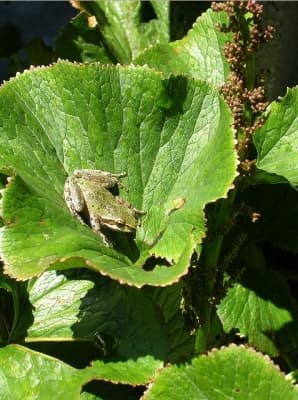
Gunnera perpensa
Gunnera perpensa
Family: Gunneraceae
Cultivation
Although it can grow at quite high elevations in the tropics, this species cannot tolerate frost and even when growing in warm protective areas it will die back for the coldest months of the year. Grows in the wild in wet soil or shallow water. An obligate wetland plant, it grows in shallow water around the edge of pools in marshy areas or along streams.
Full cultivation guide →Gunnera tinctoria
Gunnera tinctoria
Family: Gunneraceae
Cultivation
Gunnera tinctoria is fairly cold tolerant, especially if a thick mulch is applied to the rootstock whilst the plant is dormant. Unprotected, the roots will generally survive occasional temperatures falling as low as -10°c, somewhat lower with protection. The young growth in spring, however, can be damaged by late frosts.
Full cultivation guide →