Gossypium — 4 species
Botanical species in the genus Gossypium recorded in the PlantPeers database.
Gossypium arboreum
Gossypium arboreum
Family: Malvaceae
Cultivation
Tree cotton can be grown in the dry to moist tropics and subtropics, where it is found at elevations up to 1,600 metres. For commercial production it requires a climate that has a long, hot growing season with abundant moisture, followed by a drier period for harvesting the seed floss. It grows best in areas where annual daytime temperatures are within the range 26 - 36°c, but can tolerate 18 - 38°c.
Full cultivation guide →
Gossypium barbadense
Gossypium barbadense
Family: Malvaceae
Cultivation
Sea Island cotton can be grown in the dry to moist tropics and subtropics, where it is found at elevations up to 1,500 metres. For commercial production it requires a climate that has a long, hot growing season with abundant moisture, followed by a drier period for harvesting the seed floss. It grows best in areas where annual daytime temperatures are within the range 22 - 32°c, but can tolerate 15 - 38°c.
Full cultivation guide →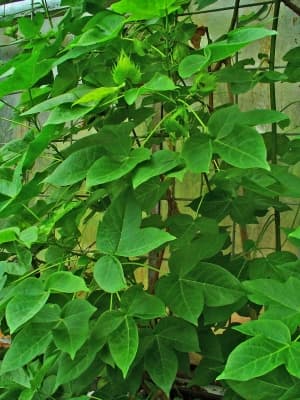
Gossypium herbaceum
Gossypium herbaceum
Family: Malvaceae
Cultivation
Short-staple American cotton can be grown in the dry to moist tropics and subtropics, where it is found at elevations up to 2,200 metres. For commercial production it requires a climate that has a long, hot growing season with abundant moisture, followed by a drier period for harvesting the seed floss. It grows best in areas where annual daytime temperatures are within the range 26 - 36°c, but can tolerate 18 - 38°c.
Full cultivation guide →
Gossypium hirsutum
Gossypium hirsutum
Family: Malvaceae
Cultivation
Sea Island cotton can be grown in the dry to moist tropics and subtropics, where it is found at elevations up to 1,250 metres. For commercial production it requires a climate that has a long, hot growing season with abundant moisture, followed by a drier period for harvesting the seed floss. Low temperature increases the production of vegetative branches and extends the cropping period, while high temperature increases the number of fruiting branches and reduces the cropping period.
Full cultivation guide →