Dypsis — 19 species
Botanical species in the genus Dypsis recorded in the PlantPeers database.


Dypsis baronii
Dypsis baronii
Family: Arecaceae
Cultivation
One of the most cold tolerant of the Madagascan palms, it is quite untroubled by even several degrees of frost. The plant can be a bit difficult in cultivation, but usually prefers a lightly shaded, moist, but well drained position.
Full cultivation guide →
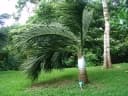
Dypsis decipiens
Dypsis decipiens
Family: Arecaceae
Cultivation
Plants can tolerate some frost. Grows best in a position in full sun. Prefers a well drained position.
Full cultivation guide →
Dypsis fibrosa
Dypsis fibrosa
Family: Arecaceae
Cultivation
Grows best in a sunny position in a moist but well-drained soil. One of only 2 plant species on which Cymbidiella falcigera (a rare orchid) grows (the other being Raffia farinosa ).
Full cultivation guide →
Dypsis hovomantsina
Dypsis hovomantsina
Family: Arecaceae
Cultivation
Succeeds in the tropics and subtropics. Grows best in a sunny position. Prefers a well drained position.
Full cultivation guide →
Dypsis lutescens
Dypsis lutescens
Family: Arecaceae
Cultivation
A plant of the humid, lowland tropics, where it is found at elevations below 500 metres. One report says that mature trees can tolerate temperatures down to around freezing - this might kill the top growth but the plant usually resprouts from the roots. Succeeds in full sun and in moderate shade.
Full cultivation guide →
Dypsis madagascariensis
Dypsis madagascariensis
Family: Arecaceae
Cultivation
Grows best in a sunny position or in light shade, in a well-drained soil. The plant has sometimes escaped from cultivation and has become locally naturalized in some areas, such as in Panama. A fast growing palm which does well in cultivation.
Full cultivation guide →
Dypsis mananjarensis
Dypsis mananjarensis
Family: Arecaceae
Cultivation
Prefers a position in full sun to light shade. Grows best in a well drained soil. Some Dypsis species apparently related to Dypsis mananjarensis have been reported as sources of palm heart: Dypsis prestoniana Beentje.
Full cultivation guide →

Dypsis perrieri
Dypsis perrieri
Family: Arecaceae
Cultivation
Although this can become quite a large palm, it is still essentially a palm of the understory, so it prefers a shady position, and it also likes lots of water. The plant has a crown of erect leaves that trap and collect leaf litter and other organic matter that falls from the forest trees. This litter servers a built-in compost heap to nourish the plant.
Full cultivation guide →
Dypsis pilulifera
Dypsis pilulifera
Family: Arecaceae
Cultivation
Probably not very cold tolerant. Prefers a sunny, moist, but well drained position.
Full cultivation guide →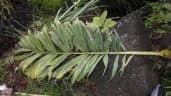
Dypsis pinnatifrons
Dypsis pinnatifrons
Family: Arecaceae
Cultivation
Prefers shade as a youngster, although it can take full sun as its gets older. Likes the standard moist, but well drained potting mix.
Full cultivation guide →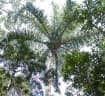
Dypsis prestoniana
Dypsis prestoniana
Family: Arecaceae
Cultivation
Prefers a warm and moist position. This species is able to survive in disturbed areas after clearance but probably does not regenerate there.
Full cultivation guide →

