Dimorphandra — 8 species
Botanical species in the genus Dimorphandra recorded in the PlantPeers database.

Dimorphandra conjugata
Dimorphandra conjugata
Family: Fabaceae
Cultivation
The tree coppices freely. This species has a symbiotic relationship with certain soil bacteria; these bacteria form nodules on the roots and fix atmospheric nitrogen. Some of this nitrogen is utilized by the growing plant but some can also be used by other plants growing nearby.
Full cultivation guide →Dimorphandra exaltata
Dimorphandra exaltata
Family: Fabaceae
Cultivation
Grows best in a sunny position. Prefers a well-drained soil. Established plants are drought tolerant.
Full cultivation guide →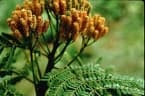
Dimorphandra gardneriana
Dimorphandra gardneriana
Family: Fabaceae
Cultivation
Requires a sunny position. Newly planted young trees can be quite slow to establish and grow away. This species has a symbiotic relationship with certain soil bacteria; these bacteria form nodules on the roots and fix atmospheric nitrogen.
Full cultivation guide →Dimorphandra jorgei
Dimorphandra jorgei
Family: Fabaceae
Cultivation
Succeeds in full sun to moderate shade. A slow-growing plant, even when young. This species has a symbiotic relationship with certain soil bacteria; these bacteria form nodules on the roots and fix atmospheric nitrogen.
Full cultivation guide →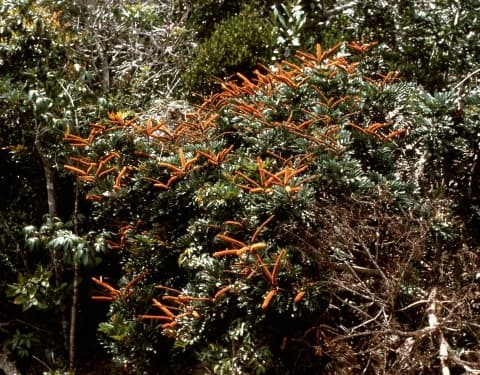
Dimorphandra macrostachya
Dimorphandra macrostachya
Family: Fabaceae
Cultivation
Succeeds in full sun to fairly dense shade. Found in the wild in moist, humus-rich, white sandy soils. Young plants have a moderate rate of growth.
Full cultivation guide →
Dimorphandra mollis
Dimorphandra mollis
Family: Fabaceae
Cultivation
Requires a sunny position. Succeeds in poor and dry soils. Established plants are drought tolerant.
Full cultivation guide →Dimorphandra wilsonii
Dimorphandra wilsonii
Family: Fabaceae
Cultivation
Grows best in a sunny position. Young plants have a moderate rate of growth, able to reach a height of around 1.5 metres within 2 years from seed. This species has a symbiotic relationship with certain soil bacteria, these bacteria form nodules on the roots and fix atmospheric nitrogen.
Full cultivation guide →