Corymbia — 18 species
Botanical species in the genus Corymbia recorded in the PlantPeers database.

Corymbia bloxsomei
Corymbia bloxsomei
Family: Myrtaceae
Cultivation
Corymbia bloxsomei is native to the warm temperate zone of southeastern Queensland, growing in a region with moist to wet summers and low winter rainfall. Corymbia species generally require a sunny position, succeeding in a wide range of well-drained, circumneutral soils of low to moderate fertility. The plant develops a lignotuber - this is a woody tuber that starts to develop near the base of seedlings and can become massive in the mature plants of some species.
Full cultivation guide →Corymbia calophylla
Corymbia calophylla
Family: Myrtaceae
Cultivation
Corymbia calophylla is native to the Mediterranean climate of southwestern Australia, where it is found at elevations up to 300 metres. Summers are hot and dry, with most rainfall occurring in the winter months. Mean annual rainfall is within the range 625 - 1,200mm; mean maximum of the hottest month is 24 - 29°c; mean minimum of the coldest month is 4 - 7°c, and there are generally around 1 - 15 frosts a year.
Full cultivation guide →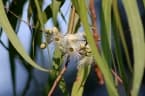
Corymbia citriodora
Corymbia citriodora
Family: Myrtaceae
Cultivation
Corymbia citriodora is native from the tropical climate of eastern Queensland to the subtropical and warm temperate regions of northern New South Wales. It is usually found in areas where the summers are hot (it can withstand a mean monthly maximum of 29 - 35°c) and any winter is generally mild. It is not a very cold-hardy plant, but succeeds in areas where frosts are occasional and generally light.
Full cultivation guide →Corymbia dichromophloia
Corymbia dichromophloia
Family: Myrtaceae
Cultivation
Corymbia dichromophloia is native to the tropical monsoonal climate of northern Australia, where it is found at elevations up to metres. Corymbia species generally require a sunny position, succeeding in a wide range of well-drained, circumneutral soils of low to moderate fertility. The plant develops a lignotuber - this is a woody tuber that starts to develop near the base of seedlings and can become massive in the mature plants of some species.
Full cultivation guide →Corymbia erythrophloia
Corymbia erythrophloia
Family: Myrtaceae
Cultivation
Corymbia erythrophloia is native Corymbia species generally require a sunny position, succeeding in a wide range of well-drained, circumneutral soils of low to moderate fertility. The plant develops a lignotuber - this is a woody tuber that starts to develop near the base of seedlings and can become massive in the mature plants of some species. It possesses embedded vegetative buds, allowing the plant to regenerate following crown destruction, for example by fire.
Full cultivation guide →Corymbia eximia
Corymbia eximia
Family: Myrtaceae
Cultivation
Corymbia eximia is native to the warm temperate climate of eastern Australia Eucalyptus species generally require a sunny position, succeeding in a wide range of well-drained, circumneutral soils of low to moderate fertility. The plant develops a lignotuber - this is a woody tuber that starts to develop near the base of seedlings and can become massive in the mature plants of some species. It possesses embedded vegetative buds, allowing the plant to regenerate following crown destruction, for example by fire.
Full cultivation guide →
Corymbia gummifera
Corymbia gummifera
Family: Myrtaceae
Cultivation
Corymbia gummifera is found mainly in the warm temperate to subtropical zones of eastern Australia, where it can be found at elevations up to 500 metres. It has also been successfully cultivated in many tropical climates. It grows in a region where the summers are hot and moist and the winters are mild but can be dry or moist.
Full cultivation guide →
Corymbia intermedia
Corymbia intermedia
Family: Myrtaceae
Cultivation
Corymbia intermedia is a plant of the moist tropics and subtropics of eastern Australia, where it is found at elevations up to 1,000 metres. It grows best in areas where annual daytime temperatures are within the range 18 - 28°c, but can tolerate 8 - 38°c. It experiences some mild frosts in parts of its range.
Full cultivation guide →
Corymbia maculata
Corymbia maculata
Family: Myrtaceae
Cultivation
Corymbia maculata grows wild from the temperate to the subtropical zones and from the humid coastal plains to dry inland areas. It can be found at elevations up to 2,000 metres, growing in areas where the mean annual temperature ranges from 15 - 20°c, and the mean annual rainfall from 700 - 1,800mm. When dormant, the plant can survive temperatures down to about -6°c, but young growth is more tender and can be severely damaged at 0°c.
Full cultivation guide →Corymbia nesophila
Corymbia nesophila
Family: Myrtaceae
Cultivation
Corymbia nesophila is native to the tropical monsoonal climate of northern Australia, where it is found at elevations up to 300 metres. Rainfall occurs in the hot season, with a mean annual rainfall within the range 1,250 - 1,500mm and a dry season of 4 - 6 months. The mean maximum temperature of the hottest month is 32°c; mean minimum temperature of the coldest month is 5°c, and there are no frosts.
Full cultivation guide →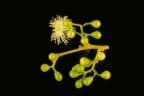
Corymbia papuana
Corymbia papuana
Family: Myrtaceae
Cultivation
A plant of the arid to moist tropics, where it is found at elevations up to 900 metres. It grows best in areas where annual daytime temperatures are within the range 20 - 28°c, but can tolerate 10 - 46°c. It prefers a mean annual rainfall in the range 500 - 1,000mm, but tolerates 250 - 1,500mm.
Full cultivation guide →Corymbia peltata
Corymbia peltata
Family: Myrtaceae
Cultivation
Corymbia peltata is native to the tropical climate of northeastern Australia, where it is found at elevations up to 500 metres. Rainfall occurs mainly in the summer, with a mean annual rainfall within the range 475 - 725mm. Frosts are very rare or non-existant.
Full cultivation guide →Corymbia polycarpa
Corymbia polycarpa
Family: Myrtaceae
Cultivation
Corymbia polycarpa is native to the semi-arid and seasonal tropical climate of Australia, where it is found at elevations up to 800 metres. It grows best in areas where annual daytime temperatures are within the range 20 - 29°c, but can tolerate 10 - 44°c. When dormant, the plant can survive temperatures down to about -5°c, but young growth is more tender and can be severely damaged at -1°c.
Full cultivation guide →
Corymbia terminalis
Corymbia terminalis
Family: Myrtaceae
Cultivation
Corymbia terminalis is native to the arid and semi-arid regions of central and northern Australia. Corymbia species generally require a sunny position, succeeding in a wide range of well-drained, circumneutral soils of low to moderate fertility. The plant develops a lignotuber - this is a woody tuber that starts to develop near the base of seedlings and can become massive in the mature plants of some species.
Full cultivation guide →Corymbia tessellaris
Corymbia tessellaris
Family: Myrtaceae
Cultivation
Corymbia tessellaris is native to the tropical and subtropical climate of eastern Australia, where it is found at elevations up to 500 metres. Rainfall occurs mainly in the summer, with a mean annual rainfall within the range 375 - 1,500mm and a dry season that is severe of up to 7 months. The mean maximum temperature of the hottest month is 36 - 38°c; mean minimum temperature of the coldest month is 4°c, and there are generally around zero to 15 frosts a year.
Full cultivation guide →
Corymbia torelliana
Corymbia torelliana
Family: Myrtaceae
Cultivation
Corymbia torelliana is native to the moist, tropical lowland climate of northeastern Australia, where it is found at elevations from 100 - 800 metres. Rainfall occurs in the hot season, with a mean annual rainfall within the range 1,000 - 1,500mm and a dry season that is not usually severe of up to 3 months. The mean maximum temperature of the hottest month is 29°c; mean minimum temperature of the coldest month is 10 - 16°c, and there are usually no frosts or very occasional light frosts.
Full cultivation guide →Corymbia trachyphloia
Corymbia trachyphloia
Family: Myrtaceae
Cultivation
Corymbia trachyphloia is native to the warm temperate to tropical climate of eastern Australia, where it is found at elevations up to 300 metres. Rainfall occurs mainly in the summer, with a mean annual rainfall within the range 500 - 1,000mm. There can be up to 15 frosts a year in the south of its range.
Full cultivation guide →Corymbia watsoniana
Corymbia watsoniana
Family: Myrtaceae
Cultivation
Corymbia watsoniana Corymbia species generally require a sunny position, succeeding in a wide range of well-drained, circumneutral soils of low to moderate fertility. The plant develops a lignotuber - this is a woody tuber that starts to develop near the base of seedlings and can become massive in the mature plants of some species. It possesses embedded vegetative buds, allowing the plant to regenerate following crown destruction, for example by fire.
Full cultivation guide →