Celtis — 33 species
Botanical species in the genus Celtis recorded in the PlantPeers database.

Celtis adolfi-friderici
Celtis adolfi-friderici
Family: Cannabaceae
Cultivation
Requires a sunny position, although younger seedlings do appreciate a bit of shade. Prefers a well-drained, fertile soil. Plants have a moderately fast rate of growth - they are usually around 40cm tall after one year and then grow at a rate of 20 - 100cm a year.
Full cultivation guide →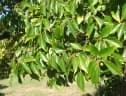
Celtis africana
Celtis africana
Family: Cannabaceae
Cultivation
A plant of the tropics and subtropics. It can tolerate some frost. Although it prefers relatively fertile and deep moist soils, it can also be found on sandy dunes and river banks, as well as on rocky soils, but under these conditions it usually only develops into a shrub.
Full cultivation guide →
Celtis biondii
Celtis biondii
Family: Cannabaceae
Cultivation
Celtis species generally prefer hotter summers and more sunlight than are normally experienced in maritime regions of the temperate zone. In areas with cooler summers the plants often do not fully ripen their wood and are then very subject to die-back in the winter. Species in this genus generally prefer a sunny position, succeeding in any reasonably good soil, preferring a good fertile well-drained loamy soil.
Full cultivation guide →Celtis bungeana
Celtis bungeana
Family: Cannabaceae
Cultivation
Celtis bungeana can be very cold-hardy when growing in hot summer areas, able to tolerate temperatures falling to at least -20°c. However, Celtis species generally prefer hotter summers and more sunlight than are normally experienced in maritime regions of the temperate zone. In areas with cooler summers the plants often do not fully ripen their wood and are then very subject to die-back in the winter.
Full cultivation guide →Celtis cerasifera
Celtis cerasifera
Family: Cannabaceae
Cultivation
We have no specific information for this species, but Celtis species generally prefer hotter summers and more sunlight than are normally experienced in maritime regions of the temperate zone. In areas with cooler summers the plants often do not fully ripen their wood and are then very subject to die-back in the winter. Species in this genus generally prefer a sunny position, succeeding in any reasonably good soil, preferring a good fertile well-drained loamy soil.
Full cultivation guide →Celtis chekiangensis
Celtis chekiangensis
Family: Cannabaceae
Cultivation
We have no specific information for this species, but Celtis species generally prefer hotter summers and more sunlight than are normally experienced in maritime regions of the temperate zone. In areas with cooler summers the plants often do not fully ripen their wood and are then very subject to die-back in the winter. Species in this genus generally prefer a sunny position, succeeding in any reasonably good soil, preferring a good fertile well-drained loamy soil.
Full cultivation guide →Celtis choseniana
Celtis choseniana
Family: Cannabaceae
Cultivation
We have no specific information for this species, but Celtis species generally prefer hotter summers and more sunlight than are normally experienced in maritime regions of the temperate zone. In areas with cooler summers the plants often do not fully ripen their wood and are then very subject to die-back in the winter. This species has been introduced into cultivation in N.
Full cultivation guide →
Celtis ehrenbergiana
Celtis ehrenbergiana
Family: Cannabaceae
Cultivation
A plant of the subtropics and tropics, found at elevations between 300 - 1,700 metres in the tropics. Prefers a sunny position. It is apparently tolerant of a wide range of soil and moisture conditions.
Full cultivation guide →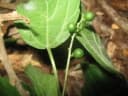
Celtis gomphophylla
Celtis gomphophylla
Family: Cannabaceae
Cultivation
A plant of the tropics and subtropics, where it can be found at elevations up to 1,750 metres. In western Kenya it is locally dominant in rainforest in areas with a mean annual rainfall of 1,400 - 1,900mm. The tree grows rapidly in full sunlight, but growth is poor or stops completely under shaded conditions.
Full cultivation guide →
Celtis iguanaea
Celtis iguanaea
Family: Cannabaceae
Cultivation
Prefers a sunny position. Grows best in humus-rich, moist soils. A fairly fast-growing tree.
Full cultivation guide →Celtis jessoensis
Celtis jessoensis
Family: Cannabaceae
Cultivation
Celtis jessoensis can be very cold-hardy when growing in hot summer areas, able to tolerate temperatures falling to at least -15°c. However, Celtis species generally prefer hotter summers and more sunlight than are normally experienced in maritime regions of the temperate zone. In areas with cooler summers the plants often do not fully ripen their wood and are then very subject to die-back in the winter.
Full cultivation guide →Celtis julianae
Celtis julianae
Family: Cannabaceae
Cultivation
We have no specific information for this species, but Celtis species generally prefer hotter summers and more sunlight than are normally experienced in maritime regions of the temperate zone. In areas with cooler summers the plants often do not fully ripen their wood and are then very subject to die-back in the winter. This species grows very well in New Zealand.
Full cultivation guide →Celtis koraiensis
Celtis koraiensis
Family: Cannabaceae
Cultivation
Celtis koraiensis can be very cold-hardy when growing in hot summer areas, able to tolerate temperatures falling to at least -20°c. However, Succeeds in any reasonably good soil, preferring a good fertile well-drained loamy soil. Succeeds on dry gravels and on sandy soils.
Full cultivation guide →Celtis laevigata
Celtis laevigata
Family: Cannabaceae
Cultivation
Celtis laevigata can be very cold-hardy when growing in hot summer areas, able to tolerate winter temperatures falling to at least -20°c. Within its native range, summer temperatures average 27°c, with extremes to 46°c. Mean annual precipitation ranges from 510 - 1,520mm.
Full cultivation guide →Celtis lindheimeri
Celtis lindheimeri
Family: Cannabaceae
Cultivation
We have no specific information for this species, but Celtis species generally prefer hotter summers and more sunlight than are normally experienced in maritime regions of the temperate zone. In areas with cooler summers the plants often do not fully ripen their wood and are then very subject to die-back in the winter. Species in this genus generally prefer a sunny position, succeeding in any reasonably good soil, preferring a good fertile well-drained loamy soil.
Full cultivation guide →
Celtis mildbraedii
Celtis mildbraedii
Family: Cannabaceae
Cultivation
A fast-growing species when young, on average it gains 100 - 200cm in height a year and, within Ghana, individuals can be up to 3 metres tall after four years of growth.
Full cultivation guide →Celtis occidentalis
Celtis occidentalis
Family: Cannabaceae
Cultivation
Celtis occidentalis can be very cold-hardy when growing in hot summer areas, able to tolerate winter temperatures falling to at least -20°c when dormant, though young growth in spring is very susceptble to frost damage. However, Celtis species generally prefer hotter summers and more sunlight than are normally experienced in maritime regions of the temperate zone. In areas with cooler summers the plants often do not fully ripen their wood and are then very subject to die-back in the winter.
Full cultivation guide →Celtis pallida
Celtis pallida
Family: Cannabaceae
Cultivation
Celtis species generally prefer hotter summers and more sunlight than are normally experienced in maritime regions of the temperate zone. In areas with cooler summers the plants often do not fully ripen their wood and are then very subject to die-back in the winter. Succeeds in any reasonably good soil, preferring a good fertile well-drained loamy soil.
Full cultivation guide →
Celtis planchoniana
Celtis planchoniana
Family: Cannabaceae
Cultivation
Celtis planchoniana can be fairly cold-hardy when growing in hot summer areas, able to tolerate temperatures falling to at least -15°c. However, Celtis species generally prefer hotter summers and more sunlight than are normally experienced in maritime regions of the temperate zone. In areas with cooler summers the plants often do not fully ripen their wood and are then very subject to die-back in the winter.
Full cultivation guide →
Celtis pubescens
Celtis pubescens
Family: Cannabaceae
Cultivation
Prefers a sunny position. Tolerant of a range of soil humidity. The plant is an aggressive pioneer species, readily invading pasture land.
Full cultivation guide →Celtis reticulata
Celtis reticulata
Family: Cannabaceae
Cultivation
Celtis reticulata can be very cold-hardy when growing in hot summer areas, able to tolerate temperatures falling to at least -15°c. However, Celtis species generally prefer hotter summers and more sunlight than are normally experienced in maritime regions of the temperate zone. In areas with cooler summers the plants often do not fully ripen their wood and are then very subject to die-back in the winter.
Full cultivation guide →Celtis sinensis
Celtis sinensis
Family: Cannabaceae
Cultivation
Celtis sinensis can be very cold-hardy when growing in hot summer areas, able to tolerate temperatures falling to at least -15°c. However, Celtis species generally prefer hotter summers and more sunlight than are normally experienced in maritime regions of the temperate zone. In areas with cooler summers the plants often do not fully ripen their wood and are then very subject to die-back in the winter.
Full cultivation guide →Celtis tenuifolia
Celtis tenuifolia
Family: Cannabaceae
Cultivation
Celtis tenuifolia can be very cold-hardy when growing in hot summer areas, able to tolerate temperatures falling to at least -15°c. However, Celtis species generally prefer hotter summers and more sunlight than are normally experienced in maritime regions of the temperate zone. In areas with cooler summers the plants often do not fully ripen their wood and are then very subject to die-back in the winter.
Full cultivation guide →
Celtis tetrandra
Celtis tetrandra
Family: Cannabaceae
Cultivation
Celtis tetrandra is somewhat cold-hardy when growing in hot summer areas, able to tolerate short-lived temperatures falling to at least -10°c. However, Celtis species generally prefer hotter summers and more sunlight than are normally experienced in maritime regions of the temperate zone. In areas with cooler summers the plants often do not fully ripen their wood and are then very subject to die-back in the winter.
Full cultivation guide →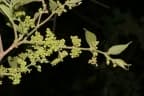
Celtis toka
Celtis toka
Family: Cannabaceae
Cultivation
A plant of drier areas in the tropics. It can survive in the Sahel with a mean annual rainfall of 500 - 700mm, so long as it is growing in locations, such as gallery forests, where there is underground water.
Full cultivation guide →Celtis tournefortii
Celtis tournefortii
Family: Cannabaceae
Cultivation
Celtis tournefortii can be quite cold-hardy when growing in hot summer areas, able to tolerate temperatures falling to at least -10°c. However, Celtis species generally prefer hotter summers and more sunlight than are normally experienced in maritime regions of the temperate zone. In areas with cooler summers the plants often do not fully ripen their wood and are then very subject to die-back in the winter.
Full cultivation guide →Celtis vandervoetiana
Celtis vandervoetiana
Family: Cannabaceae
Cultivation
Celtis vandervoetiana can be quite cold-hardy when growing in hot summer areas, able to tolerate temperatures falling to at least -10°c. However, Celtis species generally prefer hotter summers and more sunlight than are normally experienced in maritime regions of the temperate zone. In areas with cooler summers the plants often do not fully ripen their wood and are then very subject to die-back in the winter.
Full cultivation guide →