Baccaurea — 38 species
Botanical species in the genus Baccaurea recorded in the PlantPeers database.

Baccaurea angulata
Baccaurea angulata
Family: Phyllanthaceae
Cultivation
Found in the wild on sandstone or laterite soils. A dioecious species, both male and female forms need to be grown if fruit and seed are required.
Full cultivation guide →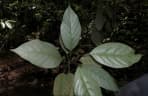
Baccaurea bracteata
Baccaurea bracteata
Family: Phyllanthaceae
Cultivation
The plant is often found in the wild in Kerangas forest - a type of moist, heath forest found on acidic, sandy soils that are low in nutrients, especially nitrogen. Plants are usually found on white sands in the wild. Plants can flower and produce fruit all year round.
Full cultivation guide →
Baccaurea brevipes
Baccaurea brevipes
Family: Phyllanthaceae
Cultivation
Found in the wild on sand, clay or granite soils. A dioecious species, both male and female forms need to be grown if fruit and seed are required.
Full cultivation guide →
Baccaurea carinata
Baccaurea carinata
Family: Phyllanthaceae
Cultivation
A dioecious species, both male and female forms need to be grown if fruit and seed are required.
Full cultivation guide →Baccaurea costulata
Baccaurea costulata
Family: Phyllanthaceae
Cultivation
A dioecious species, both male and female forms need to be grown if fruit and seed are required.
Full cultivation guide →Baccaurea deflexa
Baccaurea deflexa
Family: Phyllanthaceae
Cultivation
Found in sandy and clay soils in the wild. A dioecious species, both male and female forms need to be grown if fruit and seed are required.
Full cultivation guide →Baccaurea dolichobotrys
Baccaurea dolichobotrys
Family: Phyllanthaceae
Cultivation
Grows in the wild on yellow sand and loam soils. A dioecious species, both male and female forms need to be grown if fruit and seed are required.
Full cultivation guide →
Baccaurea dulcis
Baccaurea dulcis
Family: Phyllanthaceae
Cultivation
A plant of the hot, tropical lowlands. A dioecious species, both male and female forms need to be grown if fruit and seed are required.
Full cultivation guide →Baccaurea edulis
Baccaurea edulis
Family: Phyllanthaceae
Cultivation
A plant of the hot, lowland tropics. Found on light soils in its native habitats. A dioecious species, both male and female forms need to be grown if fruit and seed are required.
Full cultivation guide →Baccaurea javanica
Baccaurea javanica
Family: Phyllanthaceae
Cultivation
Plants can flower and fruit all year round. A dioecious species, both male and female forms need to be grown if fruit and seed are required.
Full cultivation guide →
Baccaurea lanceolata
Baccaurea lanceolata
Family: Phyllanthaceae
Cultivation
A plant of the hot, humid, lowland tropics. Plants grow in sandy clay to loam soils in the wild. Plants can flower and fruit throughout the year.
Full cultivation guide →
Baccaurea macrocarpa
Baccaurea macrocarpa
Family: Phyllanthaceae
Cultivation
A plant of the hot, humid, lowland tropics. Succeeds in a range of soil conditions from granitic sand, sandy clay to red clay. Plants can flower and fruit all year round.
Full cultivation guide →Baccaurea macrophylla
Baccaurea macrophylla
Family: Phyllanthaceae
Cultivation
A plant of the tropical rainforests. Yields of 300 kilos of fruit per tree have been achieved. A dioecious species, both male and female forms need to be grown if fruit and seed are required.
Full cultivation guide →Baccaurea maingayi
Baccaurea maingayi
Family: Phyllanthaceae
Cultivation
A dioecious species, both male and female forms need to be grown if fruit and seed are required.
Full cultivation guide →Baccaurea microcarpa
Baccaurea microcarpa
Family: Phyllanthaceae
Cultivation
A dioecious species, both male and female forms need to be grown if fruit and seed are required.
Full cultivation guide →Baccaurea minor
Baccaurea minor
Family: Phyllanthaceae
Cultivation
Found in the wild on granite, yellow sand or yellow sandy loam soils. A dioecious species, both male and female forms need to be grown if fruit and seed are required.
Full cultivation guide →Baccaurea mollis
Baccaurea mollis
Family: Phyllanthaceae
Cultivation
Plants can flower and fruit intermittently through the year. A dioecious species, both male and female forms need to be grown if fruit and seed are required.
Full cultivation guide →
Baccaurea motleyana
Baccaurea motleyana
Family: Phyllanthaceae
Cultivation
A plant of hot, humid, lowland tropical rainforest areas, where it is found at elevations up to 750 metres. It grows best in areas where annual daytime temperatures are within the range 28 - 28°c, but can tolerate 18 - 34°c. It prefers a mean annual rainfall in the range 1,500 - 3,500mm, but tolerates 1,000 - 4,000mm.
Full cultivation guide →Baccaurea multiflora
Baccaurea multiflora
Family: Phyllanthaceae
Cultivation
Grows wild in yellow-red loams. A dioecious species, both male and female forms need to be grown if fruit and seed are required.
Full cultivation guide →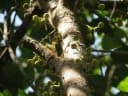
Baccaurea nanihua
Baccaurea nanihua
Family: Phyllanthaceae
Cultivation
Grows in the wild on sandy loams. A dioecious species, both male and female forms need to be grown if fruit and seed are required.
Full cultivation guide →Baccaurea nesophila
Baccaurea nesophila
Family: Phyllanthaceae
Cultivation
A dioecious species, both male and female forms need to be grown if fruit and seed are required.
Full cultivation guide →Baccaurea odoratissima
Baccaurea odoratissima
Family: Phyllanthaceae
Cultivation
Plants grow in the wild on basalt, yellow sandy clay and blackish sandstone soils. Plants can flower fruit through most of the year. A dioecious species, both male and female forms need to be grown if fruit and seed are required.
Full cultivation guide →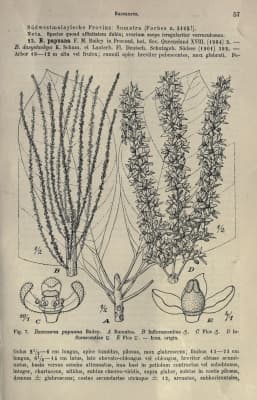
Baccaurea papuana
Baccaurea papuana
Family: Phyllanthaceae
Cultivation
Plants grow in the wild on laterite to clay soils. Plants can flower and fruit almost throughout the year. A dioecious species, both male and female forms need to be grown if fruit and seed are required.
Full cultivation guide →
Baccaurea parviflora
Baccaurea parviflora
Family: Phyllanthaceae
Cultivation
Plants grow wild in sandstone and white sandy soils. Plants can flower and fruit for most of the year. They flower mainly after dry weather.
Full cultivation guide →
Baccaurea philippinensis
Baccaurea philippinensis
Family: Phyllanthaceae
Cultivation
The fruits can be produced at various times through the year. A dioecious species, both male and female forms need to be grown if fruit and seed are required.
Full cultivation guide →
Baccaurea polyneura
Baccaurea polyneura
Family: Phyllanthaceae
Cultivation
Plants grow in the wild on sand, clay, loam and granite soils. Plants can flower and fruit all year round. A dioecious species, both male and female forms need to be grown if fruit and seed are required.
Full cultivation guide →Baccaurea pubera
Baccaurea pubera
Family: Phyllanthaceae
Cultivation
Plants grow wild on yellow sand and clay soils. Plants flower and fruit for much of the year. A dioecious species, both male and female forms need to be grown if fruit and seed are required.
Full cultivation guide →Baccaurea purpurea
Baccaurea purpurea
Family: Phyllanthaceae
Cultivation
Plants grow wild in thin soils over limestone. A dioecious species, both male and female forms need to be grown if fruit and seed are required.
Full cultivation guide →Baccaurea pyriformis
Baccaurea pyriformis
Family: Phyllanthaceae
Cultivation
Plants grow in the wild on sandstone and sandy loam soils. Plants flower and fruit for much of the year. A dioecious species, both male and female forms need to be grown if fruit and seed are required.
Full cultivation guide →
Baccaurea racemosa
Baccaurea racemosa
Family: Phyllanthaceae
Cultivation
A plant of the lowland tropic al forest, where it is found at elevations up to 1,000 metres. It grows best in areas where annual daytime temperatures are within the range 21 - 28°c, but can tolerate 14 - 34°c. It prefers a mean annual rainfall of around 2,500mm, but tolerates 1,500 - 4,500mm.
Full cultivation guide →
Baccaurea ramiflora
Baccaurea ramiflora
Family: Phyllanthaceae
Cultivation
A plant of the tropics, where it is found at elevations up to 1,300 metres. It grows best in areas where annual daytime temperatures are within the range 24 - 28°c, but can tolerate 18 - 34°c. It prefers a mean annual rainfall in the range 1,500 - 3,500mm, but tolerates 1,000 - 4,000mm.
Full cultivation guide →Baccaurea reticulata
Baccaurea reticulata
Family: Phyllanthaceae
Cultivation
Plants are found in the wild on yellow sandy loam soils. A dioecious species, both male and female forms need to be grown if fruit and seed are required.
Full cultivation guide →Baccaurea sarawakensis
Baccaurea sarawakensis
Family: Phyllanthaceae
Cultivation
Plants grow wild on loamy soils. The plant can flower and fruit through most of the year. A dioecious species, both male and female forms need to be grown if fruit and seed are required.
Full cultivation guide →Baccaurea simaloerensis
Baccaurea simaloerensis
Family: Phyllanthaceae
Cultivation
A dioecious species, both male and female forms need to be grown if fruit and seed are required.
Full cultivation guide →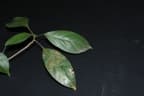
Baccaurea sumatrana
Baccaurea sumatrana
Family: Phyllanthaceae
Cultivation
Plants are found in the wild on sand or sandy clay soils. Plants can produce fruit throughout the year. A dioecious species, both male and female forms need to be grown if fruit and seed are required.
Full cultivation guide →
Baccaurea tetrandra
Baccaurea tetrandra
Family: Phyllanthaceae
Cultivation
Plants grow in the wild on sand, clay and loam soils. Plants can flower and fruit all year round. A dioecious species, both male and female forms need to be grown if fruit and seed are required.
Full cultivation guide →Baccaurea trigonocarpa
Baccaurea trigonocarpa
Family: Phyllanthaceae
Cultivation
The plant is often found in the wild in Kerangas forest - a type of moist, heath forest found on acidic, sandy soils that are low in nutrients, especially nitrogen. Plants grow in the wild on sand, clay and loam soils. A dioecious species, both male and female forms need to be grown if fruit and seed are required.
Full cultivation guide →Baccaurea velutina
Baccaurea velutina
Family: Phyllanthaceae
Cultivation
A dioecious species, both male and female forms need to be grown if fruit and seed are required.
Full cultivation guide →