Anisoptera — 7 species
Botanical species in the genus Anisoptera recorded in the PlantPeers database.

Anisoptera aurea
Anisoptera aurea
Family: Dipterocarpaceae
Cultivation
A plant of lowland areas in the moist tropics, where it can be found at elevations up to 600 metres. It is found in areas where there is no dry season.
Full cultivation guide →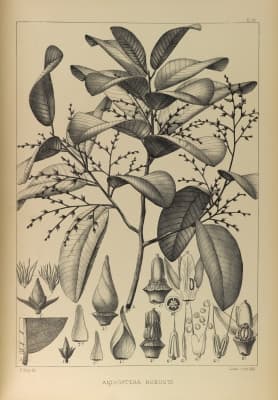
Anisoptera costata
Anisoptera costata
Family: Dipterocarpaceae
Cultivation
A plant of lowland areas in the moist tropics, where it is found at elevations up to 700 metres. It prefers growing in areas where the average annual temperature is around 27.5°c with little seasonal variation. It grows best where the mean annual rainfall is in the range 1,500 - 2,500mm, with a dry season that can last from 4 - 6 months.
Full cultivation guide →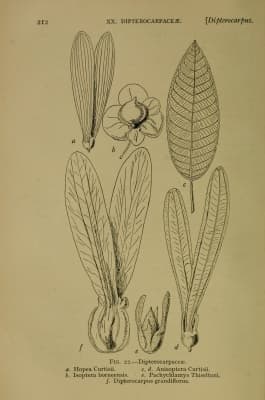
Anisoptera laevis
Anisoptera laevis
Family: Dipterocarpaceae
Cultivation
A plant of the humid tropics. Young trees grow better in the dappled shade of the forest floor, but older trees require more light.
Full cultivation guide →Anisoptera marginata
Anisoptera marginata
Family: Dipterocarpaceae
Cultivation
A plant of the humid tropics. Young trees grow better in the dappled shade of the forest floor, but older trees require more light. Found in the wild on rocky to sandy soils, including ultrabasic.
Full cultivation guide →Anisoptera scaphula
Anisoptera scaphula
Family: Dipterocarpaceae
Cultivation
A plant of the humid tropics, where it is found at elevations up to 700 metres. It grows best in areas where annual daytime temperatures are within the range 20 - 33°c, but can tolerate 15 - 38°c. It prefers a mean annual rainfall in the range 2,000 - 3,000mm, but tolerates 1,100 - 4,000mm.
Full cultivation guide →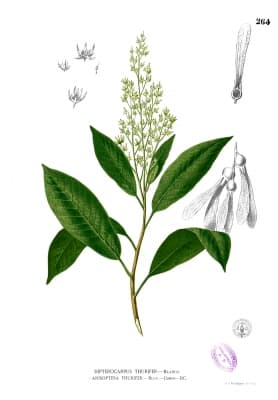
Anisoptera thurifera
Anisoptera thurifera
Family: Dipterocarpaceae
Cultivation
A plant of the humid tropics. Young trees in this genus generally grow better in the dappled shade of the forest floor, whilst older trees require more light. This species, however, can readily invade cultivated land, so should be much more tolerant of full sun when small.
Full cultivation guide →