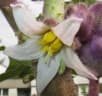
Solanum quitoense
Solanum quitoense
Safety & Hazards
The fruits are covered in stinging hairs, though these are easily removed[ 416 Title Brazilian Fruits and Cultivated Exotics Publication Author Lorenzi. H.; Bacher. L.; Lacerda. M.; Sartori. S. Publisher Instituto Plantarum De Estudos Da Flora LTDA; Brazil. Year 2000 ISBN 85-867174-24-0 Description A superb book, giving information on several hundred fruit species. Each entry has a brief description of the plant and its uses, accompanied by one to many excellent quality photographs of the fruits. ]. Although providing many well-known foods for people, including the potato, tomato, pepper and aubergine, most species in this genus also contain toxic alkaloids. Whilst these alkaloids can make the plant useful in treaing a range of medical conditions, they can also cause problems such as nausea, vomiting, salivation, drowsiness, abdominal pain, diarrhoea, weakness and respiratory depression[ 293 Title Poisonous Plants of North Carolina Publication Author Website http://www.ces.ncsu.edu/depts/hort/consumer/poison/poison.htm Publisher Year 0 ISBN Description An excellent concise but comprehensive guide to toxic plants that grow in N. Carolina. It lists even those plants that are of very low toxicity, including several well-known food plants such as carrots and potatoes. ]. Unless there are specific entries with information on edible uses, it would be unwise to ingest any part of this plant[ K Title Plants for a Future Author Ken Fern Description Notes from observations, tasting etc at Plants For A Future and on field trips. ].
Botanical Description
Solanum quitoense is an erect, short-lived perennial plant with stems that can become more or less woody; it can grow 1 - 3 metres tall[ 310 Title Plant Resources of Southeast Asia Publication Author Website http://proseanet.org/ Publisher Year 0 ISBN Description Lots of information on the uses of the plants of SE Asia. ]. This is one of the most esteemed fruit crops in Andean South America, where the raw fruits are sweetened to make a delicious juice. The plant is often cultivated for its fruit in northwestern S. America and, in recent years, its cultivation has spread to many other tropical and subtropical areas[ 300 Title Vegetables in the Tropics Publication Author Tindall. H. D. Publisher MacMillan, Oxford. Year 1983 ISBN 0-333-24268-8 Description An excellent, in-depth look at the main vegetable crops that can be grown in the Tropics, plus many less well-known plants. , 310 Title Plant Resources of Southeast Asia Publication Author Website http://proseanet.org/ Publisher Year 0 ISBN Description Lots of information on the uses of the plants of SE Asia. ].